How Polyaxon streamlines MLOps
At Polyaxon, we're always looking for ways to push the boundaries of what's possible with machine learning. Our MLOps platform makes it easy to manage the entire lifecycle of your machine learning models.
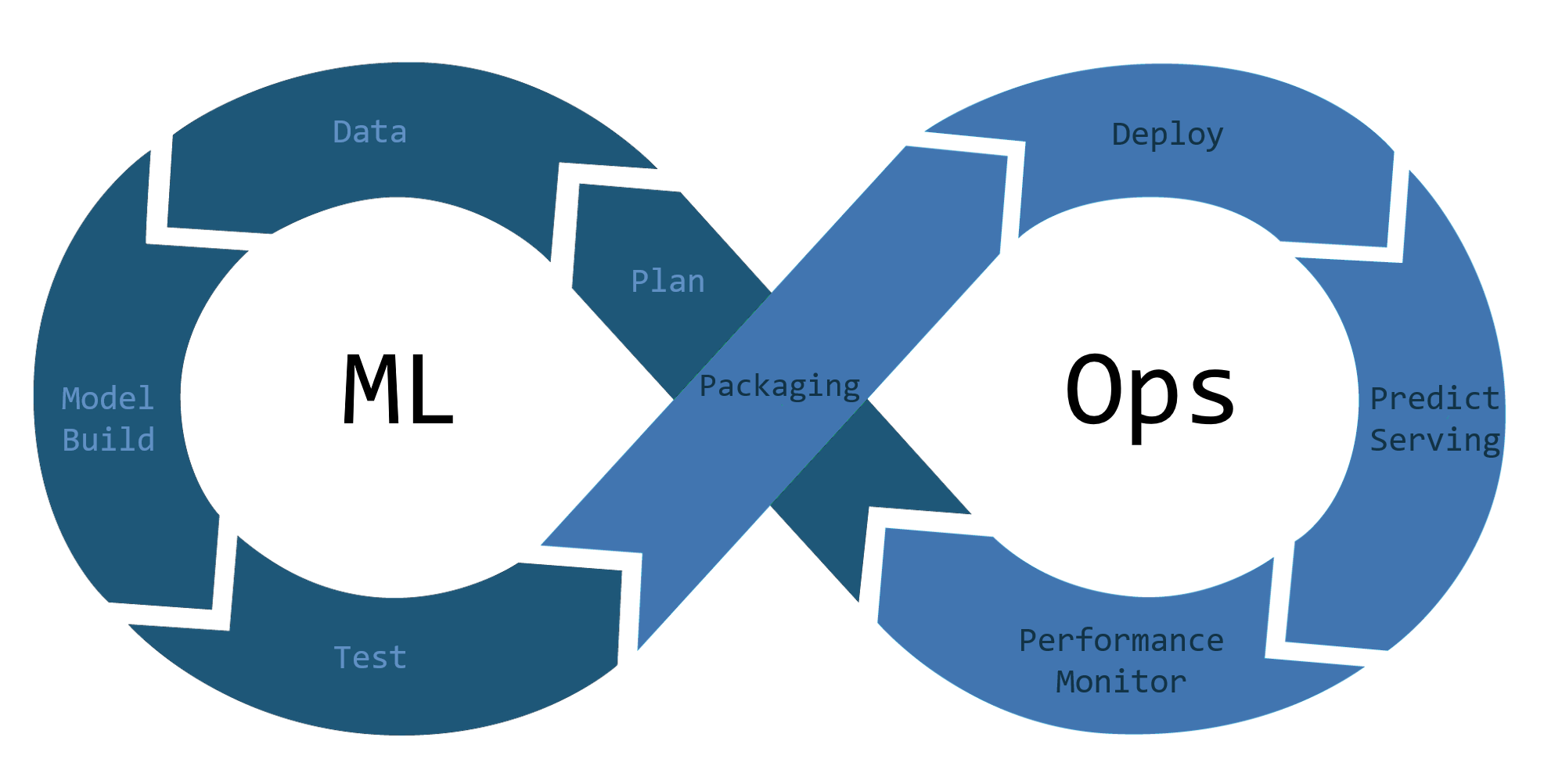
What is MLOps
MLOps, or "Machine Learning Operations," is a term used to describe the processes and practices that enable organizations to successfully manage the entire lifecycle of their machine learning models, from development and training to deployment and maintenance.
Goal of MLOps
The goal of MLOps is to create a collaborative and efficient workflow that allows data scientists and engineers to work together seamlessly to build, deploy, and maintain high-quality machine learning models. This, in turn, helps organizations to quickly and effectively leverage the power of machine learning to drive business value.
One key aspect of MLOps is the use of specialized tools and platforms to automate and streamline the ML lifecycle. These tools can help data scientists and engineers to easily and efficiently manage their machine learning projects, from data preparation and model training to deployment and monitoring.
Polyaxon platform
Polyaxon platform is an MLOps platform, which provides a set of libraries and tools that enable organizations to build and deploy end-to-end machine learning pipelines. Polyaxon integrates with major libraries and cloud providers to provide a scalable, secure, and production-ready environment for ML model development and deployment.
Polyaxon offers a community edition based on open-source tools, self-hosted enterprise deployments, and a managed control plane. These deployment options support building, training, and deploying models using frameworks such as TensorFlow and PyTorch, with execution and storage configured for the chosen environment.
Ultimately, the use of MLOps platforms like Polyaxon can help organizations to accelerate the development and deployment of their machine learning models, allowing them to quickly and easily put their models into production and start realizing the benefits of machine learning.
Other Popular MLOps tools and platforms
There are many MLOps platforms that specialize in pipeline and model discovery. Some popular examples include:
- Kubeflow: Kubeflow is an open-source platform that makes it easy to deploy and manage machine learning pipelines on Kubernetes. It provides a variety of tools and components for building, training, and deploying machine learning models, including Jupyter notebooks, TensorFlow training jobs, and model serving.
- MLflow: MLflow is an open-source platform for managing the end-to-end machine learning lifecycle. It provides tools for tracking and managing experiments, managing and deploying models, and monitoring model performance.
- DataRobot: DataRobot is a commercial platform that provides tools for automating the machine learning lifecycle. It includes features for data preparation, model training and deployment, and model monitoring and optimization.
- DVC: DVC is an open-source version control system for machine learning projects. It allows data scientists and engineers to track and manage their data, code, and model artifacts, making it easy to collaborate and reproduce experiments.
Each of these platforms has its own unique set of features and capabilities, and the right platform for your organization will depend on your specific needs and requirements. Where tools share a workflow, define the artifact formats, identifiers, and ownership at their boundary. An integration should preserve the producing run and the exact dataset or model version, rather than relying on a shared filename.
Factors to consider when choosing an MLOps platform
Some key factors to consider when comparing MLOps platforms include:
- Ease of use: How easy is it to use the platform, and how intuitive is the user interface?
- Scalability: Can the platform handle large amounts of data and complex machine learning pipelines?
- Integration: How well does the platform integrate with other tools and systems in your organization's ML workflow?
- Support: Does the platform provide robust support and documentation for users?
- Cost: What is the cost of using the platform, and does it provide value for money?
By carefully considering these and other factors, you can select the best MLOps platform for your organization's needs.
Why Polyaxon and not other tools
Polyaxon's MLOps platform specializes in pipeline and model discovery and provides the right tools for managing the end-to-end machine learning lifecycle, including experiment tracking, model training and deployment, and model monitoring.
Polyaxon supports a wide range of machine learning frameworks and libraries, including TensorFlow, PyTorch, and custom frameworks. This allows data scientists and engineers to use the tools and libraries that best suit their needs and requirements.
Polyaxon uses Kubernetes to execute workloads, but workload scheduling, service replication, node autoscaling, and disaster recovery are separate responsibilities. Configure deployment scaling and replication and concurrency for the expected load. Capacity expansion requires the cluster's autoscaling setup; database availability, storage backups, and recovery procedures need their own deployment design.
For example, a team can package training as a component, attach approved data connections, and record the dataset identity and evaluation report with the run. Reviewers then compare candidates and register the selected model version. That connects a concrete development decision to its execution, evidence, and reusable output.
Overall, Polyaxon is similar to other MLOps platforms in its focus on providing tools and services for managing the machine learning lifecycle. However, its support for a wide range of frameworks and its focus on scalability and availability make it a strong contender in the market.