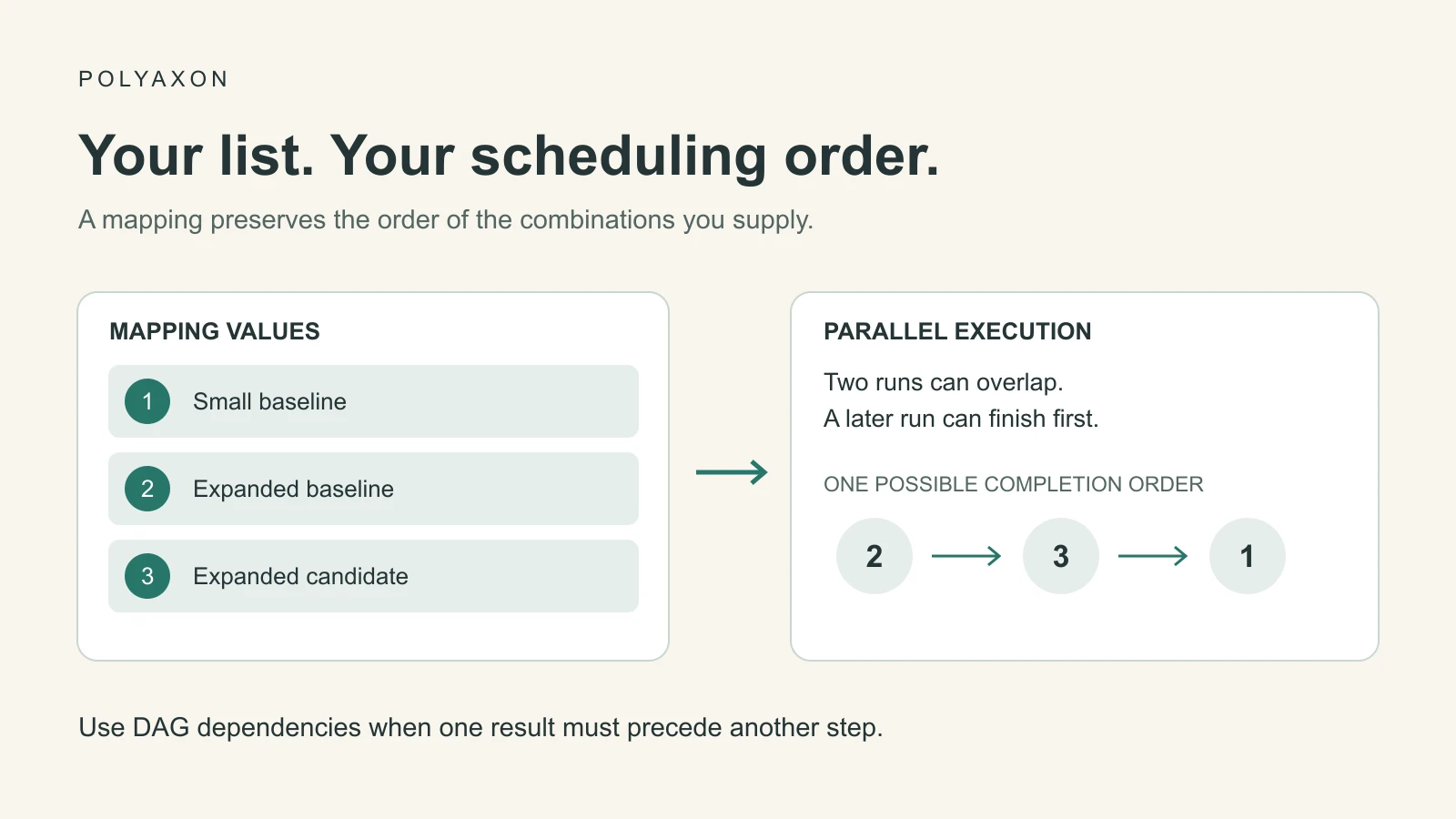
Schedule mapped runs in the order you specify
Use an ordered Polyaxon mapping for a curated list of experiments, control concurrency, and distinguish scheduling order from dependencies and completion order.
PolyaxonOrchestrationExperimentation
The latest guides, tutorials, and product updates.
Use an ordered Polyaxon mapping for a curated list of experiments, control concurrency, and distinguish scheduling order from dependencies and completion order.
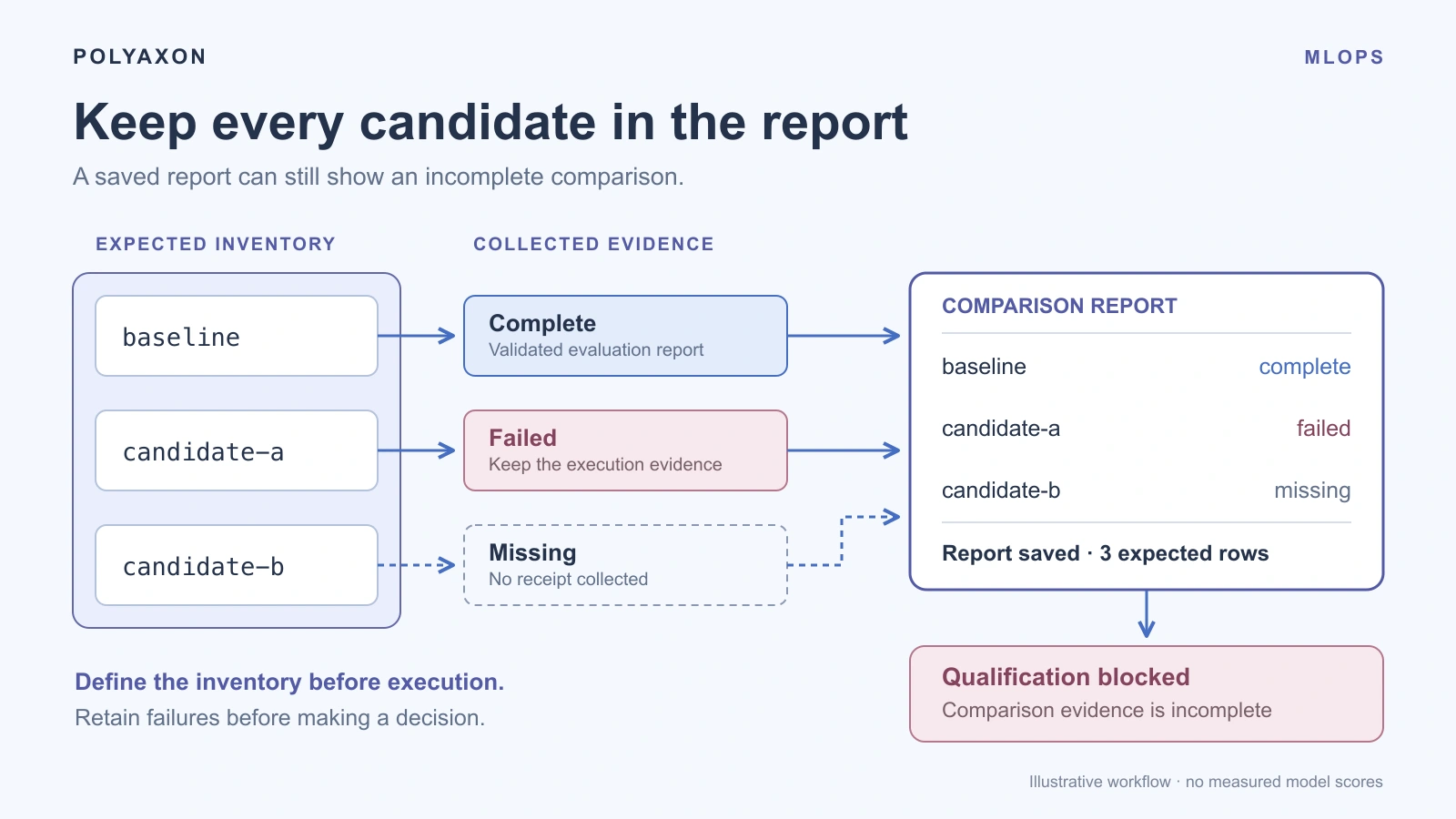
Reconcile evaluation results against an expected candidate manifest, preserve failed and missing outcomes, and separate pipeline reporting from release approval.
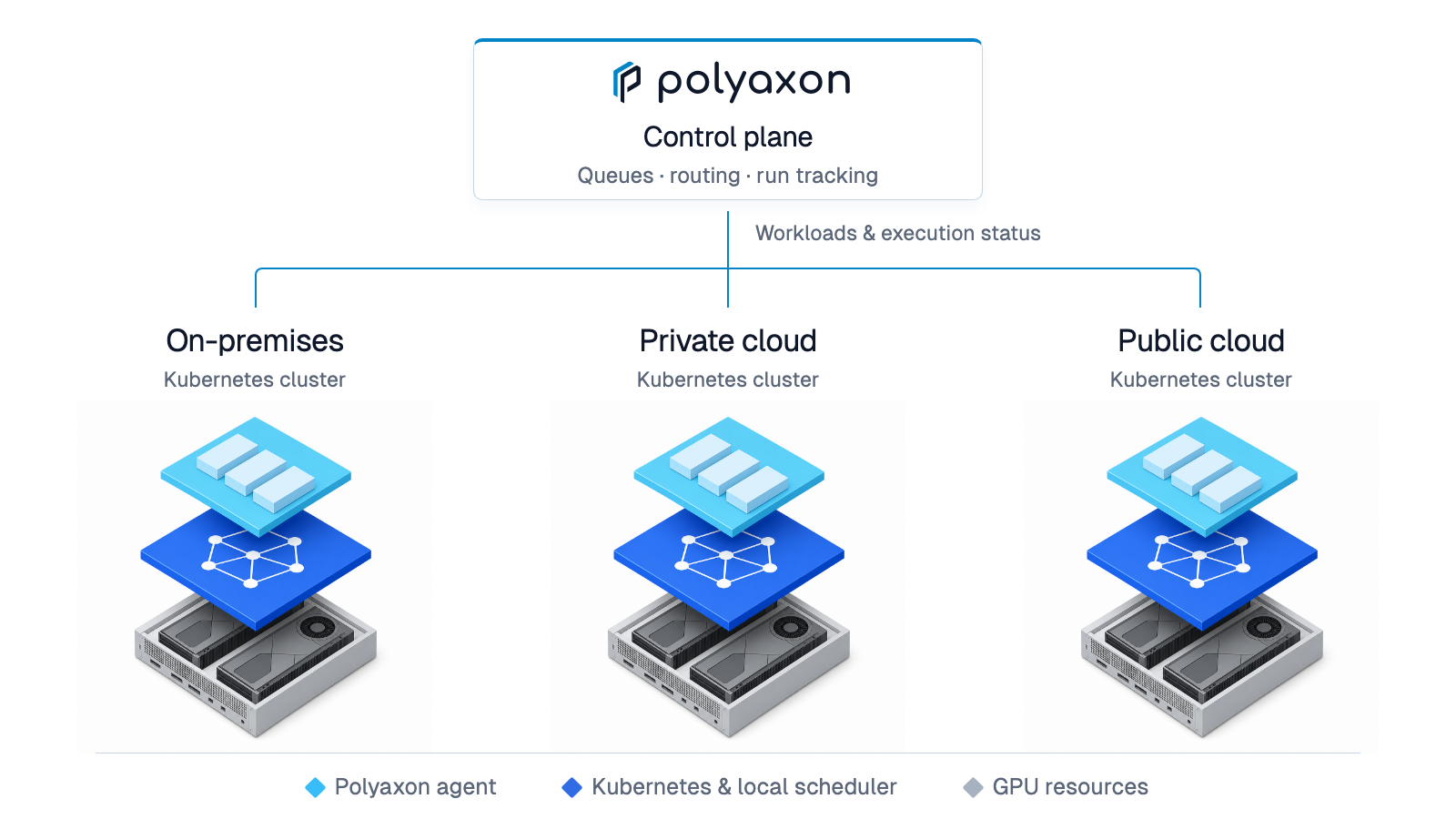
Design multi-cluster GPU orchestration around workload eligibility, data locality, queue routing, recovery, and clear dispatch ownership.
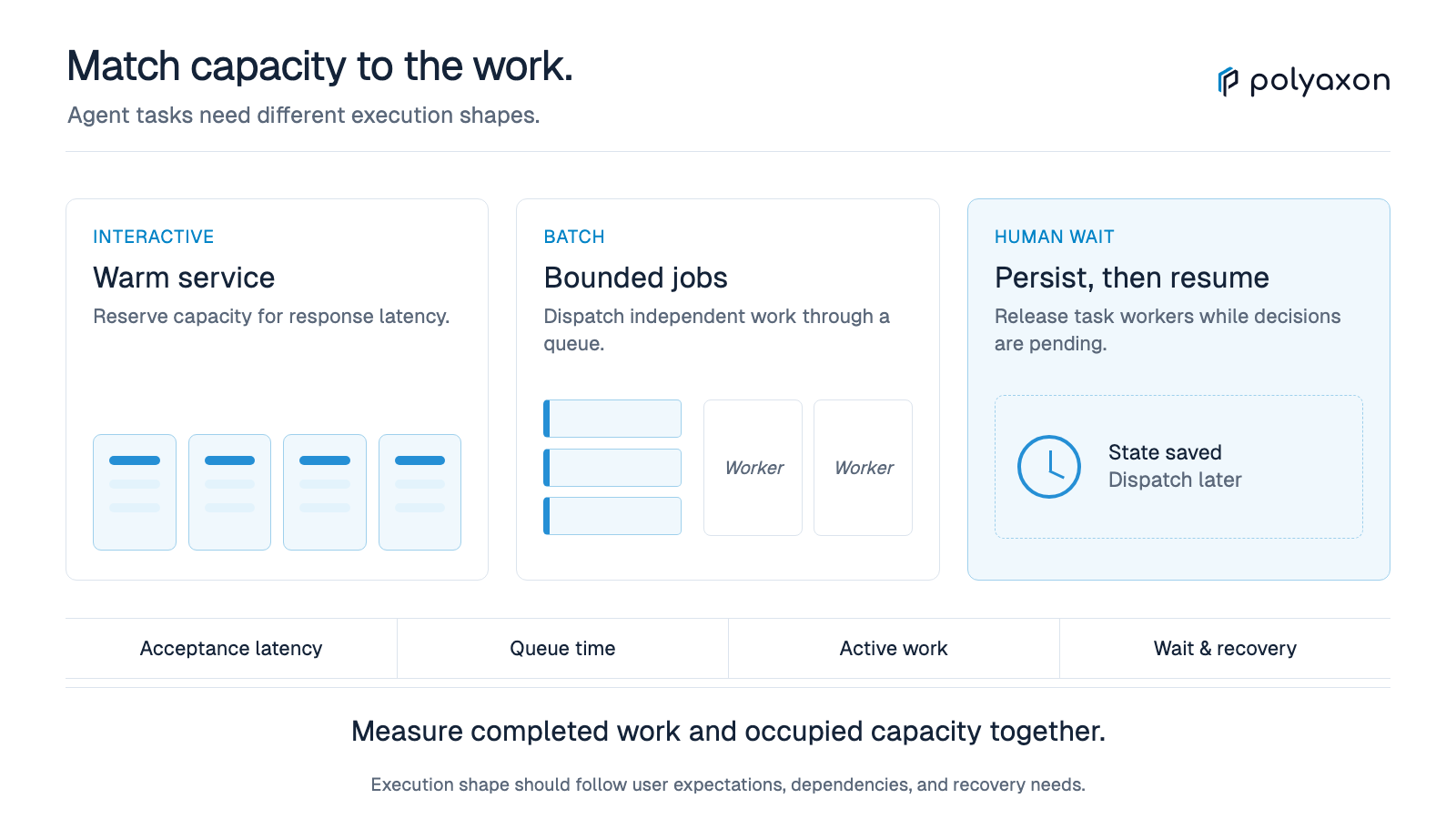
Choose jobs, services, queues, and capacity controls for agent workloads using task duration, dependency limits, resume latency, and execution cost.
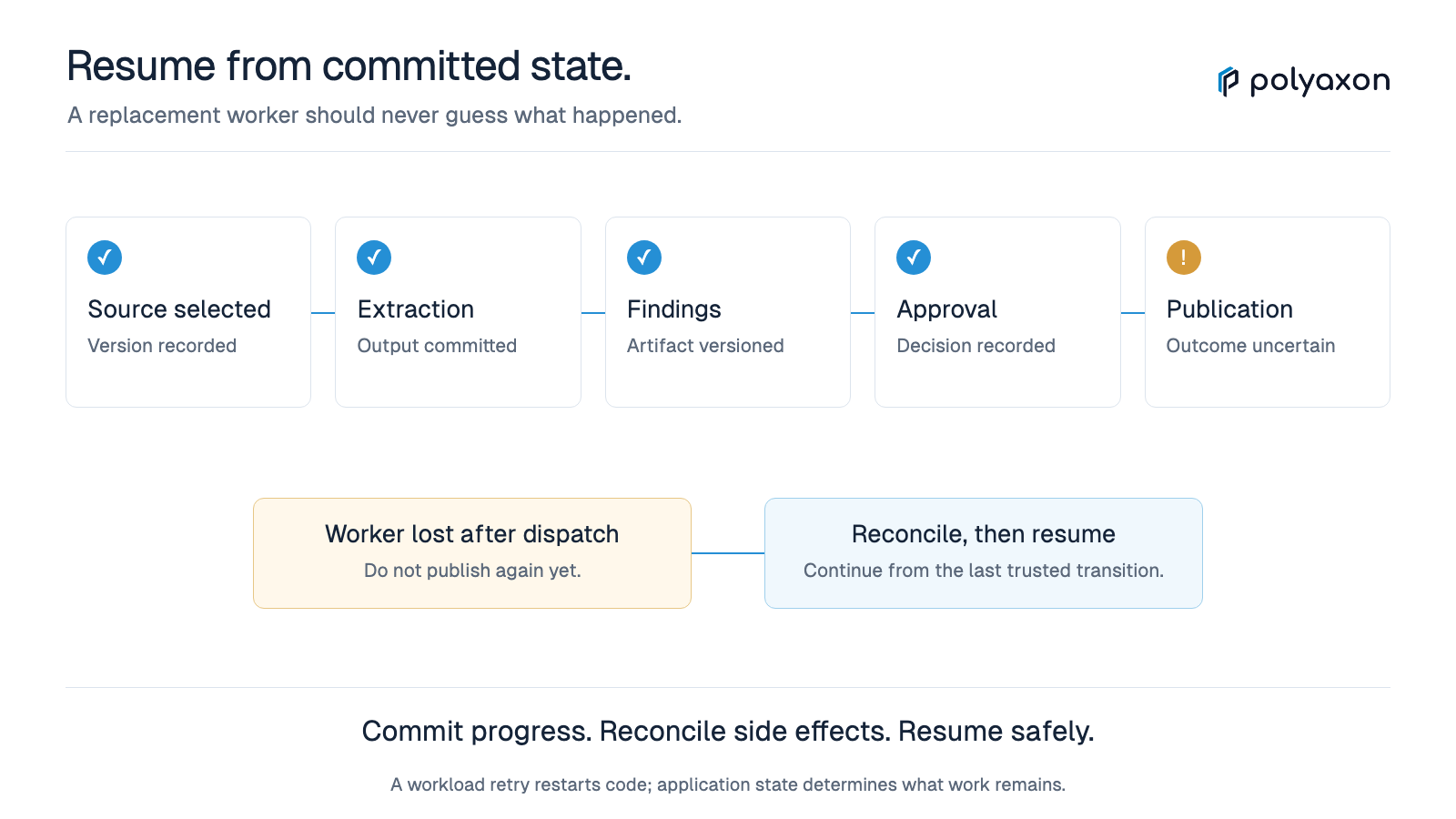
Build agent recovery around committed checkpoints, versioned inputs, safe side effects, and approval state so interrupted tasks can continue reliably.
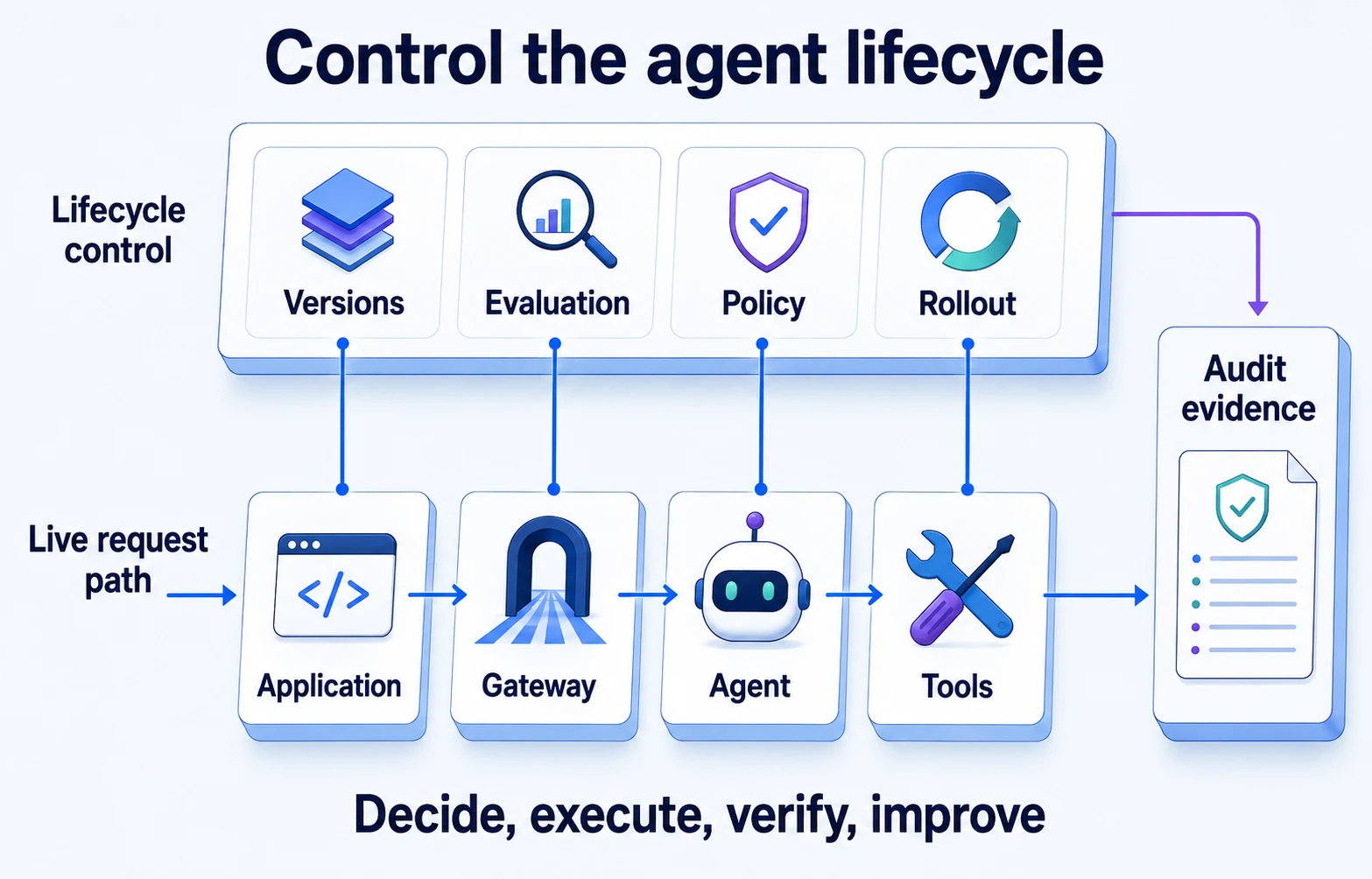
Separate live agent requests from versioning, evaluation, policy, rollout, identity, evidence, and recovery across the application lifecycle.
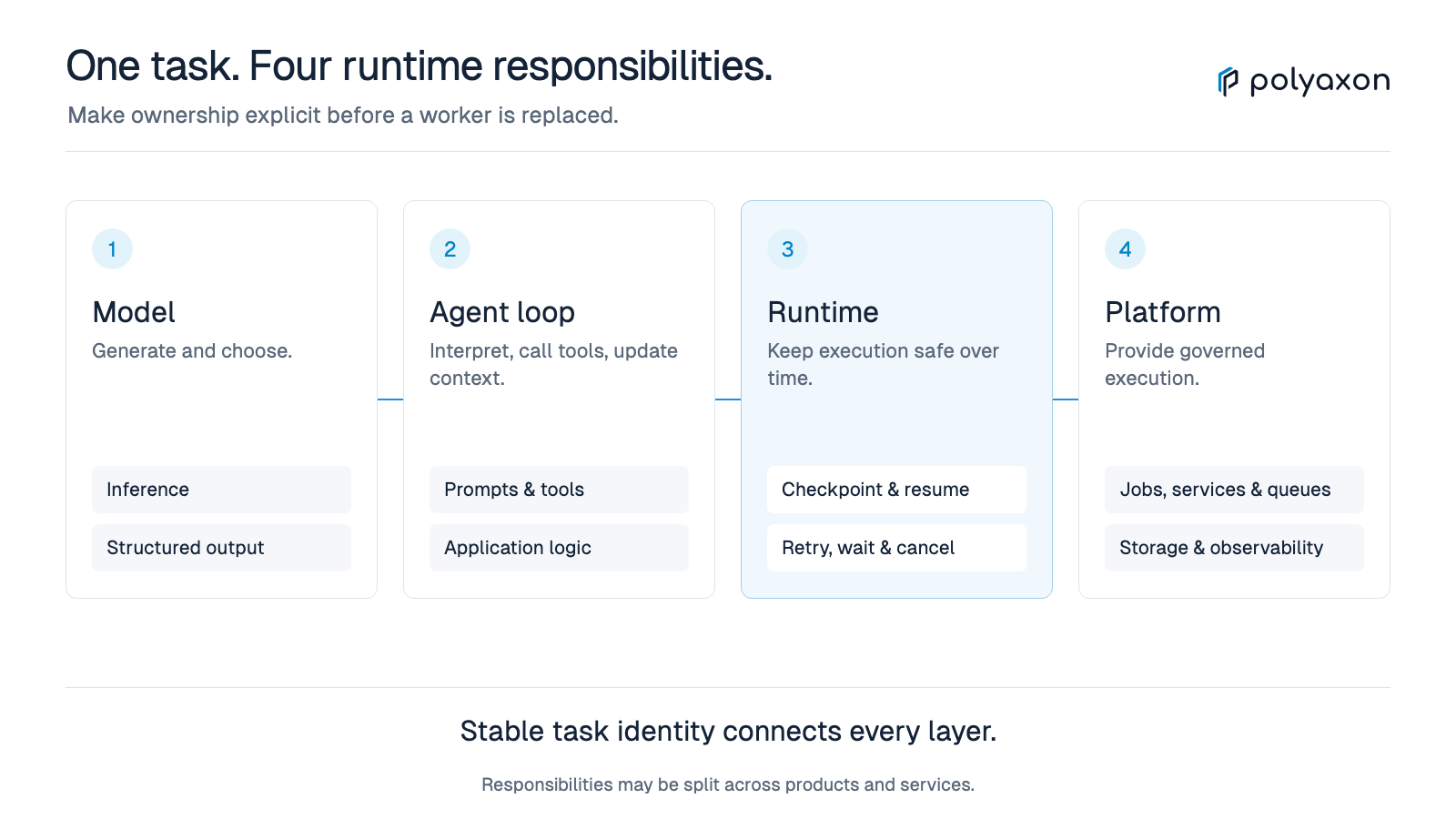
Design agent execution around durable state, safe tool retries, approval waits, and recovery, with clear responsibilities for Polyaxon and your agent framework.
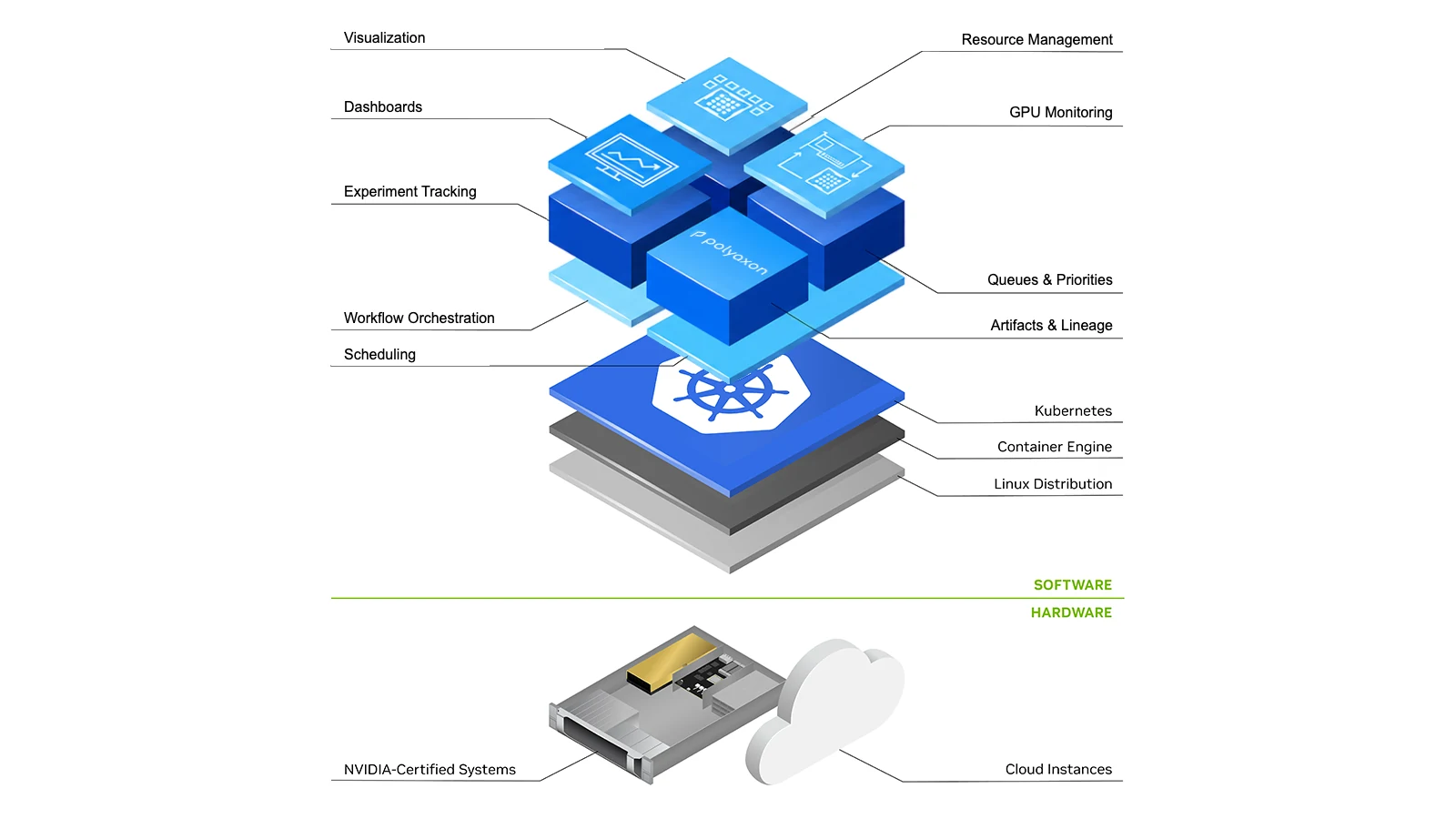
Understand how GPU orchestration connects workflows, queues, resource placement, and recovery across shared ML infrastructure.
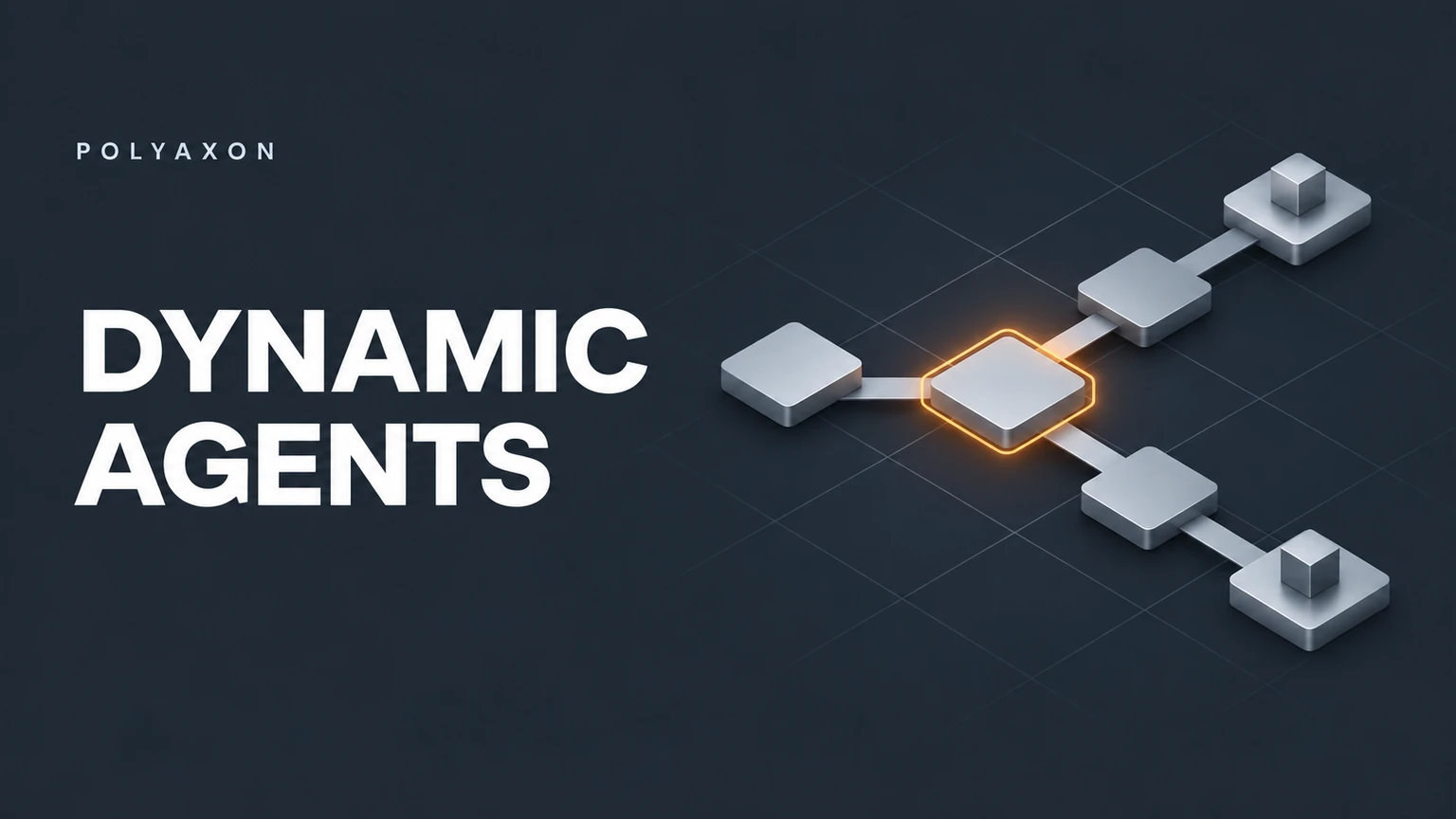
Operate dynamic AI agent plans with Polyaxon execution, explicit policy checks, cumulative budgets, durable request state, and independent evaluation.
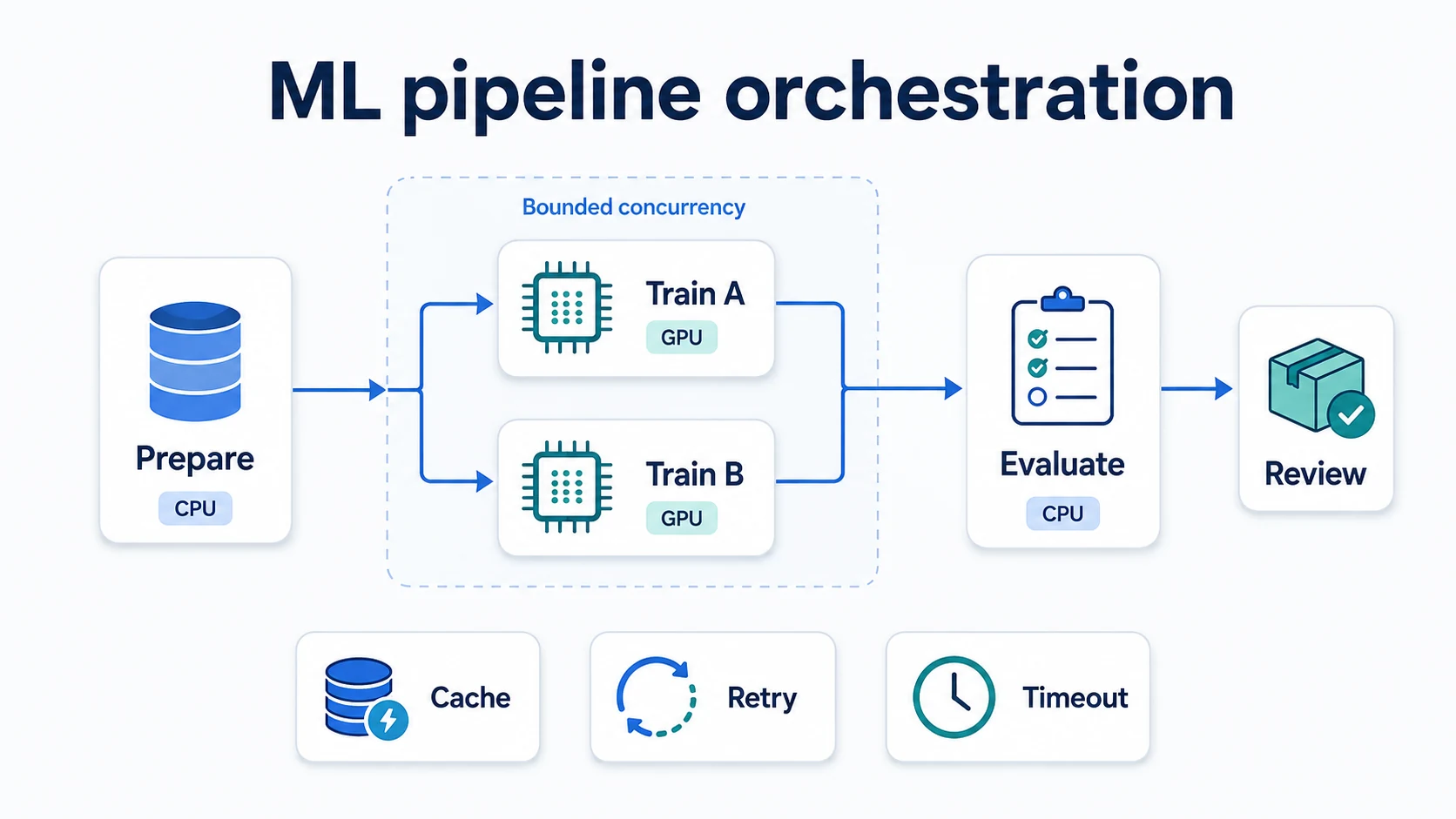
Design ML pipelines with explicit dependencies, resource placement, safe caching, bounded retries, and complete evaluation evidence in Polyaxon.
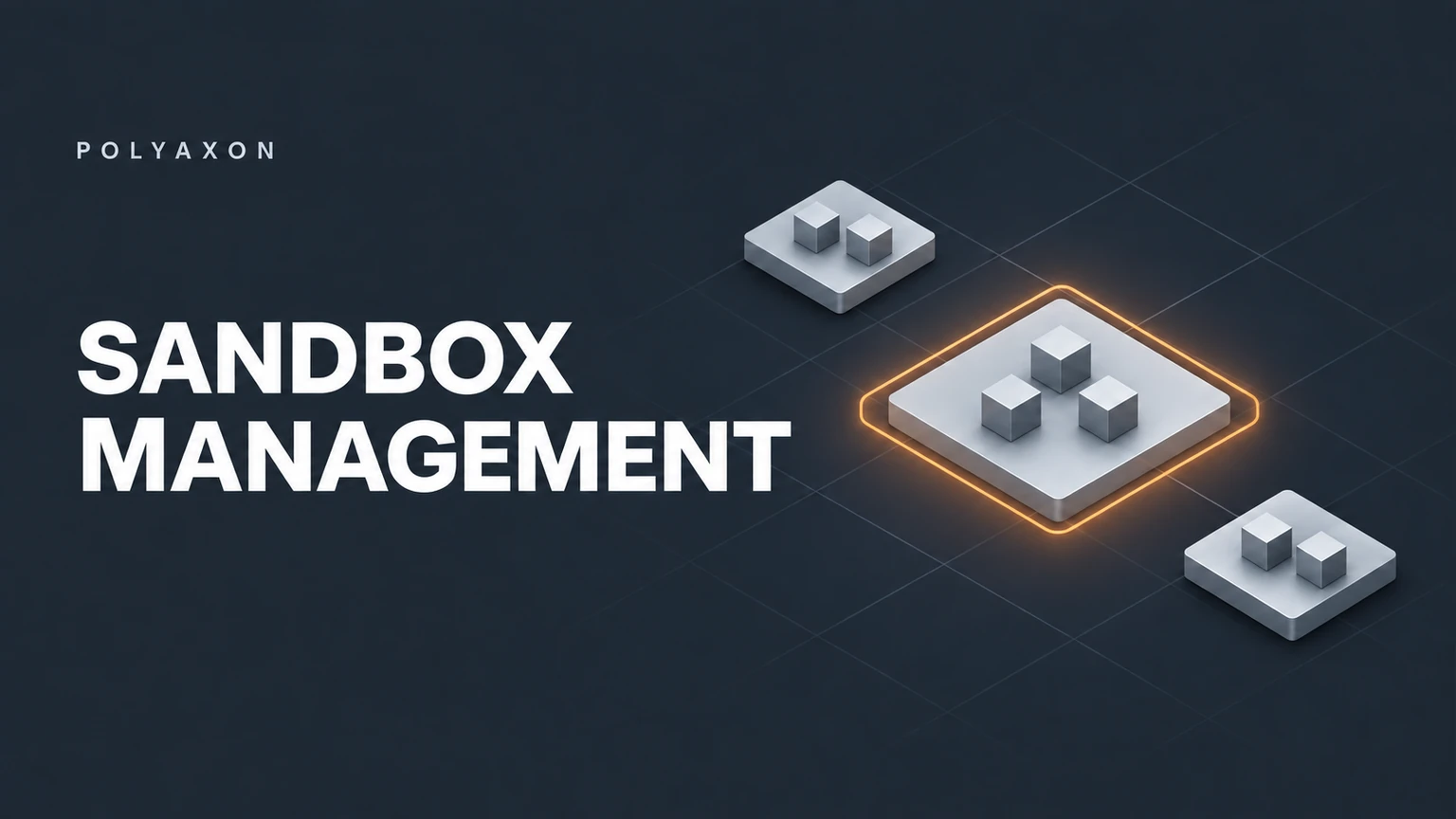
Manage Polyaxon sandbox-enabled services from versioned environment templates through readiness checks, process execution, file persistence, and resource cleanup.
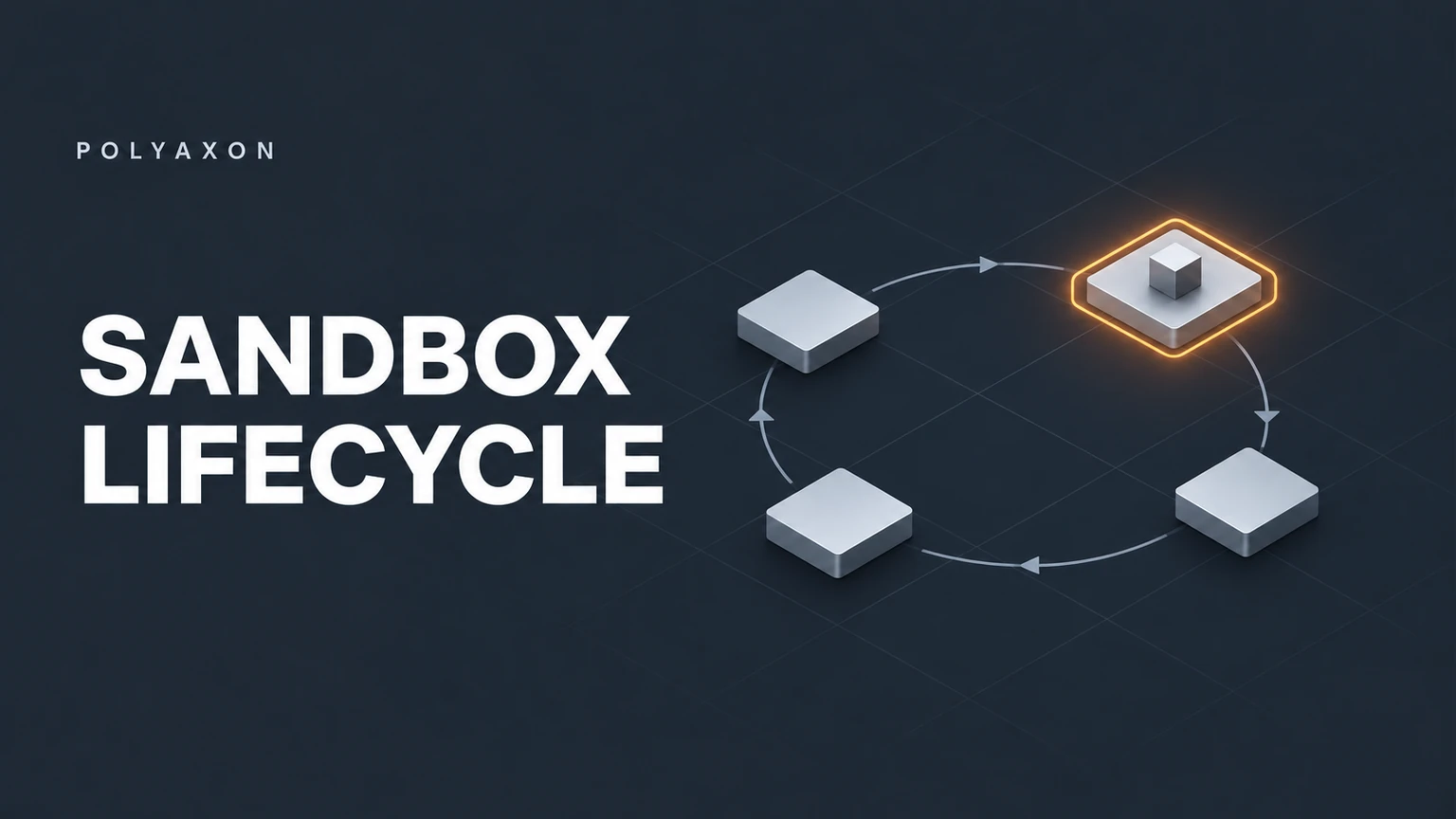
Create a Polyaxon sandbox service, wait for readiness, track command execution, preserve outputs, configure timeouts and culling, and stop resources when work finishes.
Use Polyaxon jobs, sandbox-enabled services, schedules, and tracking to match agent tasks to their execution, persistence, and capacity requirements.
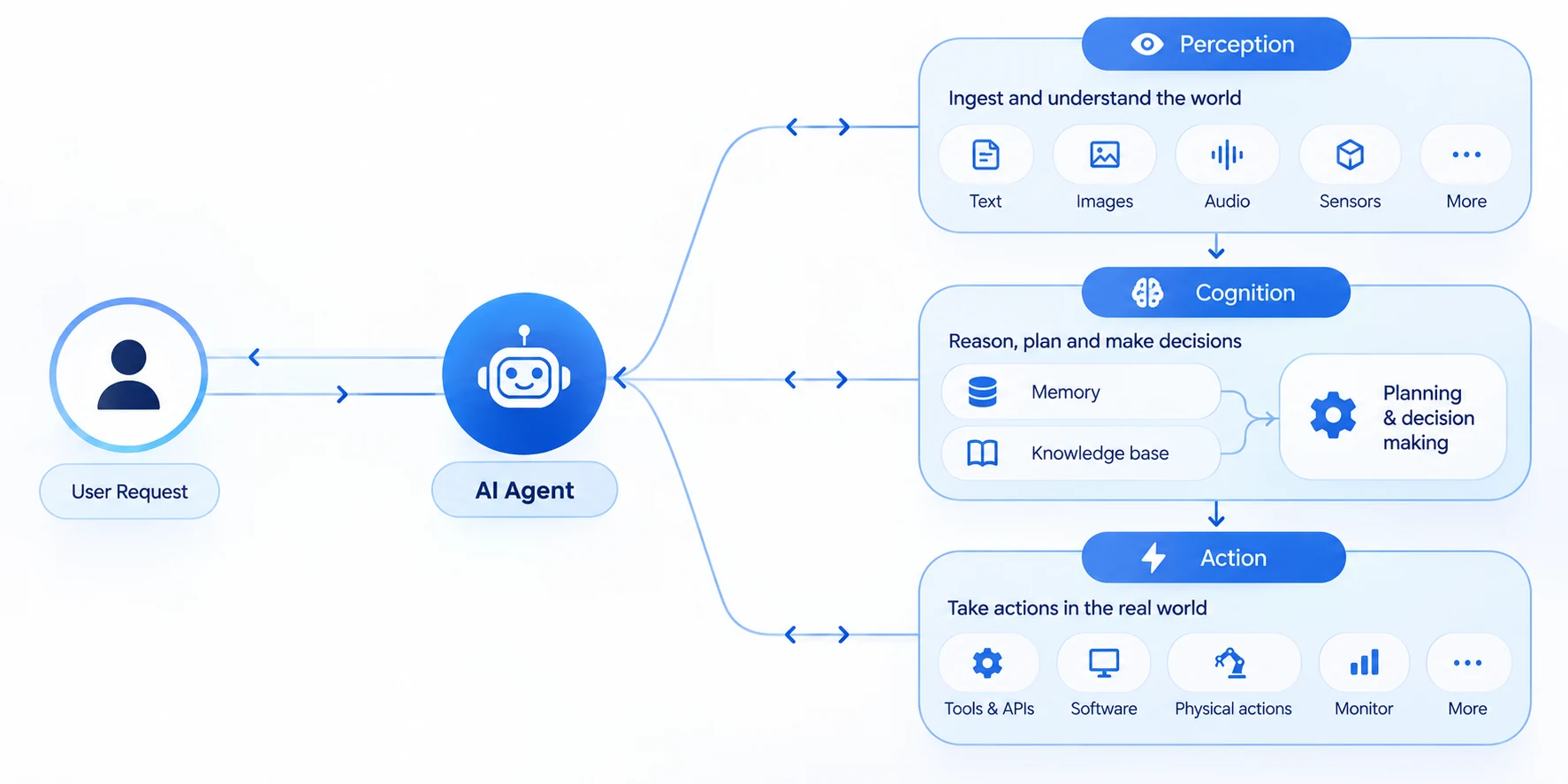
Map agent architectures to Polyaxon jobs, services, and DAGs, with concrete workload configuration and a repeatable architecture-comparison workflow.
Map LLM agent reasoning, tools, execution, evaluation, and release workflows to Polyaxon services, sandboxes, jobs, components, and DAGs.
Choose between one Kubernetes cluster and multiple clusters using isolation, failure domains, data locality, accelerator access, operations, and cost.