Kubernetes multi-tenancy for ML platforms
Design identity, isolation, quotas, queues, networking, storage, and observability for multiple ML teams sharing Kubernetes infrastructure.
KubernetesSchedulingGuides
Page 2 of 2
Design identity, isolation, quotas, queues, networking, storage, and observability for multiple ML teams sharing Kubernetes infrastructure.
Schedule repeatable Kubernetes jobs with explicit time zones, concurrency, deadlines, history limits, idempotency, and observable outcomes.
Understand node components, conditions, capacity, labels, taints, failure behavior, and lifecycle management for Kubernetes ML clusters.
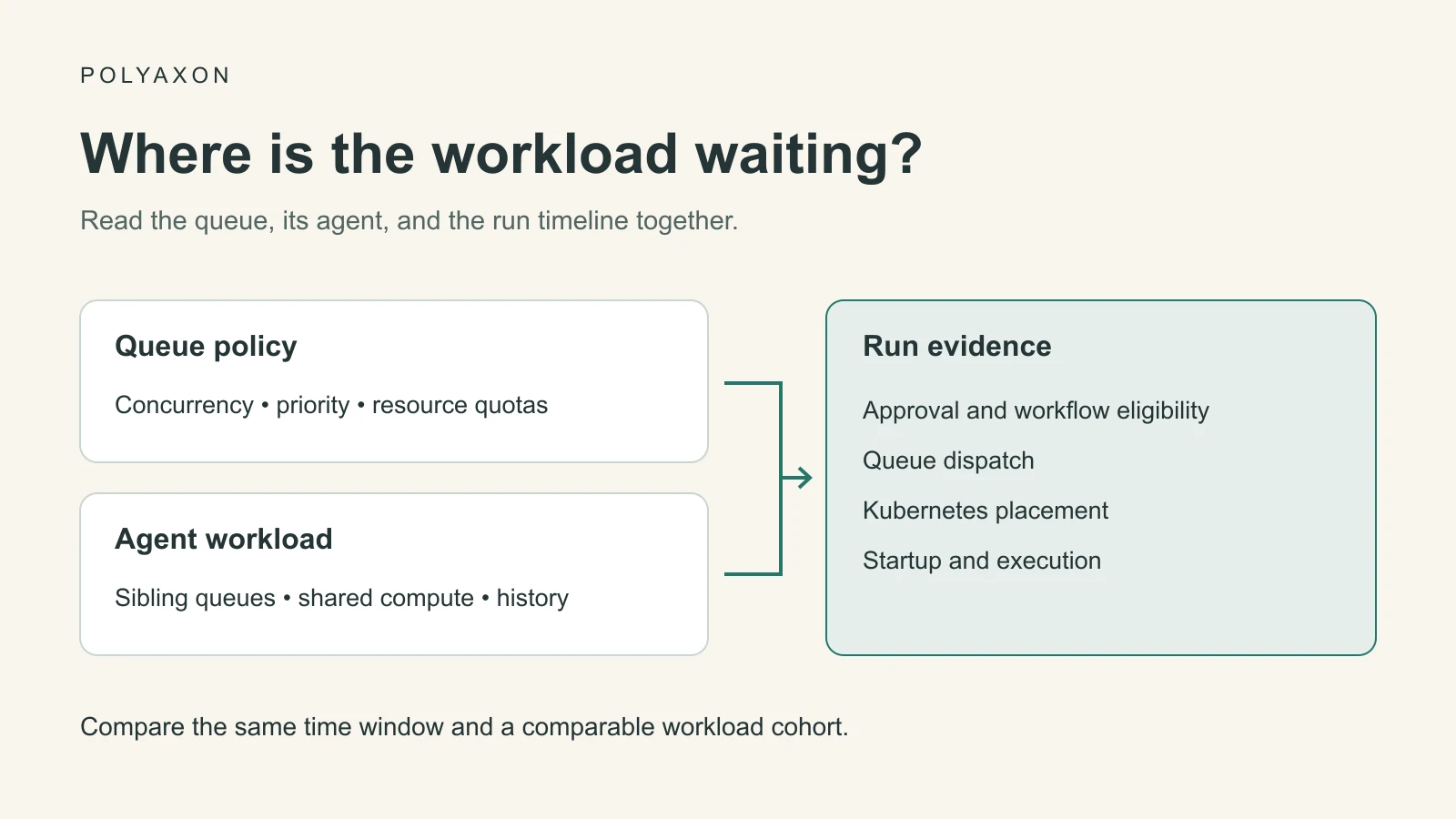
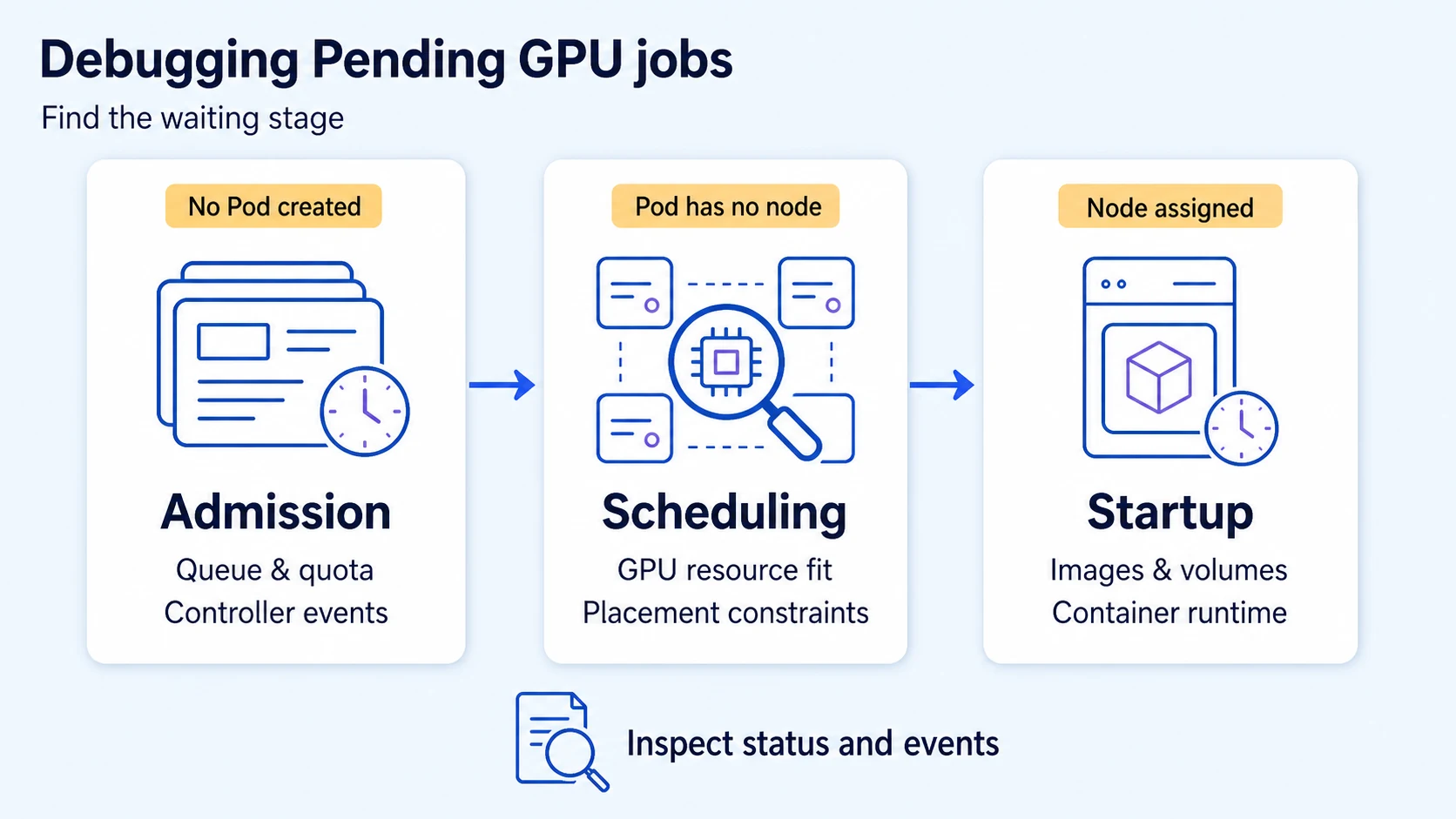
Use Polyaxon queue and agent statistics with run timelines to distinguish policy limits, workload changes, and Kubernetes placement problems before adding capacity.
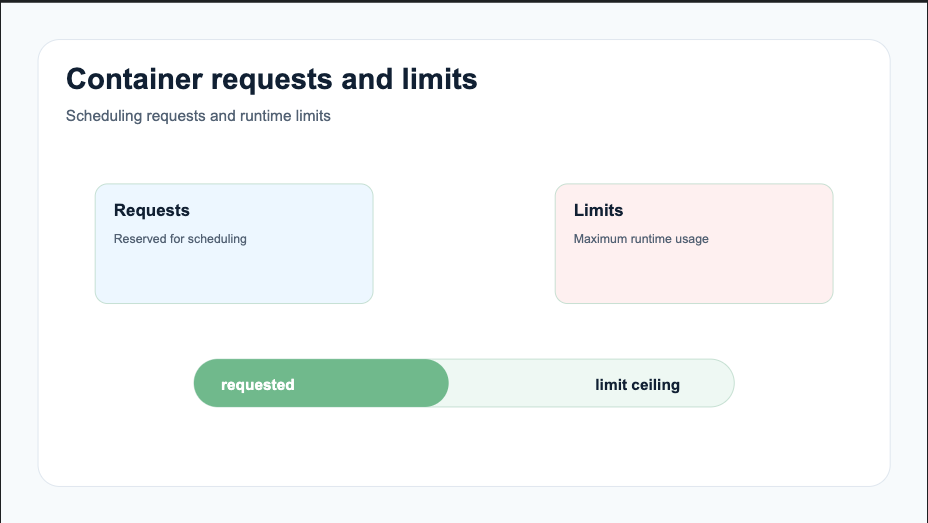
Set CPU, memory, ephemeral-storage, and GPU resources from measured ML workload behavior while preserving scheduling efficiency and reliability.
Distinguish node-pressure, API-initiated, preemption, and node-failure disruptions, then design ML workloads to recover safely.
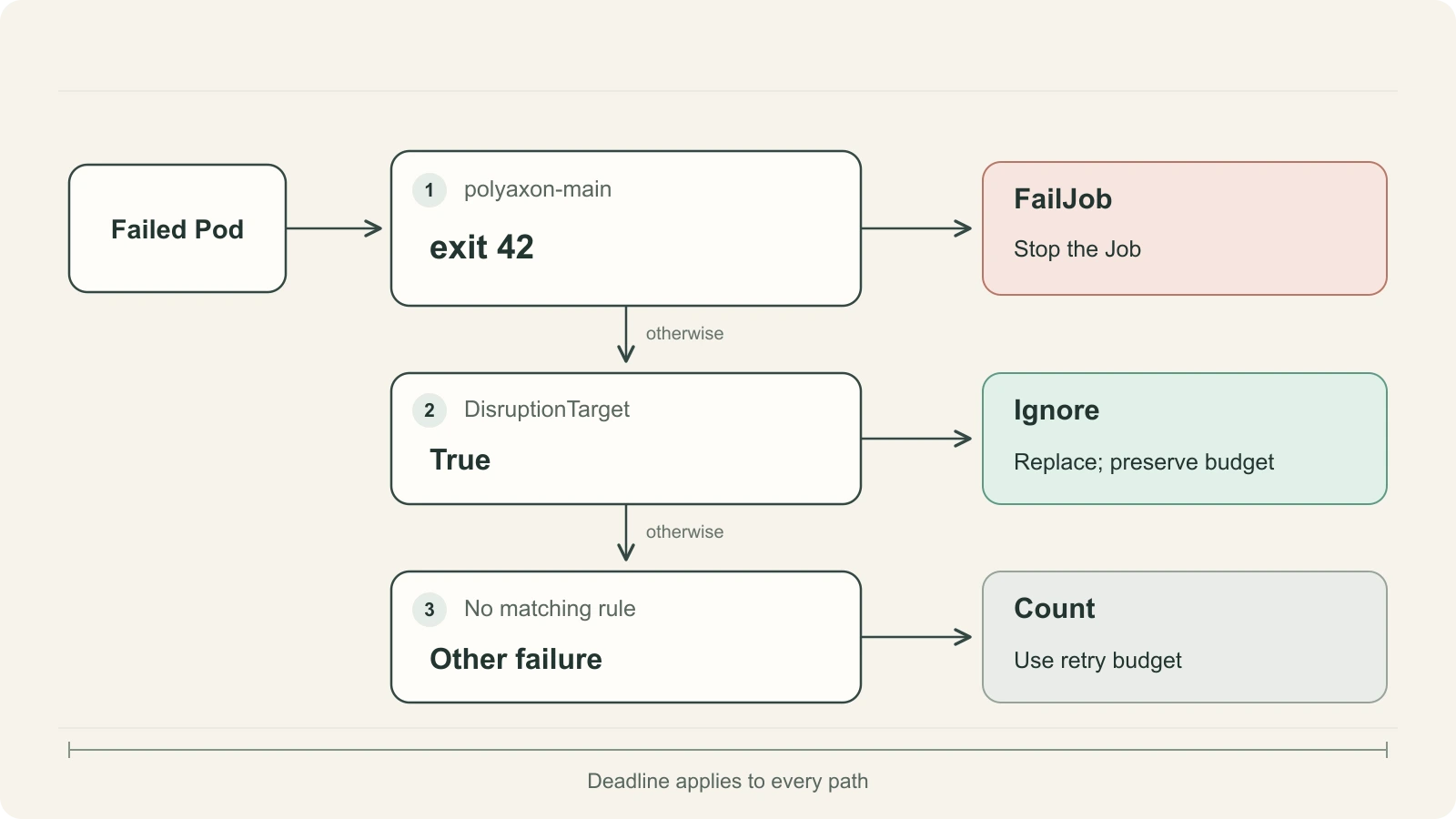
Use ordered Pod failure rules to stop permanent application errors, preserve the retry budget for marked disruptions, and bound replacement attempts.