
Choose a code execution API for AI workflows
Compare code execution API shapes and implement clear request, result, cancellation, and artifact contracts for Polyaxon agent workflows.
AI AgentsAPISandboxes
Practical guides to building, running, and improving ML and AI in production.
Page 10 of 21
Compare code execution API shapes and implement clear request, result, cancellation, and artifact contracts for Polyaxon agent workflows.
Understand how CRI runtimes, OCI images, low-level runtimes, RuntimeClass, and GPU integrations affect Kubernetes ML workloads.
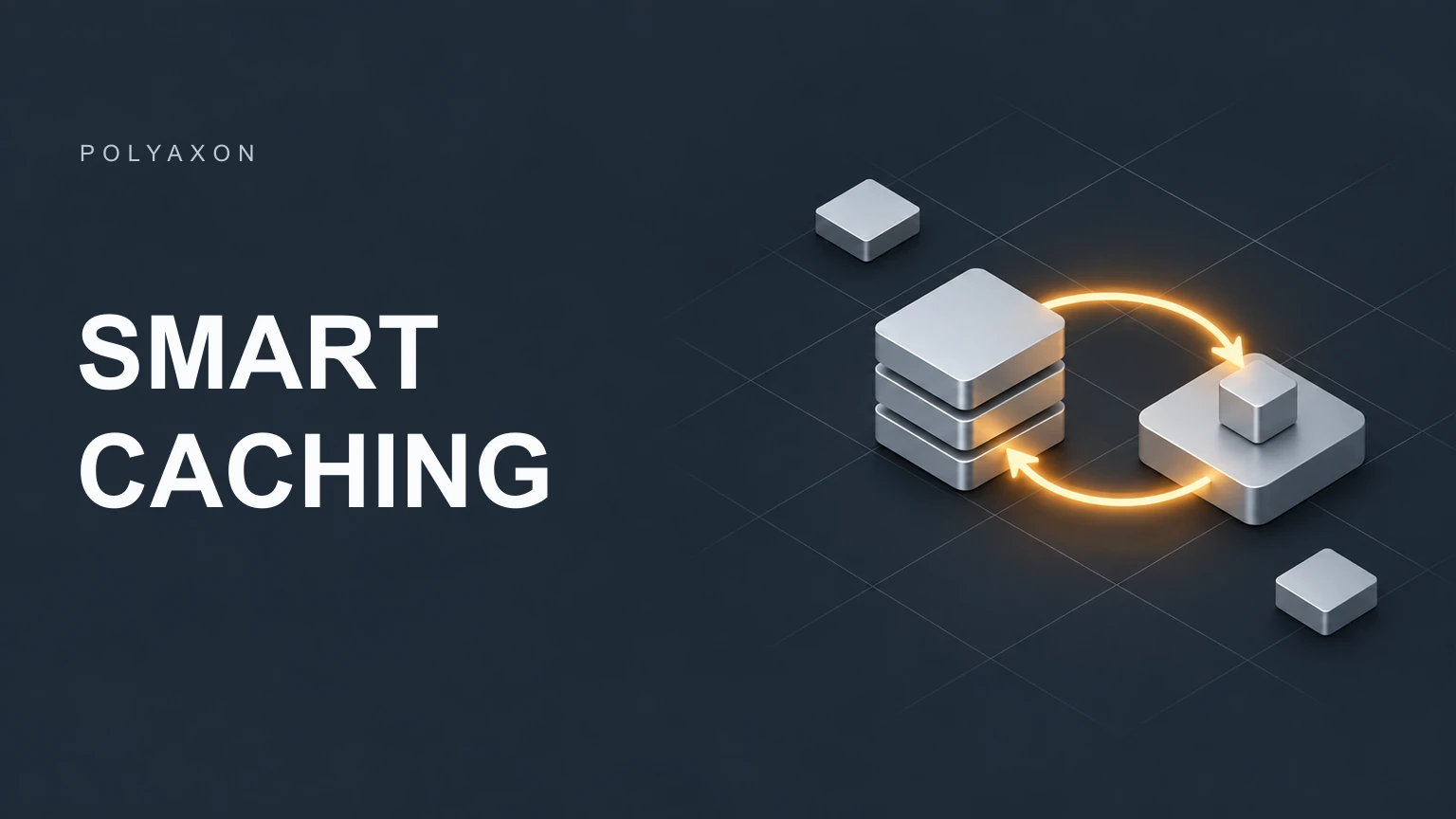
Cache deterministic Polyaxon preparation steps while forcing fresh LLM evaluations, using explicit dependency identities and separate cache policies.
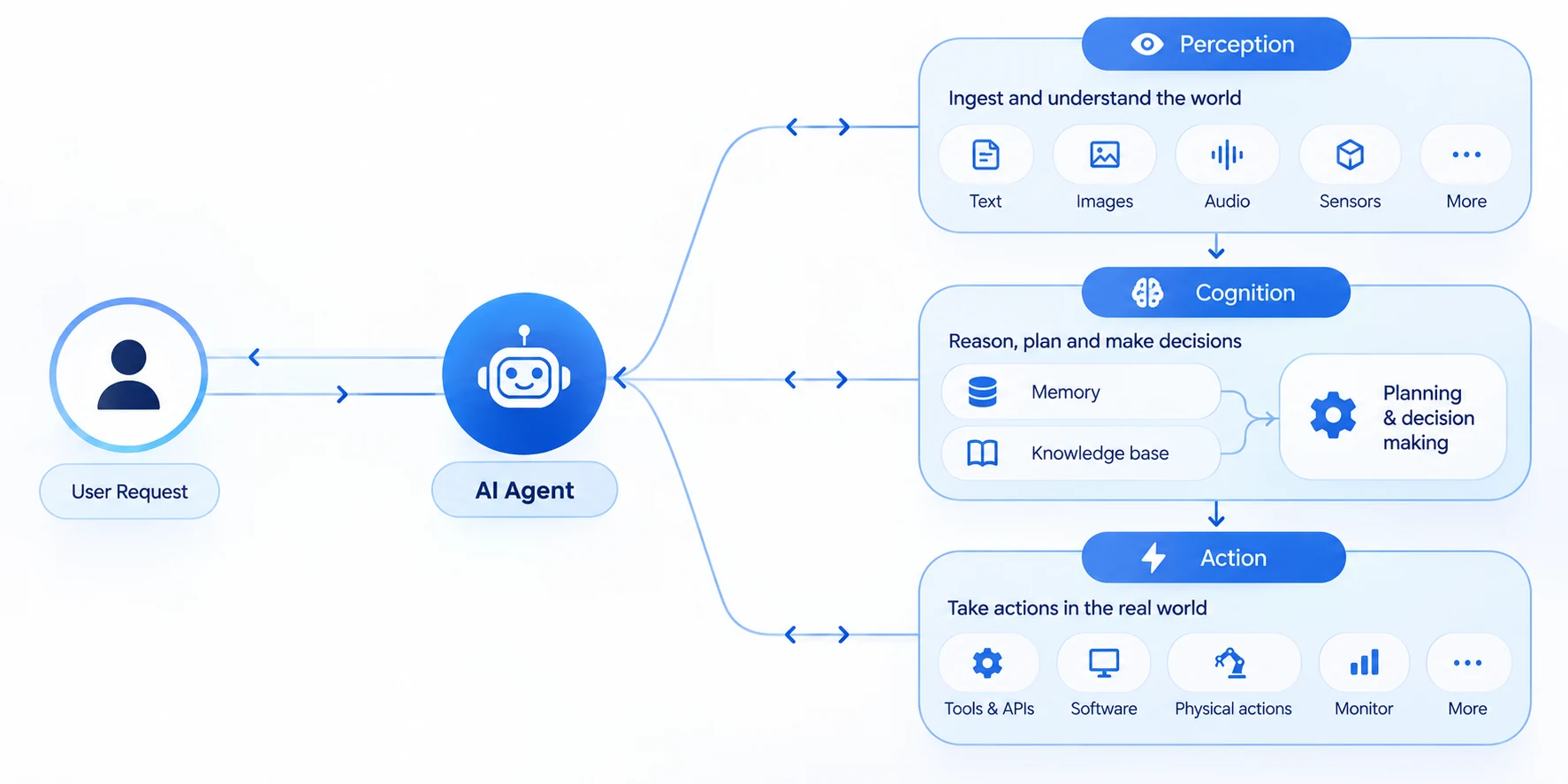
Map agent architectures to Polyaxon jobs, services, and DAGs, with concrete workload configuration and a repeatable architecture-comparison workflow.
Use PostStart and PreStop hooks without confusing them with initialization, readiness, durable events, or application-level shutdown handling.

Choose compute platforms for AI agent jobs by execution shape, state, resource needs, and operational responsibility, using Polyaxon as the workload context.
Diagnose Kubernetes Pod sandbox failures by narrowing the problem to CNI networking, IP allocation, the container runtime, or node health.
Follow an ML workload through the API server, scheduler, controllers, kubelet, runtime, networking, storage, and platform add-ons.
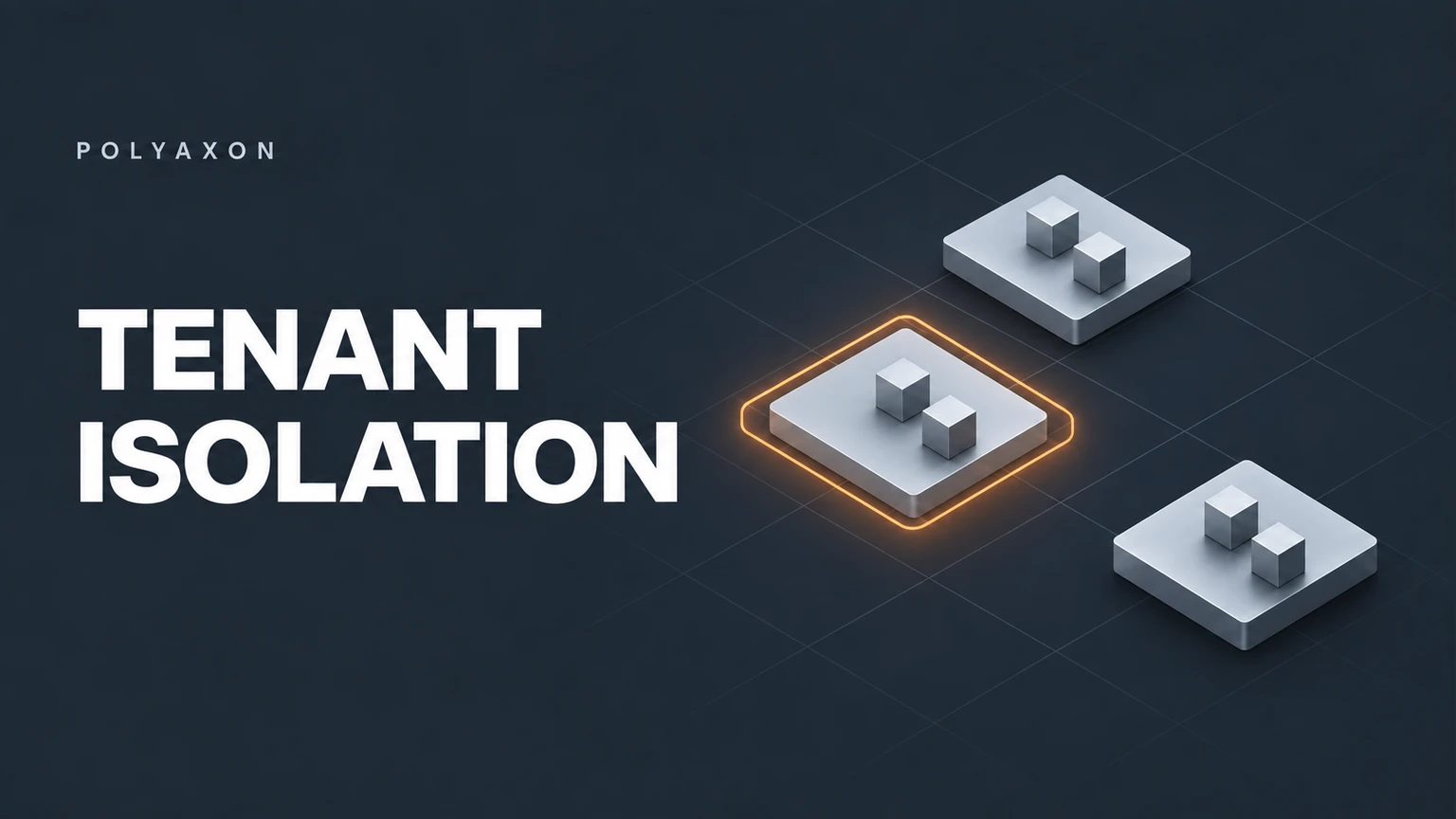
Connect Polyaxon projects, access controls, compute queues, workload identities, and connection catalogs into a practical tenant isolation design.

Benchmark coding-agent sandboxes with controlled workloads, reproducible Polyaxon runs, latency distributions, recovery scenarios, and quality-adjusted results.
Design identity, isolation, quotas, queues, networking, storage, and observability for multiple ML teams sharing Kubernetes infrastructure.
Use Polyaxon scheduling presets, workload identities, isolated compute, and run lineage to reduce and investigate container escape risk in AI execution.

Package a browser runner as a Polyaxon service, execute reviewed cases through SandboxClient, retrieve screenshots and reports, and compare agent behavior across releases.

Use Polyaxon runs, versioned components, grid searches, case artifacts, and comparison views to qualify zero-shot prompts for production ML workflows.
Debug Kubernetes containers that terminate with exit code 1 by checking logs, commands, arguments, resources, and pod recreation behavior.
Design Polyaxon agent execution around bounded runs, scoped connections, workload identities, controlled compute environments, and recorded runtime evidence.
Evaluate AI sandbox platforms using explicit security acceptance criteria, and map Polyaxon capabilities to application and Kubernetes controls.
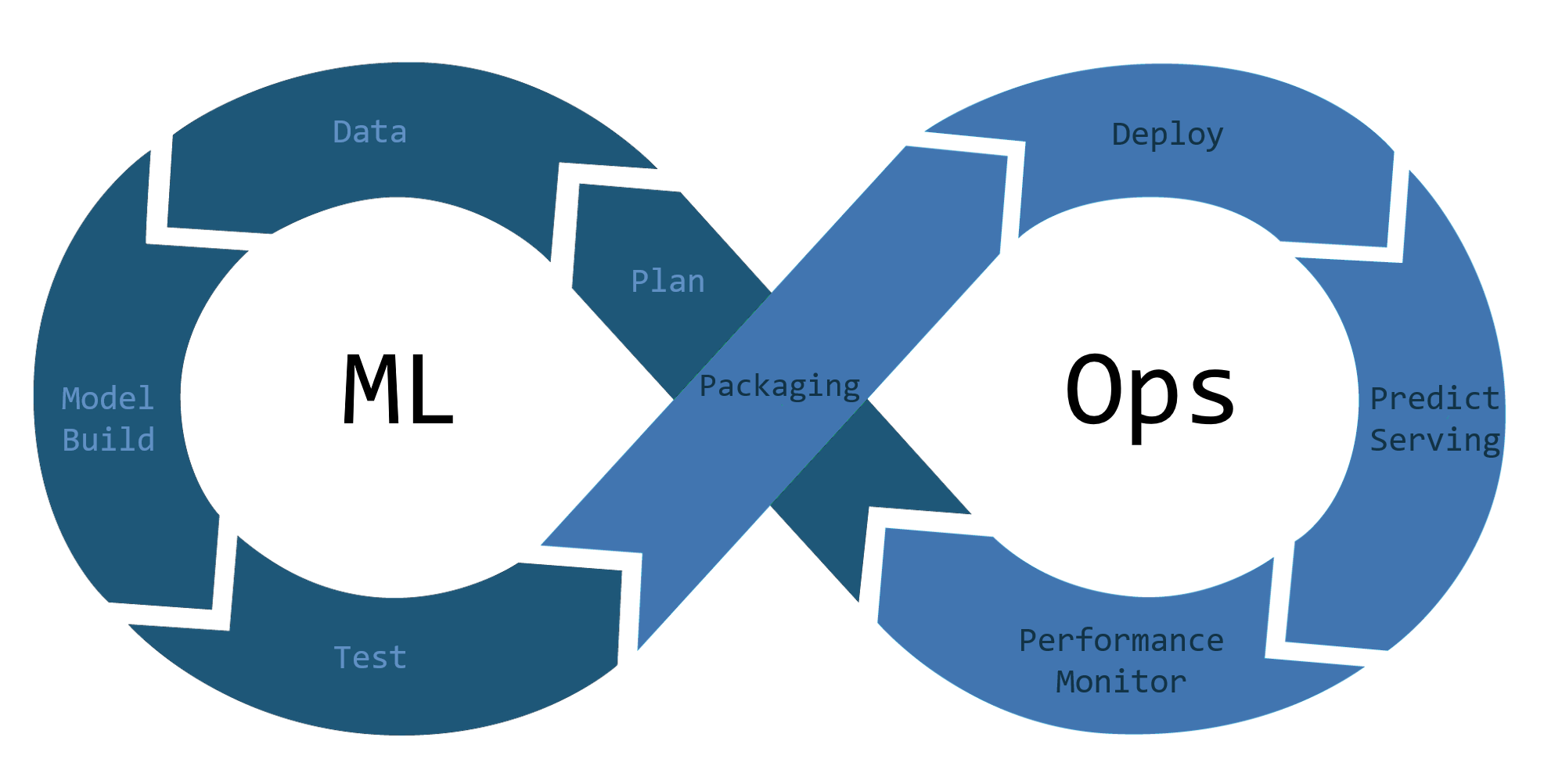
ML observability connects logs, metrics, artifacts, infrastructure signals, and model behavior so teams can debug training and serving systems.
Use Polyaxon services, sandbox access, queues, presets, connections, and artifact workflows to configure repeatable AI development and execution environments.
Choose appropriate lifetimes for agent process memory, sandbox files, persistent volumes, artifacts, and application state in Polyaxon.
Use native sidecar containers for tightly coupled helpers while keeping startup, shutdown, resources, security, and data ownership explicit.
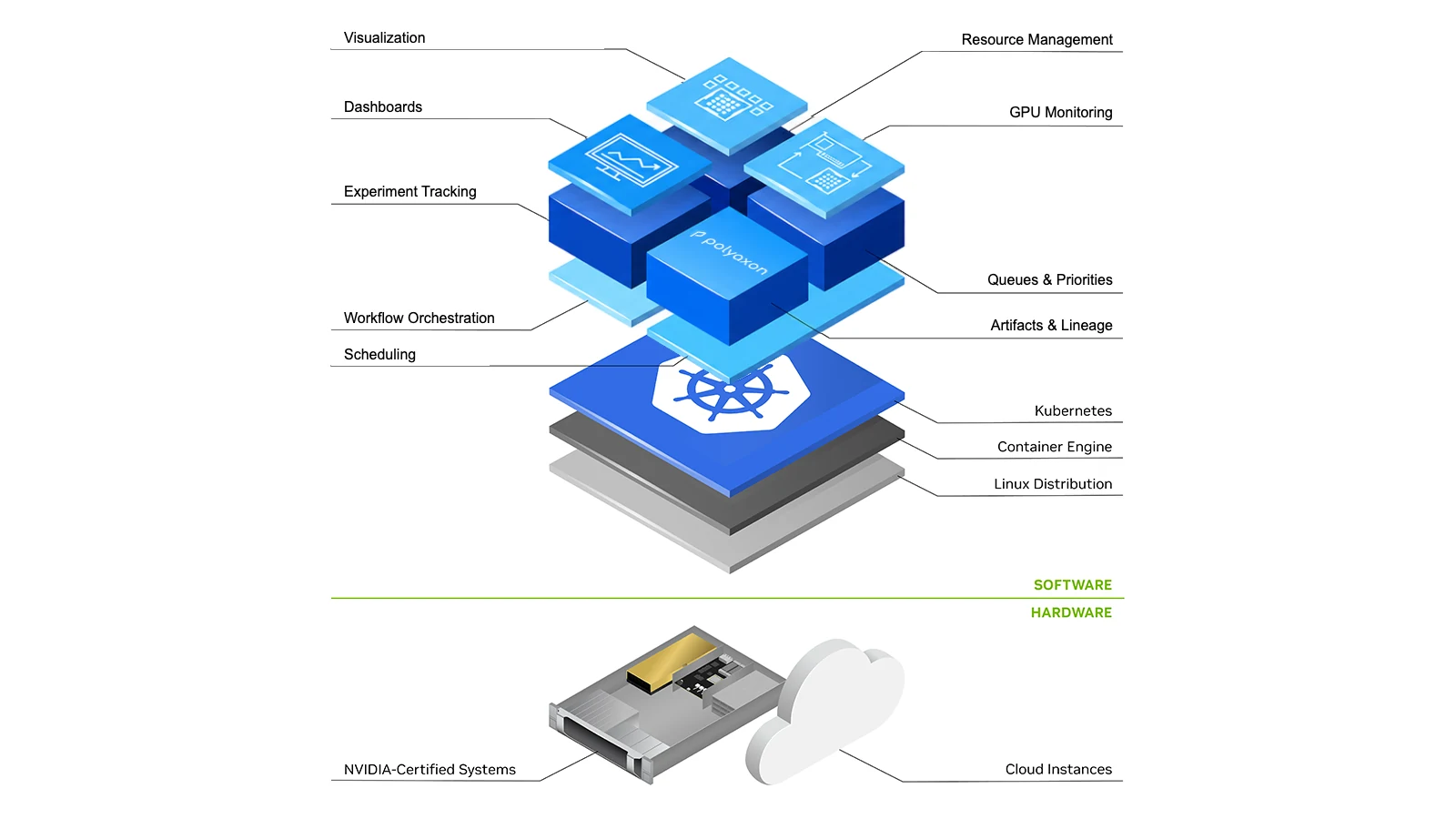
Make AI platforms ready for new accelerator generations through portable workload contracts, device-aware scheduling, topology, storage, compatibility, and migration evidence.
Monitor Kubernetes object state for ML workloads while separating desired state, resource usage, application outcomes, and high-cardinality metadata.

Structure Polyaxon agent systems around separate planning, execution, and evaluation contracts with explicit state and promotion decisions.