
Separate agent planning, execution, and evaluation
Structure Polyaxon agent systems around separate planning, execution, and evaluation contracts with explicit state and promotion decisions.
AI AgentsArchitectureWorkflows
Practical guides to building, running, and improving ML and AI in production.
Page 11 of 21
Structure Polyaxon agent systems around separate planning, execution, and evaluation contracts with explicit state and promotion decisions.
Design Kubernetes audit policy, collection, retention, and investigation workflows for shared ML clusters without recording sensitive payloads by default.
Correlate Polyaxon run records with external runtime-security events to investigate agent workloads, preserve evidence, and coordinate containment.
Connect Django request outcomes, database and cache health, worker behavior, Kubernetes state, and release context in one monitoring strategy.
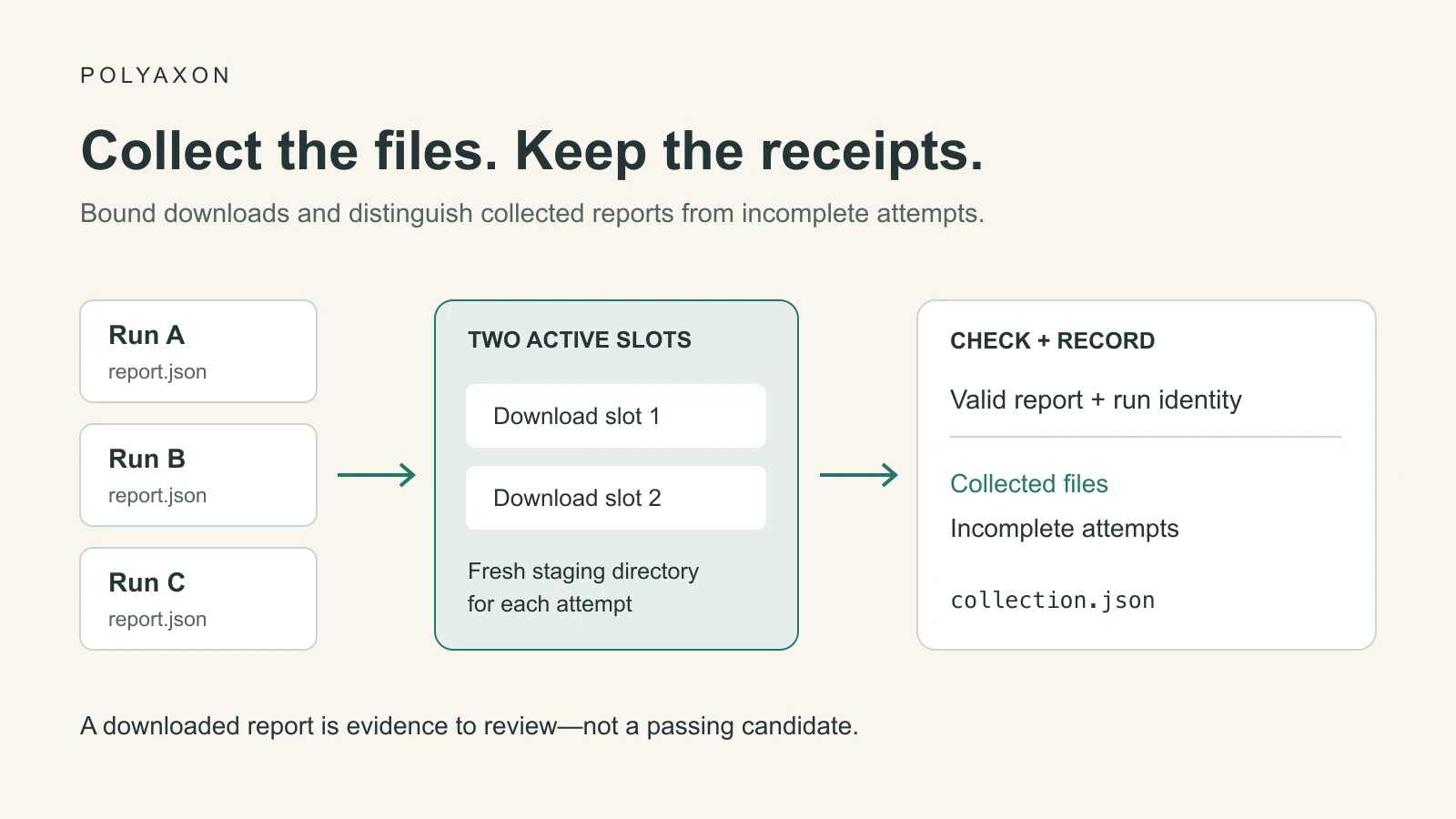
Collect reports from several Polyaxon runs with bounded async downloads, fresh staging directories, content checks, and a receipt for every transfer.
Use Polyaxon failure and metric early-stopping rules to bound agent evaluation sweeps while preserving complete evidence and avoiding premature quality decisions.
Design container logs for local Docker debugging and Kubernetes collection without losing run context, exhausting nodes, or exposing sensitive data.

Choose direct function tools or MCP adapters for Polyaxon agents based on reuse, authorization, lifecycle, and execution contracts.
Schedule repeatable Kubernetes jobs with explicit time zones, concurrency, deadlines, history limits, idempotency, and observable outcomes.
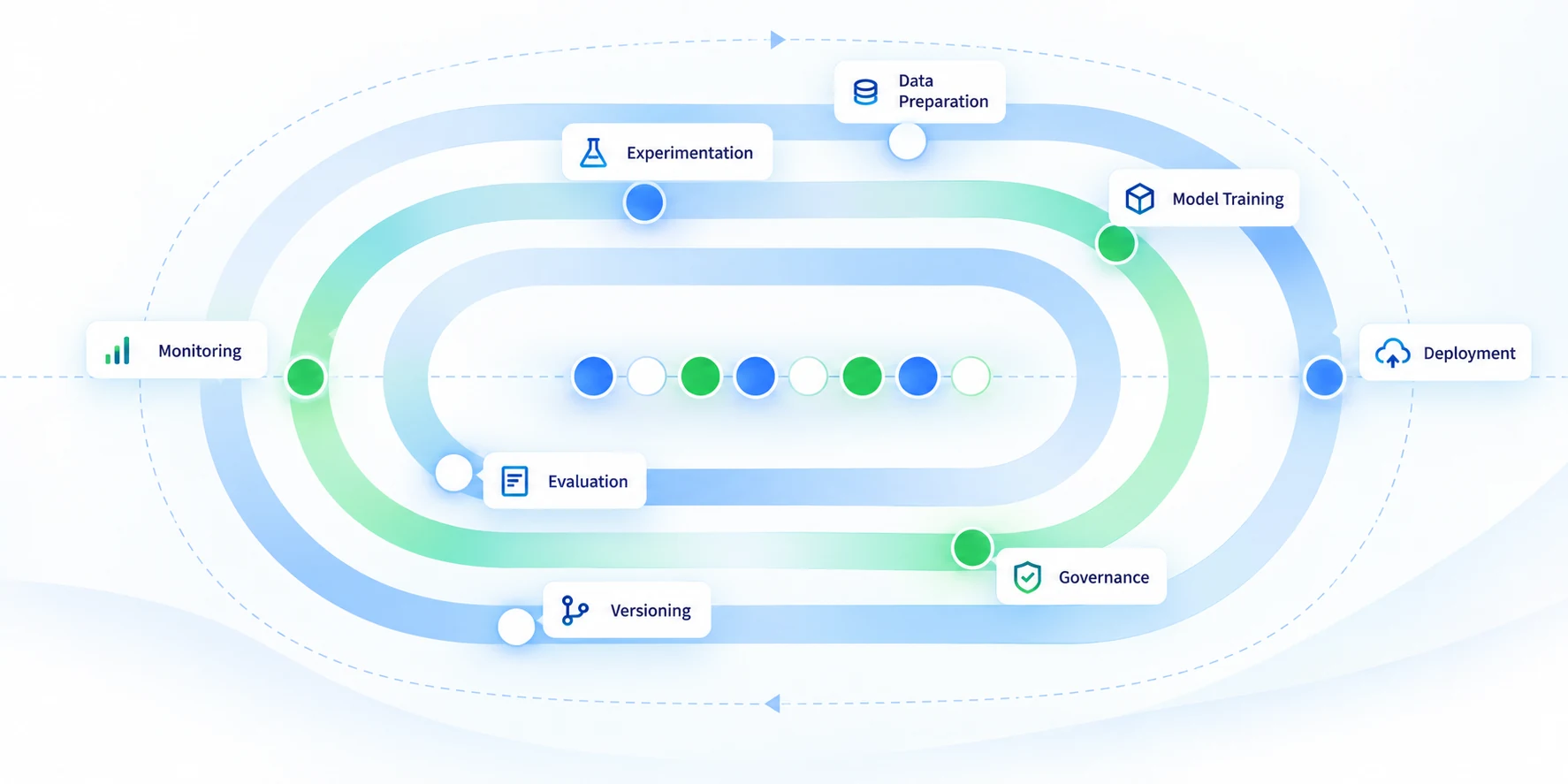
Configure Polyaxon workload credentials, service accounts, connections, and artifact handling while protecting LLM data across providers, caches, and evaluation.
Understand node components, conditions, capacity, labels, taints, failure behavior, and lifecycle management for Kubernetes ML clusters.
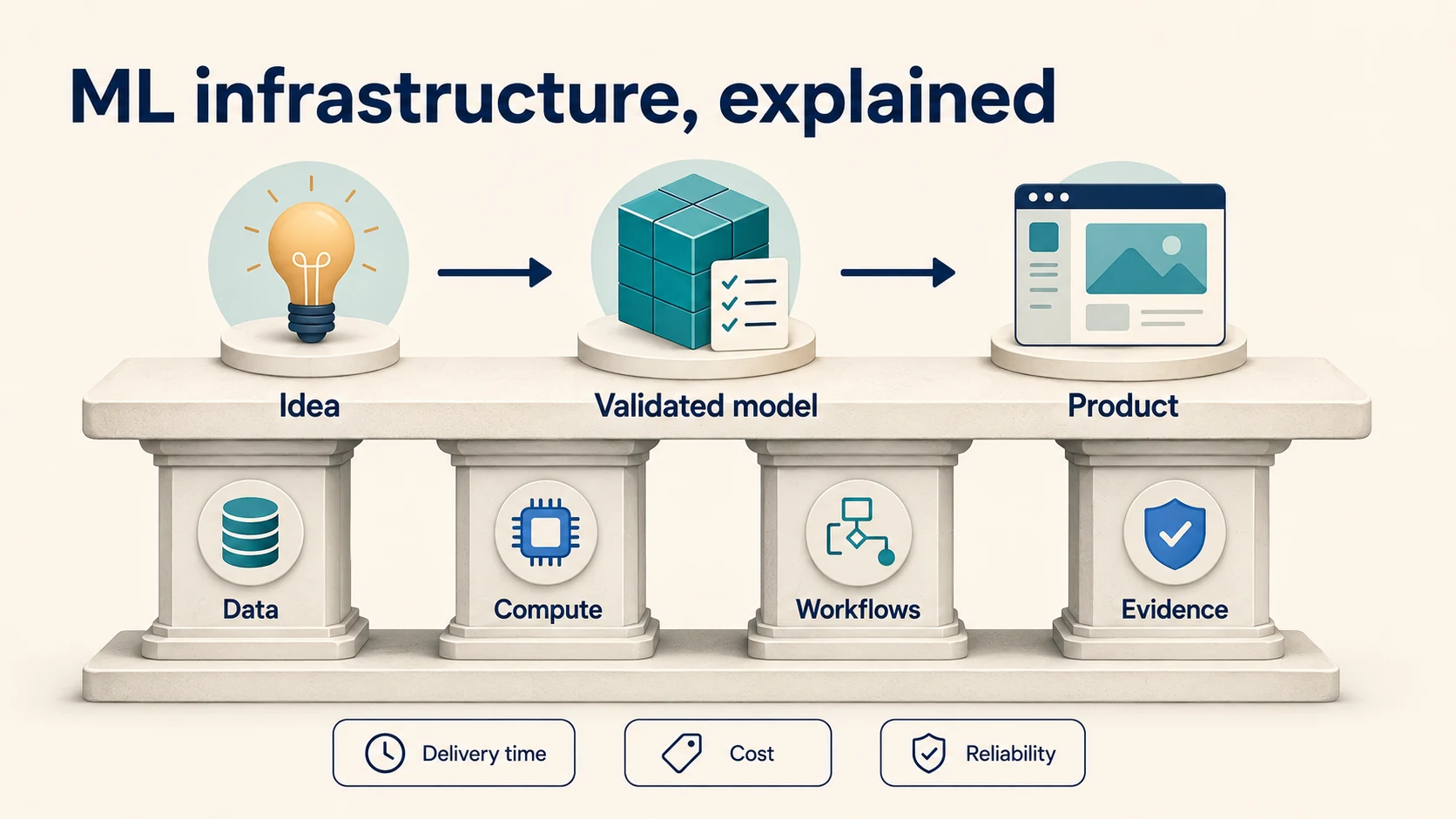
Diagnose AI platform bottlenecks across ownership, integration, delivery, infrastructure, feedback, and skills, then improve the highest-leverage constraint first.

Design application-owned MCP tools that submit and inspect Polyaxon workflows while preserving authorization, bounded inputs, and run-level evidence.
Choose PersistentVolumes, claims, StorageClasses, access modes, and reclaim policies for ML workspaces, caches, checkpoints, and services.
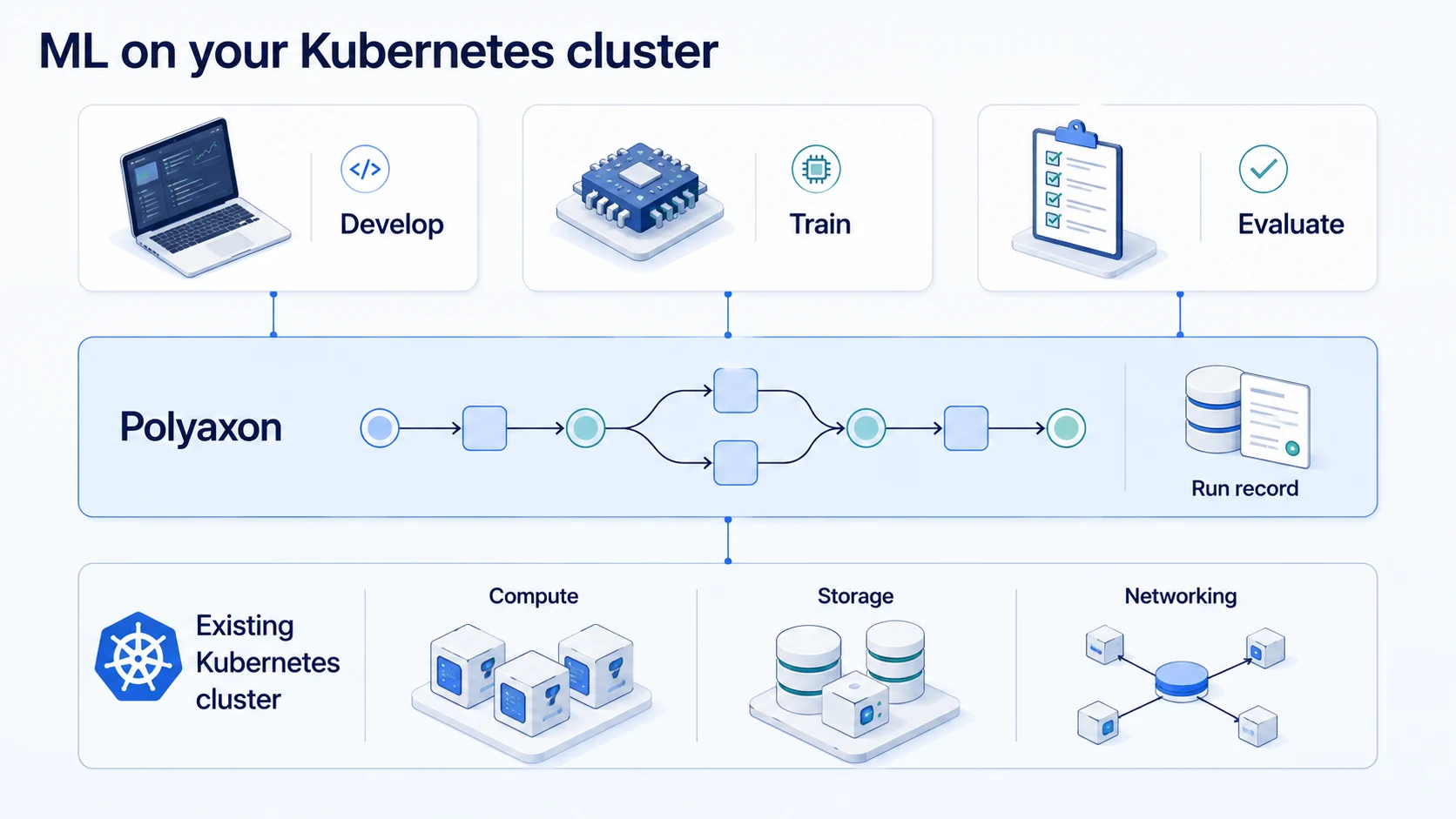
Evaluate managed Kubernetes services for ML using responsibility, GPUs, networking, storage, identity, observability, cost, and portability.
Distinguish confidential computing from workload isolation, and define how Polyaxon scheduling and evidence fit a trusted execution design.
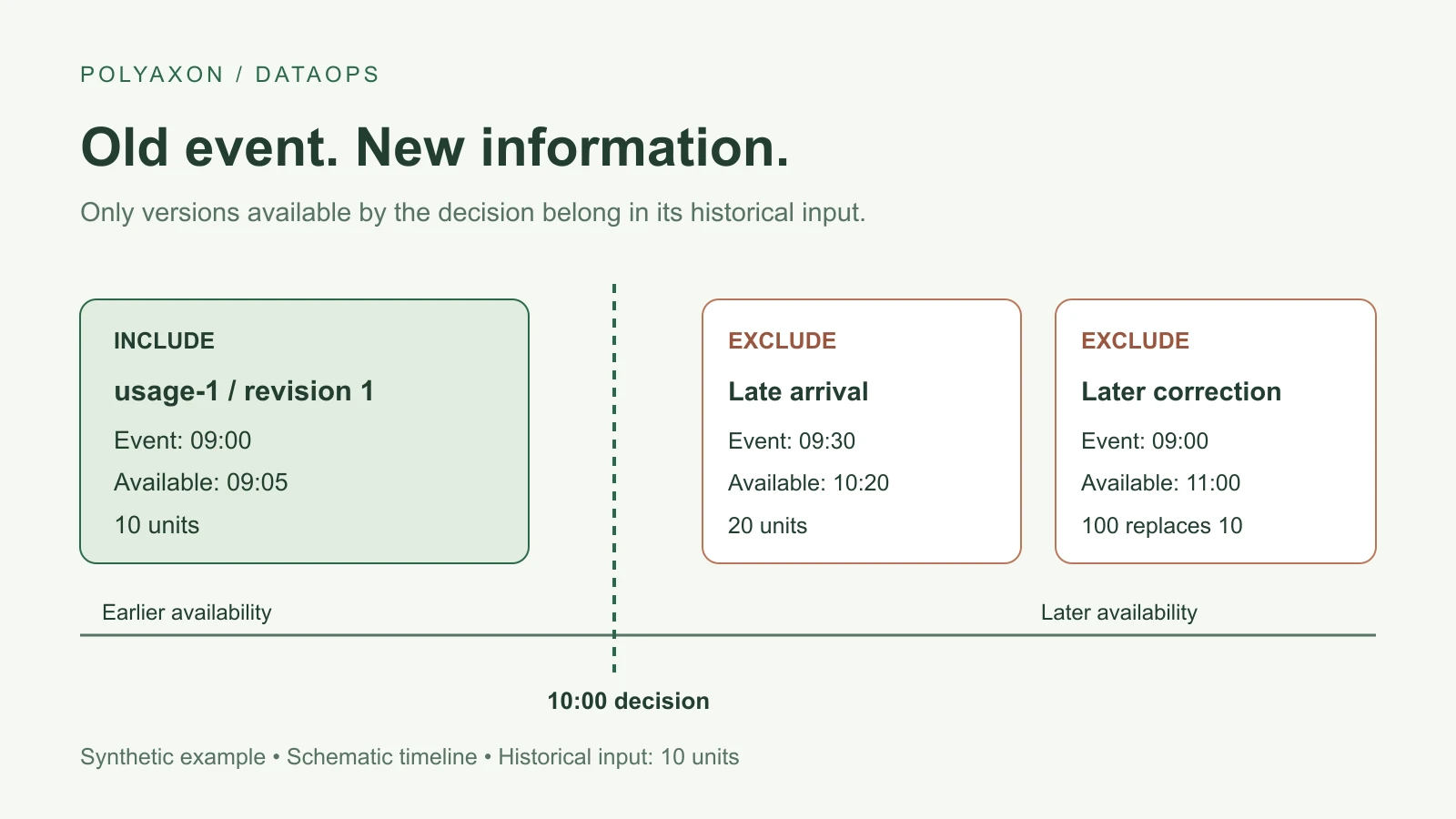
Reconstruct evaluation features using event time and actual availability time, excluding late arrivals and later corrections while preserving the source versions in Polyaxon.
Design OpenTelemetry Collector pipelines for ML services with clear receivers, processors, exporters, deployment patterns, and failure controls.

Map an AI agent stack to Polyaxon services, jobs, sandboxes, queues, connections, tracking, and versioned components without conflating their responsibilities.
Build layered Amazon EKS monitoring for control-plane activity, Kubernetes state, nodes, GPUs, applications, ML runs, and telemetry health.
Compare RAG chunk sizes, retrieval depth, and model choices with Polyaxon experiment matrices, fixed evaluation inputs, and quality-aware run comparisons.
Learn what Pods provide, what they do not preserve, and how to design resources, lifecycle, sidecars, storage, and debugging for ML workloads.

Package and deploy an AI agent as a Polyaxon service with explicit ports, health checks, scoped connections, and release evidence.
Understand how ReplicaSets maintain Pod replicas, why Deployments normally own them, and where they fit in ML workloads.