Connect agent tool calls to Polyaxon execution
Translate agent tool requests into authorized Polyaxon sandbox execution with bounded commands, structured results, and explicit lifecycle ownership.
AI AgentsSandboxesPython
Practical guides to building, running, and improving ML and AI in production.
Page 12 of 21
Translate agent tool requests into authorized Polyaxon sandbox execution with bounded commands, structured results, and explicit lifecycle ownership.
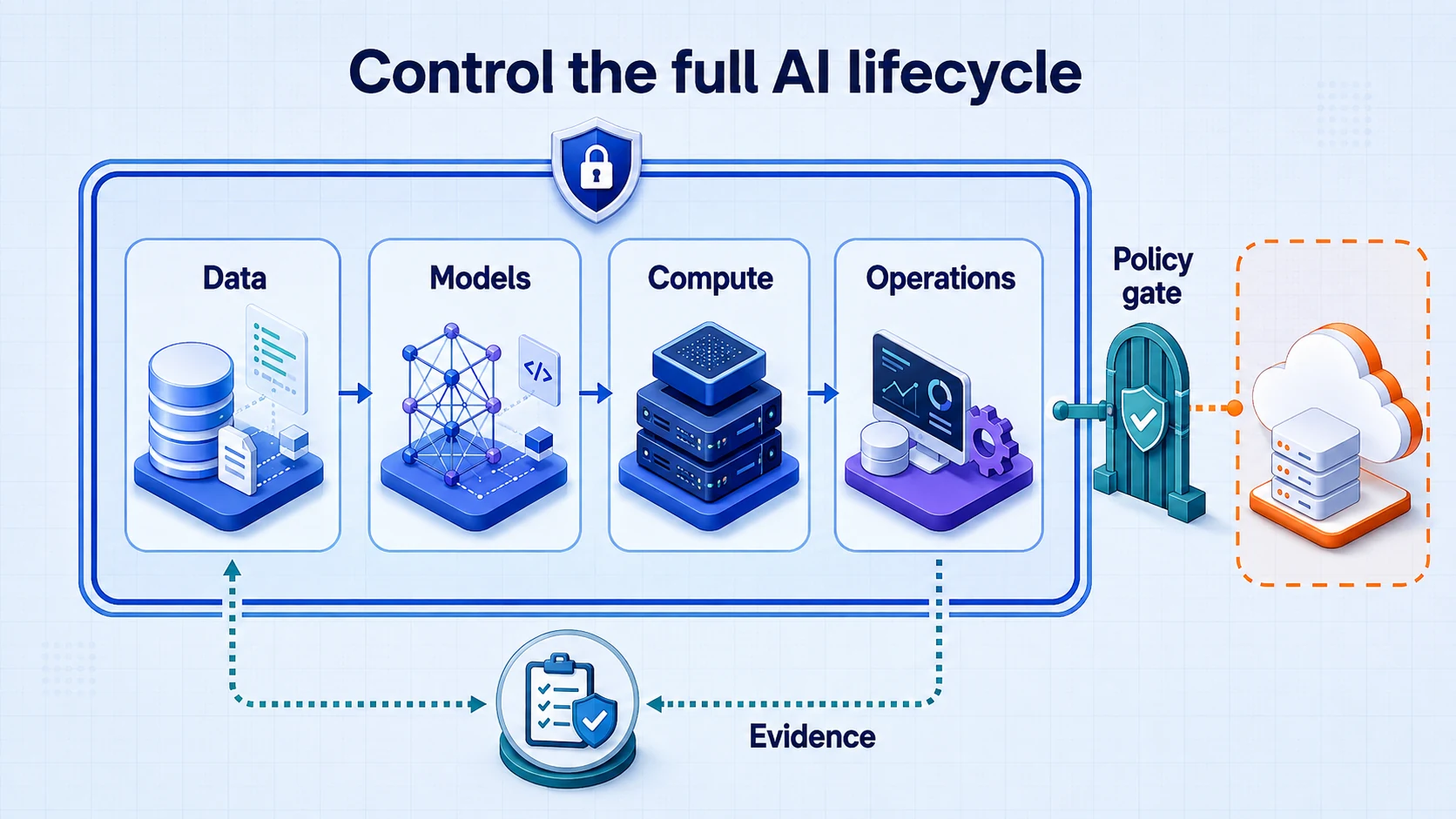
Translate sovereignty, privacy, audit, resilience, and approval requirements into an operable AI platform for government and regulated workloads.
Design Prometheus alerts and Alertmanager routing for ML platforms without noisy pages, missing owners, or unsafe high-cardinality labels.
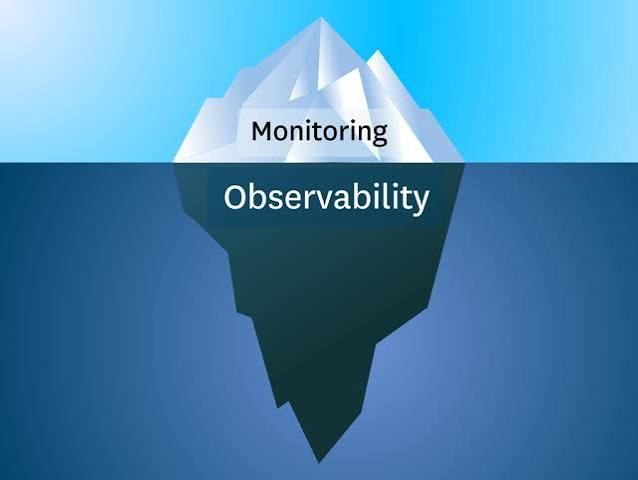
Separate monitoring from observability, then combine metrics, logs, traces, run context, and model evaluation into an effective ML operating model.

Use Polyaxon run metadata, source revisions, artifact hashes, and independent review to establish provenance for AI-generated code.
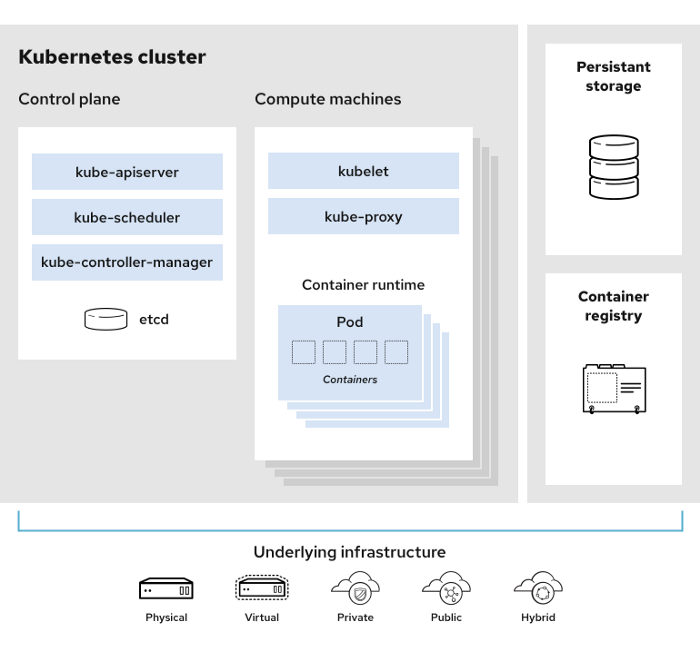
Use kubeadm as a reliable cluster bootstrap layer while planning networking, high availability, upgrades, recovery, and ML infrastructure separately.

Build data-analysis agents with Polyaxon jobs and sandboxes, versioned data inputs, deterministic checks, and reviewable analysis artifacts.
Learn when CustomResourceDefinitions fit an ML platform, how controllers make them useful, and how to design their lifecycle safely.

Use Polyaxon run queries, comparison dashboards, artifact reports, and lineage to preserve the evidence behind LLM engineering decisions.

Understand Kubernetes objects, desired state, metadata, ownership, and reconciliation through the lifecycle of an ML workload.

Design LLM data flows around scoped Polyaxon connections, isolated execution responsibilities, redacted evidence, and explicit output retention.
Change persistent-volume performance profiles, inspect the completed change, and compare checkpoint behavior in Polyaxon GPU jobs.
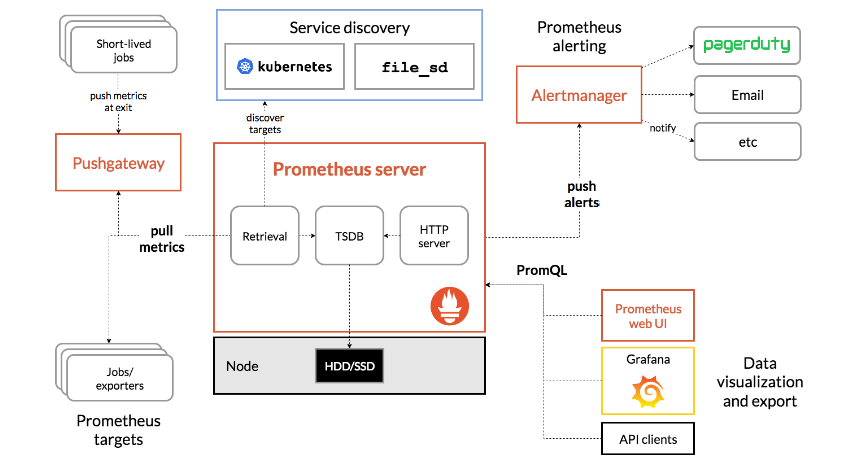
Decide between managed and self-operated Prometheus using scale, availability, PromQL compatibility, data governance, cost, and operational ownership.
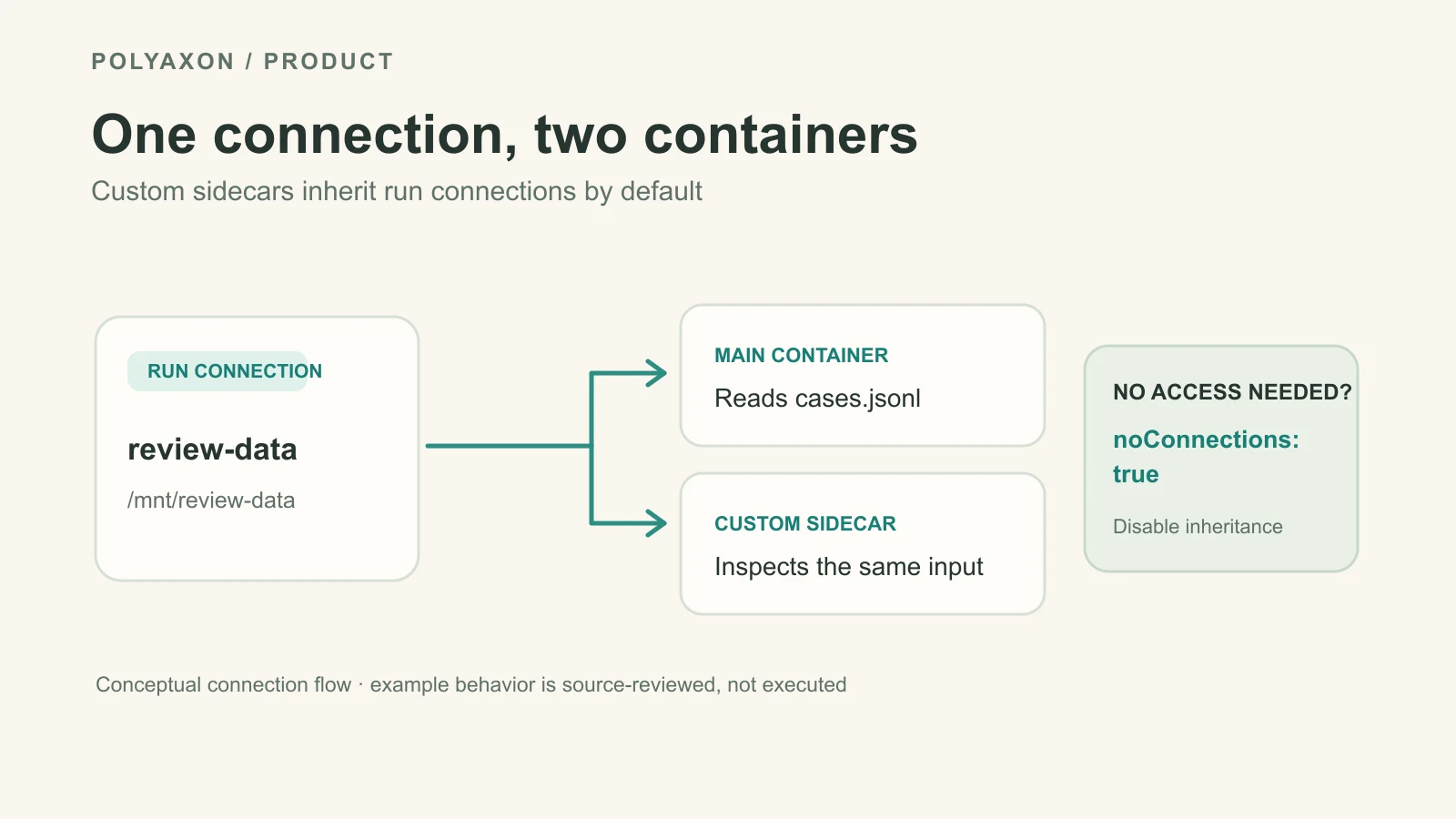
Use one Polyaxon connection in a job and its custom sidecar, then decide when a sidecar should not inherit the run's mounts and credentials.
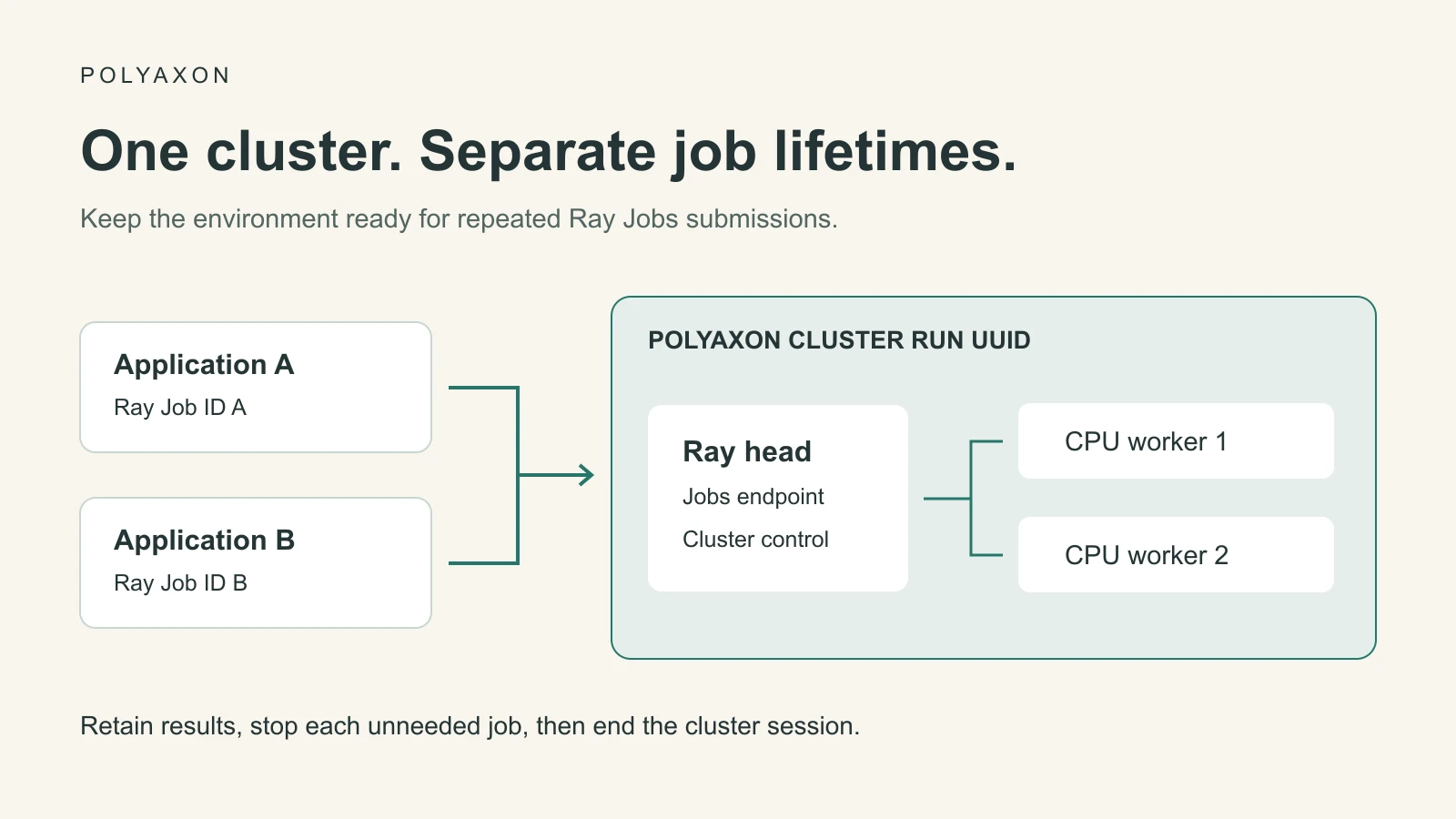
Keep a Polyaxon-managed Ray cluster available for repeated job submissions, with explicit resource settings, job identities, storage, and shutdown ownership.
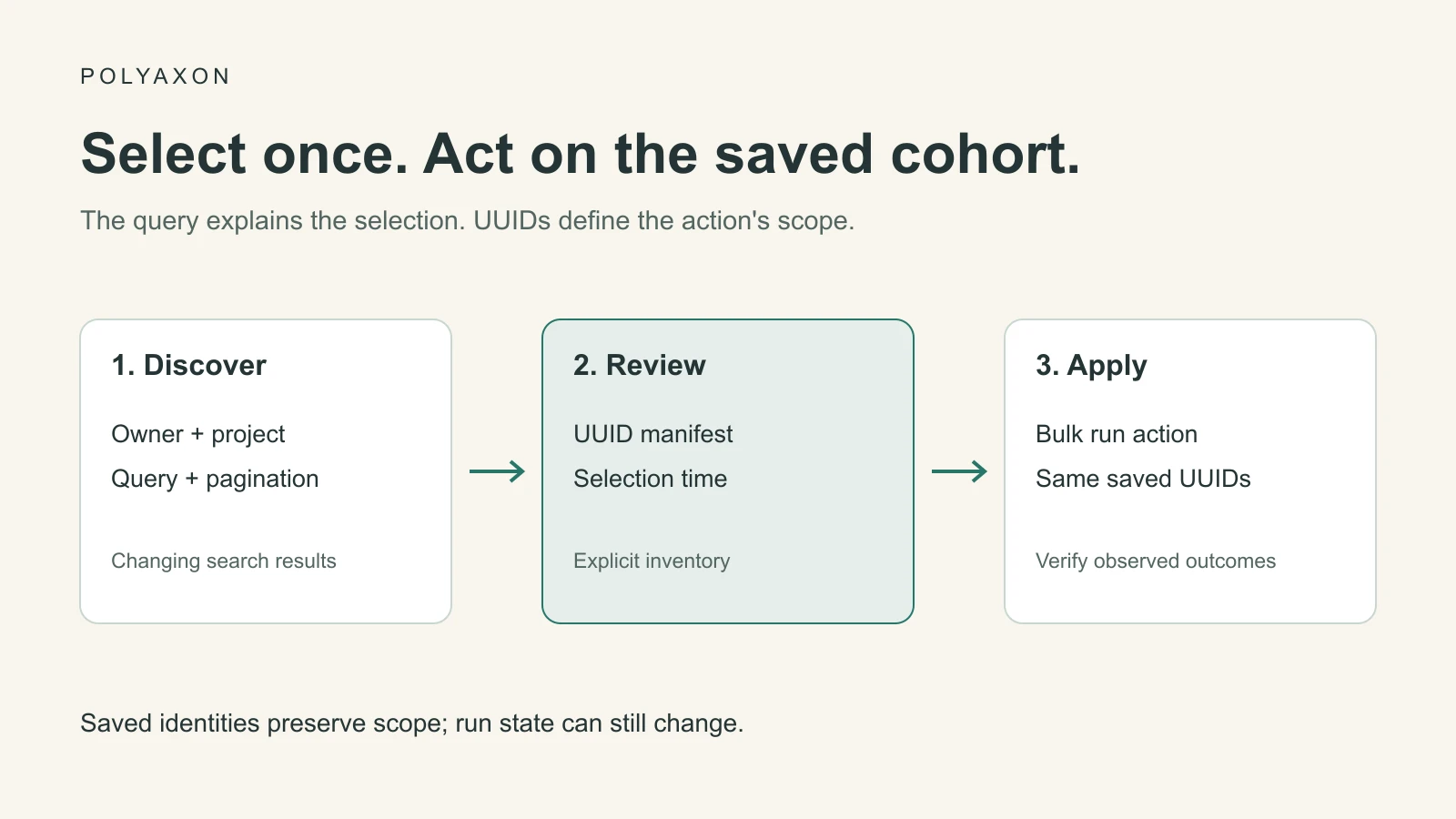
Select a run cohort, save its UUIDs for review, and apply a ProjectClient bulk action to that explicit inventory without rerunning a changing query.
Understand how BPF Type Format supports eBPF introspection, CO-RE portability, safer deployment, and kernel-level observability for ML infrastructure.
Run collective communication checks as tracked MPI jobs before using a multi-node GPU pool for training.
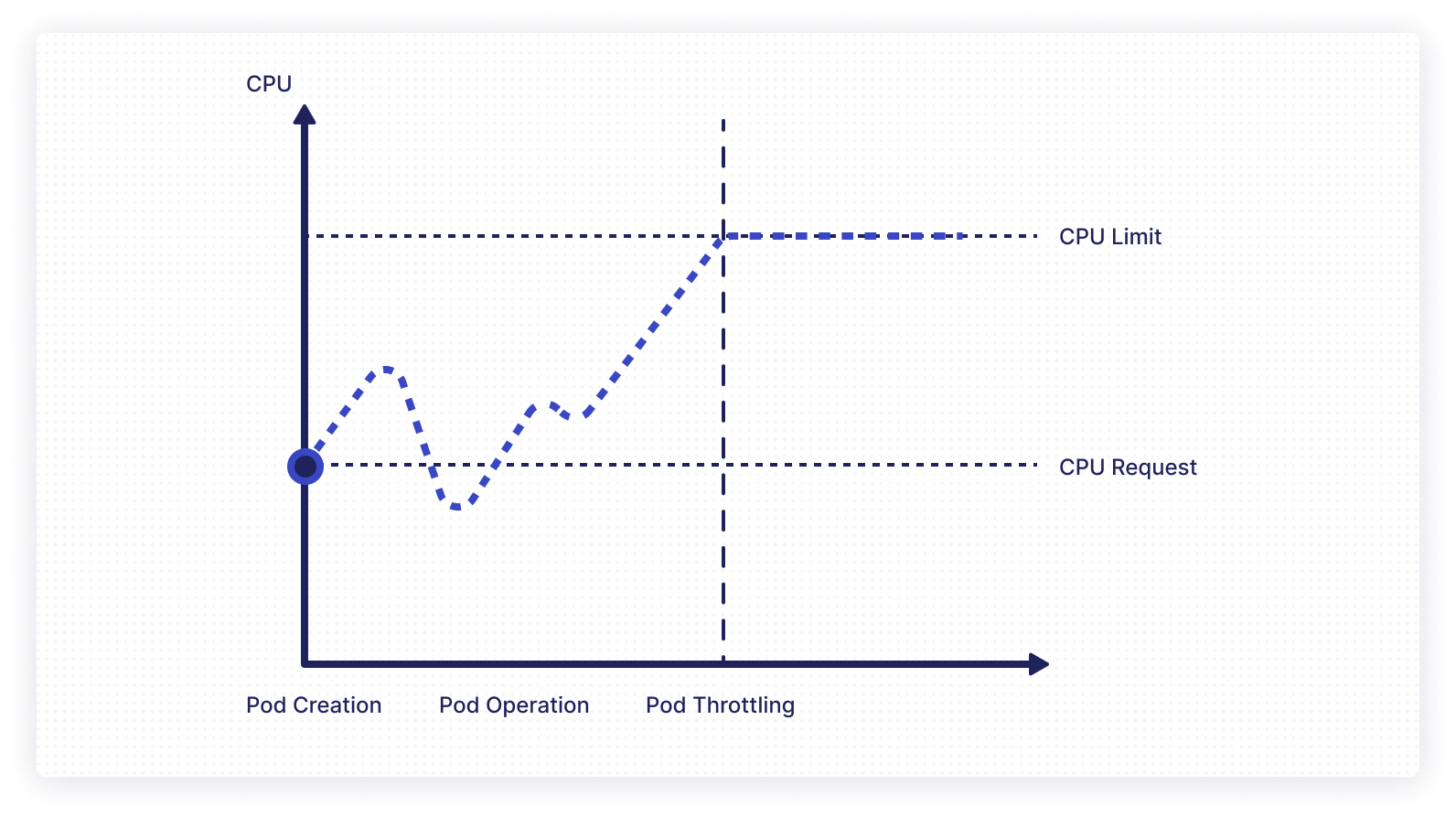
Evaluate CPU inference using model fit, precision, latency, throughput, memory, Kubernetes placement, and end-to-end cost instead of assuming every model needs a GPU.
Debug ML workloads by following Kubernetes admission, scheduling, Pod startup, containers, nodes, networking, storage, and application outcomes in order.
A guide to Kubernetes ephemeral storage options, emptyDir, CSI ephemeral volumes, generic ephemeral volumes, and monitoring storage pressure.
Learn how Kubernetes Deployments manage pods and ReplicaSets, support rollout strategies, and keep applications available.
Understand kubelet credential verification for cached images and apply it to shared Polyaxon training, notebook, and inference nodes.
Use OpenTelemetry automatic instrumentation as a safe baseline, then add domain spans, stable attributes, sampling, and rollout controls for ML services.