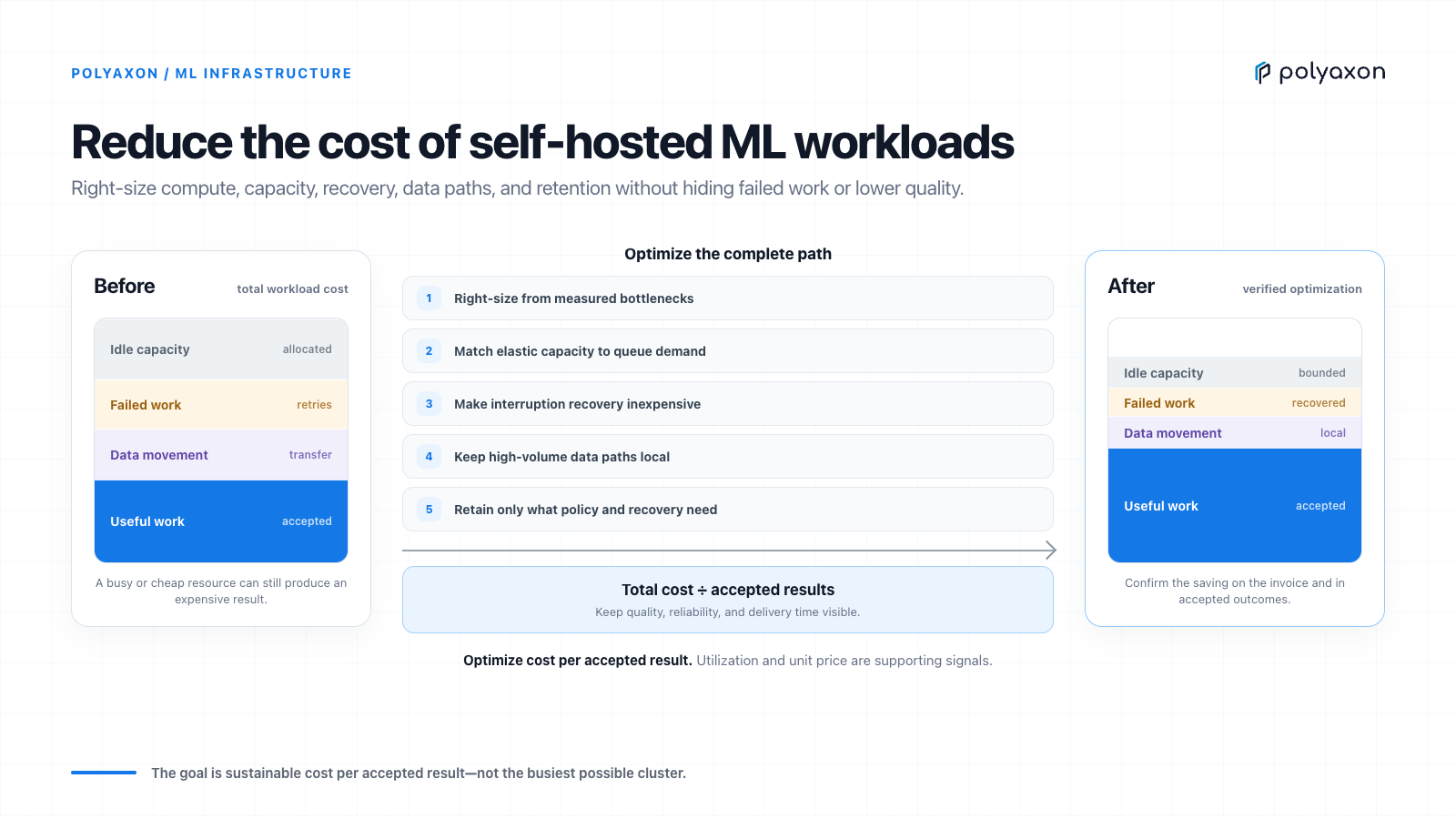
Kubernetes cost monitoring for ML workloads
Allocate Kubernetes and GPU costs to ML teams and runs while keeping idle capacity, shared services, failed work, data movement, and useful outcomes visible.
KubernetesMLOpsMonitoring
Practical guides to building, running, and improving ML and AI in production.
Page 13 of 21
Allocate Kubernetes and GPU costs to ML teams and runs while keeping idle capacity, shared services, failed work, data movement, and useful outcomes visible.
Track usage and pricing assumptions in Polyaxon, compare cost against quality in run dashboards, and control resources and concurrency during LLM experiments.
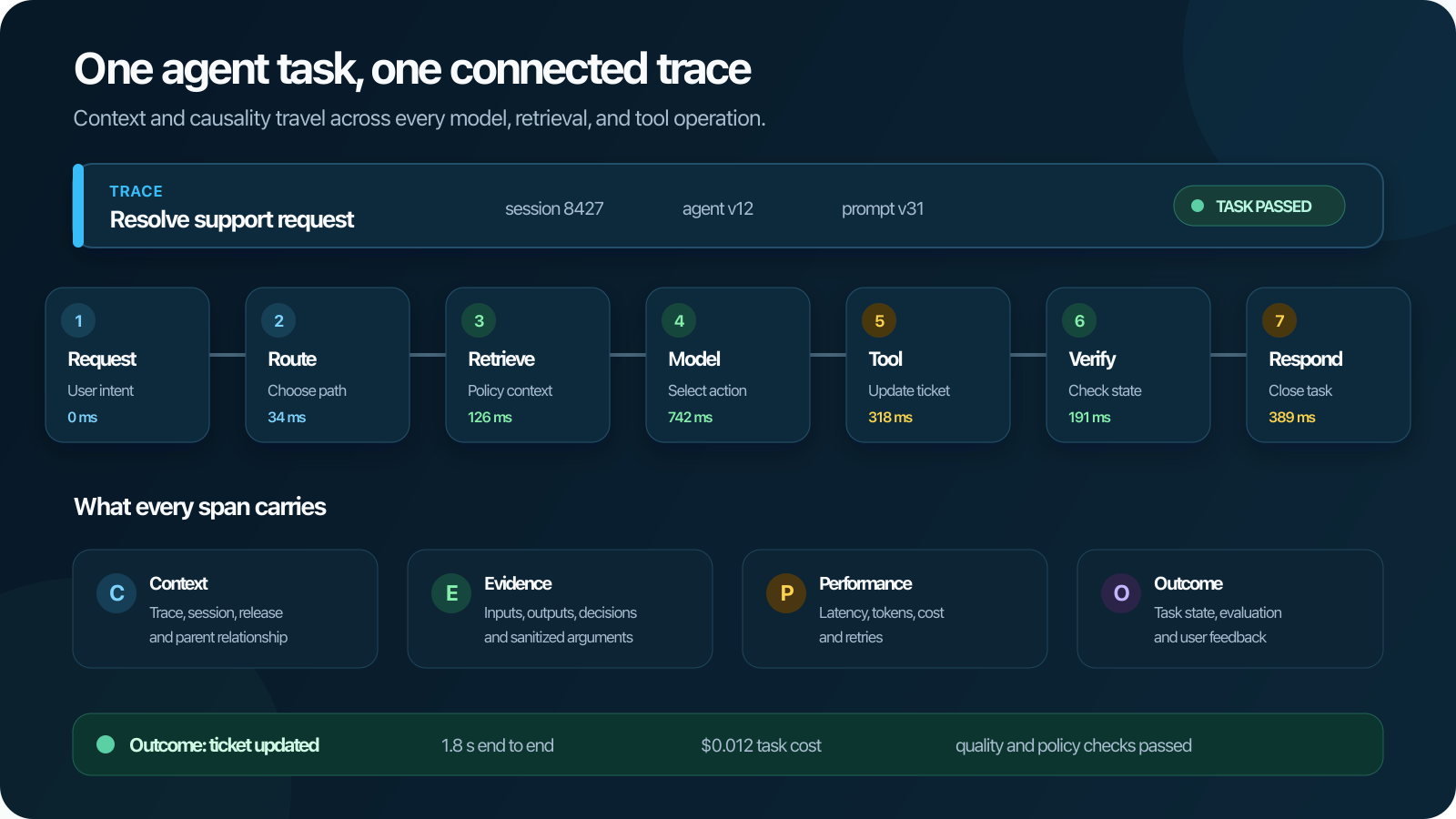
Trace ML requests and operations across APIs, queues, schedulers, storage, model services, and external tools without losing context or causality.
Use built-in admission, policies, and webhooks to enforce safe ML workload defaults without adding unnecessary latency or a cluster-wide failure point.
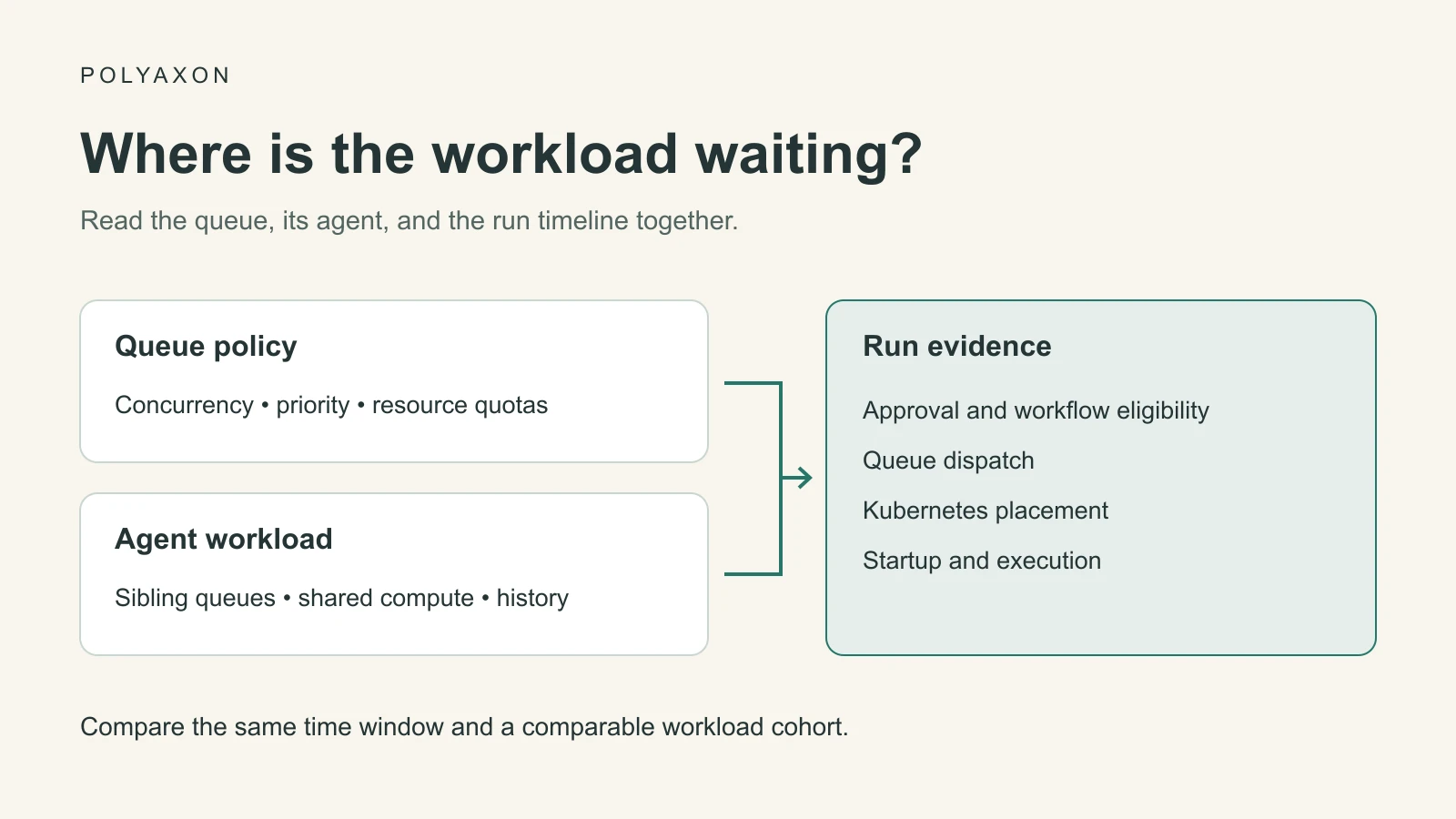
Use Polyaxon queue and agent statistics with run timelines to distinguish policy limits, workload changes, and Kubernetes placement problems before adding capacity.

Learn Kubernetes through practical ML projects covering Pods, Jobs, storage, networking, scheduling, observability, security, and failure recovery.
Compare Istio, Linkerd, and Consul service mesh architectures by workload scope, traffic policy, identity, observability, operations, and ML fit.
Design, review, release, and operate Helm charts for ML platforms with predictable values, secure templates, upgrades, and ownership.
Build container image scanning into ML delivery with digest pinning, SBOMs, provenance, policy, remediation ownership, and runtime controls.
Instrument Java and Spring ML services with the OpenTelemetry agent, SDK, OTLP, domain spans, stable resource identity, and safe rollout controls.
Map LLM agent reasoning, tools, execution, evaluation, and release workflows to Polyaxon services, sandboxes, jobs, components, and DAGs.
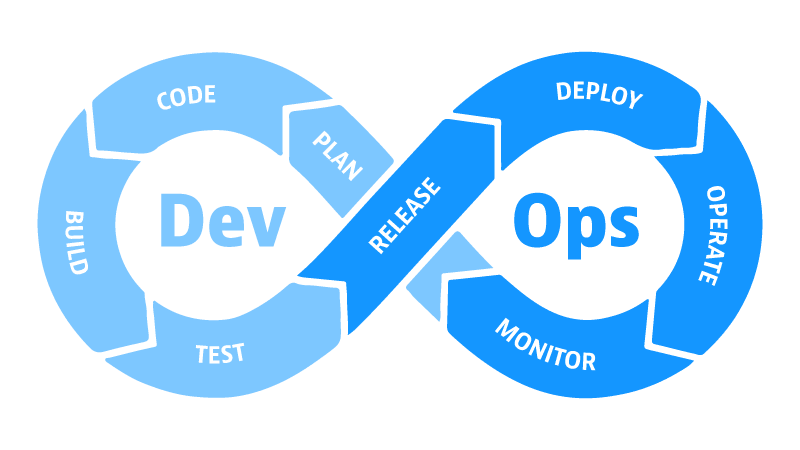
Clarify how DevOps and site reliability engineering complement each other through delivery, service objectives, error budgets, automation, and ML operations.

Assess LLMOps practices using Polyaxon run evidence: versioned components, comparison reports, artifact lineage, scheduling presets, and release approvals.
Understand OpenTelemetry signals, APIs, SDKs, semantic conventions, OTLP, the Collector, and how they fit into an ML observability architecture.
Decide whether a service mesh fits your ML platform, then design traffic policy, identity, observability, rollout, and failure behavior deliberately.
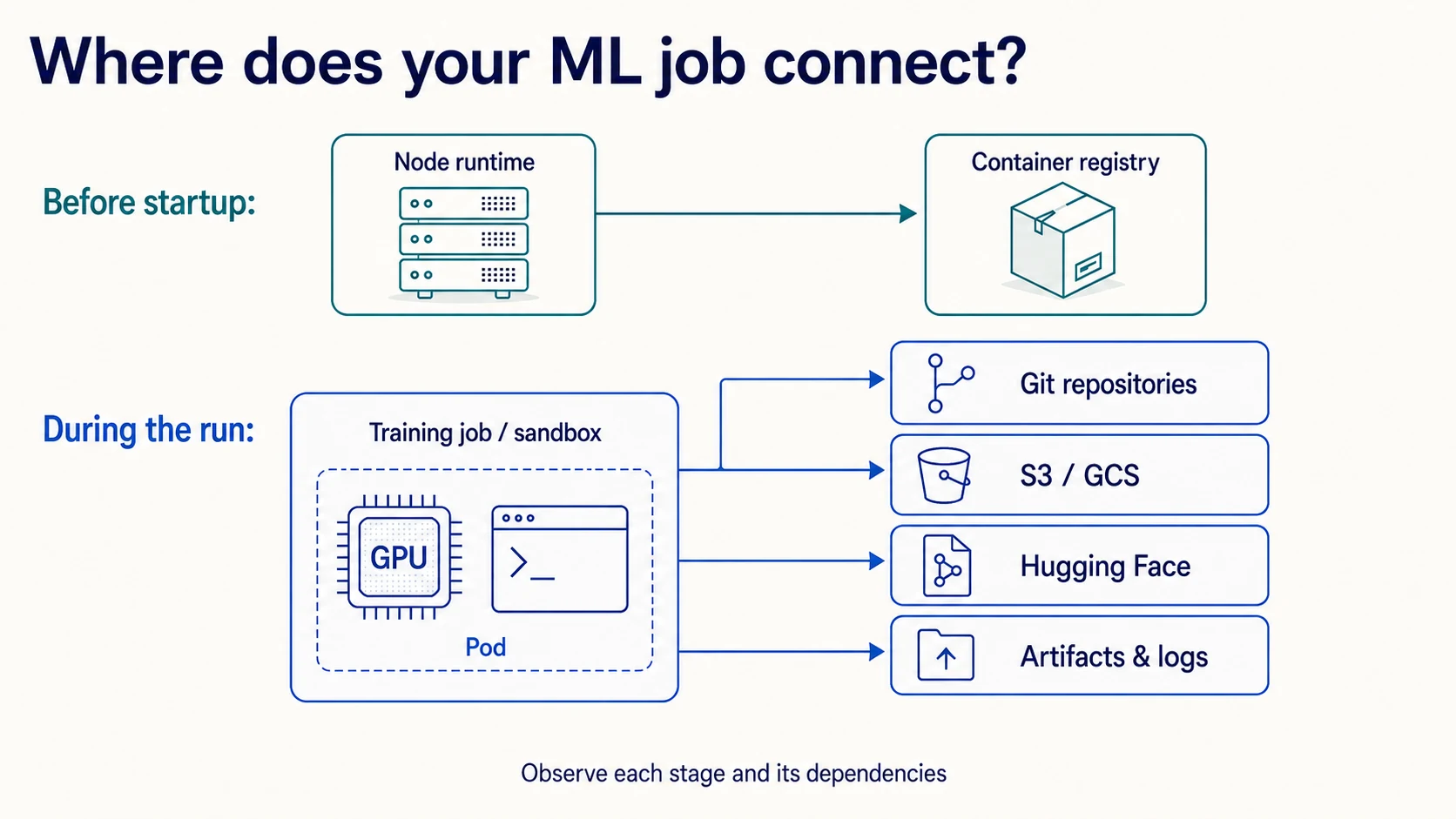
Diagnose ImagePullBackOff through Pod events, immutable image references, registry credentials, node networking, rate limits, and platform configuration.
Use kubectl exec and ephemeral containers for targeted Kubernetes debugging without losing evidence, mutating workloads, or bypassing platform controls.
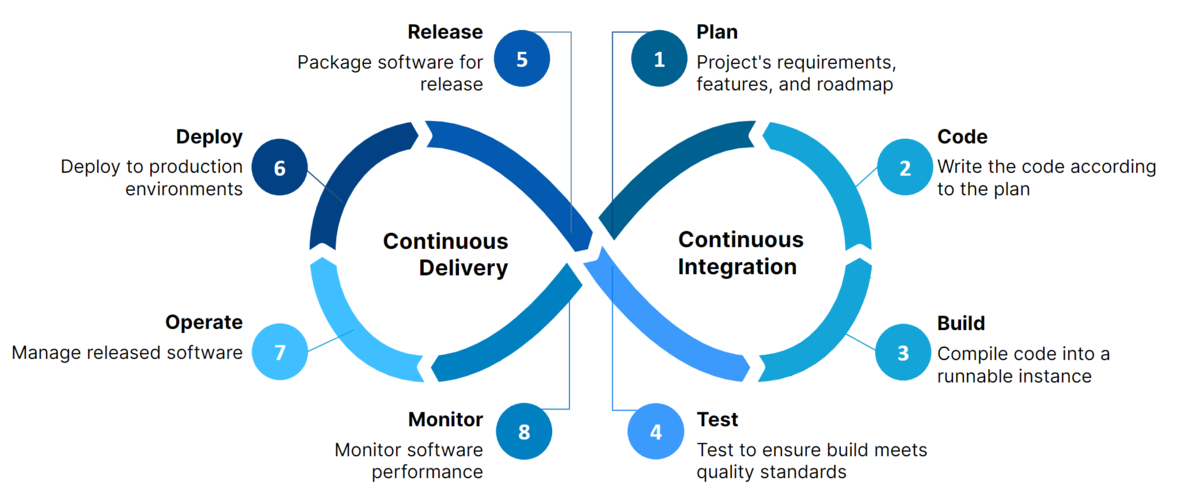
Use GitHub Actions to validate and submit traceable AI, ML, and agent workloads to Polyaxon without turning CI runners into training infrastructure.
Diagnose Kubernetes NotReady nodes through conditions, heartbeats, kubelet, runtime, networking, pressure, cloud health, and workload impact.
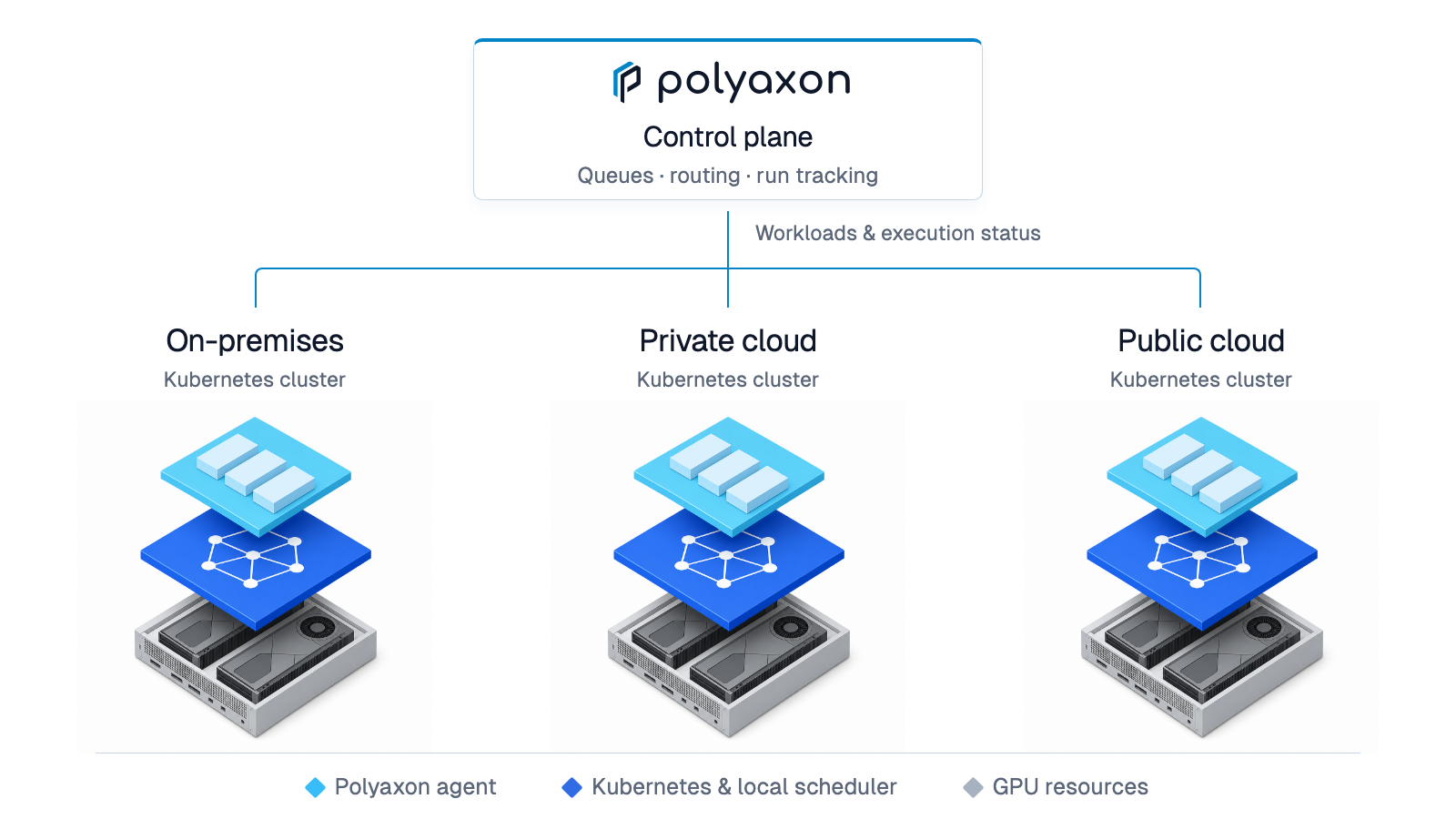
Choose between one Kubernetes cluster and multiple clusters using isolation, failure domains, data locality, accelerator access, operations, and cost.
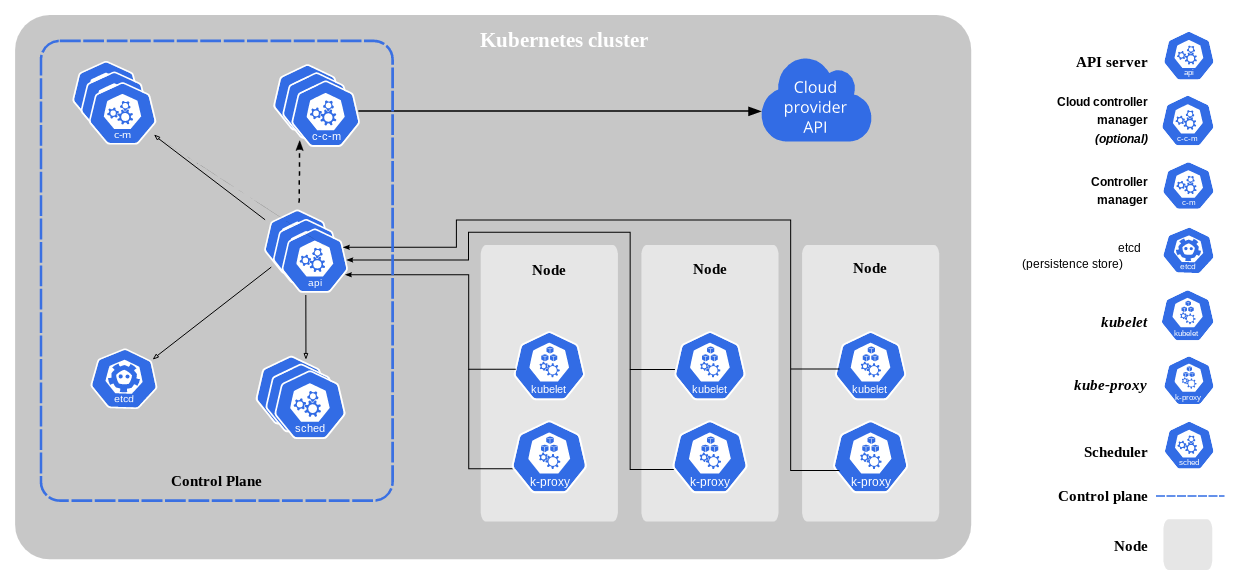
Understand how nodes, Pods, and containers divide responsibility for resources, lifecycle, networking, storage, and failures in Kubernetes ML systems.
Design Redis on Kubernetes around workload semantics, persistence, topology, memory, security, recovery, and observable operation for ML systems.
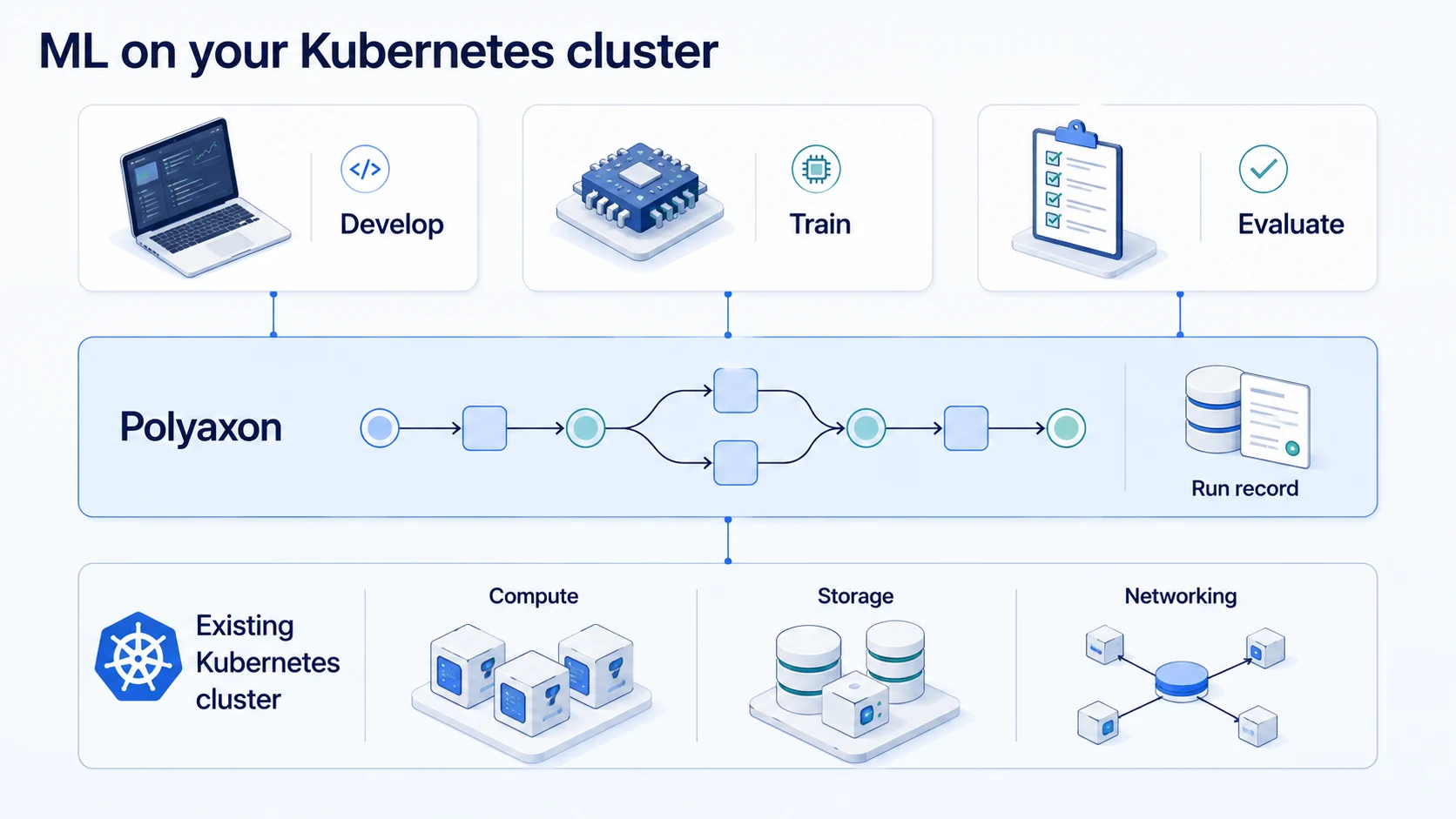
Decide whether Kubernetes fits your ML platform, then migrate workload contracts, storage, scheduling, security, and operations in controlled stages.
Use practical kubectl commands to inspect, diagnose, and manage Kubernetes ML workloads with explicit contexts, namespaces, and safer change habits.