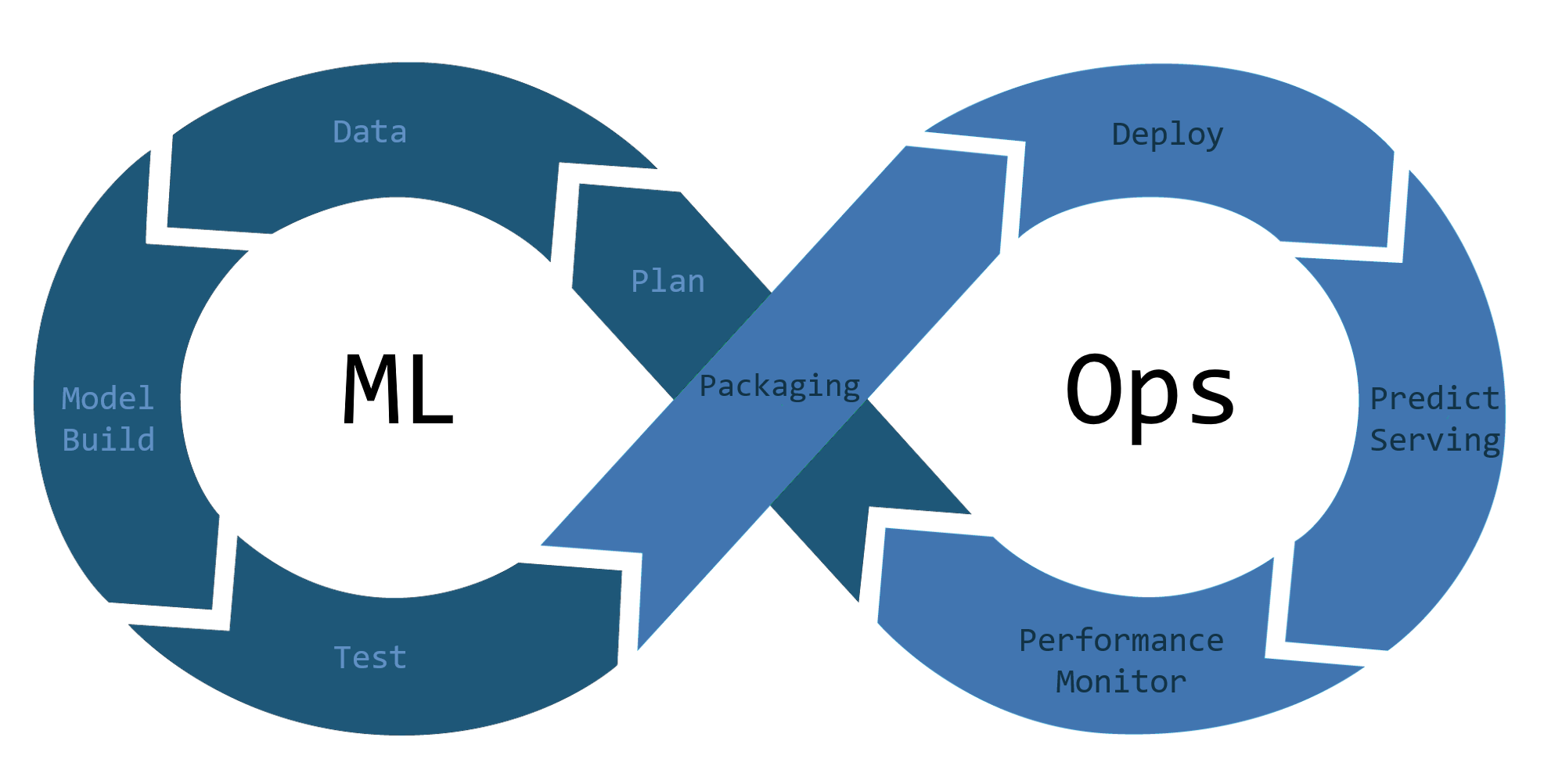
Data-centric AI and MLOps solve different problems
Data-centric AI can improve model quality, but it does not replace the operational discipline needed to run machine learning systems.
MLOps
Practical guides to building, running, and improving ML and AI in production.
Page 14 of 21
Data-centric AI can improve model quality, but it does not replace the operational discipline needed to run machine learning systems.
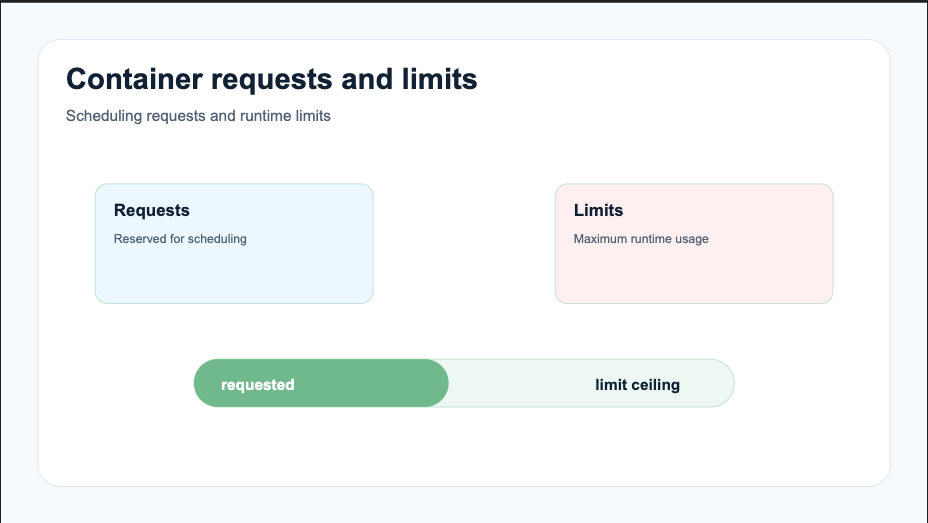
Set CPU, memory, ephemeral-storage, and GPU resources from measured ML workload behavior while preserving scheduling efficiency and reliability.
Use container state, previous logs, events, probes, configuration, and resource evidence to find the cause behind CrashLoopBackOff.

Compare lexical, dense, and hybrid retrieval with a Polyaxon grid search, then inspect ranking quality, answer evidence, latency, and recommendation outcomes.
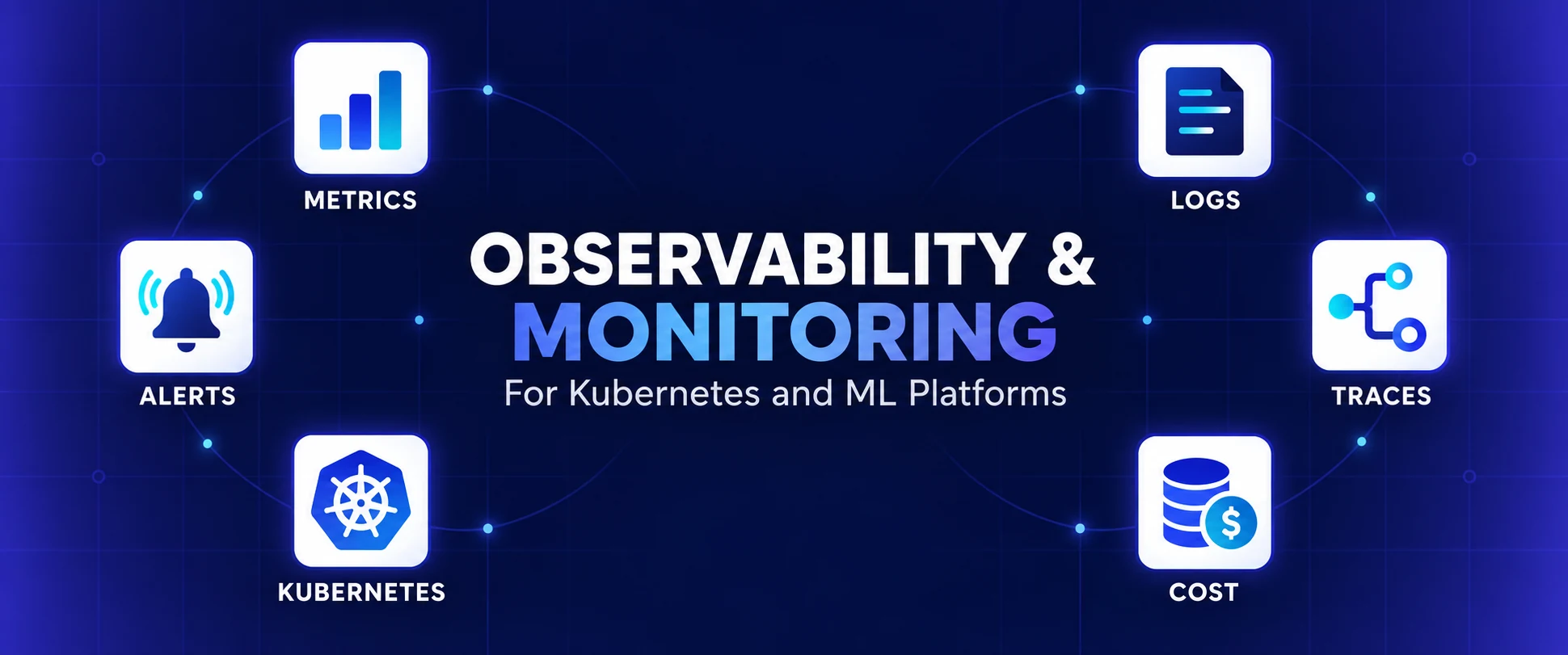
Evaluate observability tools by signals, Kubernetes context, ML workload coverage, operating model, cost, security, and incident workflow.

Turn short-lived Kubernetes events into durable incident evidence and low-noise alerts without treating them as a complete observability system.
Understand when kubectl create, client-side apply, and server-side apply fit—and how field ownership affects safe Kubernetes automation.
Diagnose container memory limits, node pressure, application allocation, and ML data-loading behavior before changing Kubernetes resources.
Distinguish node-pressure, API-initiated, preemption, and node-failure disruptions, then design ML workloads to recover safely.
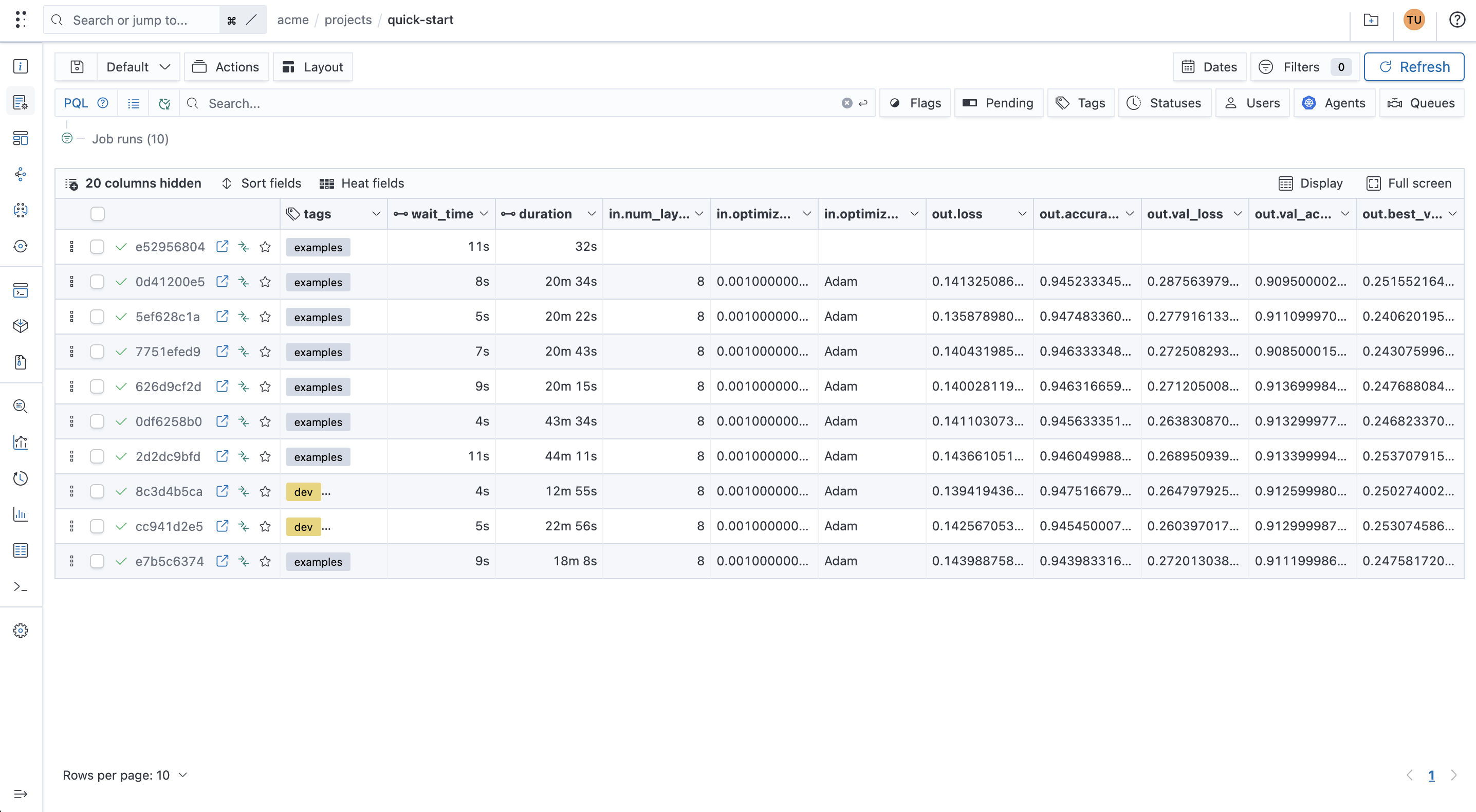
Metrics alone do not explain model behavior. Teams need artifacts, samples, images, logs, and lineage tied to each training run.
Container orchestration automates scheduling, scaling, networking, and recovery for containerized applications running across clusters.
Protect ML credentials with encryption, least-privilege access, workload identity, controlled delivery, rotation, and Polyaxon connections.
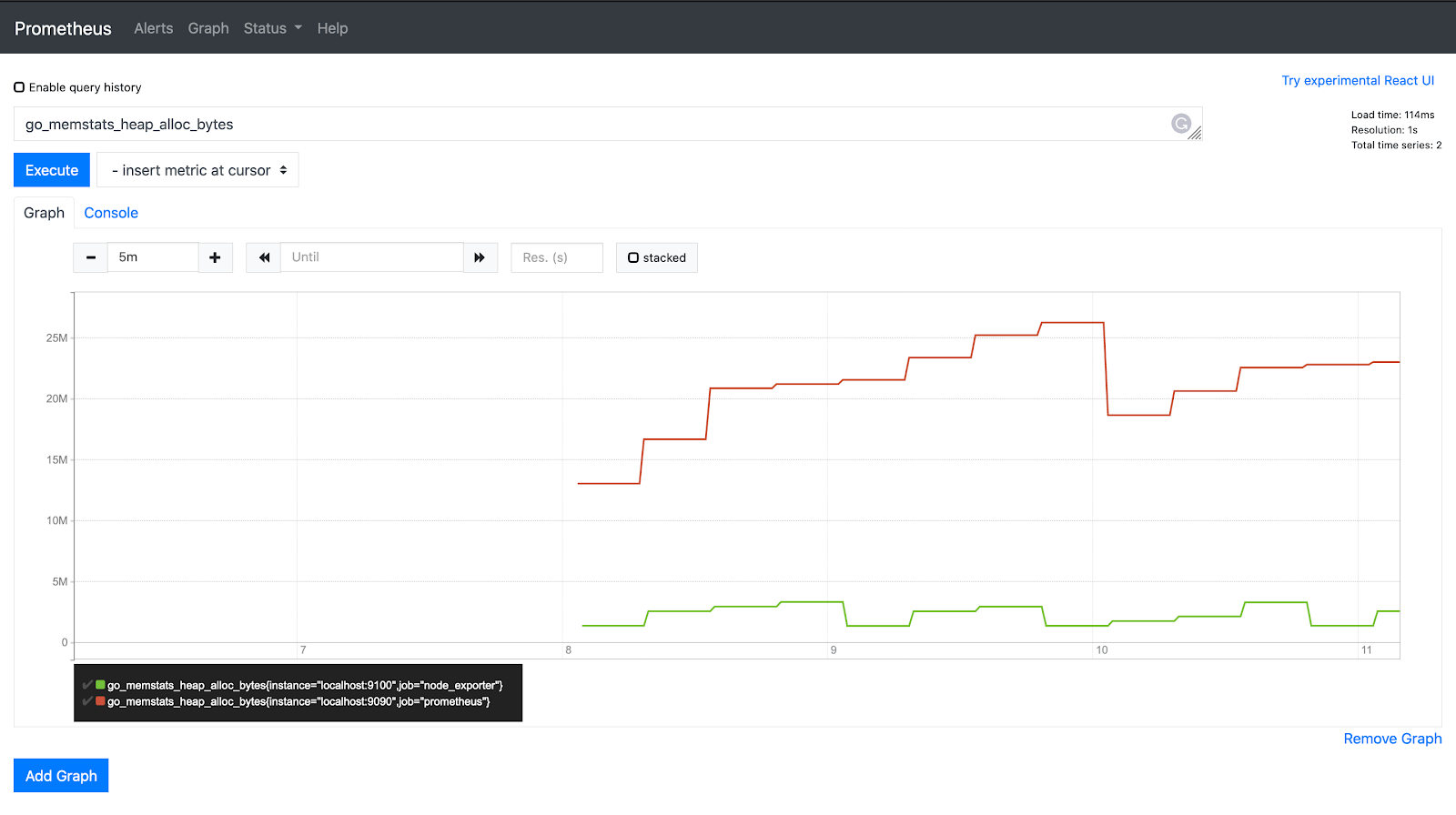
Use practical PromQL patterns for Kubernetes capacity, workload reliability, latency, and ML operations while controlling cardinality.
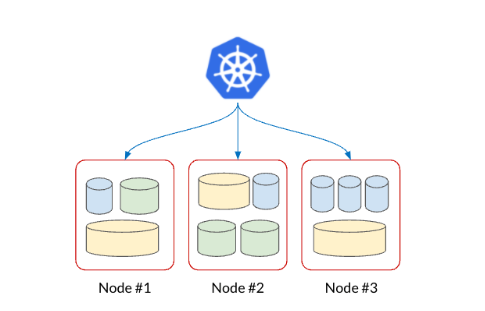
Evaluate database placement for ML platforms across operational ownership, storage, availability, recovery, upgrades, security, and performance.
Design labels, selectors, and annotations that connect Kubernetes resources to ML ownership and operations without breaking controllers or metrics.
A practical comparison of Flask, FastAPI, and Django for serving machine learning APIs, internal tools, and production services.

Build and evaluate versioned RAG indexes with Polyaxon operations, resource configuration, connections, tracked manifests, and case-level reports.
Choose the correct restart path for Deployments, StatefulSets, Jobs, and standalone Pods while preserving evidence and workload ownership.
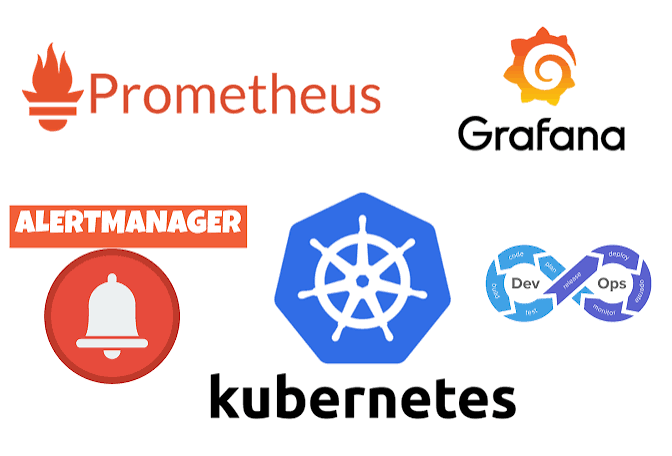
Design actionable Kubernetes alerts for ML services, batch operations, shared capacity, and the monitoring pipeline itself.
Turn Kubernetes into a developer platform with product discovery, workload contracts, self-service templates, secure defaults, actionable diagnostics, and measurable adoption.
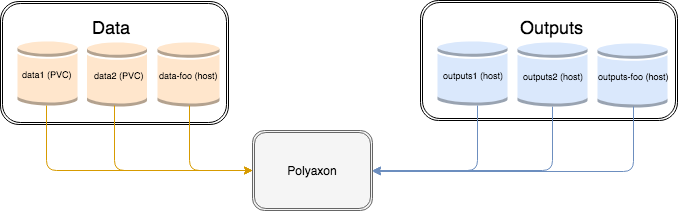
Diagnose Kubernetes volume failures across claims, provisioning, topology, attachment, node mounts, permissions, and workload ownership.
Learn the Kubernetes control model, core workload and infrastructure objects, and the capabilities an ML platform must add above the cluster.
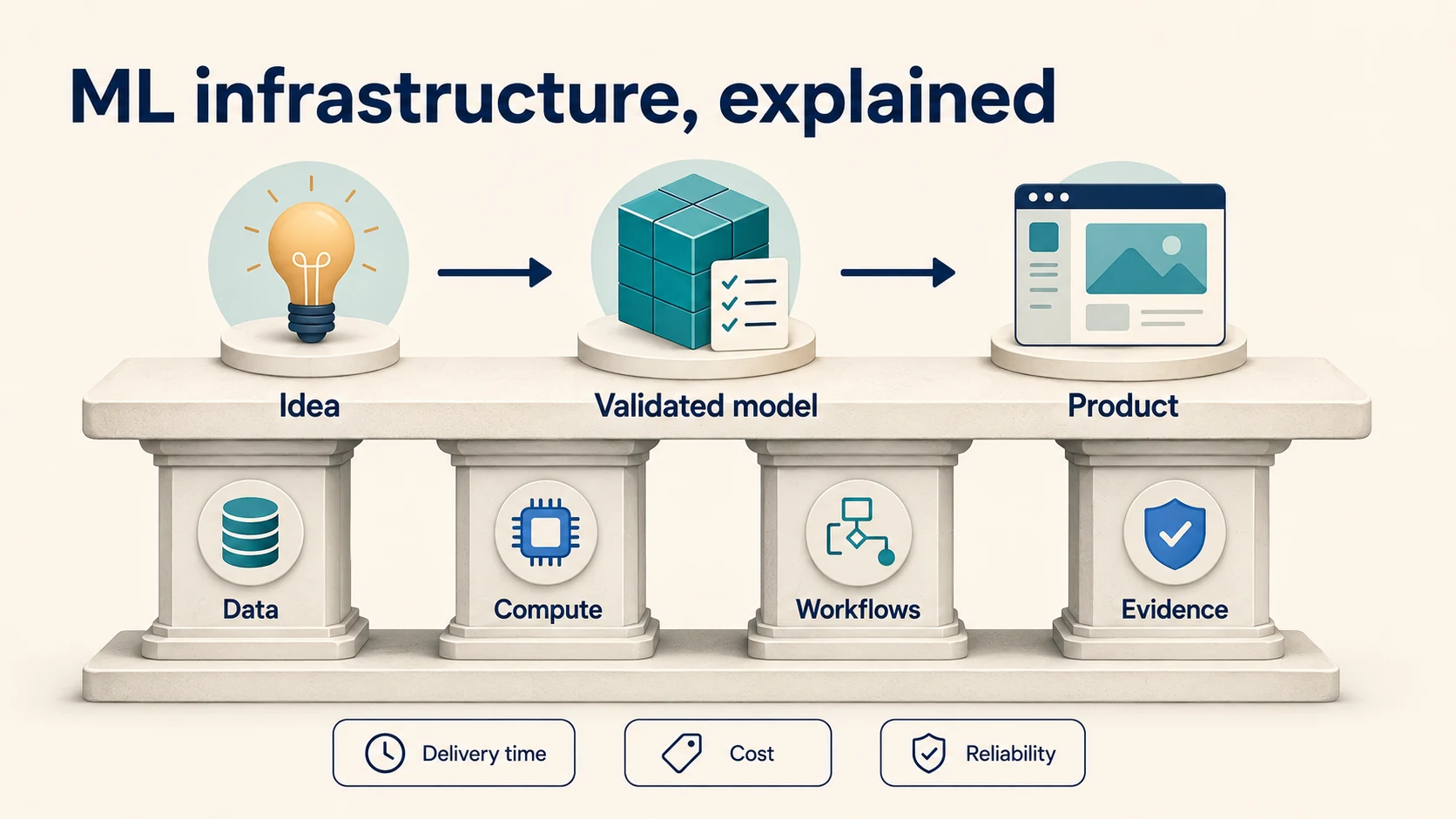
Plan enterprise AI platforms around measurable outcomes, heterogeneous compute, durable agents, cost per successful task, and continuous governance.
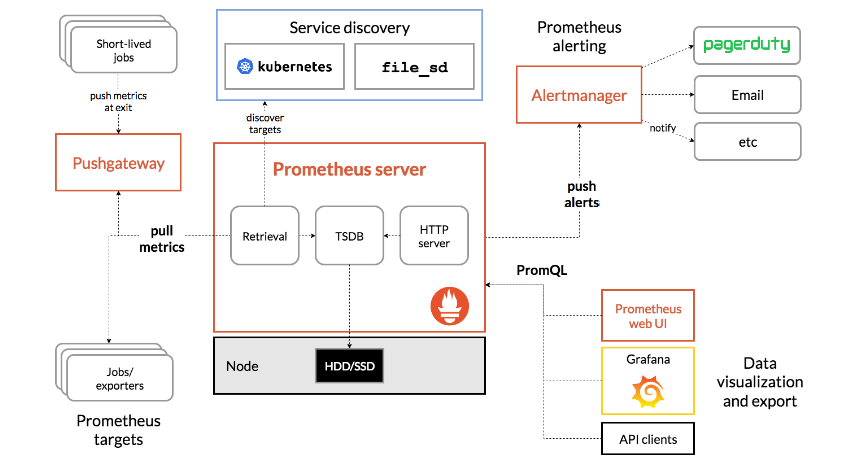
Build a useful Prometheus monitoring model across Kubernetes objects, nodes, containers, applications, and ML operations without uncontrolled cardinality.