When Kubernetes is the right platform for ML
Evaluate whether Kubernetes provides enough scheduling, isolation, portability, and operational leverage to justify its complexity for ML workloads.
KubernetesMLOpsGuides
Practical guides to building, running, and improving ML and AI in production.
Page 9 of 21
Evaluate whether Kubernetes provides enough scheduling, isolation, portability, and operational leverage to justify its complexity for ML workloads.
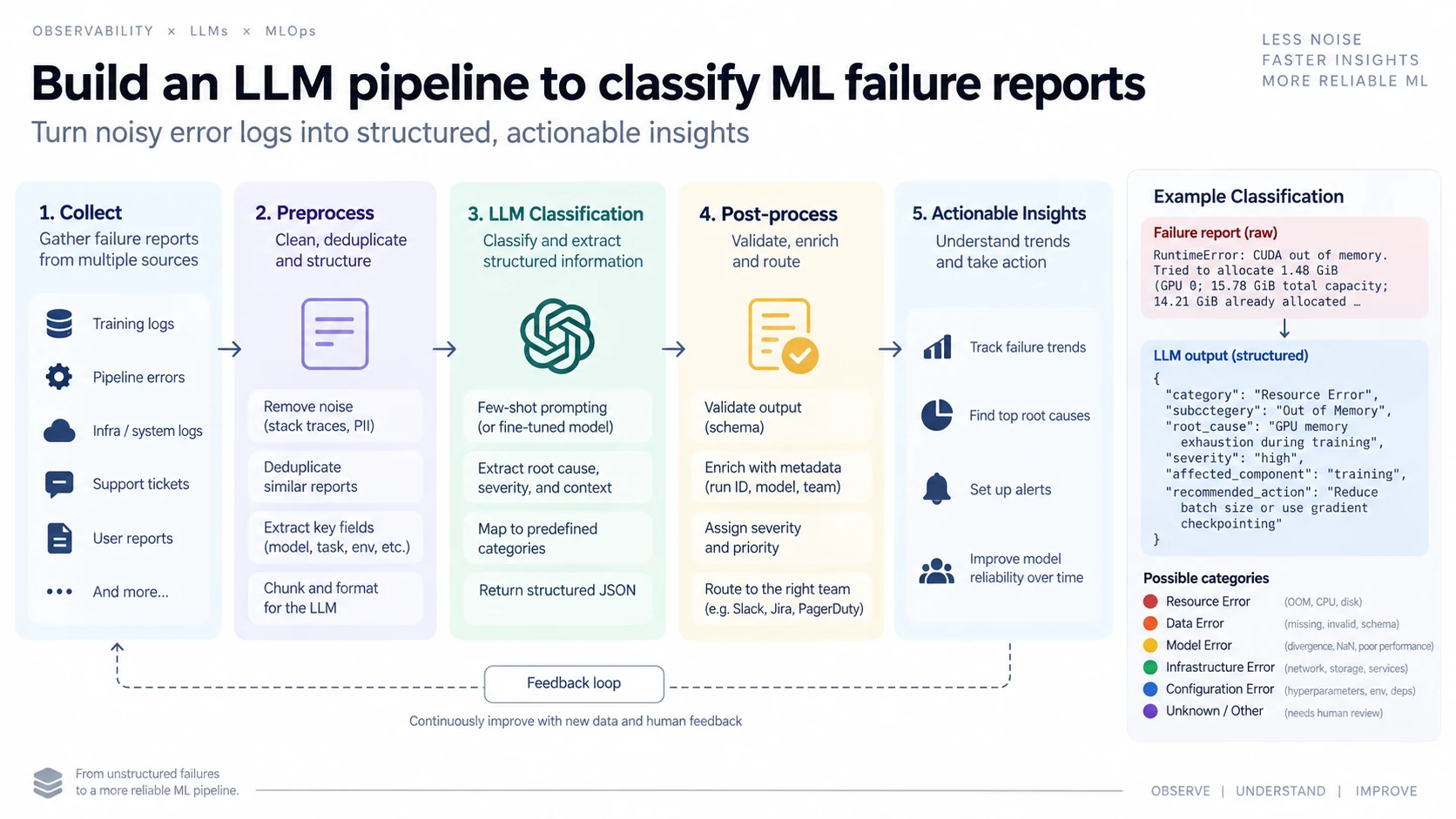
Use Polyaxon DAGs, tracked outputs, artifacts, and run comparison to develop a reviewable classifier for ML workload failure reports.

Map AI execution data paths to Polyaxon compute placement, connections, artifacts, external providers, and documented residency controls.
Check kubectl, control-plane, node, and API compatibility before upgrades or while diagnosing inconsistent Kubernetes behavior.
Understand how Pods, Services, DNS, ingress, egress, and network policy shape the data paths used by training jobs and model services.

Qualify AI-generated code for Polyaxon pipelines using immutable candidate identity, independent evaluation, explicit approval, and versioned release artifacts.
Configure Django logs for container collection, useful request context, exception diagnosis, privacy, and correlation with Kubernetes workload state.

Use Polyaxon to run reinforcement-learning agent rollouts with bounded execution, separate reward evaluation, reproducible seeds, and isolated trajectory artifacts.
Use Hadolint to catch Dockerfile problems early while keeping base-image policy, dependency pinning, security scanning, and runtime validation separate.

Connect bounded LLM tools to Polyaxon sandboxes, validate calls in the host, retain execution receipts, and compare tool behavior in repeatable evaluation runs.
Use Polyaxon components, matrices, tracking, and run comparisons to evaluate serverless model APIs against dedicated inference services on quality, latency, and cost.
Monitor Node.js services with request outcomes, event-loop delay, memory, dependencies, Kubernetes state, and low-cardinality telemetry.
Deploy Qwen3.6-27B with SGLang, then check the model's API behavior, memory use, and response quality before sending it production traffic.
Operate remote code execution through Polyaxon with explicit session ownership, command receipts, artifact collection, and safe retry decisions.
Create a Polyaxon sandbox service, wait for readiness, track command execution, preserve outputs, configure timeouts and culling, and stop resources when work finishes.
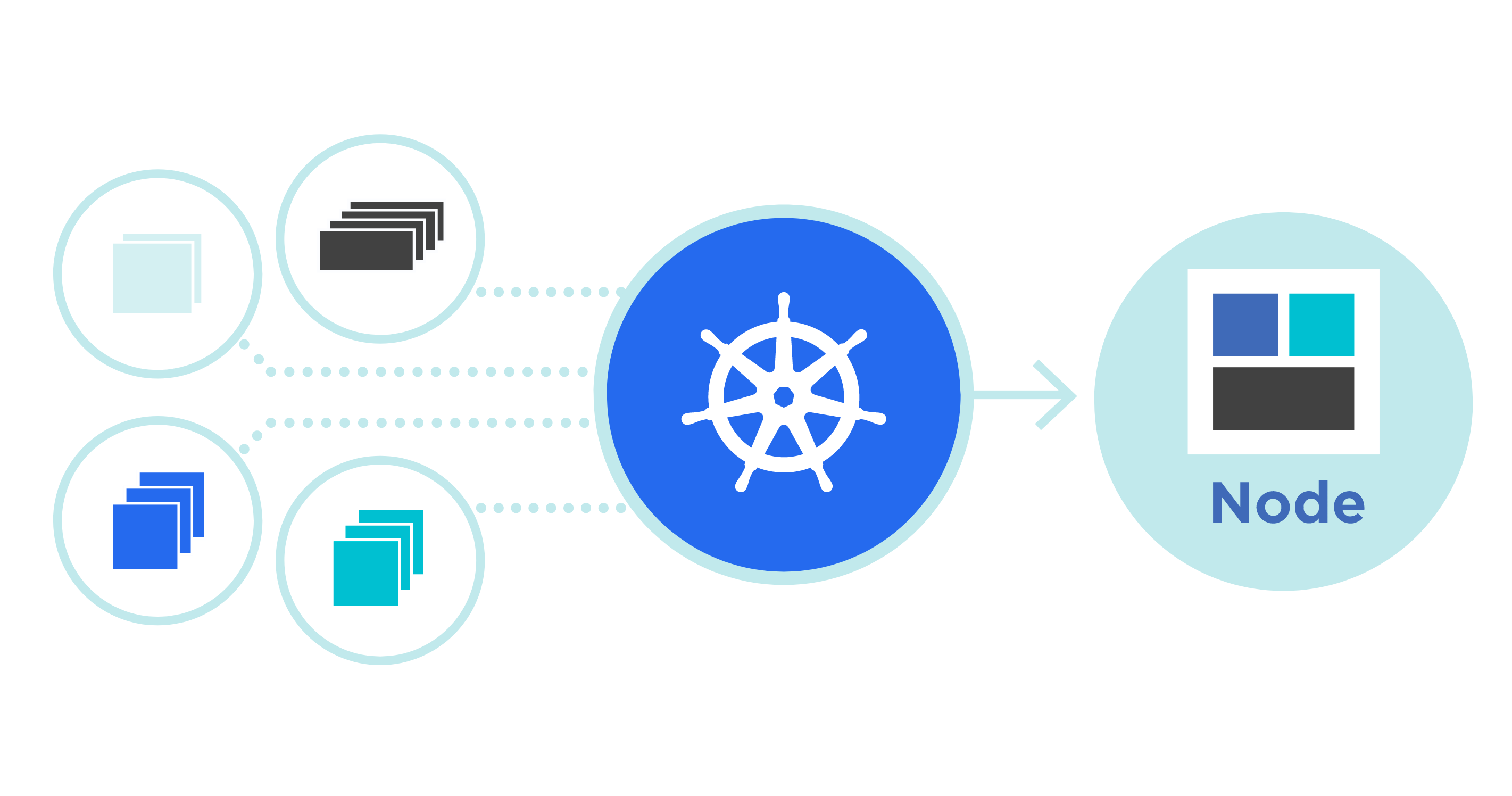
Why queue management matters for shared ML infrastructure and how Polyaxon handles priorities, concurrency, and workload scheduling.
Keep Polyaxon sandbox services ready for active sessions while controlling idle cost, absolute lifetime, state persistence, and cleanup.
Create useful Python logs for training and batch workloads with structured context, exception details, stdout collection, and controlled volume.

Build a coding assistant around Polyaxon run queries, sandbox commands, component versions, and reviewable operations that preserve project context and execution evidence.
Use Polyaxon jobs, sandbox-enabled services, schedules, and tracking to match agent tasks to their execution, persistence, and capacity requirements.
Choose strategic merge, JSON merge, or JSON Patch deliberately, preview changes, and reconcile emergency Kubernetes patches with declarative configuration.
Reduce Polyaxon agent startup latency by measuring queueing, image preparation, initialization, and readiness before tuning capacity or workspace reuse.
Use Polyaxon to version guardrail experiments, compare case-level outcomes, constrain execution, and require evidence before promoting an agent release.
Keep ordinary Pods away from specialized nodes and combine tolerations with positive placement rules for GPU and interruptible ML capacity.