
Streamlining the machine Learning lifecycle
The v1 release delivers some new functionalities and features to streamline the machine learning lifecycle.
ProductMLOps
Practical guides to building, running, and improving ML and AI in production.
Page 20 of 21
The v1 release delivers some new functionalities and features to streamline the machine learning lifecycle.

Troubleshooting machine learning (ML) and deep learning(DL) workload on Kubernetes for data-scientists and machine learning engineers.
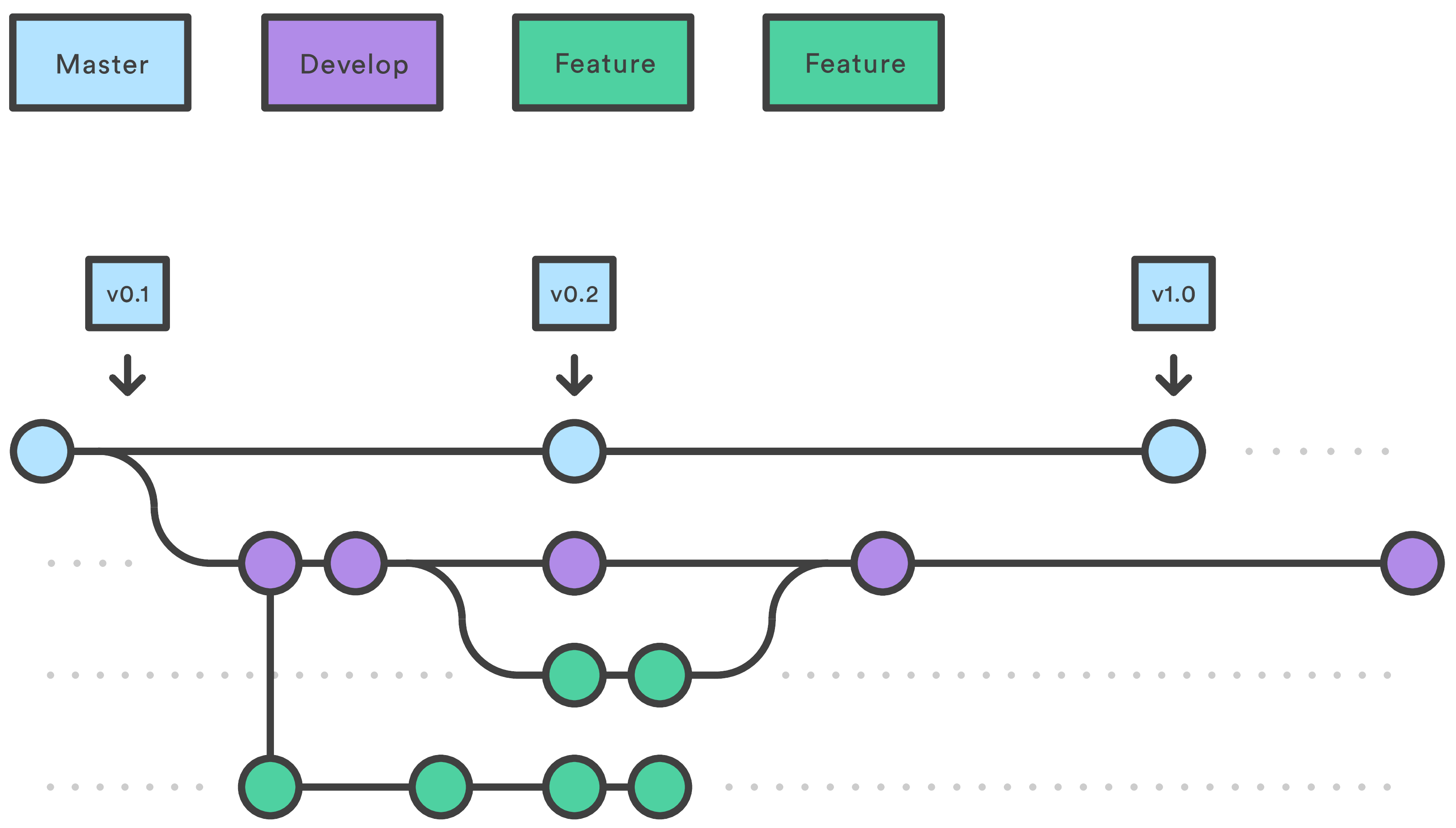
Common Git commands for data-scientists and machine learning engineers

Common Docker terms for data-scientists and machine learning engineers
Scheduling and orchestrating machine learning (ML) and deep learning(DL) workload workload on Kubernetes.
Common Git terms for data-scientists and machine learning engineers
Basic Docker concepts for data-scientists and machine learning engineers
Basic concepts of Kubernetes for data-scientists and machine learning engineers to manage machine learning (ML) and deep learning(DL) workload and applications.
Basic Git concepts for data-scientists and machine learning engineers
Today, we are pleased to announce the v0.5 release of our MLOps platform, a stable version which brings significant improvements to Polyaxon’s deployment and management experience, model management and Machine Learning (ML) workflows automation.

Today we are not announcing a new release of our Product, instead we would like to update our users and community about some changes and short-term roadmap of our product.
Today, we are pleased to announce the v0.4.3 release of our MLOps platform, a stable version with improved functionalities and documentation.
Reduce Kubernetes attack surface by inventorying public services, protecting management endpoints, isolating workloads, and continuously testing exposure.
Polyaxon now integrates with Kubeflow, Horovod, and MPI natively.
Polyaxon v0.4 added integrations, machine learning CI, experiment tracking, cloud storage support, TPU scheduling, and workflow improvements.
Today’s release is the first step towards experiments comparison on Polyaxon and overall model analysis.

This is a guide to assist you through the process of setting up a Polyaxon deployment using MicroK8s.
This is a guide to assist you through the process of setting up a Polyaxon deployment using kubeadm and Kubernetes.
This is a guide to assist you through the process of setting up a Polyaxon deployment using Minikube.
We’re pleased to announce the new release of Polyaxon 0.2.3. Today’s release continues to focus on internal improvements and stability, and make the best experience to run and scale machine learning on Kubernetes.
The new version of Polyaxon comes with a lot of new features, bug fixes, and performance enhancement.
This project is intended to play with CartPole game using Reinforcement Learning and to know how we may train a different model experiments with enough observability (metrics/monitoring). The model is divided basically in three parts: Neural network model, QLearning algorithm and application runner
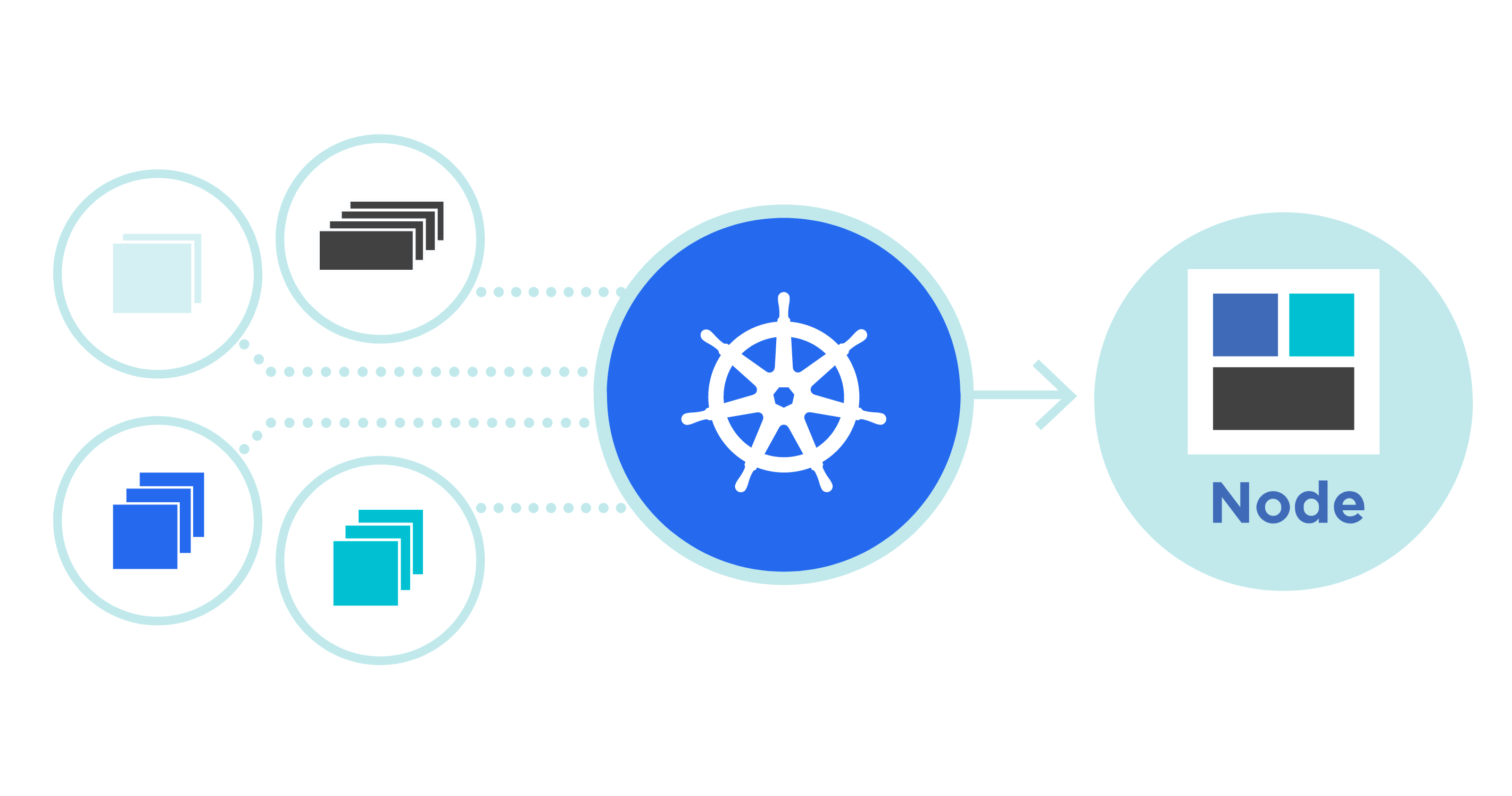
For some advanced uses cases, users might need to mount more than one data and/or outputs volumes.
Discussion about how to use a pool of preemptible GPUs that are automatically used whenever experiments or a hyperparameter search is created in Polyaxon.