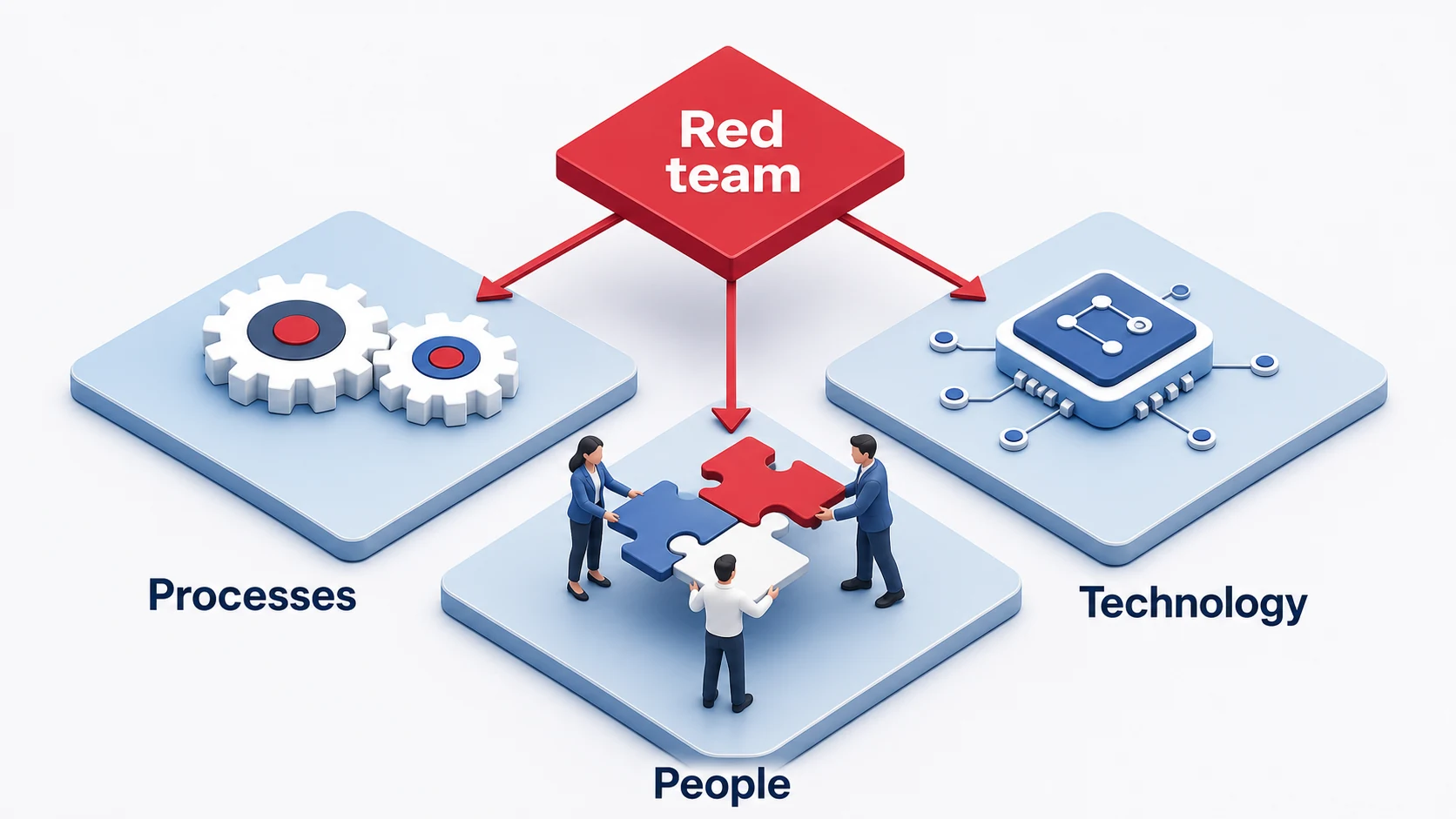
What is AI red teaming?
Design scoped adversarial tests for AI applications, examine tool and retrieval boundaries, and turn findings into regression coverage.
Red TeamingEvaluationAI Agents
Page 2 of 2
Design scoped adversarial tests for AI applications, examine tool and retrieval boundaries, and turn findings into regression coverage.
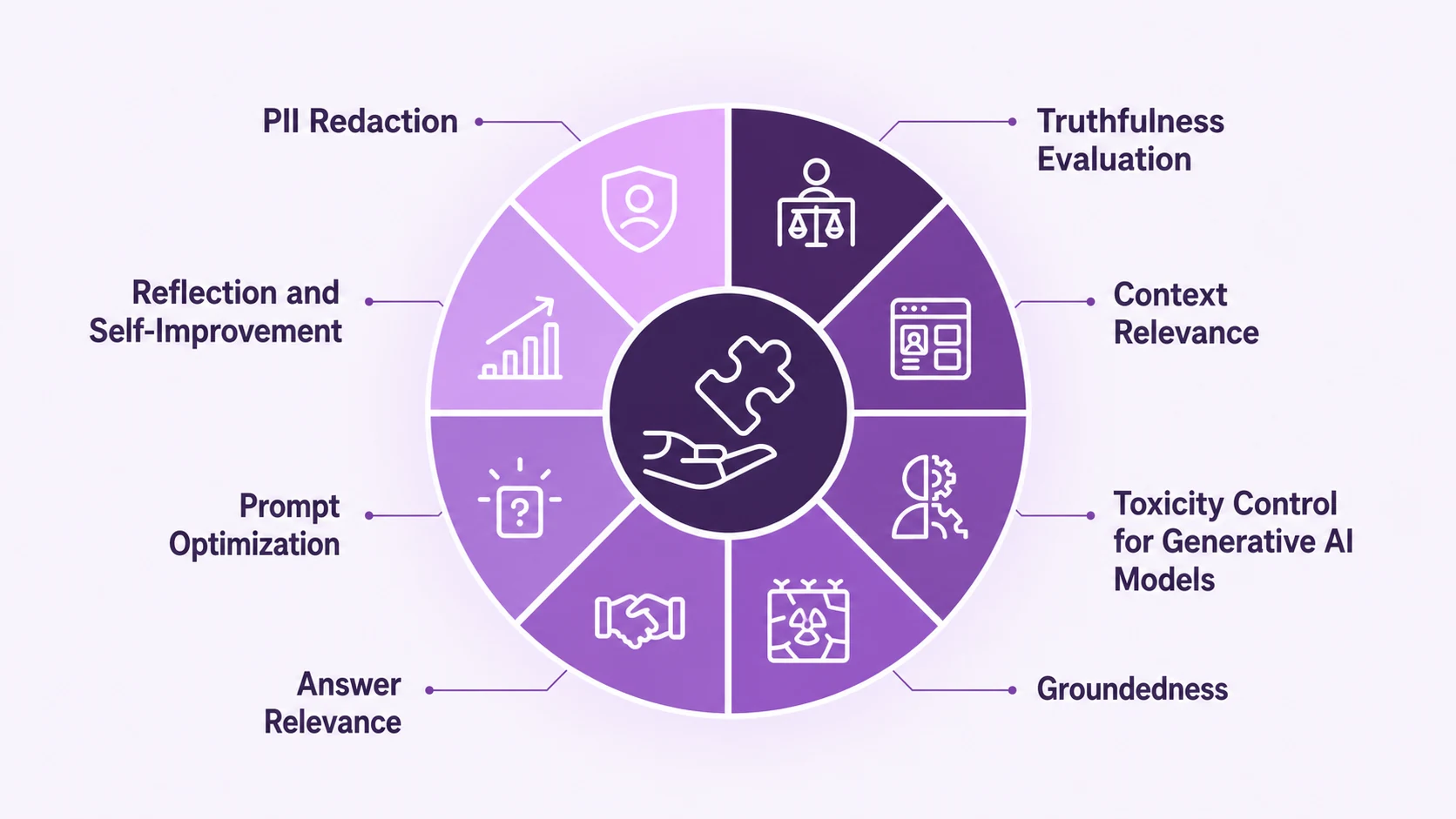
A practical framework for evaluating AI agent outcomes, trajectories, tool use, safety, latency, and cost before and after release.
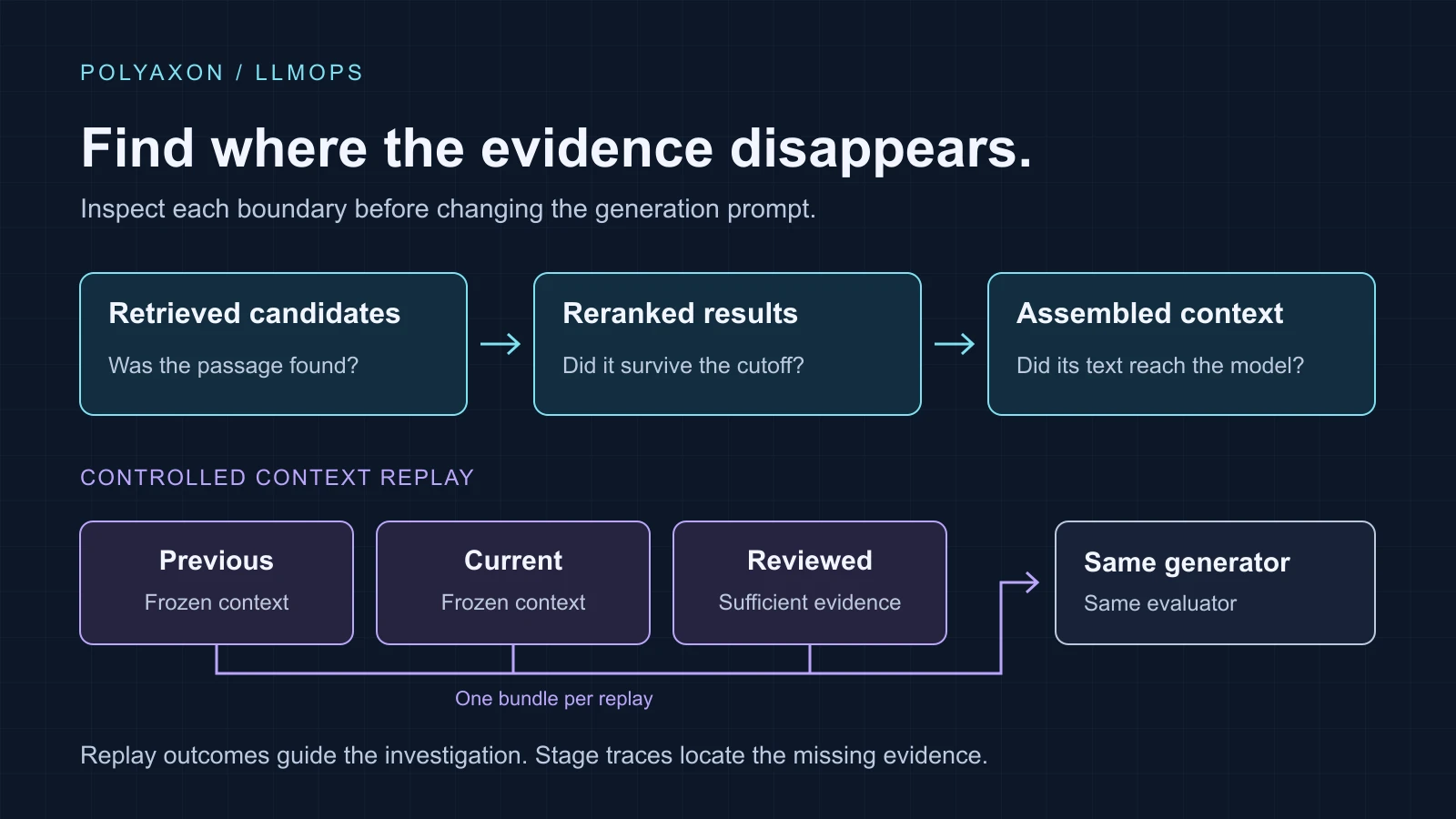
Trace missing evidence through retrieval, reranking, and context assembly, then replay frozen context in Polyaxon to locate a RAG regression.
Run recurring agent evaluations and controlled historical backfills with Polyaxon schedules, date-range matrices, explicit window identity, and fresh results.
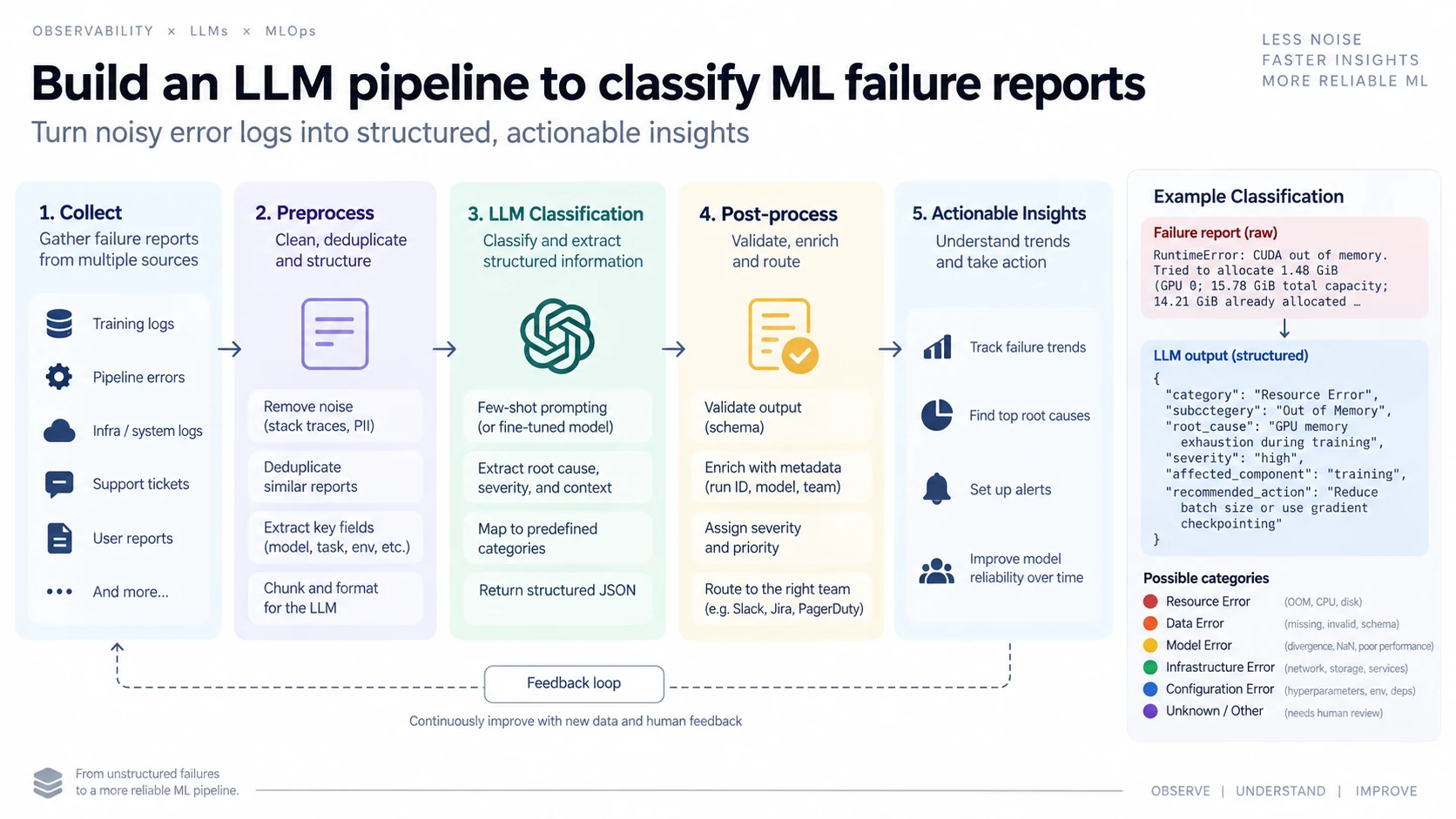
Use Polyaxon DAGs, tracked outputs, artifacts, and run comparison to develop a reviewable classifier for ML workload failure reports.

Connect bounded LLM tools to Polyaxon sandboxes, validate calls in the host, retain execution receipts, and compare tool behavior in repeatable evaluation runs.

Use Polyaxon to version guardrail experiments, compare case-level outcomes, constrain execution, and require evidence before promoting an agent release.
Cache deterministic Polyaxon preparation steps while forcing fresh LLM evaluations, using explicit dependency identities and separate cache policies.

Use Polyaxon runs, versioned components, grid searches, case artifacts, and comparison views to qualify zero-shot prompts for production ML workflows.

Use Polyaxon failure and metric early-stopping rules to bound agent evaluation sweeps while preserving complete evidence and avoiding premature quality decisions.
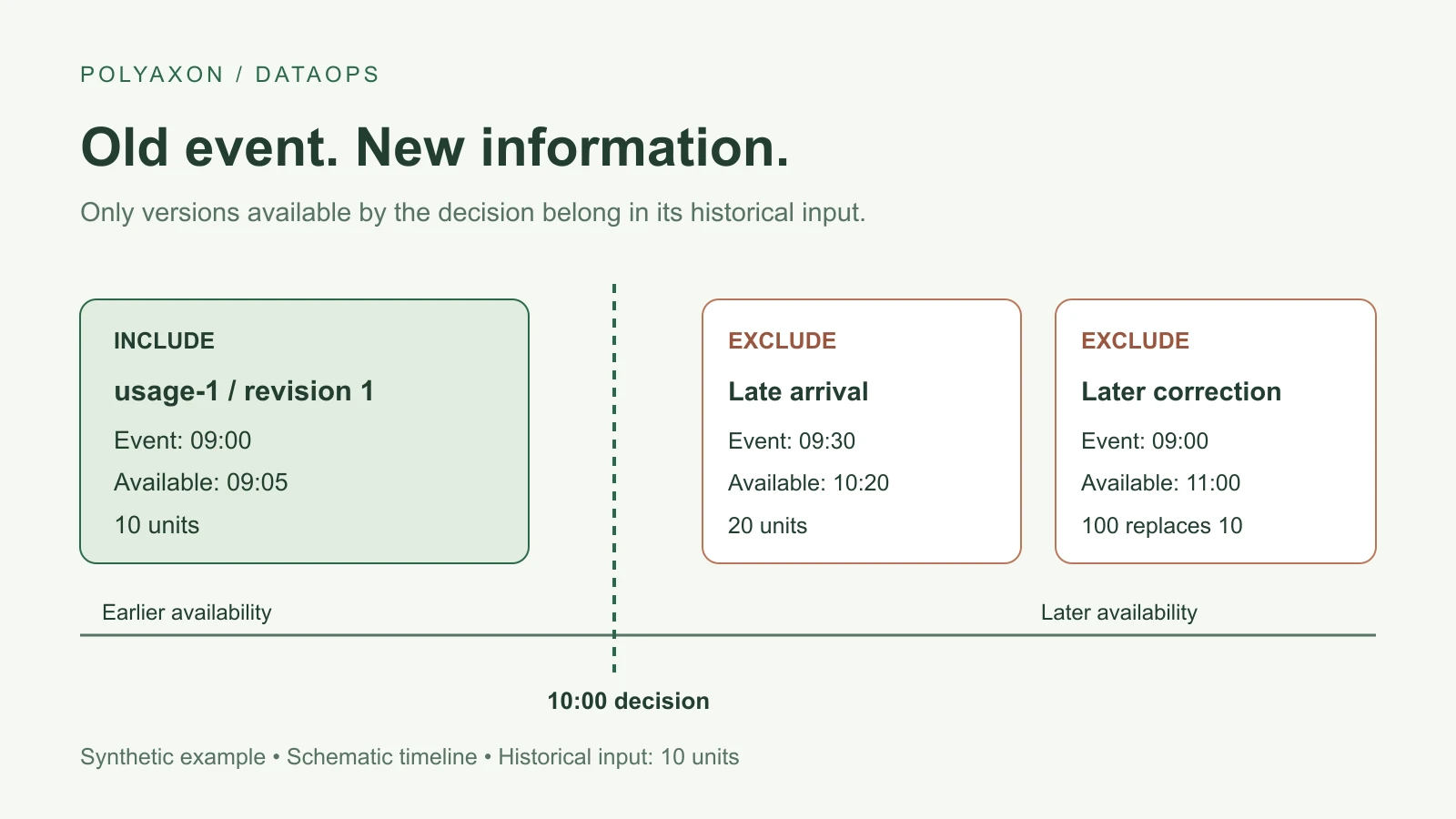
Reconstruct evaluation features using event time and actual availability time, excluding late arrivals and later corrections while preserving the source versions in Polyaxon.
Compare RAG chunk sizes, retrieval depth, and model choices with Polyaxon experiment matrices, fixed evaluation inputs, and quality-aware run comparisons.
Track usage and pricing assumptions in Polyaxon, compare cost against quality in run dashboards, and control resources and concurrency during LLM experiments.
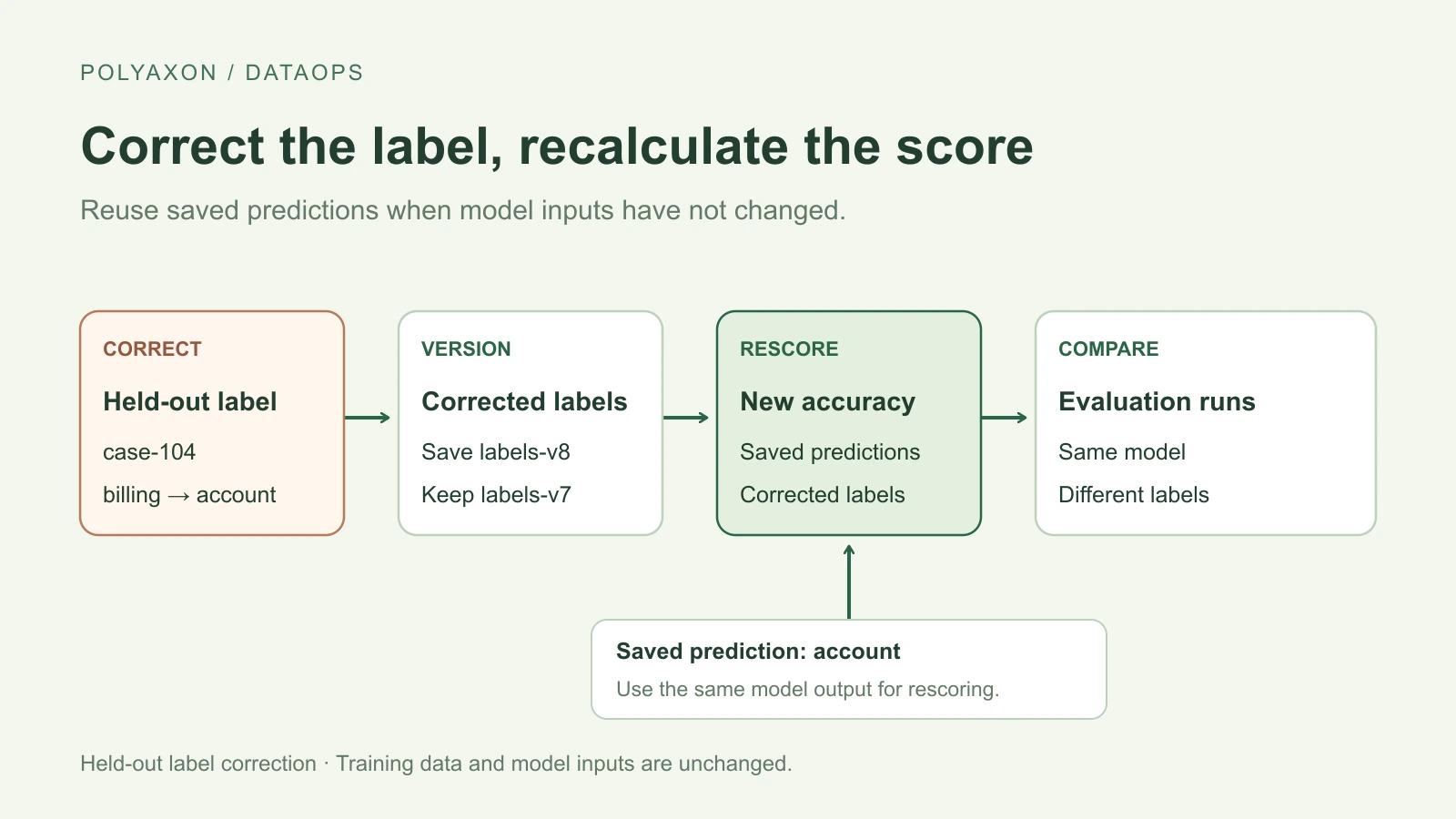
Keep corrected labels as a new dataset version, reuse predictions when model inputs are unchanged, and compare evaluation runs in Polyaxon.
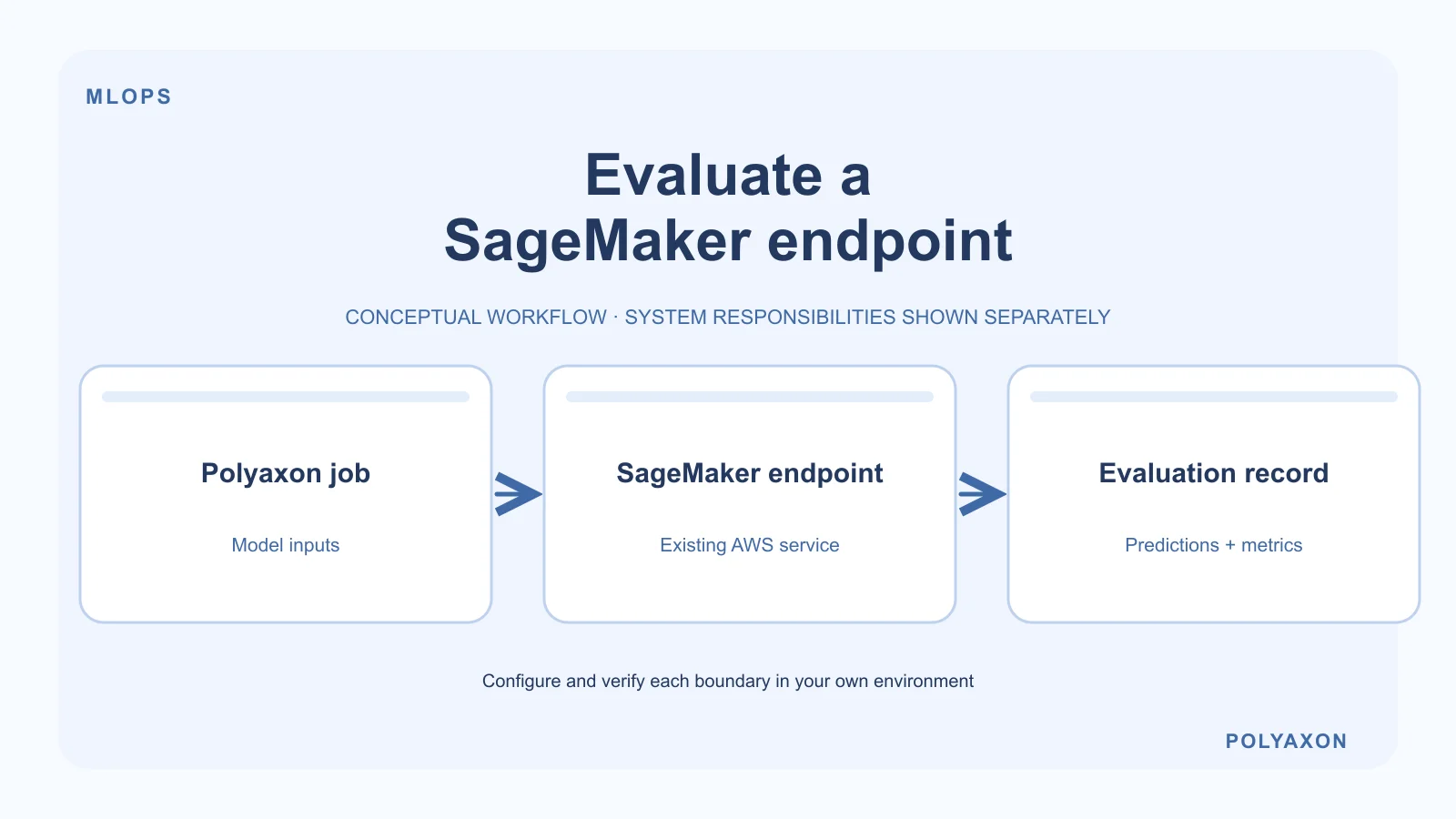
Call an existing SageMaker endpoint from a Polyaxon job and retain model-specific predictions and evaluation results.