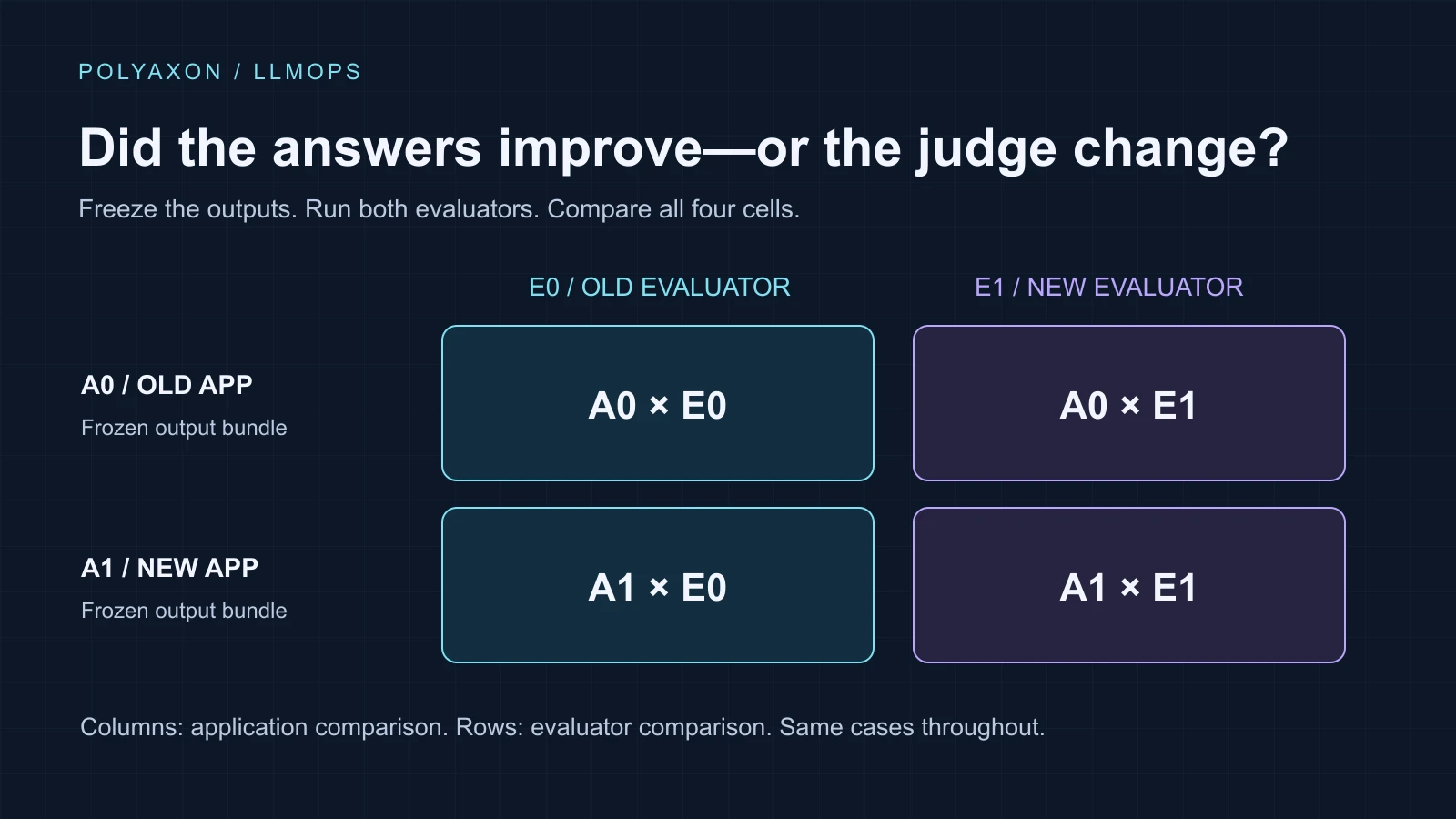
Separate evaluator changes from application improvements
Compare old and new application outputs under both evaluator versions, inspect changed decisions, and retain the four comparisons in Polyaxon.
LLMOpsEvaluationExperimentation
The latest guides, tutorials, and product updates.
Compare old and new application outputs under both evaluator versions, inspect changed decisions, and retain the four comparisons in Polyaxon.
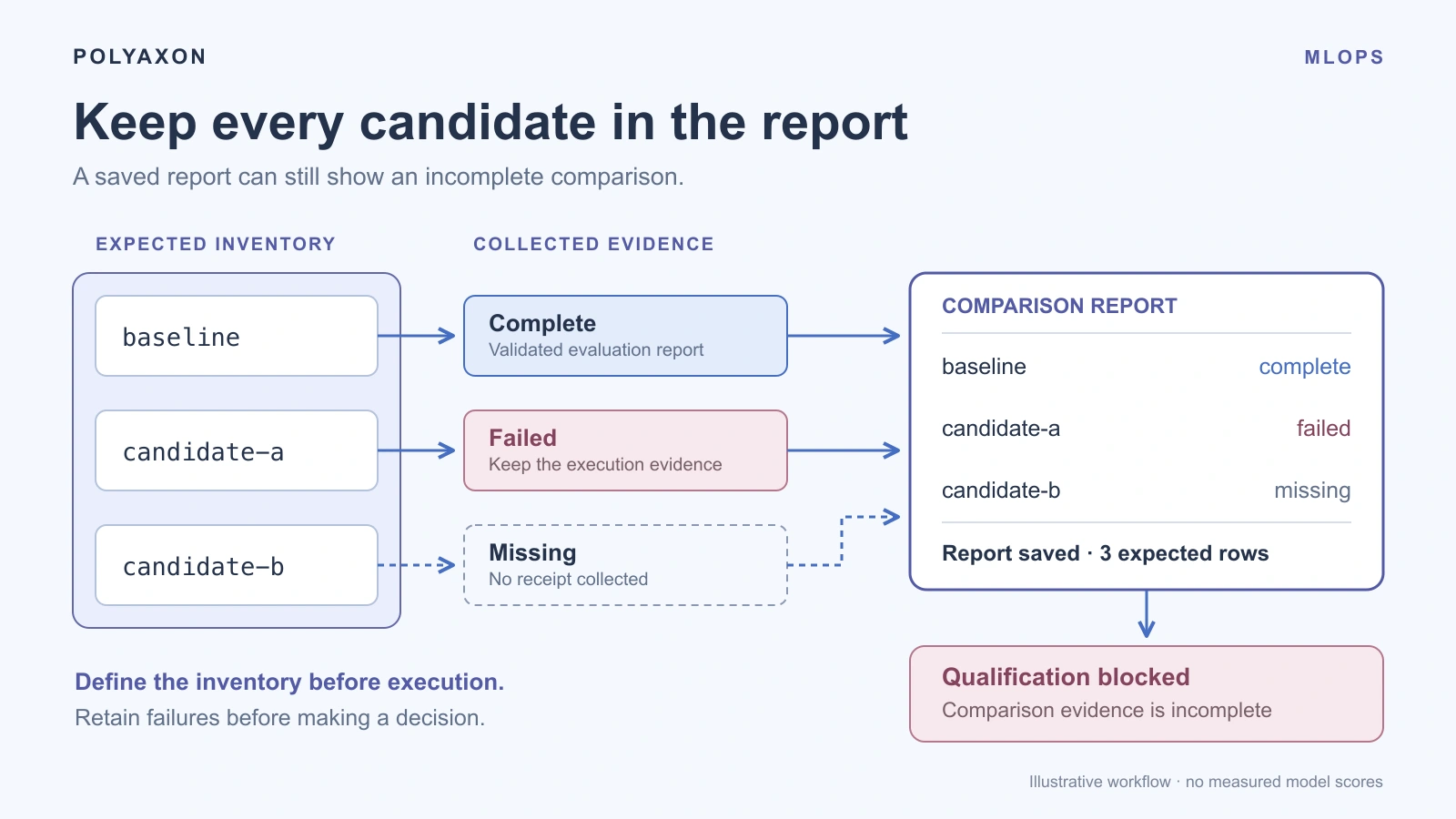
Reconcile evaluation results against an expected candidate manifest, preserve failed and missing outcomes, and separate pipeline reporting from release approval.
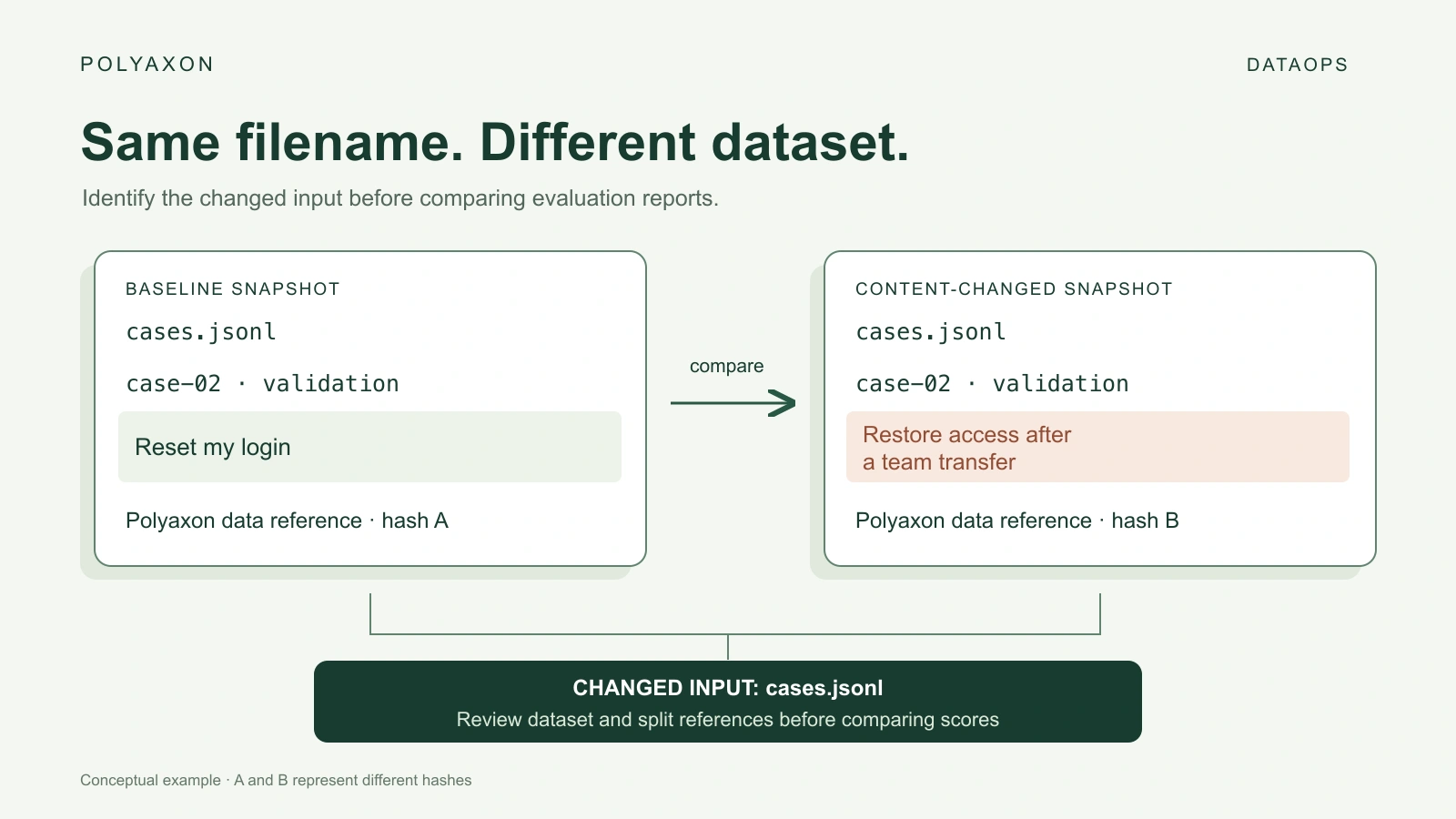
Use Polyaxon data references, artifact logging, and registered versions to retain the dataset and split behind each evaluation.
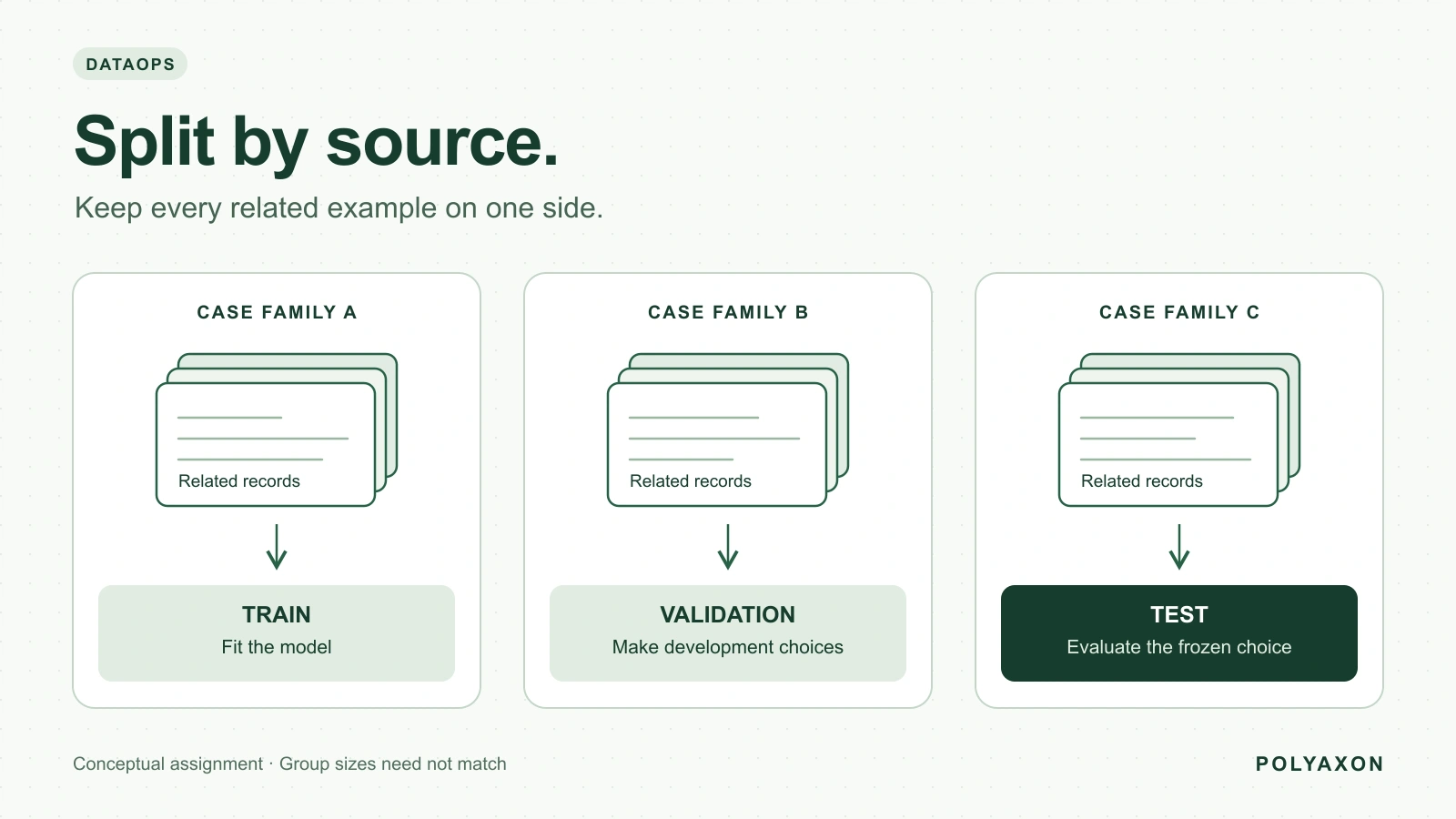
Choose evaluation boundaries, keep related examples together, audit duplicate overlap, and retain reproducible split manifests for ML and LLM experiments.
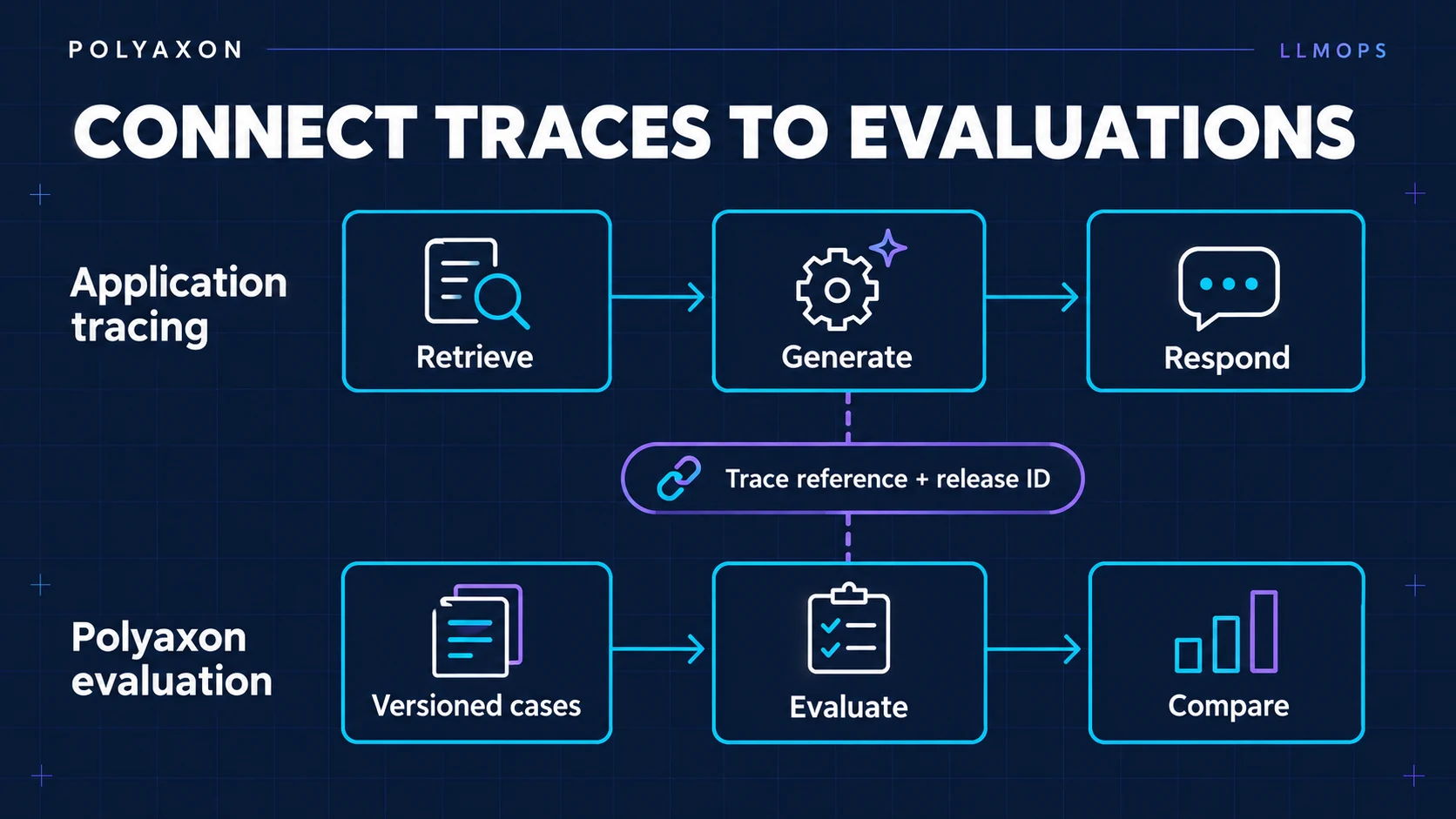
Keep release, dataset, evaluator, and sampling context connected as you investigate LLM failures and compare fixes with Polyaxon.
Give evaluation shards stable indexes and independent retry budgets with Kubernetes Indexed Jobs, while keeping incomplete results visible.
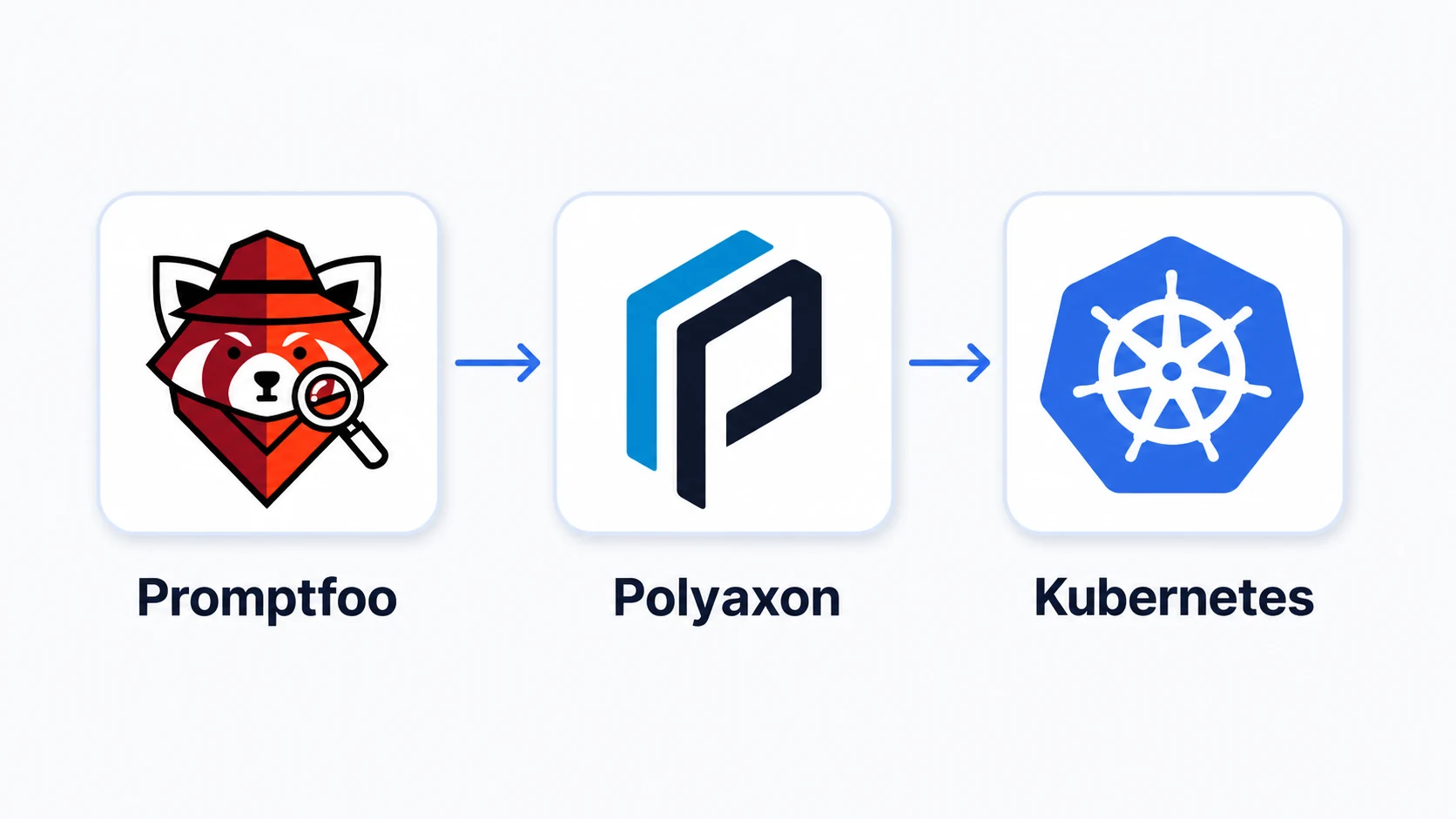
Package a Promptfoo suite as a Polyaxon job, export evaluation reports, track artifacts, and verify that failed checks fail the workload.
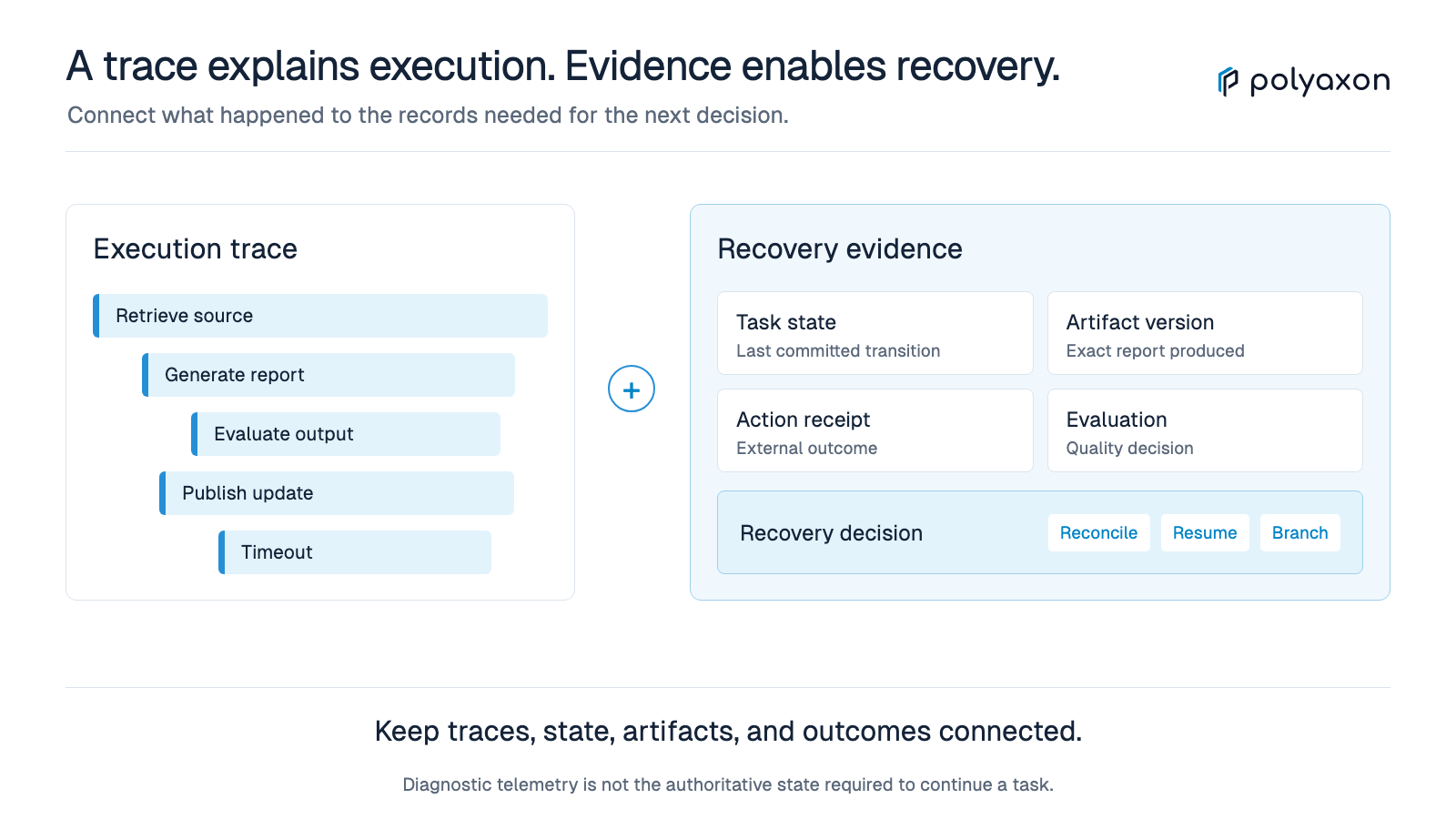
Connect agent traces to checkpoint state, versioned artifacts, action receipts, and evaluations so failures lead to controlled recovery and reproducible improvements.
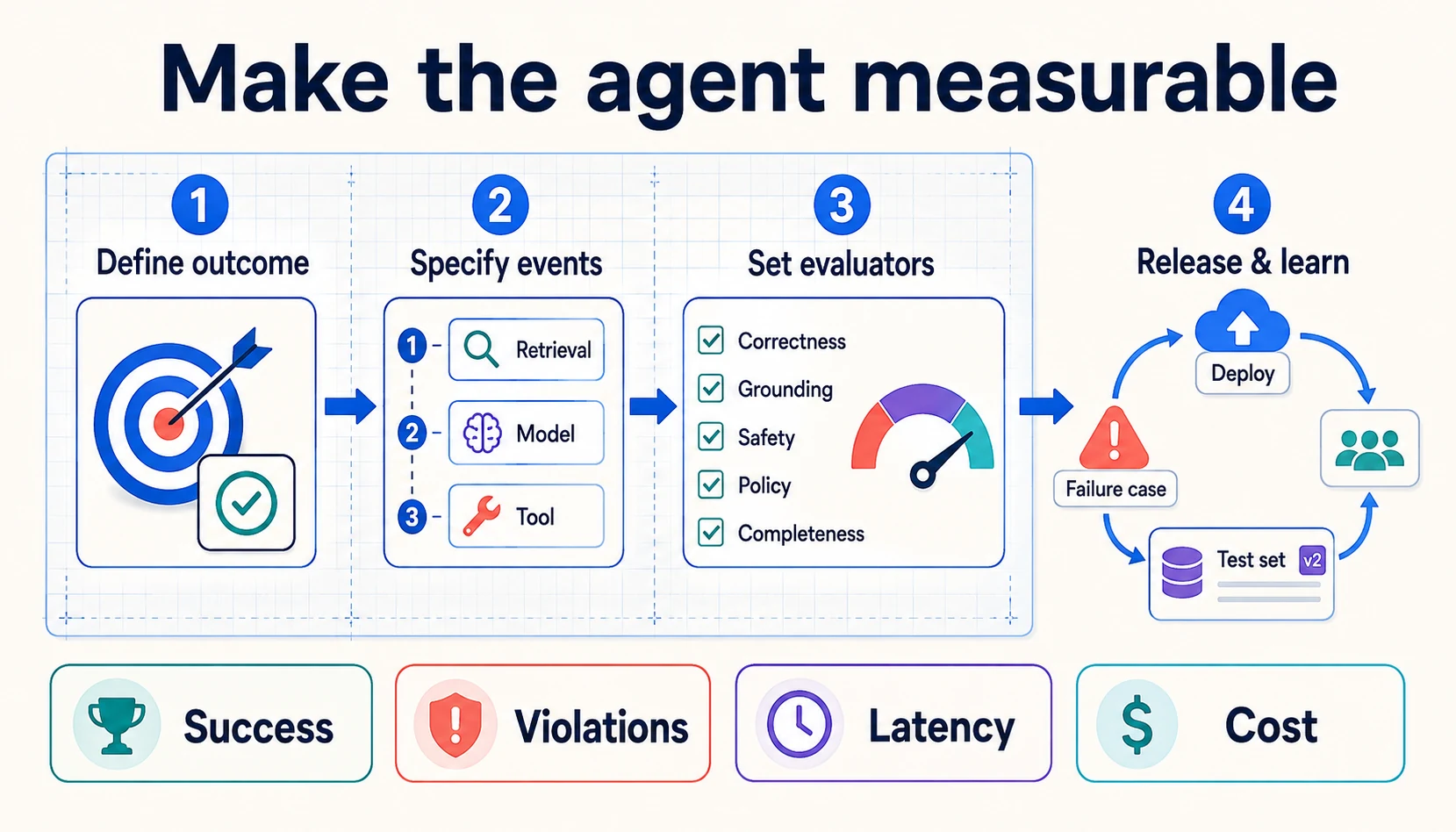
Define agent outcomes, prohibited actions, events, evaluators, budgets, segments, and feedback loops before implementation begins.
Design reliable batch LLM evaluations with stable shards, bounded concurrency, GPU-aware placement, resumable results, and complete aggregation.
Package application-owned agent evaluators as versioned Polyaxon components with typed contracts, reusable execution profiles, and consistent result evidence.
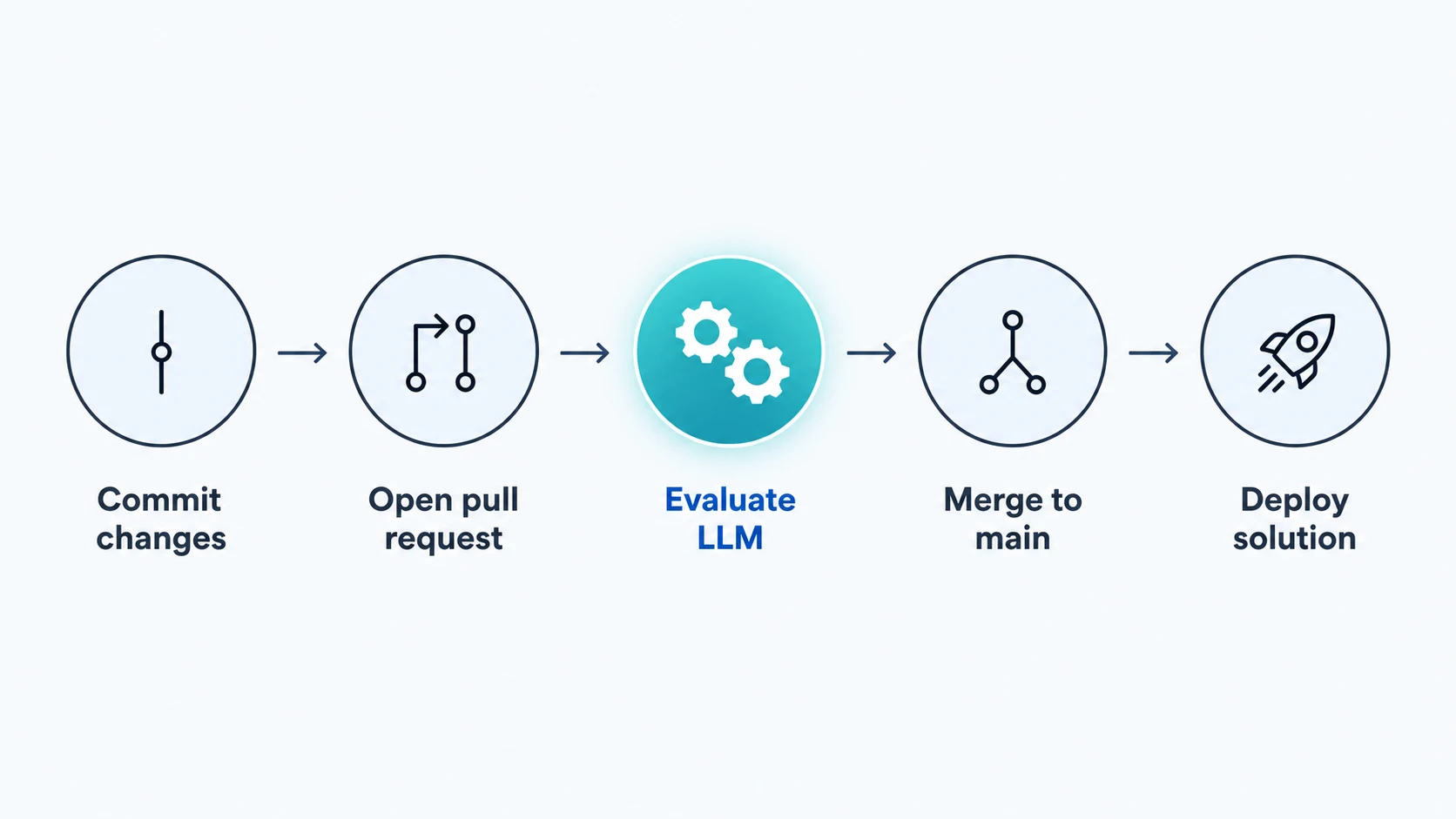
Turn AI security findings into repeatable CI checks with versioned cases, complete result manifests, explicit release gates, and retained evidence.

Control what coding agents can read, change, execute, merge, and deploy with layered checks from context selection through production.
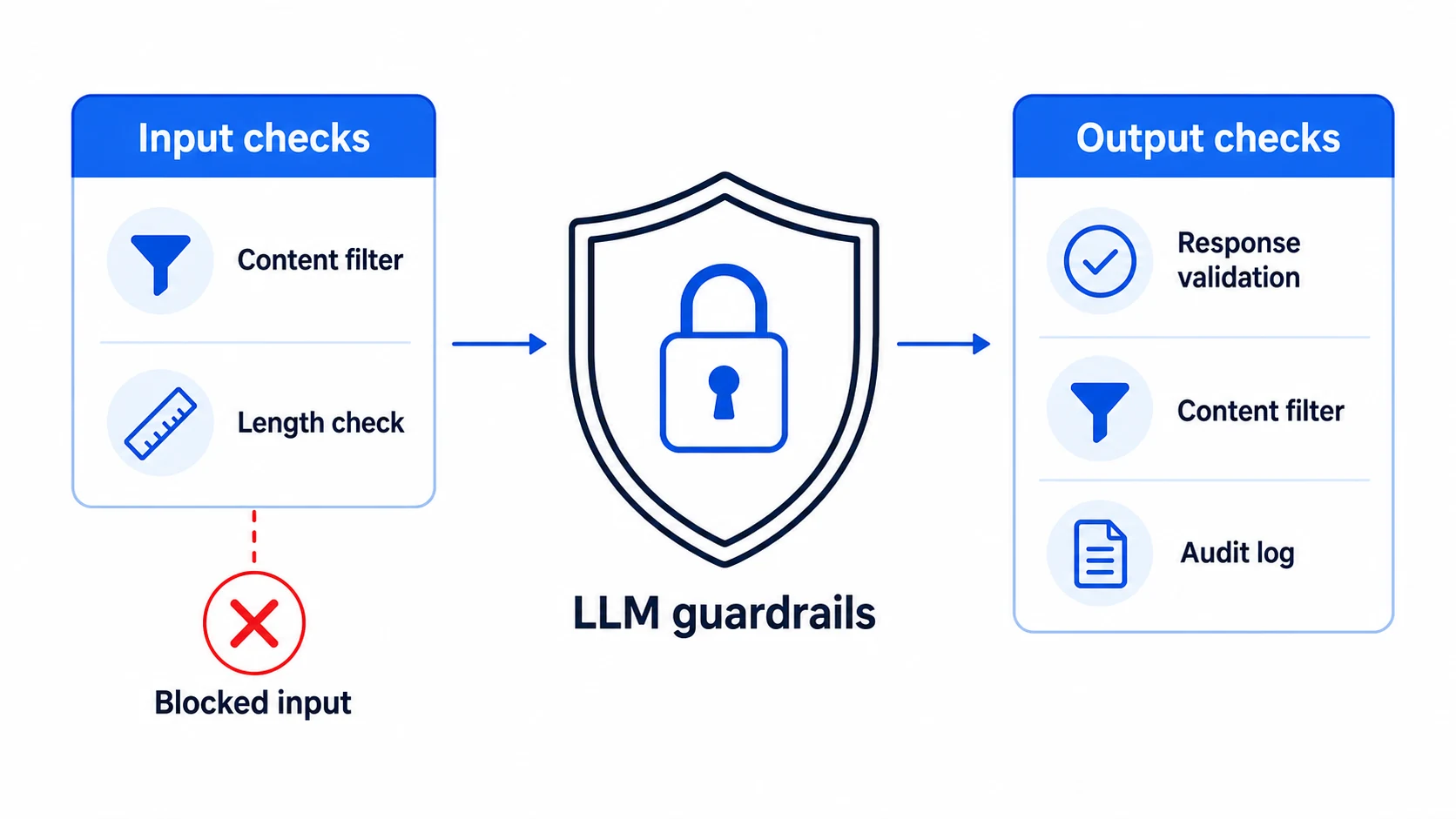
Compare LLM guardrails using attack blocking, legitimate task success, false refusals, latency, cost, and explicit handling of errors.
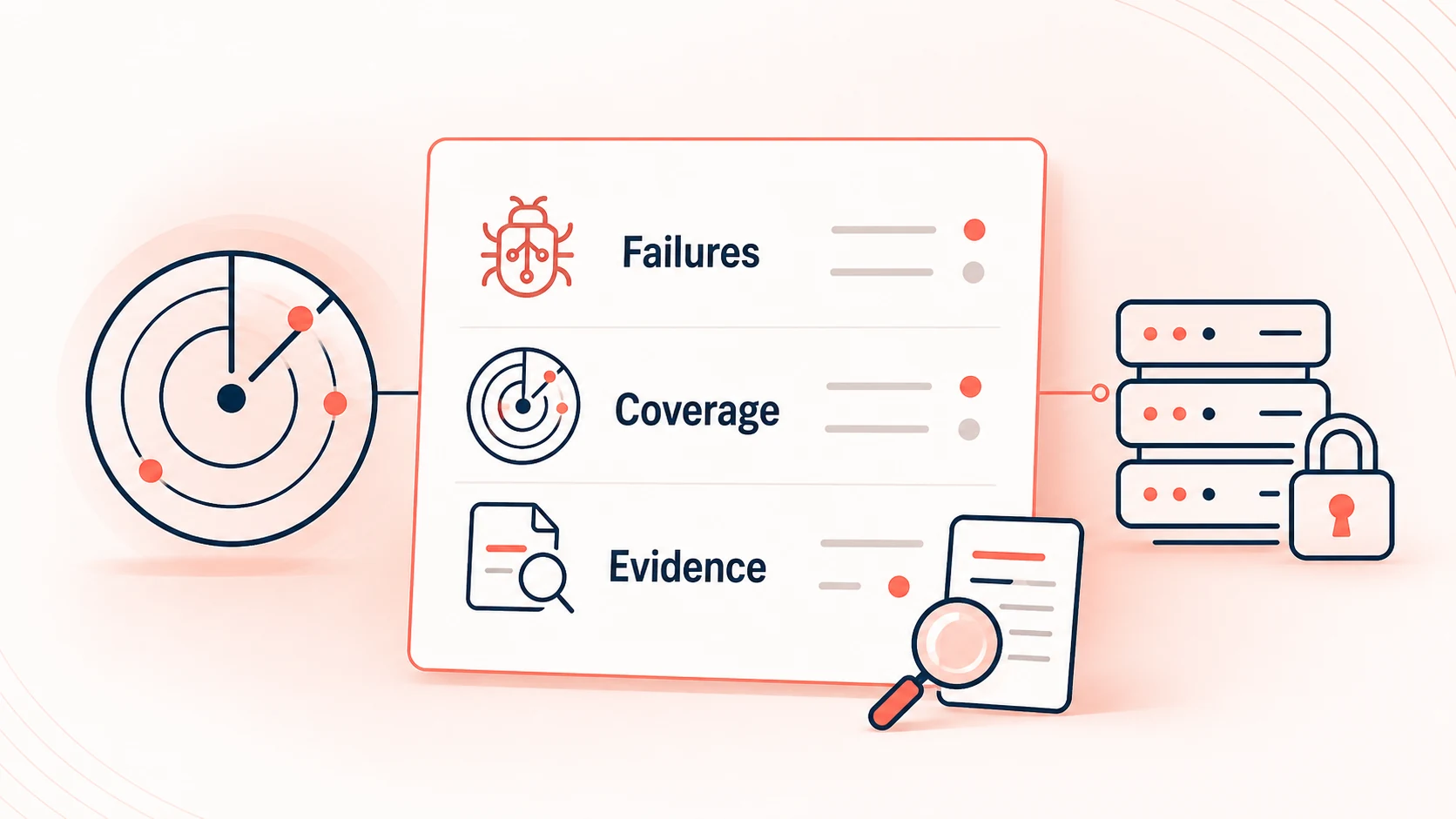
Measure AI red teaming with explicit attack success rates, attempt budgets, coverage, false refusals, severity, and evaluator uncertainty.
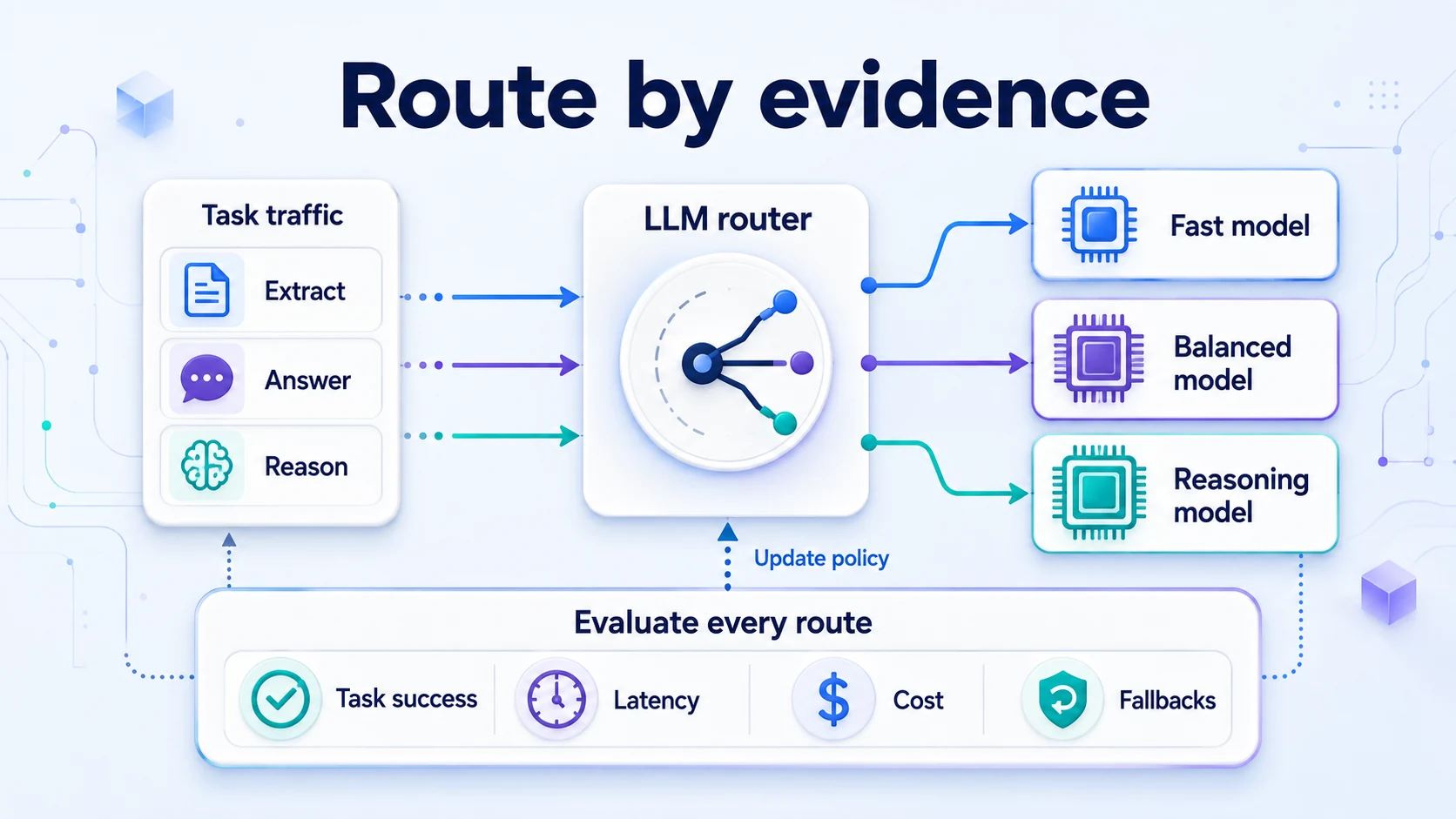
Test LLM routing policies with task-level quality, cost, latency, fallbacks, route stability, and model-aware production evidence.
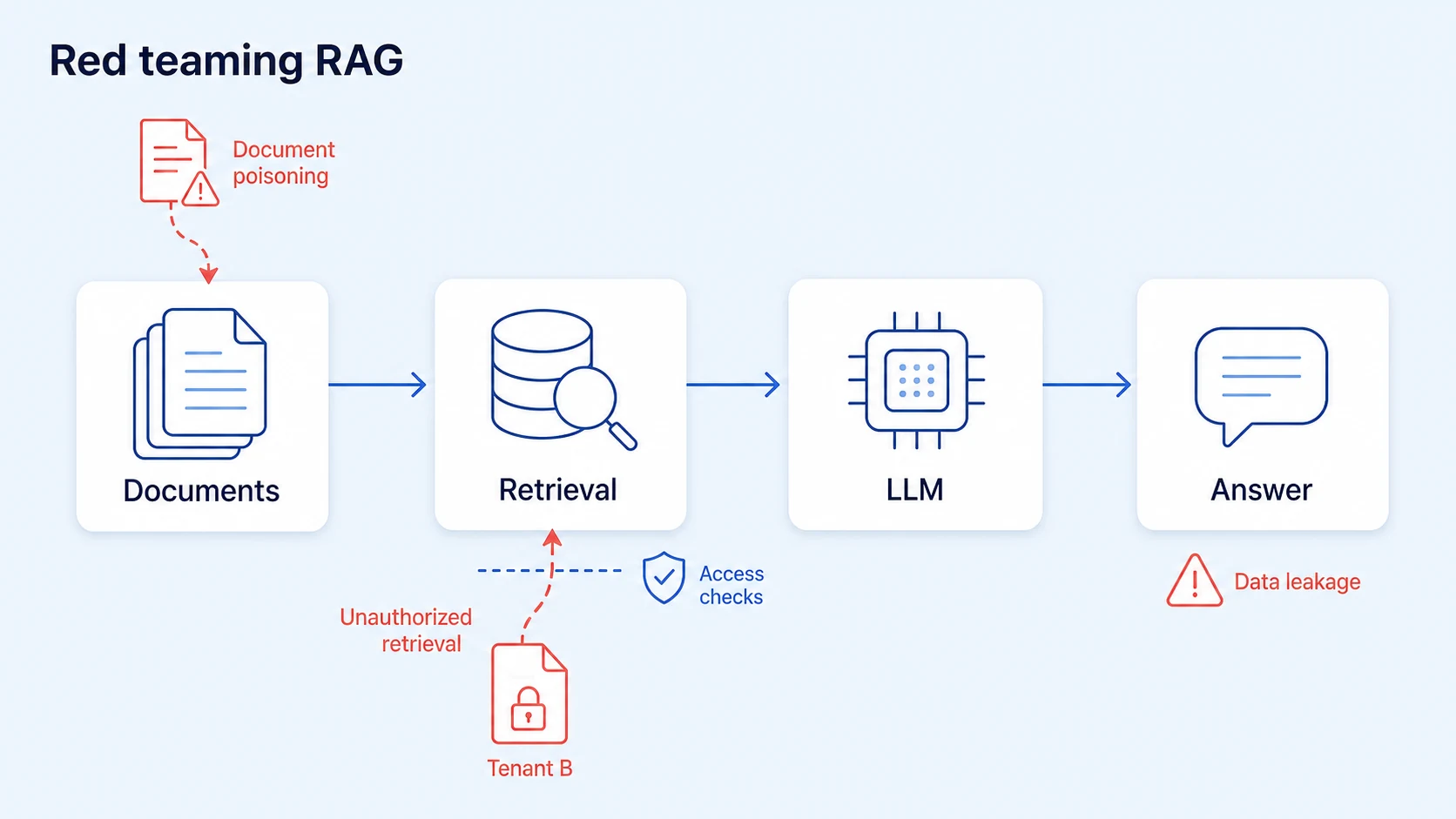
Test RAG systems for poisoned documents, cross-tenant retrieval, stale permissions, citation leaks, and unauthorized tool actions.
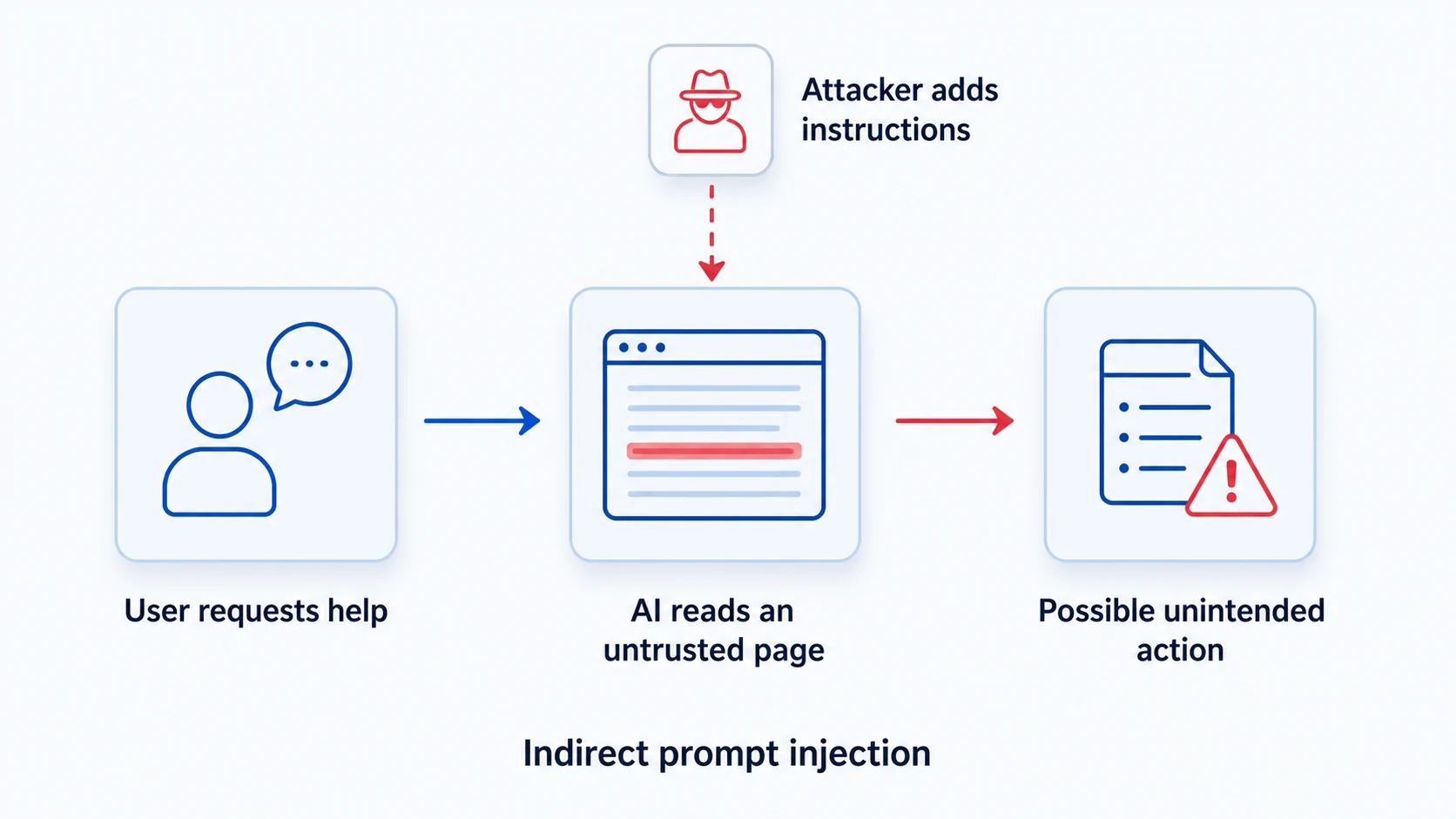
Build prompt injection tests for user input, retrieved documents, and tool responses, with checks for data access and actual side effects.
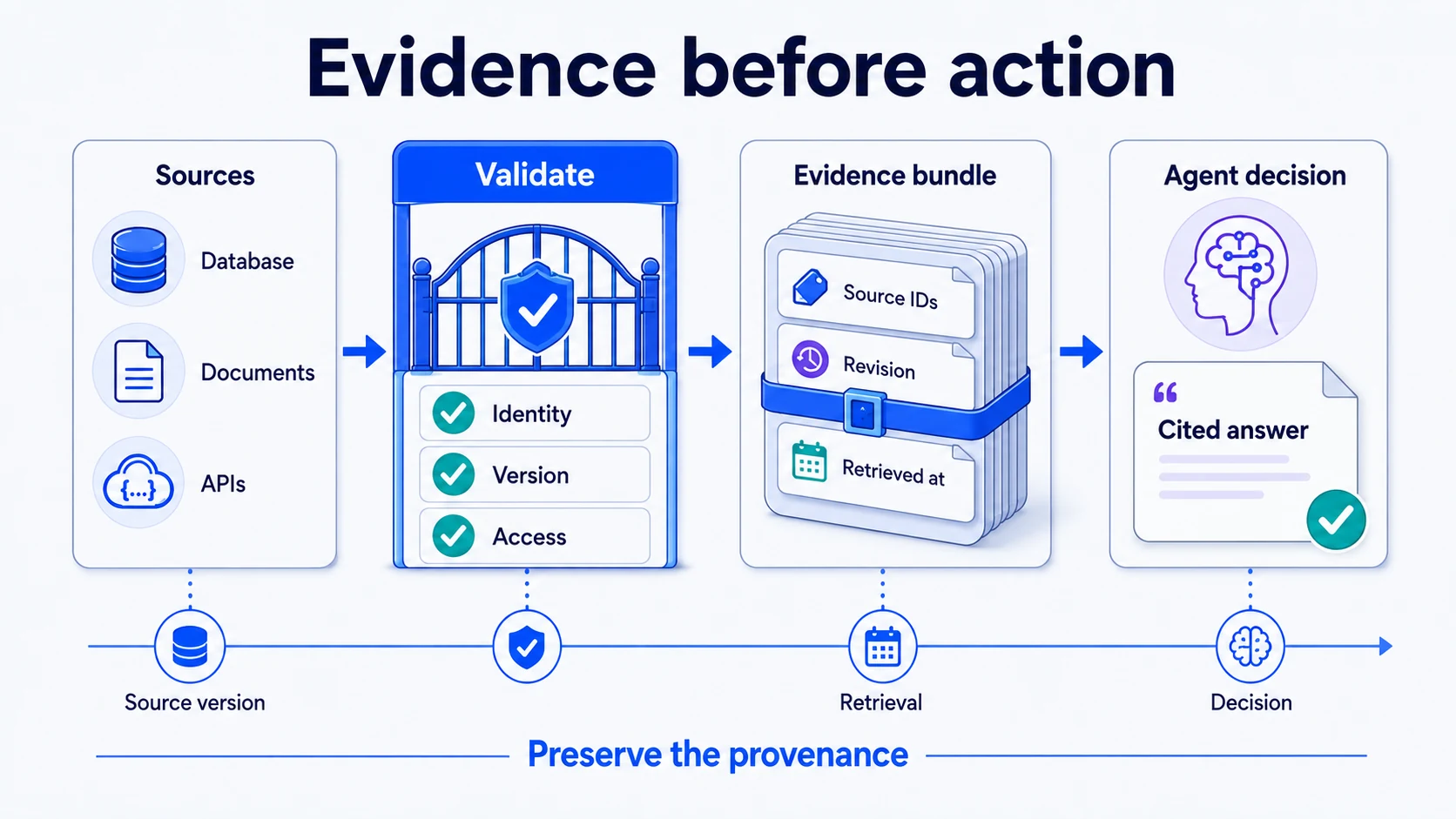
Design agent data paths that preserve source identity, versions, permissions, freshness, retrieval evidence, and verification results.
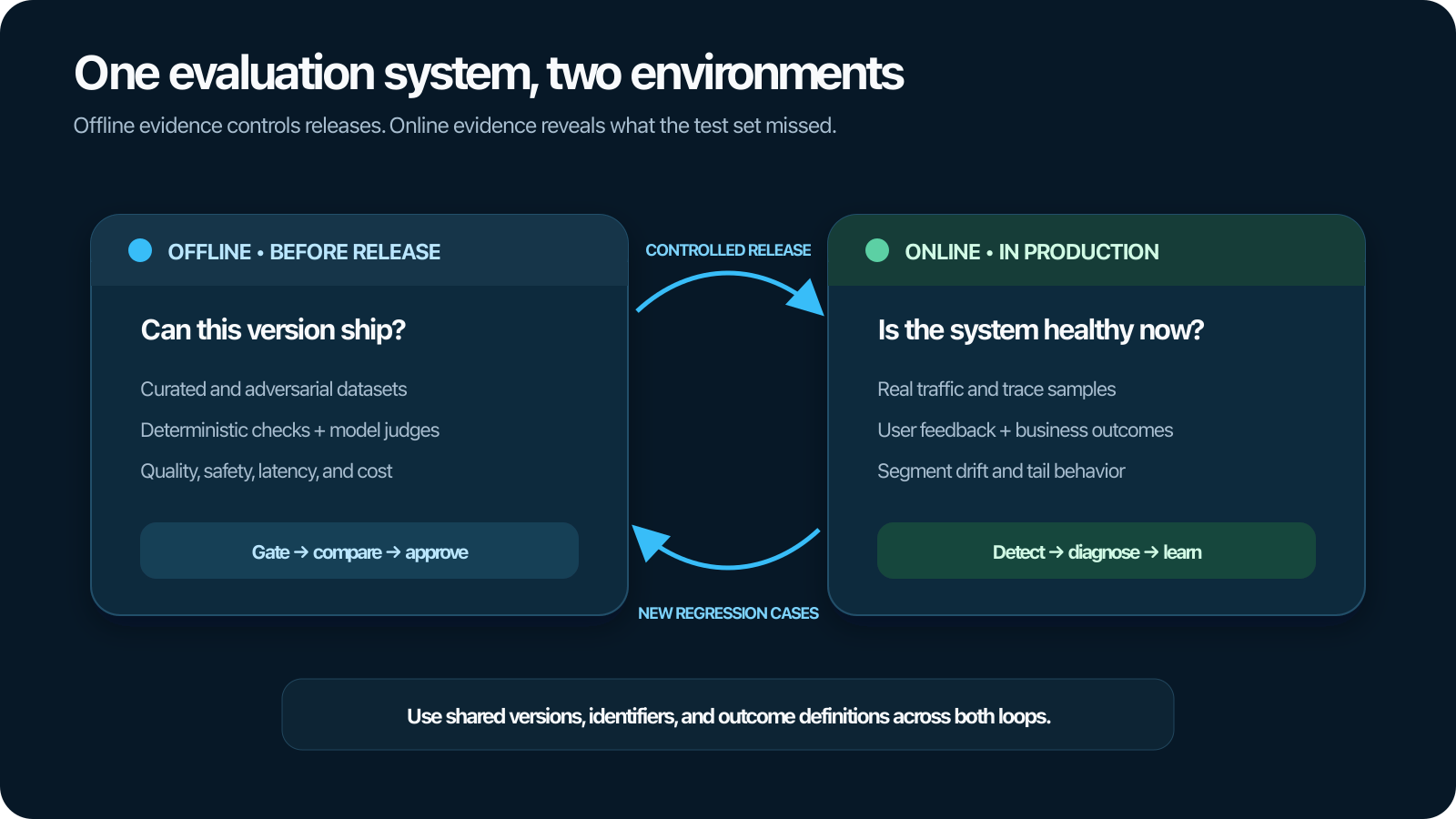
Use offline evaluation for reproducible release decisions and online evaluation for real production behavior, then connect both in one feedback loop.
Use Polyaxon joins to select comparable evaluation runs and build application-owned leaderboards with explicit cohort, completeness, and artifact evidence.
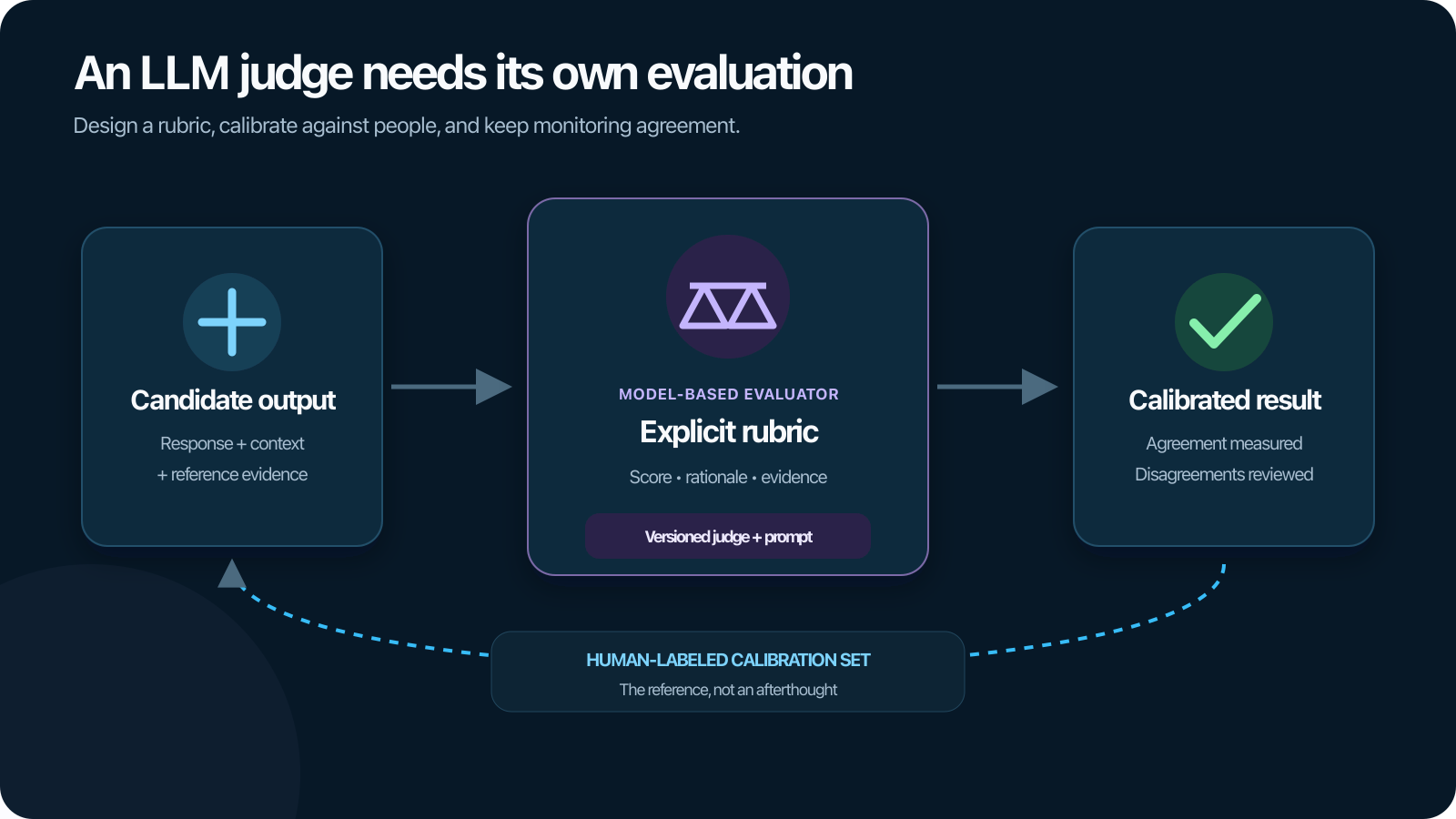
Use LLMs as scalable evaluators without treating them as ground truth: design clear rubrics, calibrate against humans, and monitor bias and drift.
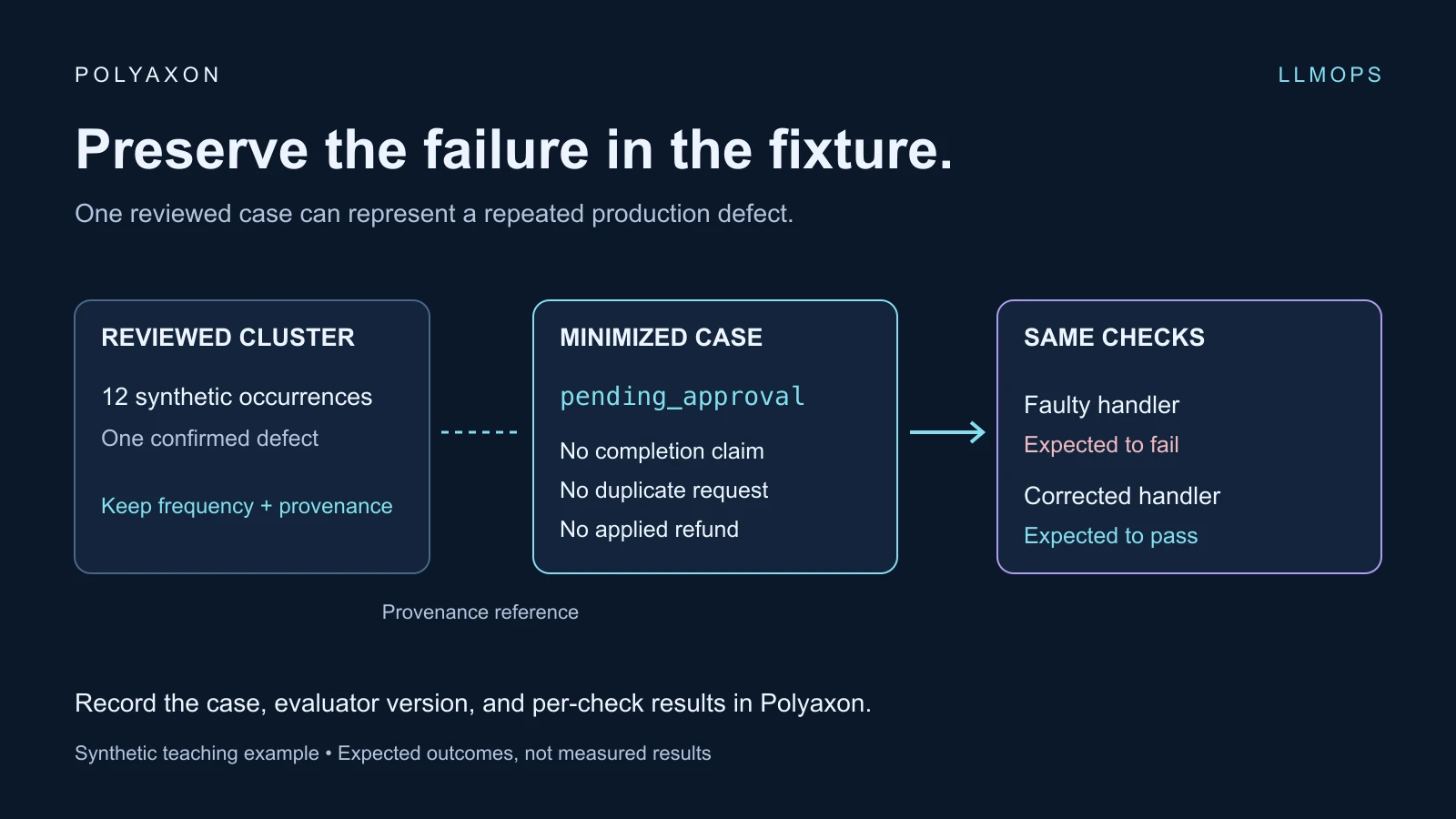
Turn a failure cluster into a reviewed regression case, preserve the causal tool response, and record baseline and candidate checks with Polyaxon.
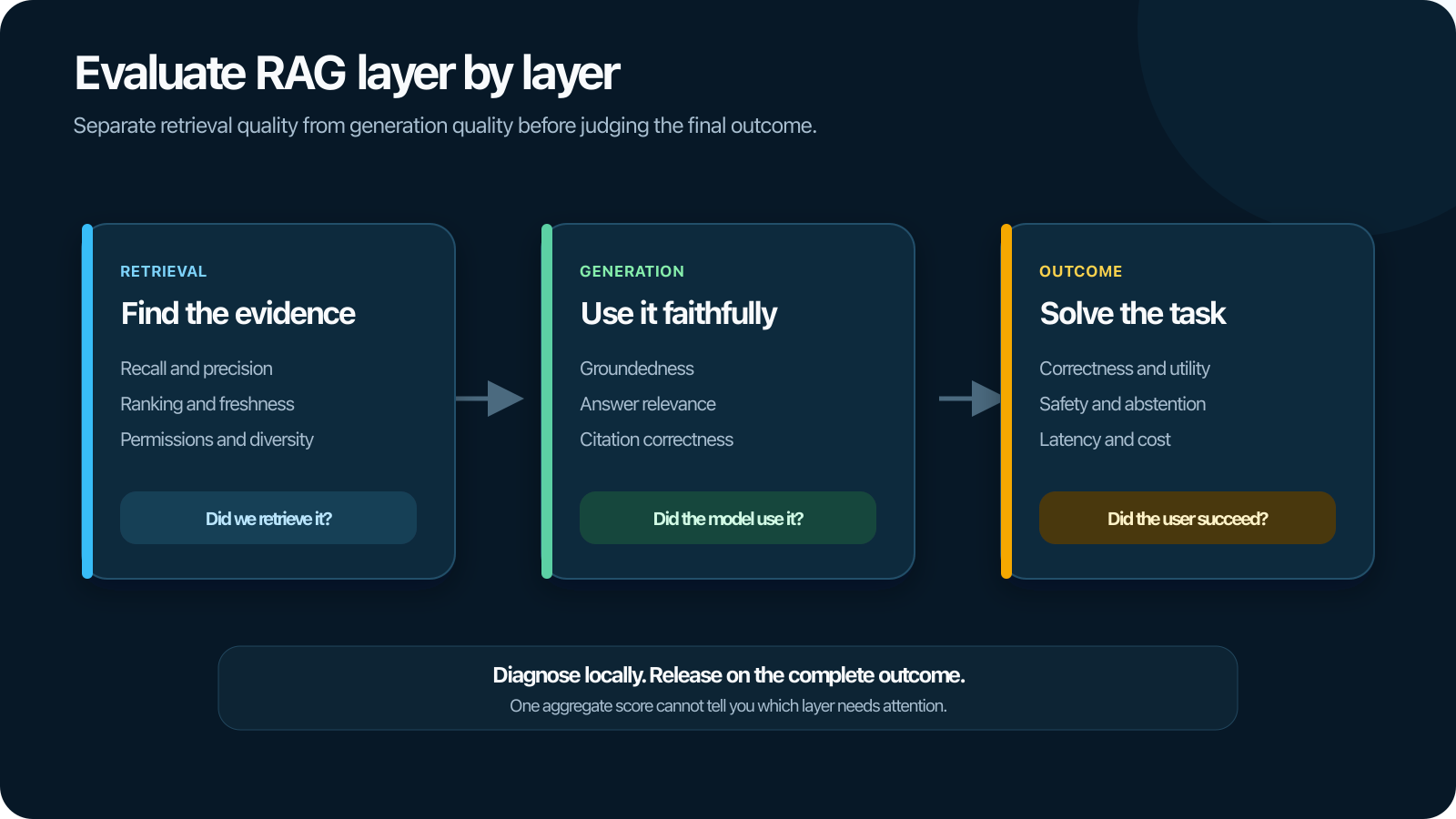
Evaluate retrieval and generation separately and end to end with representative datasets, groundedness checks, retrieval metrics, and production feedback.