Use kubectl patch safely
Choose strategic merge, JSON merge, or JSON Patch deliberately, preview changes, and reconcile emergency Kubernetes patches with declarative configuration.
KubernetesGuides
Page 3 of 7
Choose strategic merge, JSON merge, or JSON Patch deliberately, preview changes, and reconcile emergency Kubernetes patches with declarative configuration.
Keep ordinary Pods away from specialized nodes and combine tolerations with positive placement rules for GPU and interruptible ML capacity.
Understand how CRI runtimes, OCI images, low-level runtimes, RuntimeClass, and GPU integrations affect Kubernetes ML workloads.
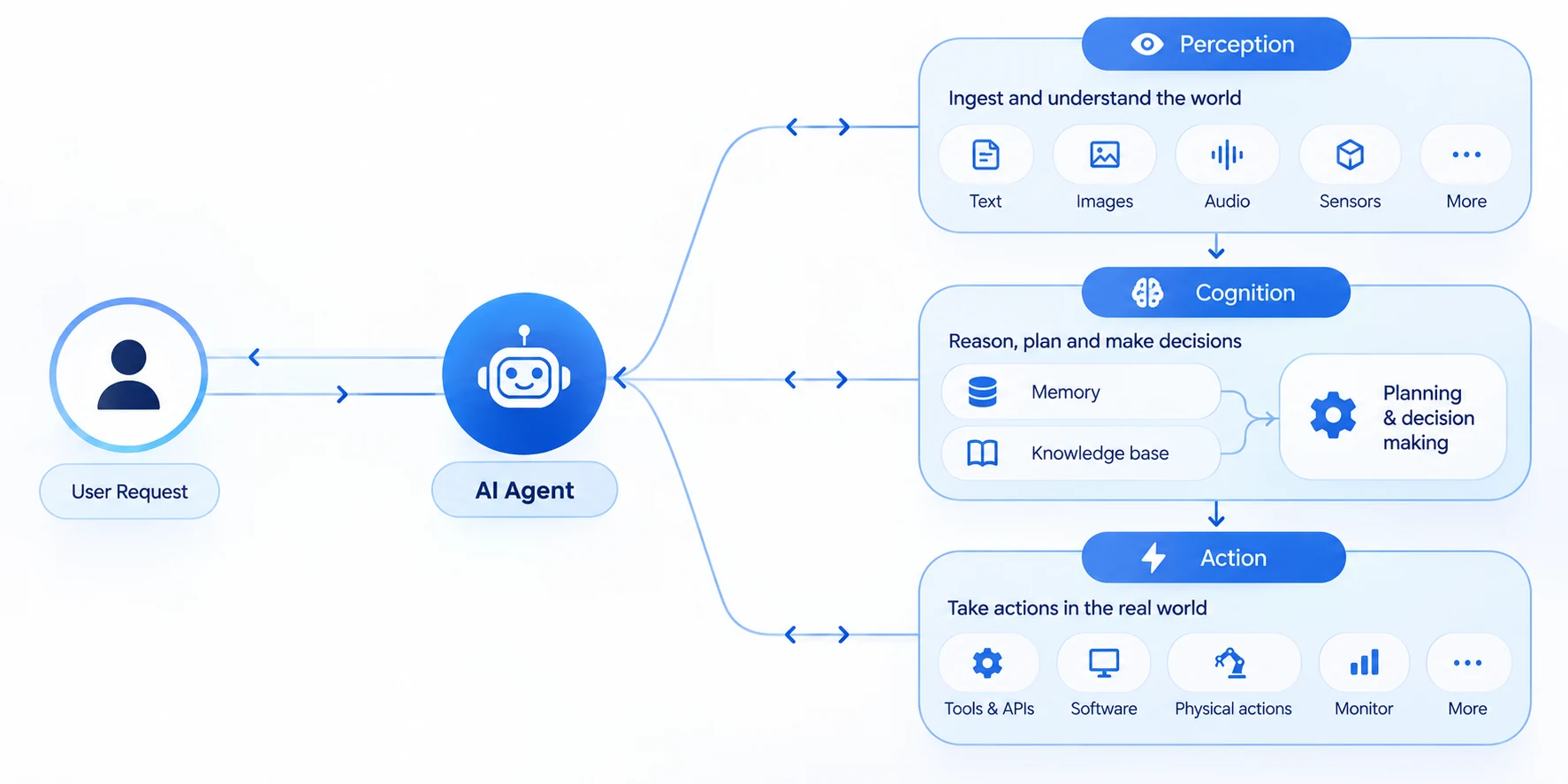
Map agent architectures to Polyaxon jobs, services, and DAGs, with concrete workload configuration and a repeatable architecture-comparison workflow.
Use PostStart and PreStop hooks without confusing them with initialization, readiness, durable events, or application-level shutdown handling.
Diagnose Kubernetes Pod sandbox failures by narrowing the problem to CNI networking, IP allocation, the container runtime, or node health.
Follow an ML workload through the API server, scheduler, controllers, kubelet, runtime, networking, storage, and platform add-ons.
Design identity, isolation, quotas, queues, networking, storage, and observability for multiple ML teams sharing Kubernetes infrastructure.
Debug Kubernetes containers that terminate with exit code 1 by checking logs, commands, arguments, resources, and pod recreation behavior.
Use native sidecar containers for tightly coupled helpers while keeping startup, shutdown, resources, security, and data ownership explicit.
Monitor Kubernetes object state for ML workloads while separating desired state, resource usage, application outcomes, and high-cardinality metadata.
Design Kubernetes audit policy, collection, retention, and investigation workflows for shared ML clusters without recording sensitive payloads by default.
Schedule repeatable Kubernetes jobs with explicit time zones, concurrency, deadlines, history limits, idempotency, and observable outcomes.
Understand node components, conditions, capacity, labels, taints, failure behavior, and lifecycle management for Kubernetes ML clusters.
Choose PersistentVolumes, claims, StorageClasses, access modes, and reclaim policies for ML workspaces, caches, checkpoints, and services.
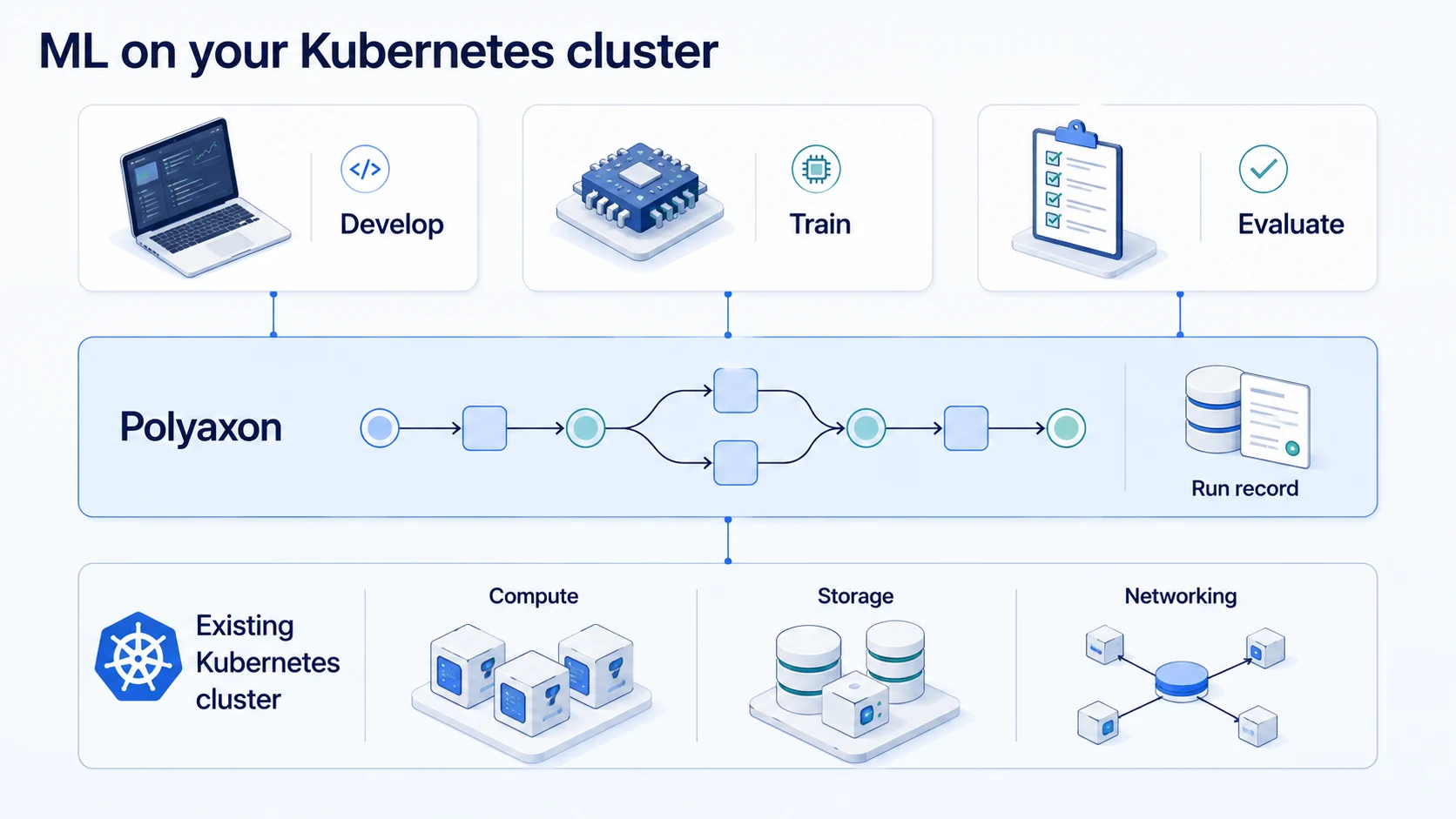
Evaluate managed Kubernetes services for ML using responsibility, GPUs, networking, storage, identity, observability, cost, and portability.
Design OpenTelemetry Collector pipelines for ML services with clear receivers, processors, exporters, deployment patterns, and failure controls.
Build layered Amazon EKS monitoring for control-plane activity, Kubernetes state, nodes, GPUs, applications, ML runs, and telemetry health.
Learn what Pods provide, what they do not preserve, and how to design resources, lifecycle, sidecars, storage, and debugging for ML workloads.
Understand how ReplicaSets maintain Pod replicas, why Deployments normally own them, and where they fit in ML workloads.
Design Prometheus alerts and Alertmanager routing for ML platforms without noisy pages, missing owners, or unsafe high-cardinality labels.
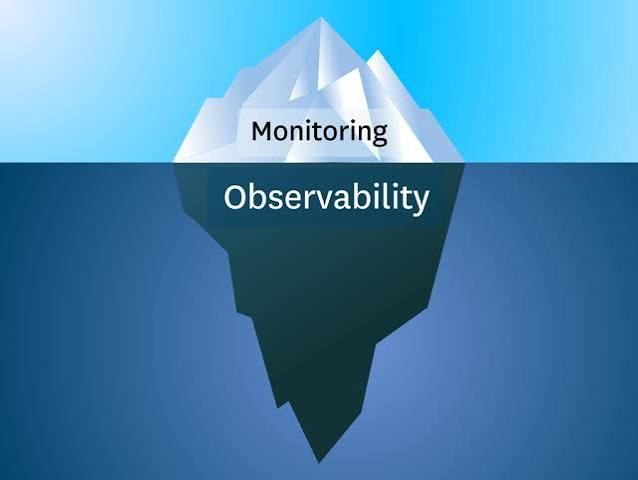
Separate monitoring from observability, then combine metrics, logs, traces, run context, and model evaluation into an effective ML operating model.
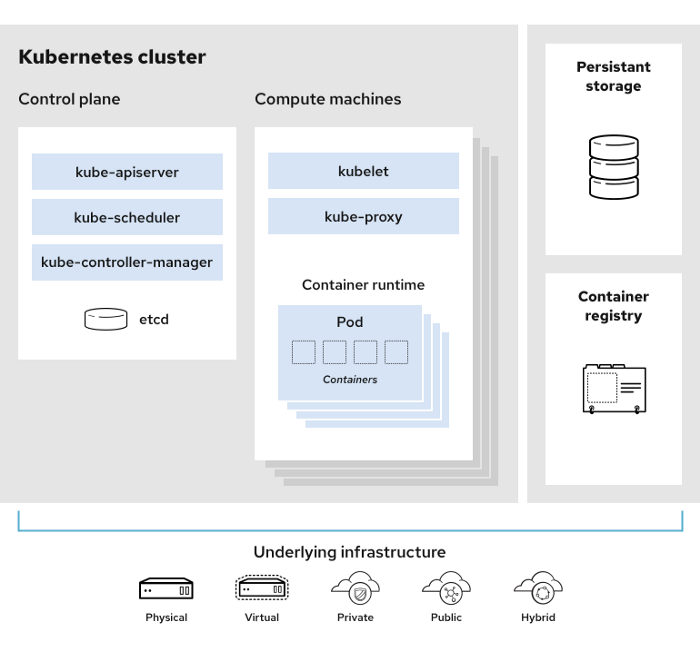
Use kubeadm as a reliable cluster bootstrap layer while planning networking, high availability, upgrades, recovery, and ML infrastructure separately.
Learn when CustomResourceDefinitions fit an ML platform, how controllers make them useful, and how to design their lifecycle safely.