Optimize one model three ways with NVIDIA Model Optimizer on Polyaxon
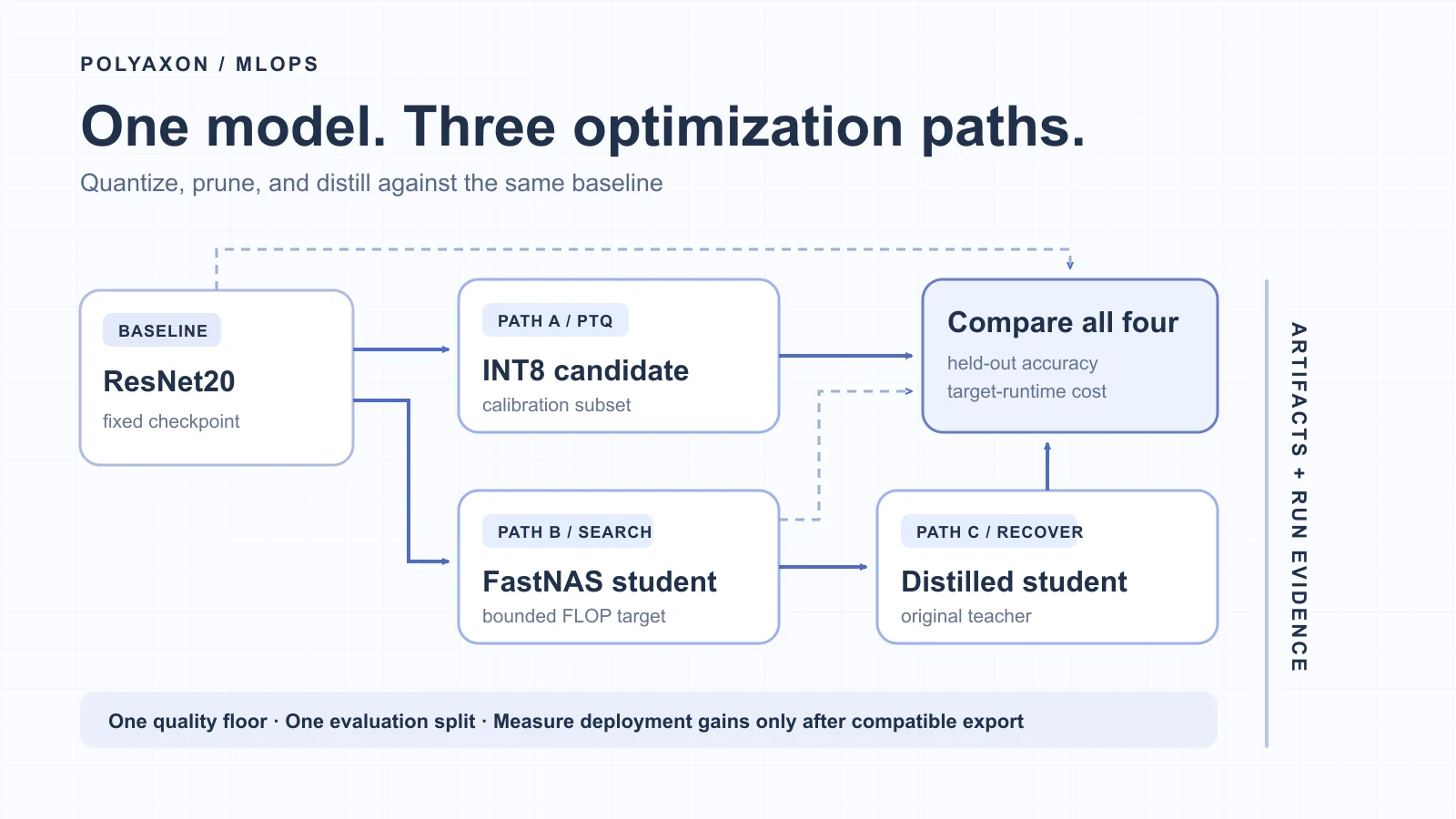
Compare INT8 quantization, FastNAS pruning, and distillation against one tracked baseline, then measure the candidate that meets your accuracy floor.
The latest guides, tutorials, and product updates.

Compare INT8 quantization, FastNAS pruning, and distillation against one tracked baseline, then measure the candidate that meets your accuracy floor.

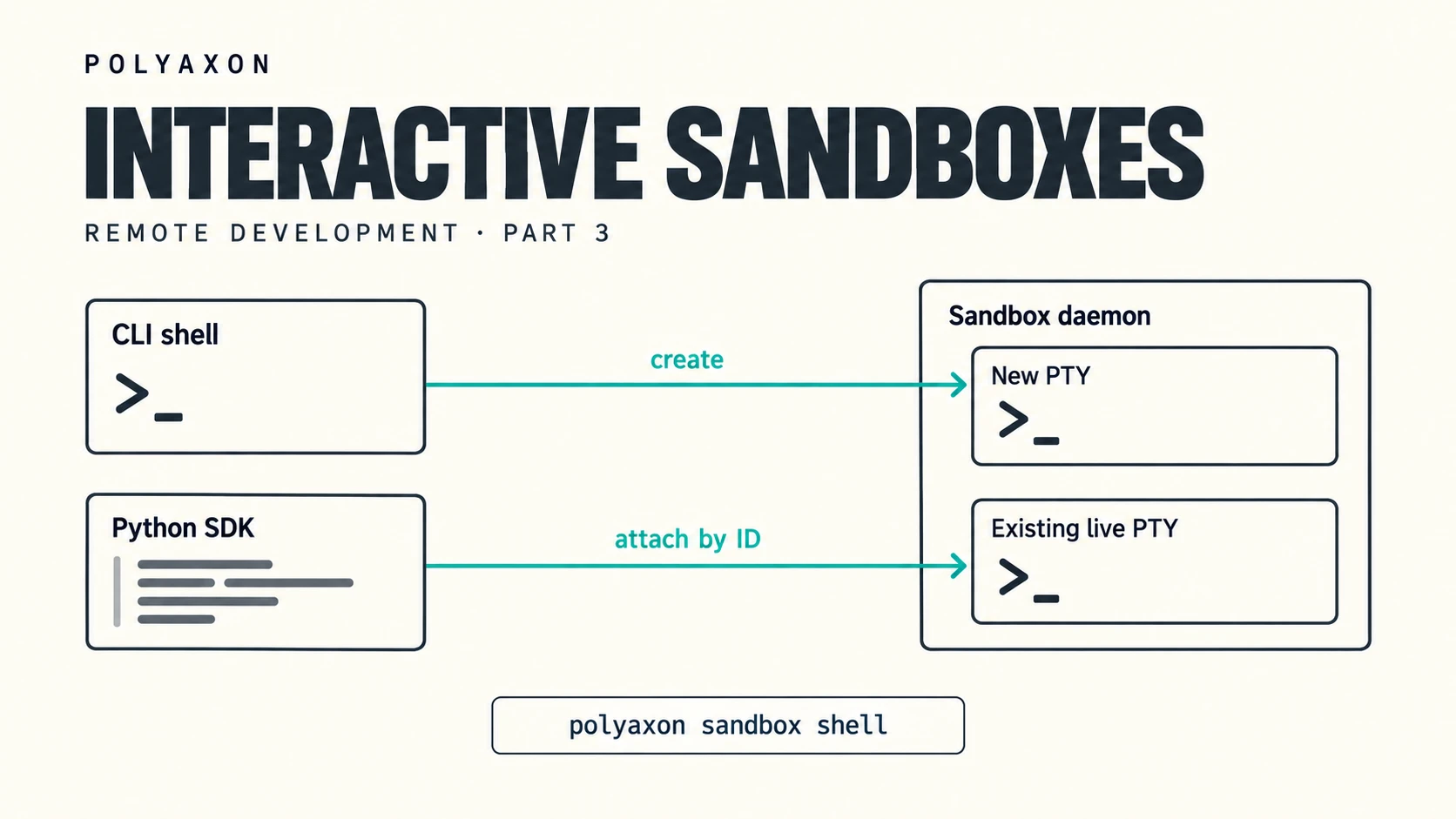
Choose between sandbox shells and exec, understand PTY lifetime and output replay, and manage terminal attachment explicitly through the Python SDK.

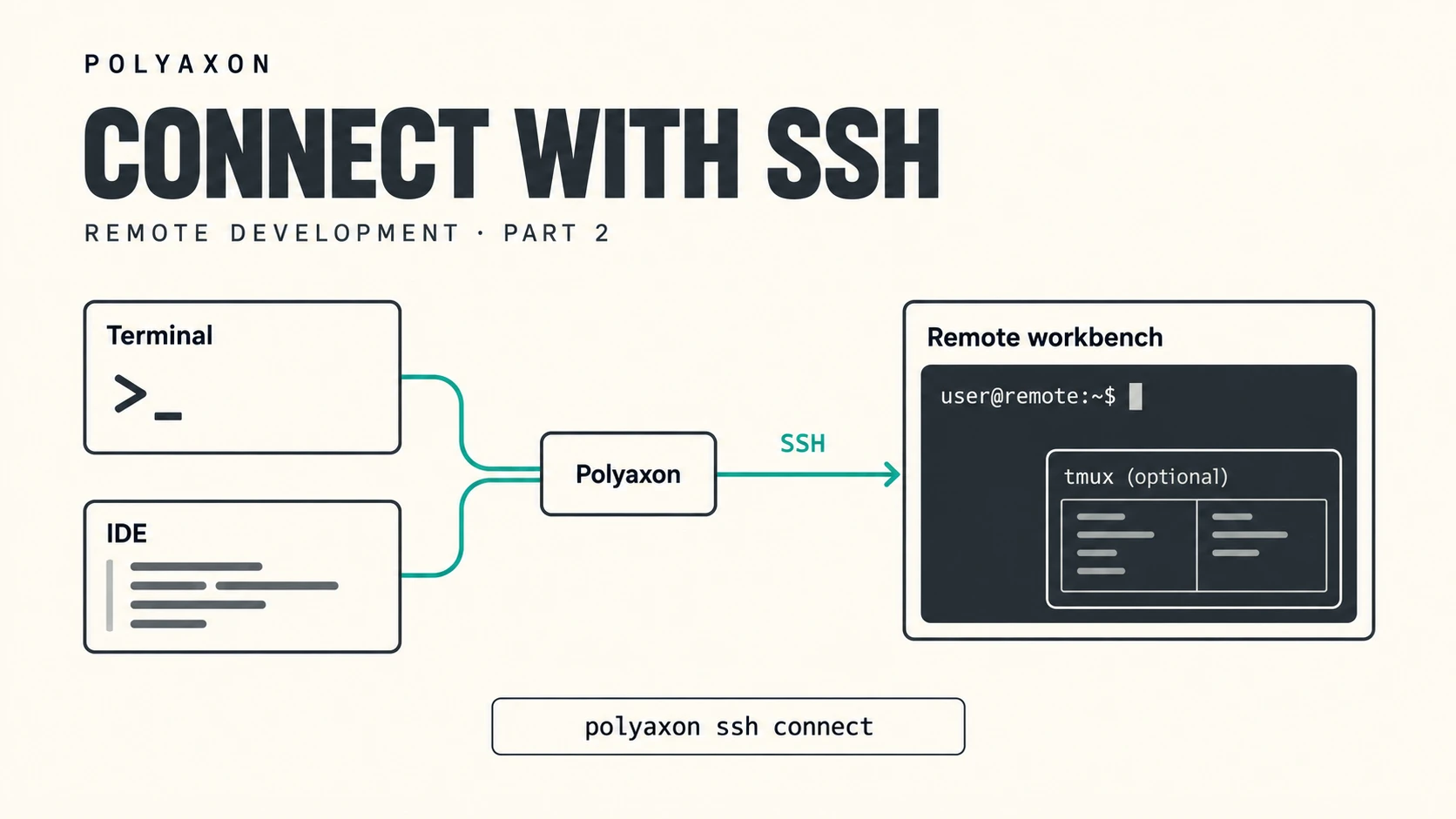
Connect native terminals and IDEs to a Polyaxon service, forward application ports, and use tmux explicitly when you want to resume a shell.

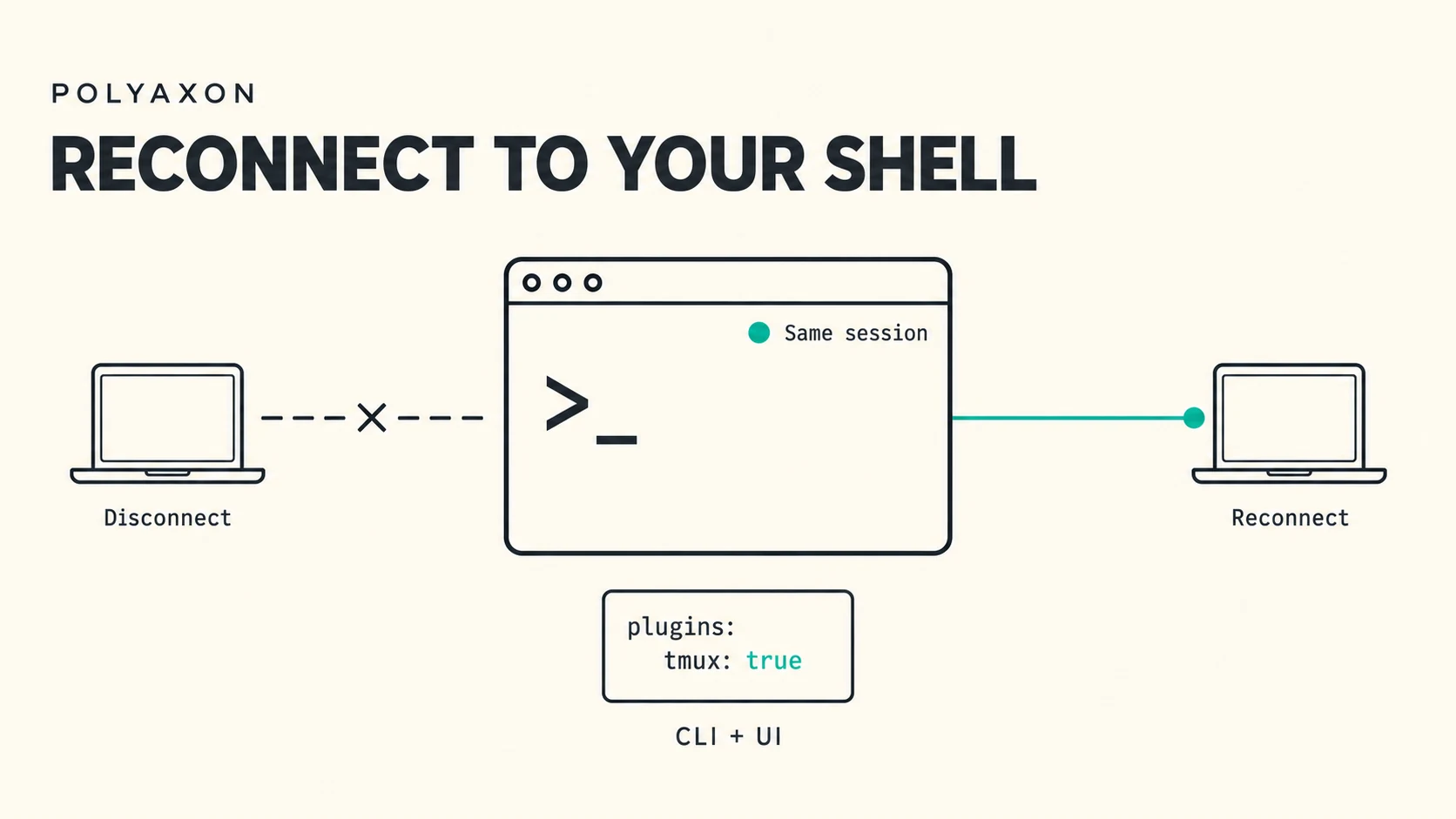
Learn how ordinary ops shells differ from tmux sessions, then detach and reconnect to the same Polyaxon shell from the CLI or UI.

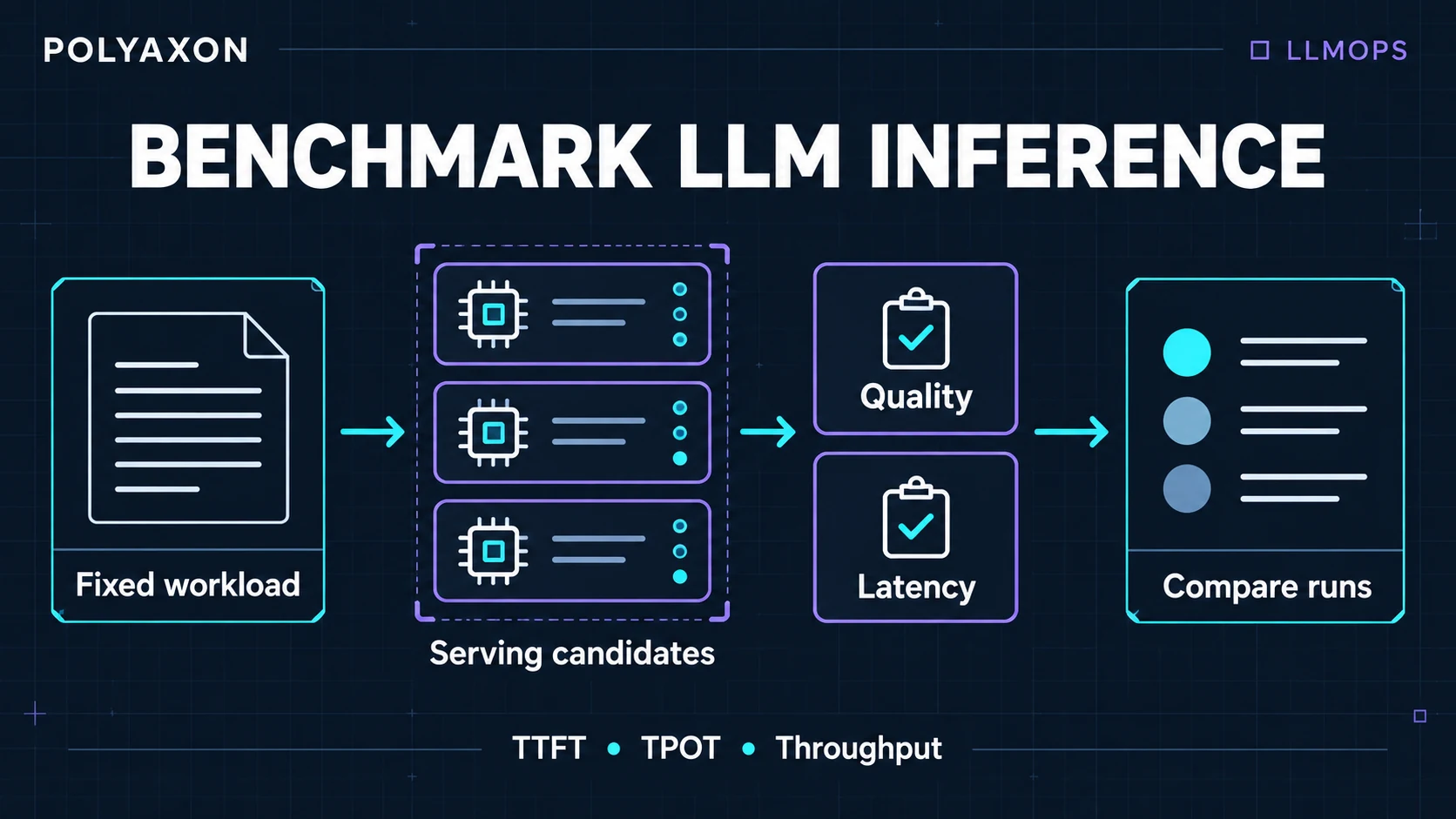
Compare inference optimizations against a fixed workload, latency limits, and quality checks, with benchmark configurations and results tracked in Polyaxon.

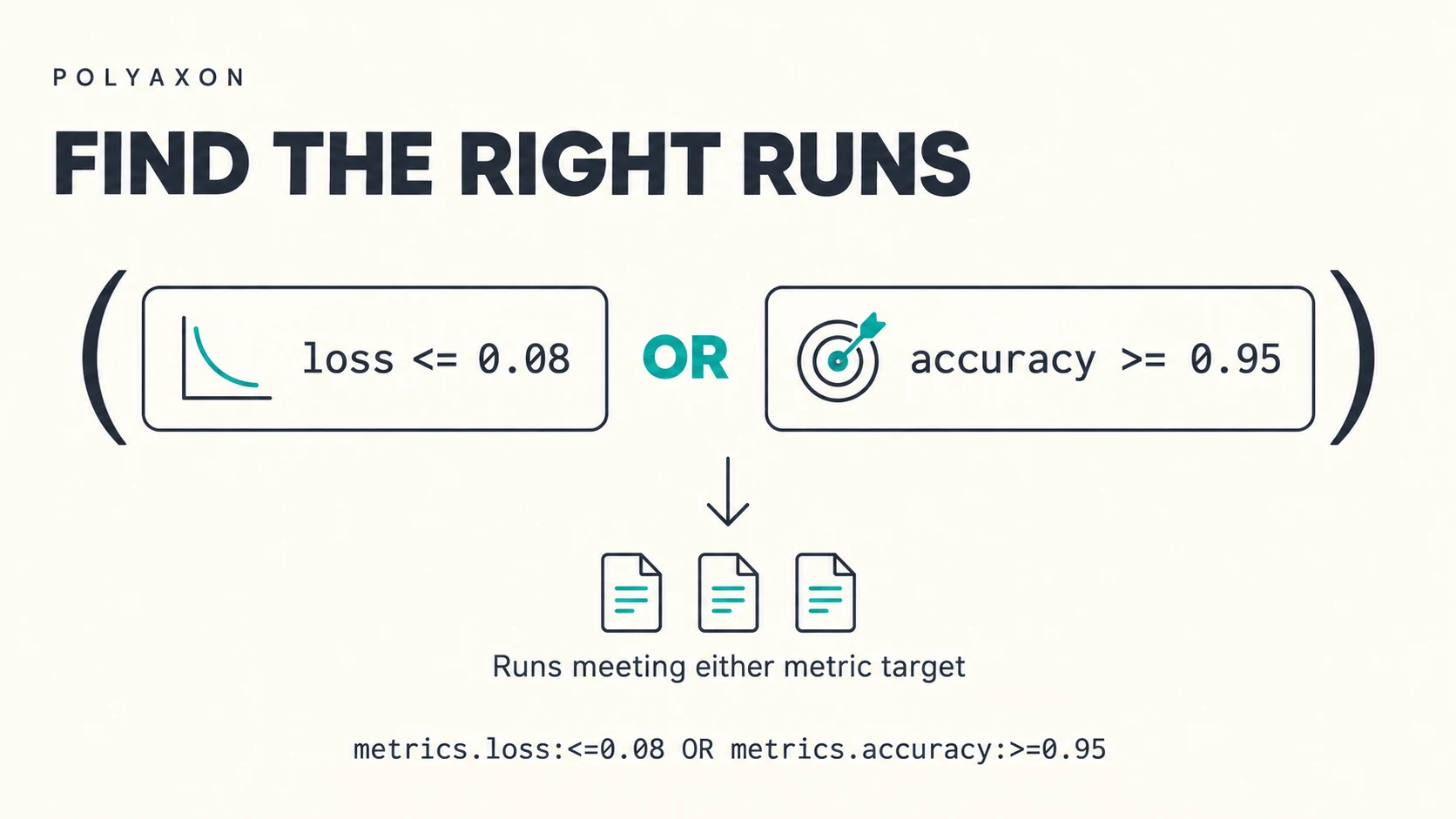
Use OR to combine metric thresholds, negated conditions, and independent groups of filters in Polyaxon queries.

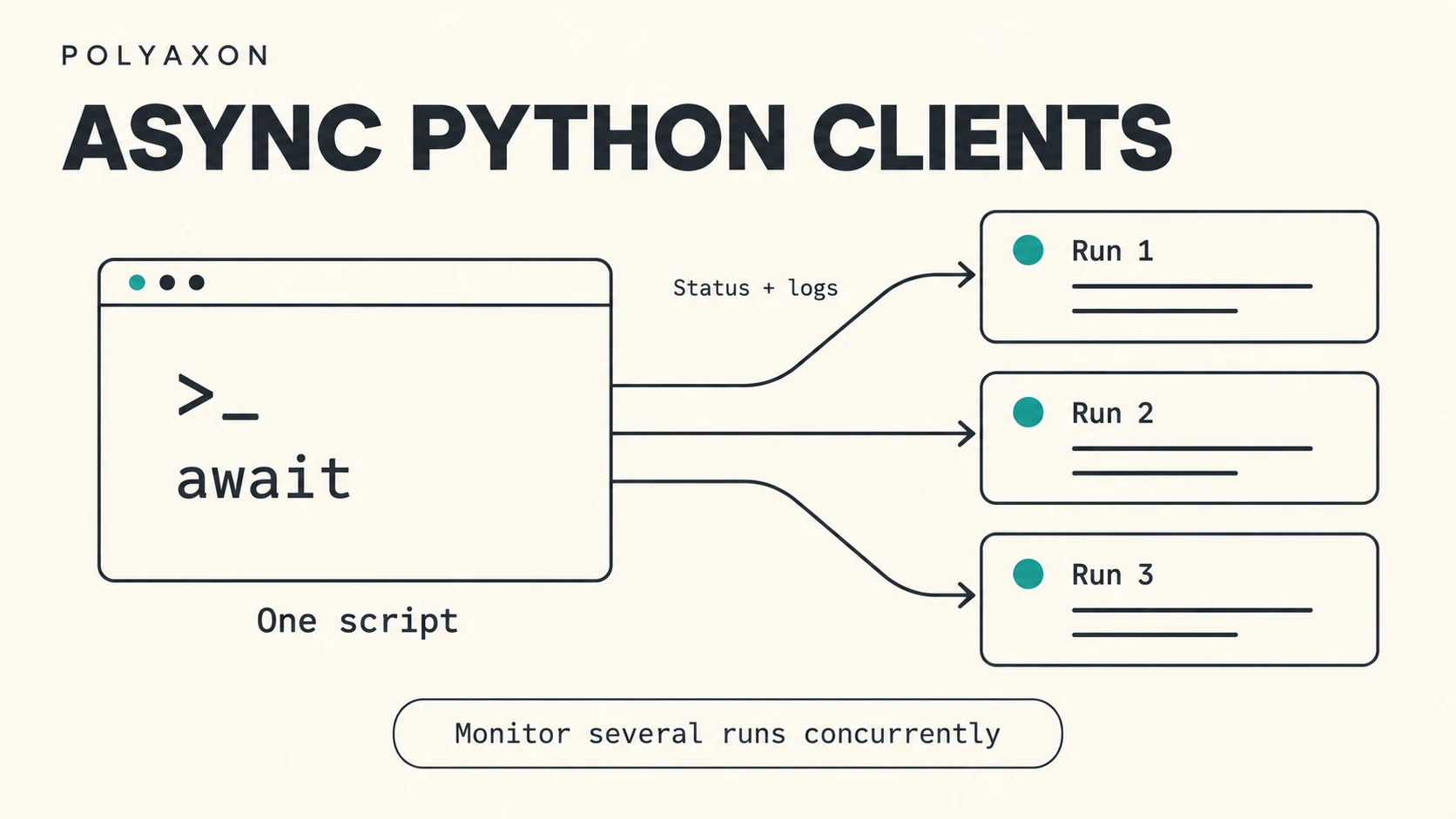
Monitor several Polyaxon runs concurrently with async Python clients, retrieve recent logs, and manage concurrency, timeouts, and client cleanup.

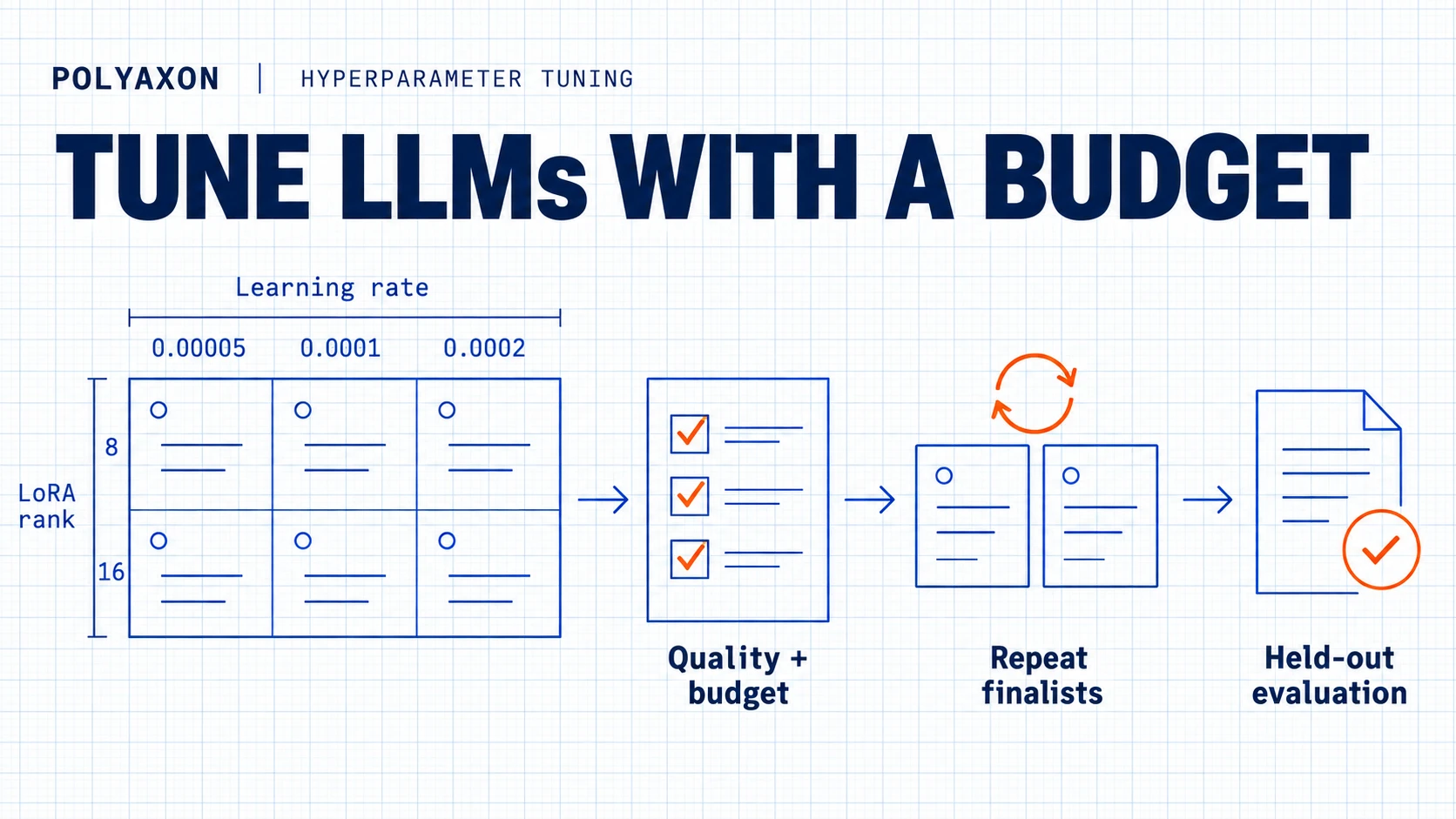
Design a small LoRA fine-tuning sweep, control its execution in Polyaxon, and compare validation quality, resource use, and repeatability.

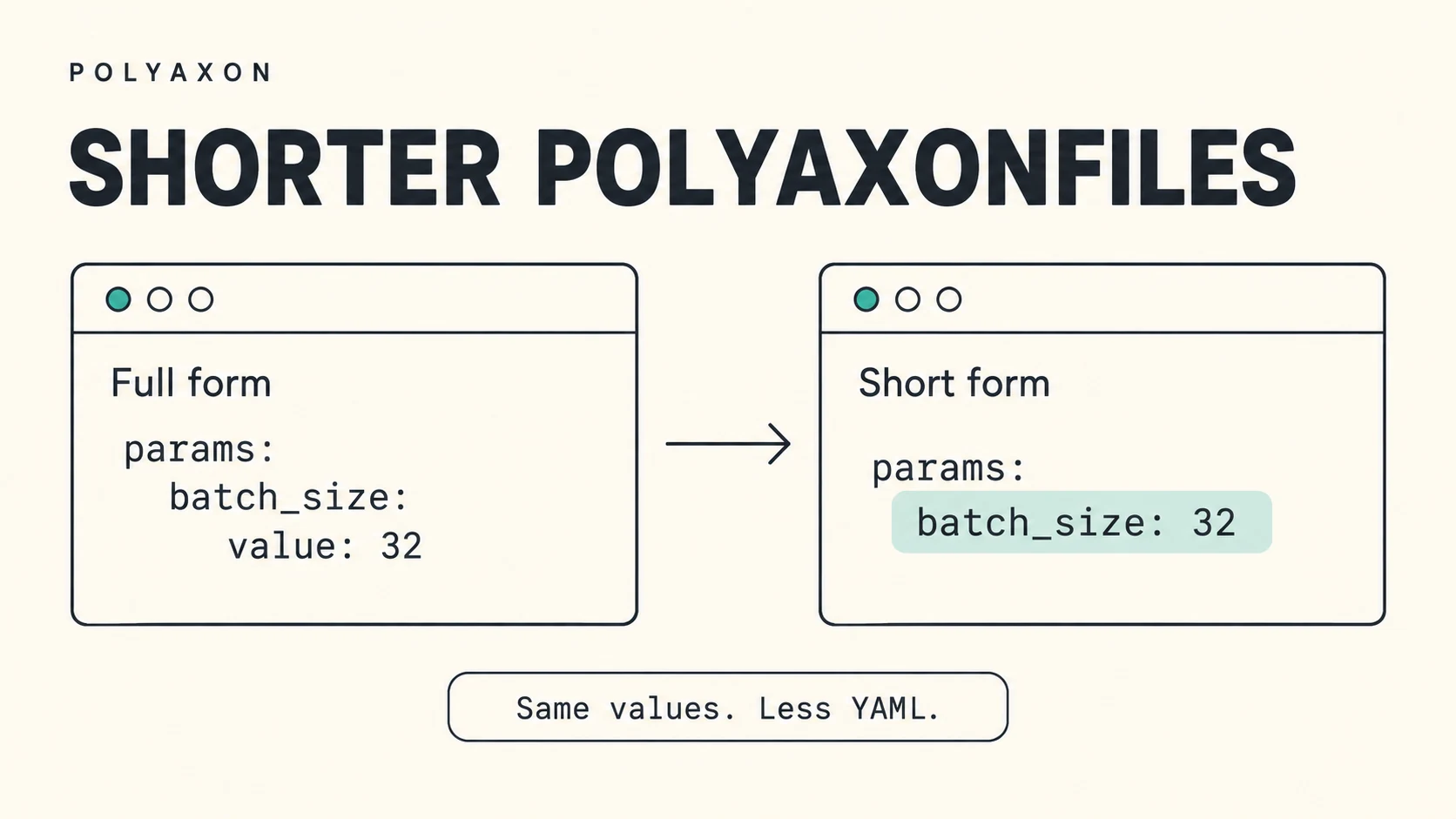
Use direct parameter values and let input and output defaults imply optionality, with a look ahead at simpler workload definitions planned for Polyaxon 2.18.

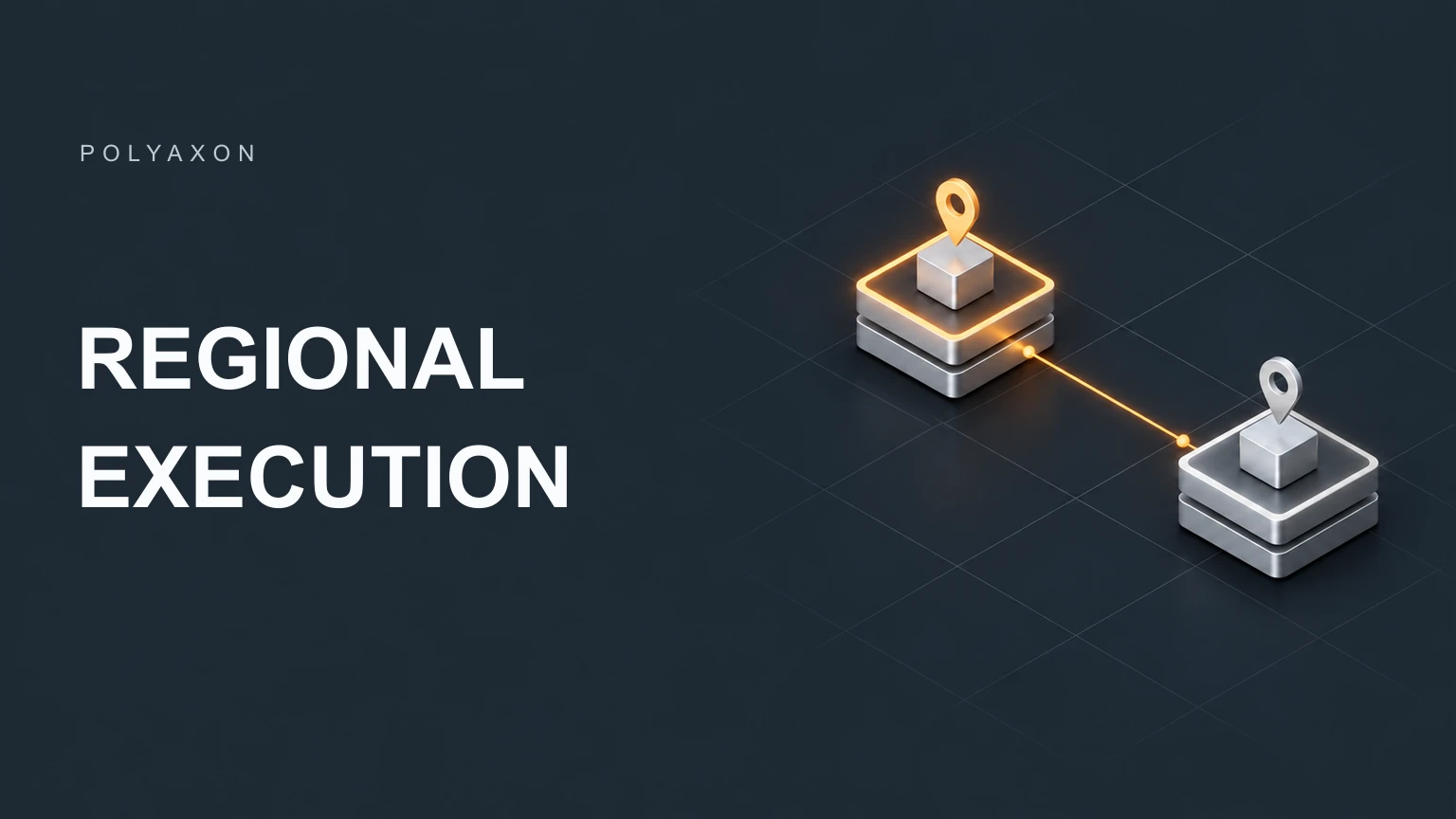
Configure regional execution with Polyaxon agents, queues, and storage connections, then measure data-transfer costs without assuming same-region traffic is free.

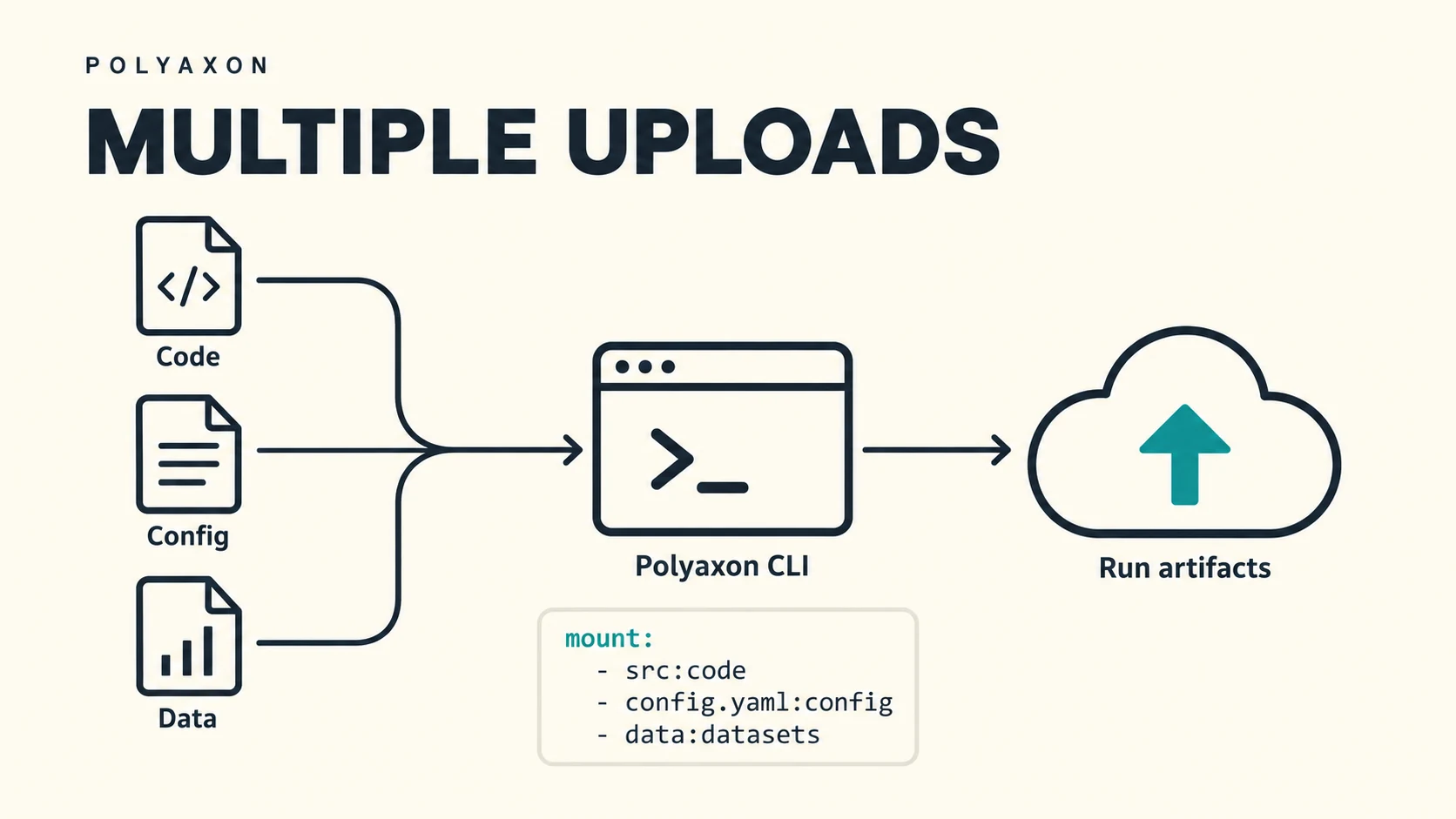
Upload code, configuration, and small datasets in one Polyaxon CLI command, then save the same path mappings in a declarative mount section.

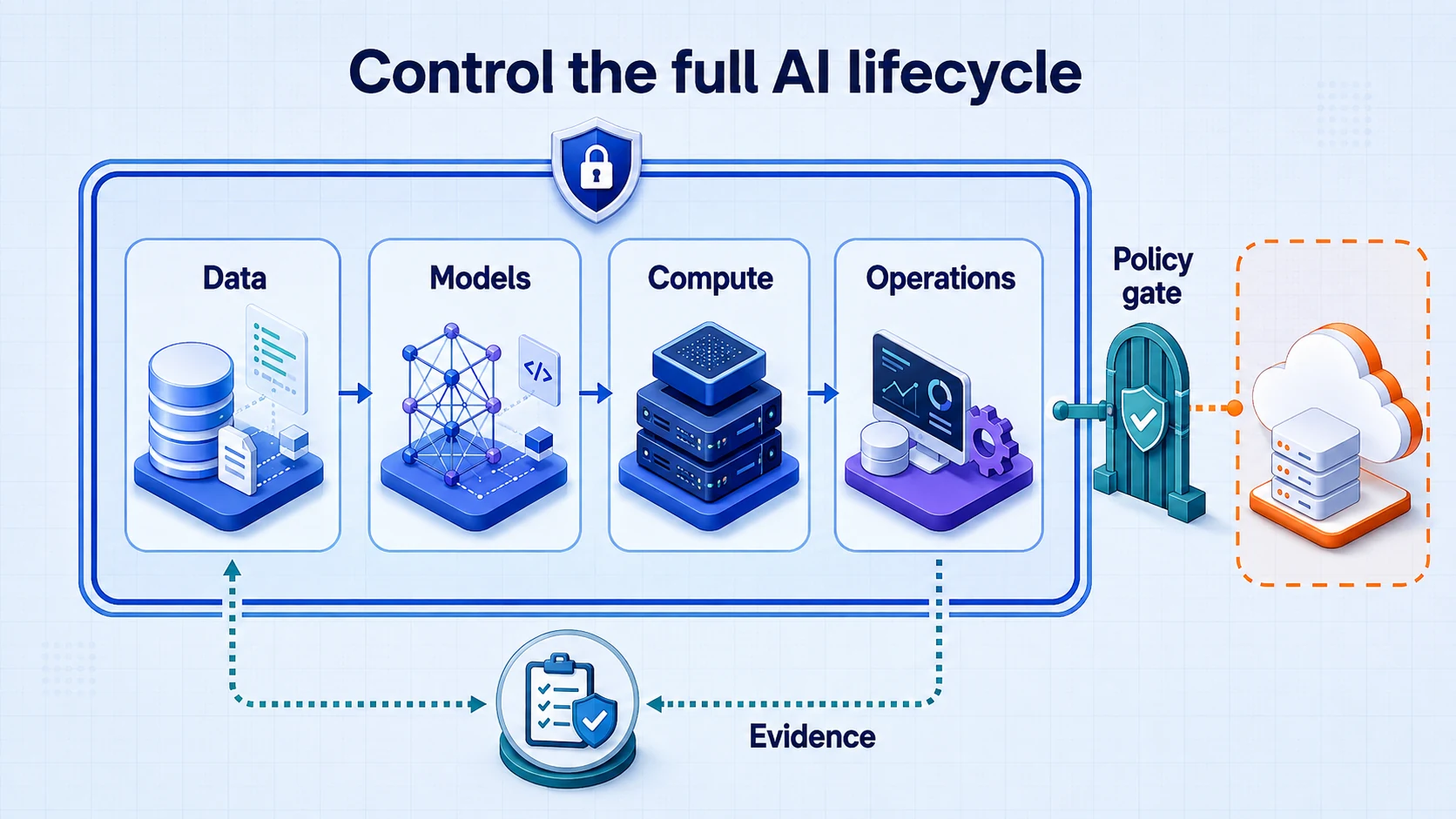
Define sovereign AI as control over data, models, compute, operations, providers, and evidence, then implement it with Kubernetes.

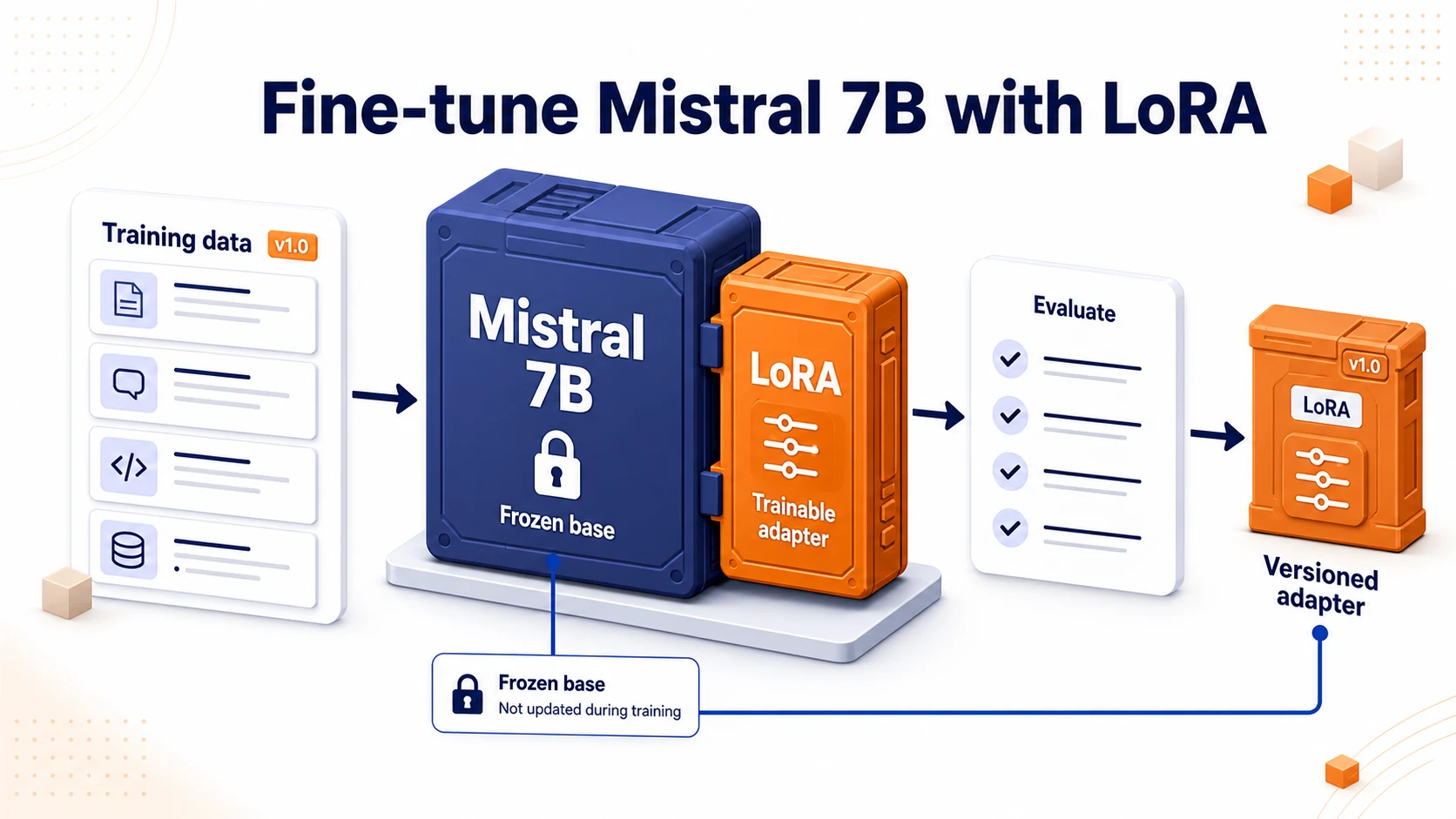
Plan a Mistral 7B LoRA fine-tuning workflow on Kubernetes with versioned data, GPU scheduling, Polyaxon tracking, evaluation, and adapter packaging.

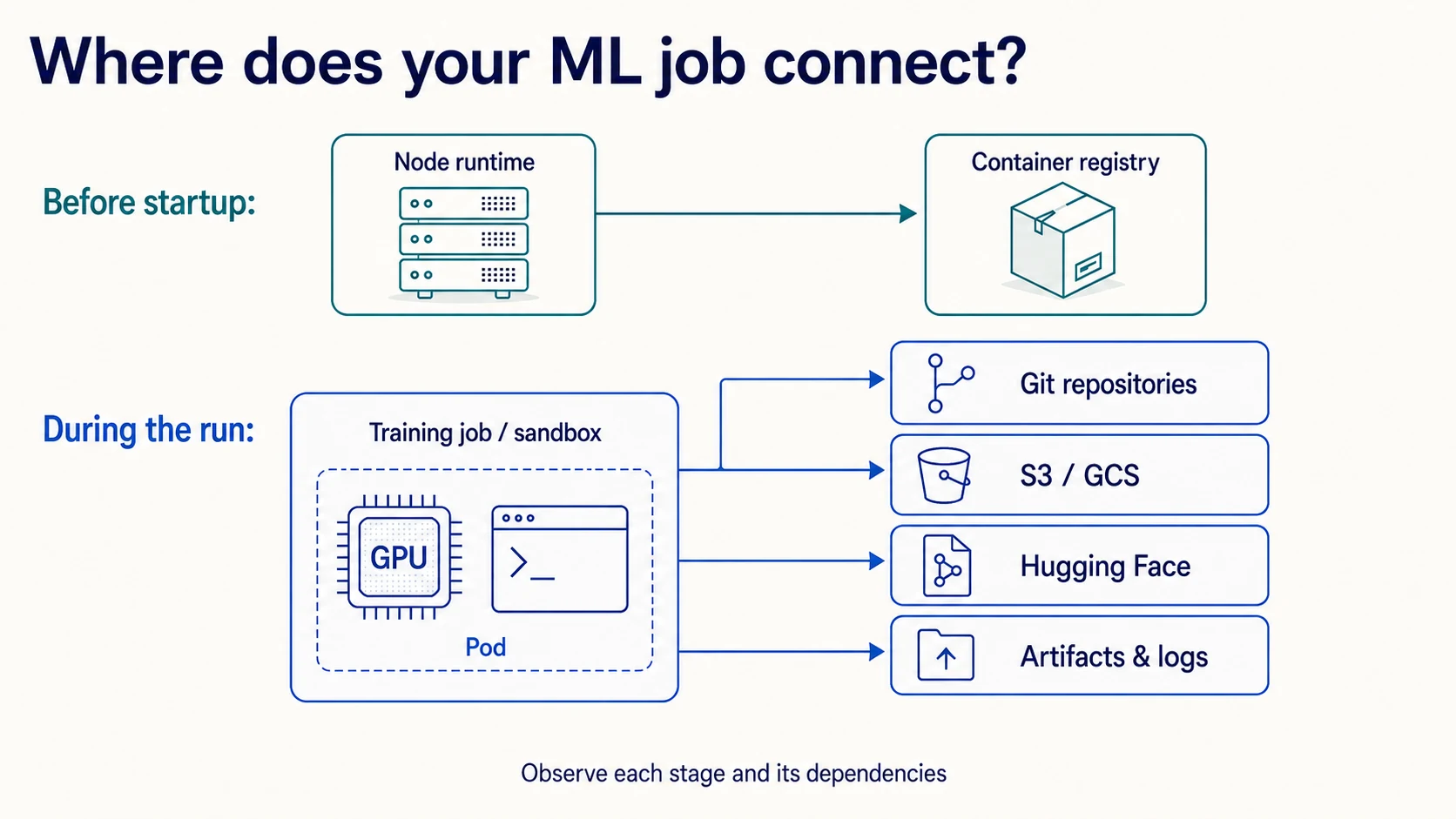
Trace image pulls, Git clones, S3 and GCS access, Hugging Face downloads, and artifact uploads across the lifecycle of Kubernetes jobs and sandboxes.

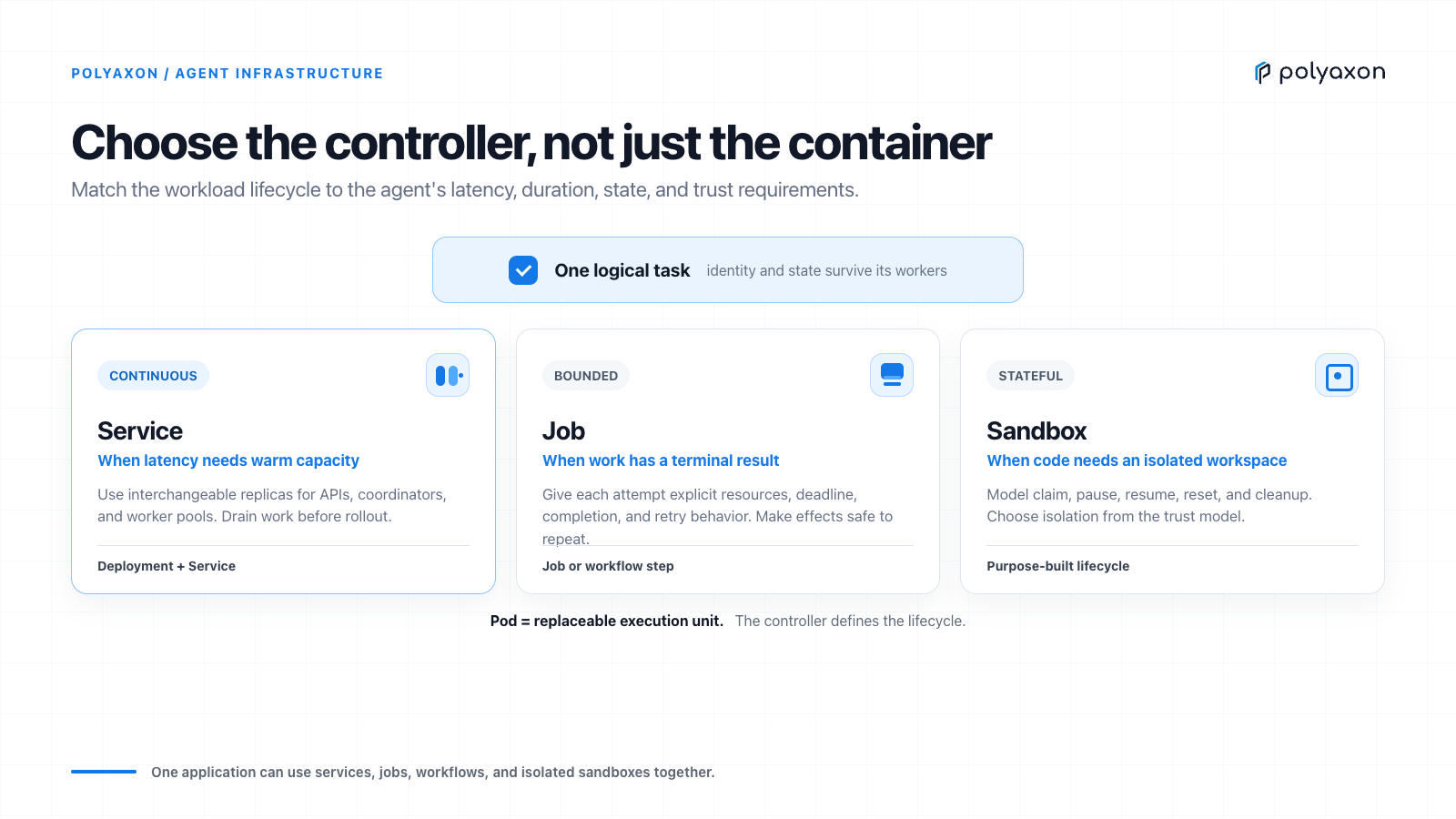
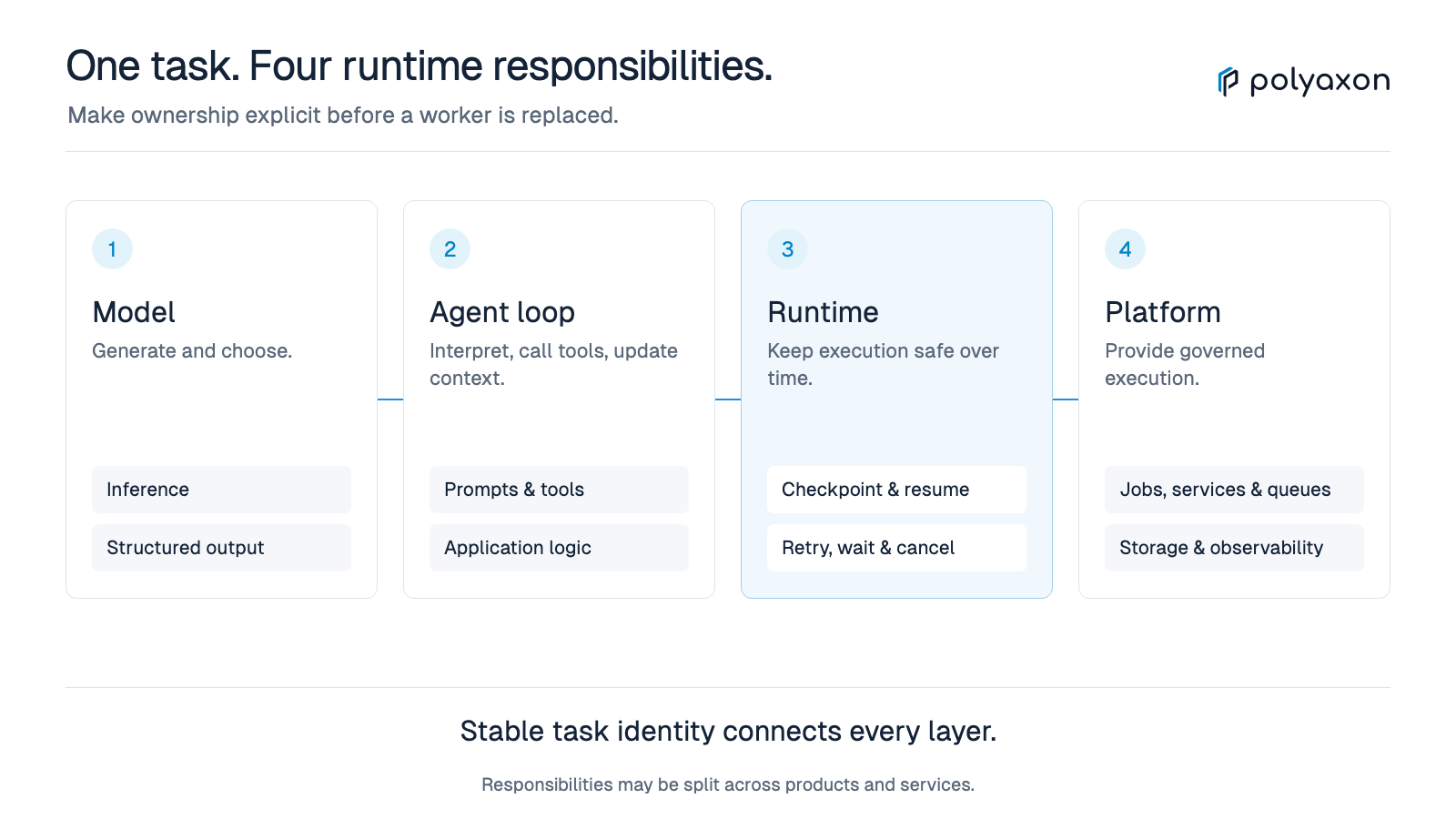
Choose the Kubernetes execution shape for an AI agent by separating logical task identity from Pods, Jobs, Services, workflows, and sandbox lifecycles.

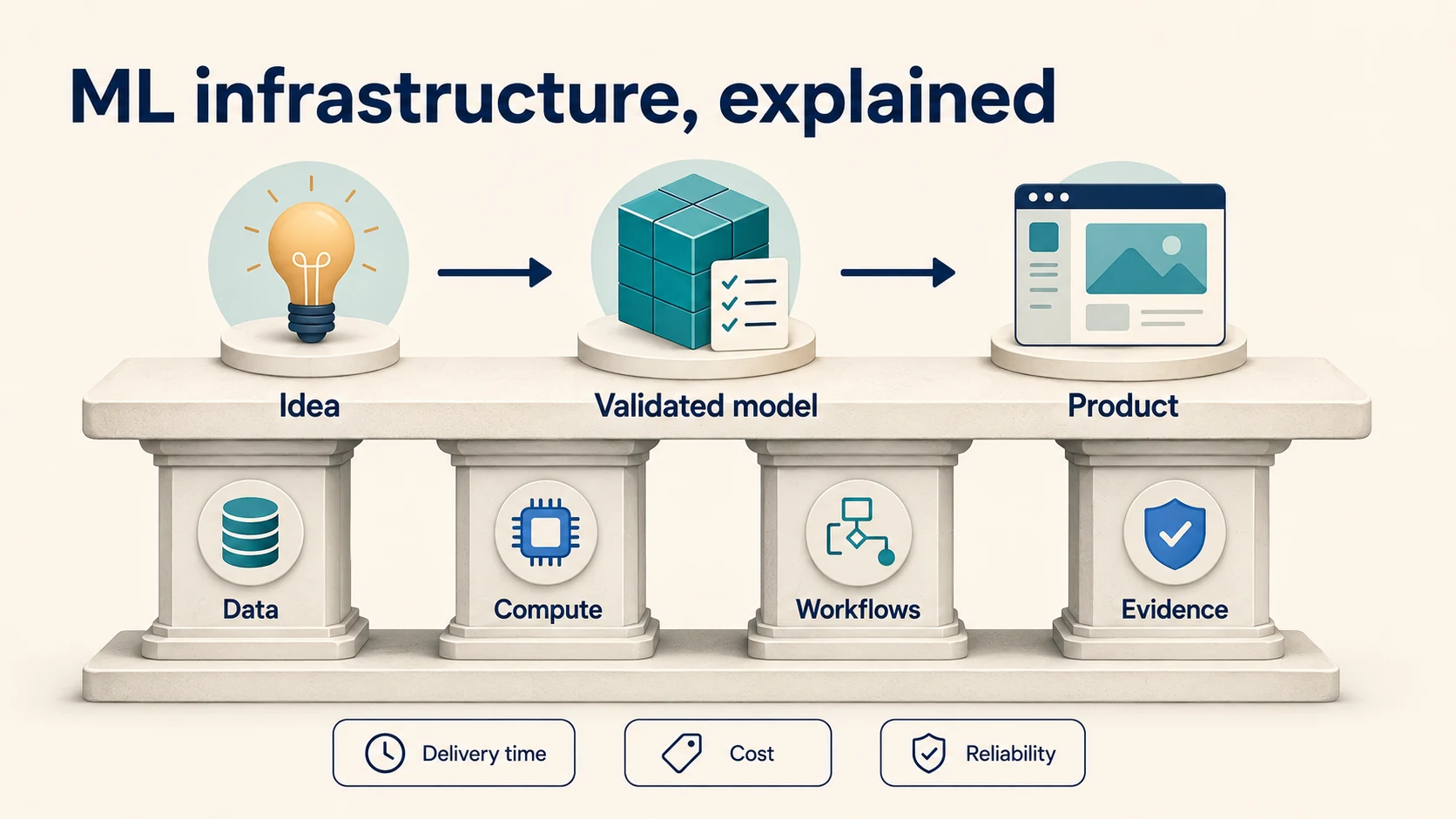
Understand what ML infrastructure pays for, how it affects delivery and reliability, and how to evaluate an investment using measurable workflow outcomes.

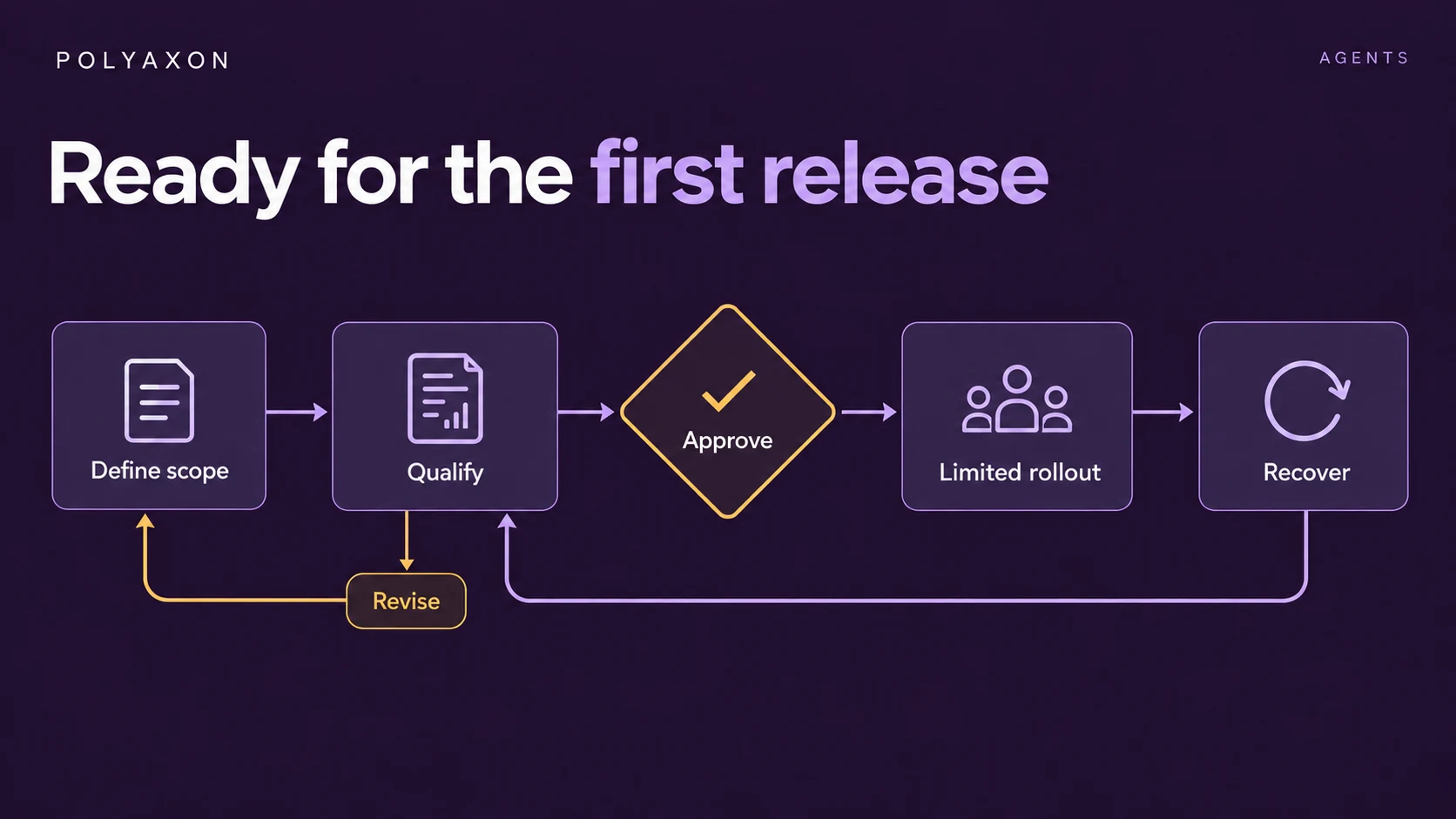
Build an agent release checklist around Polyaxon qualification jobs, versioned components, artifact reports, termination settings, and manual approval.

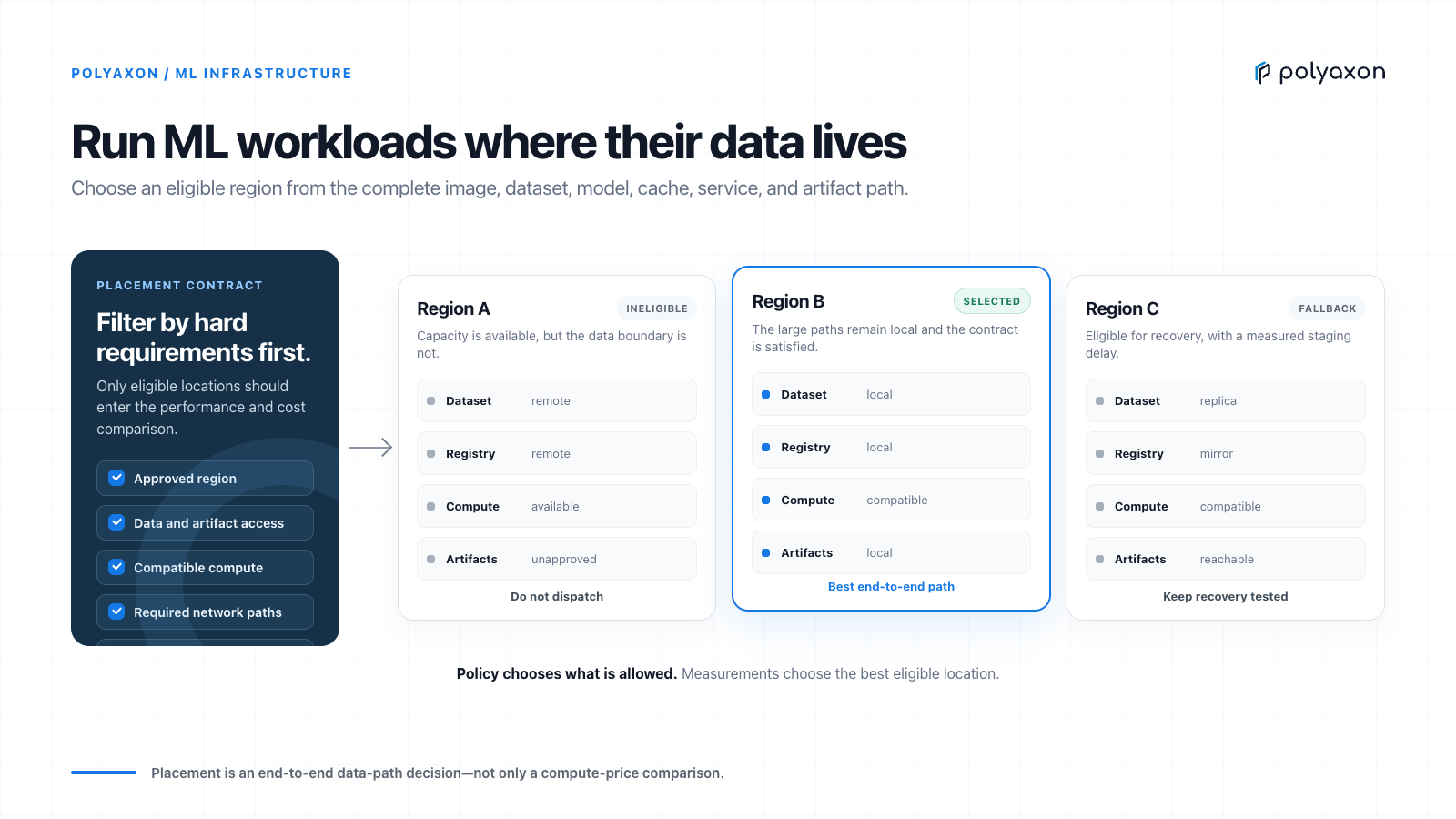
Design region-aware ML execution around dataset, registry, model, cache, artifact, and service locality without confusing proximity with data residency.

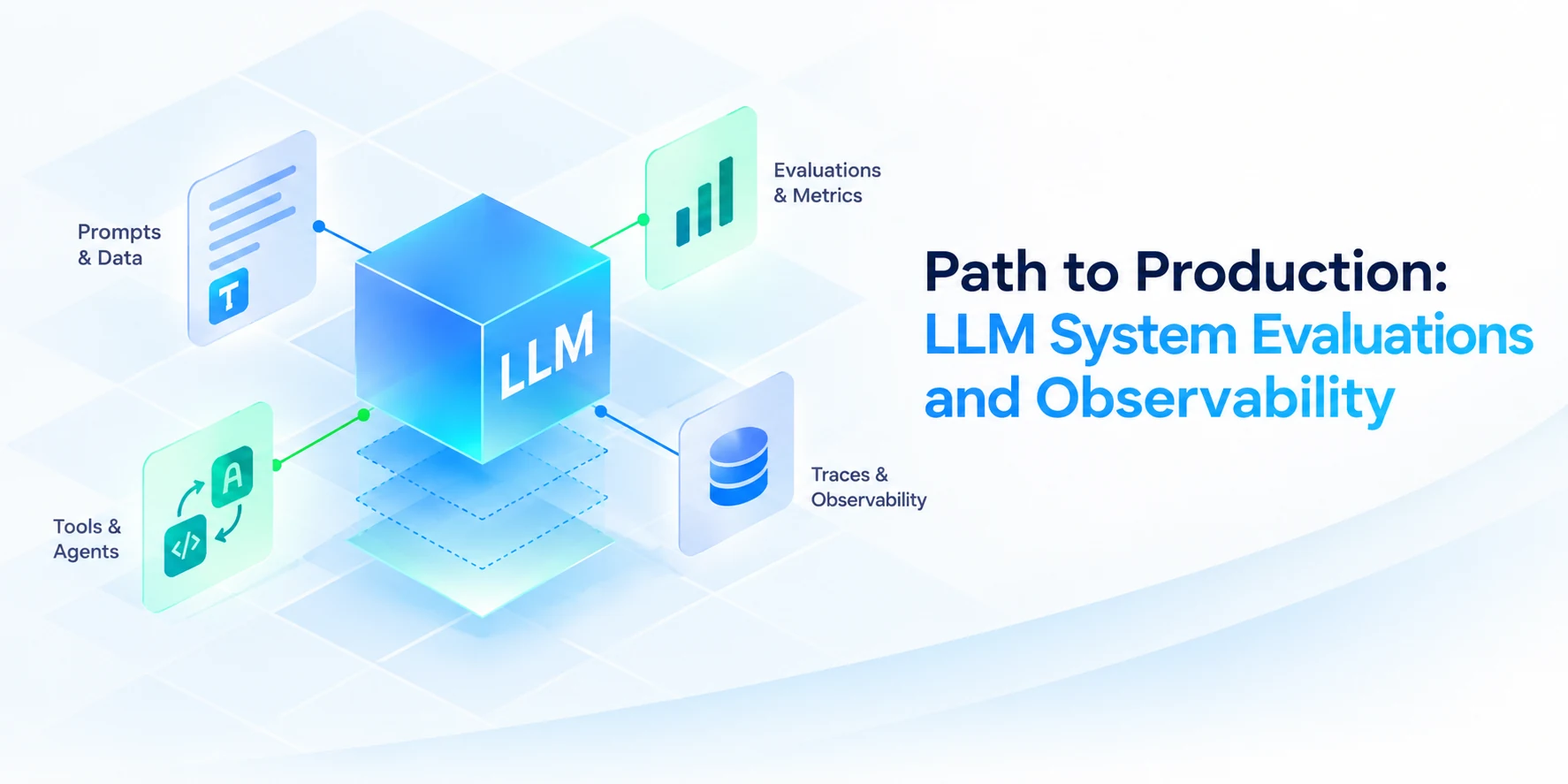
Use Polyaxon run tracking, comparison dashboards, resource monitoring, and repeatable evaluation to decide what to improve after an LLM prototype.

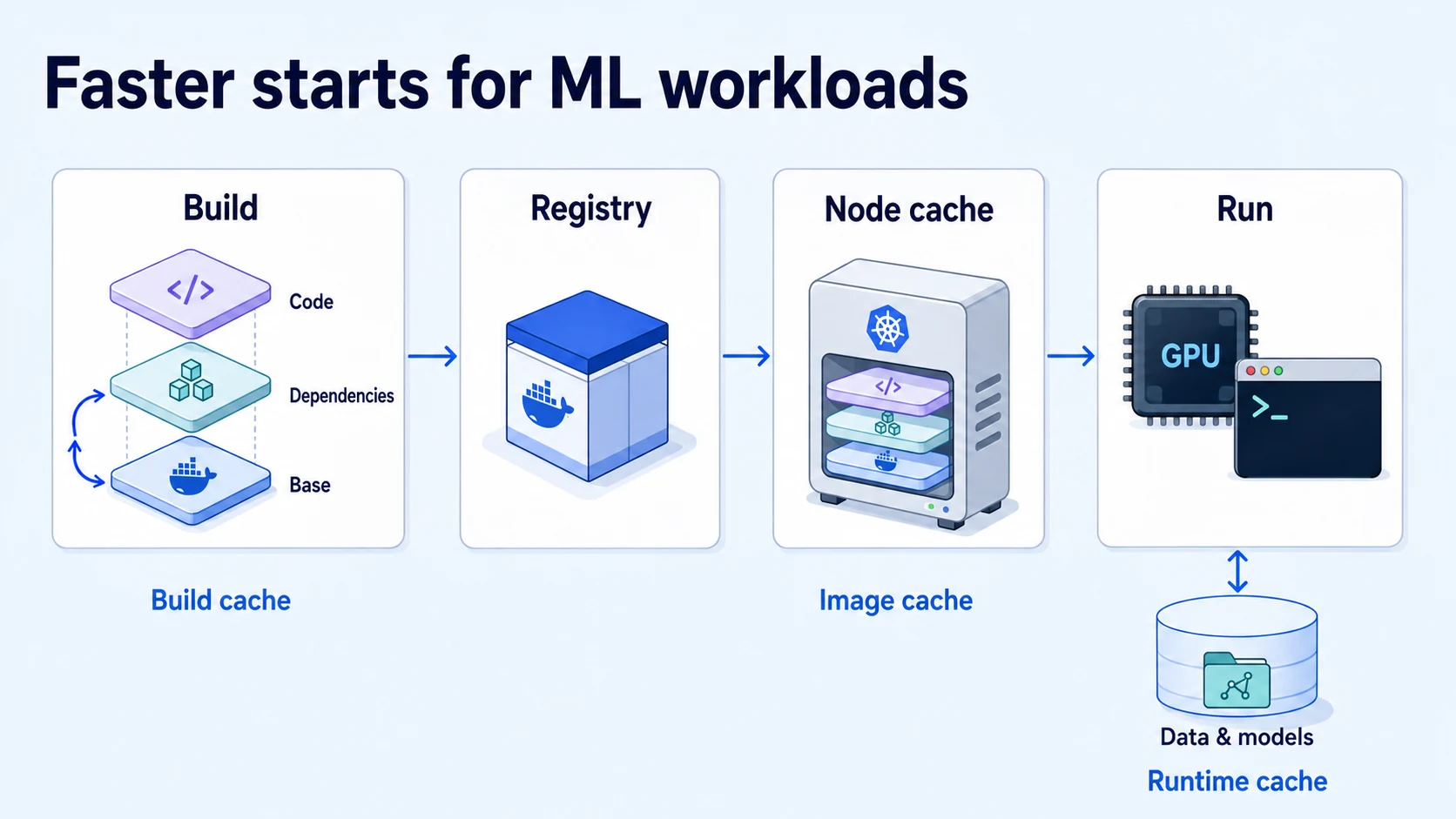
Reduce container build and startup time for ML jobs with reusable dependency layers, persistent build caches, and deliberate image and model caching.

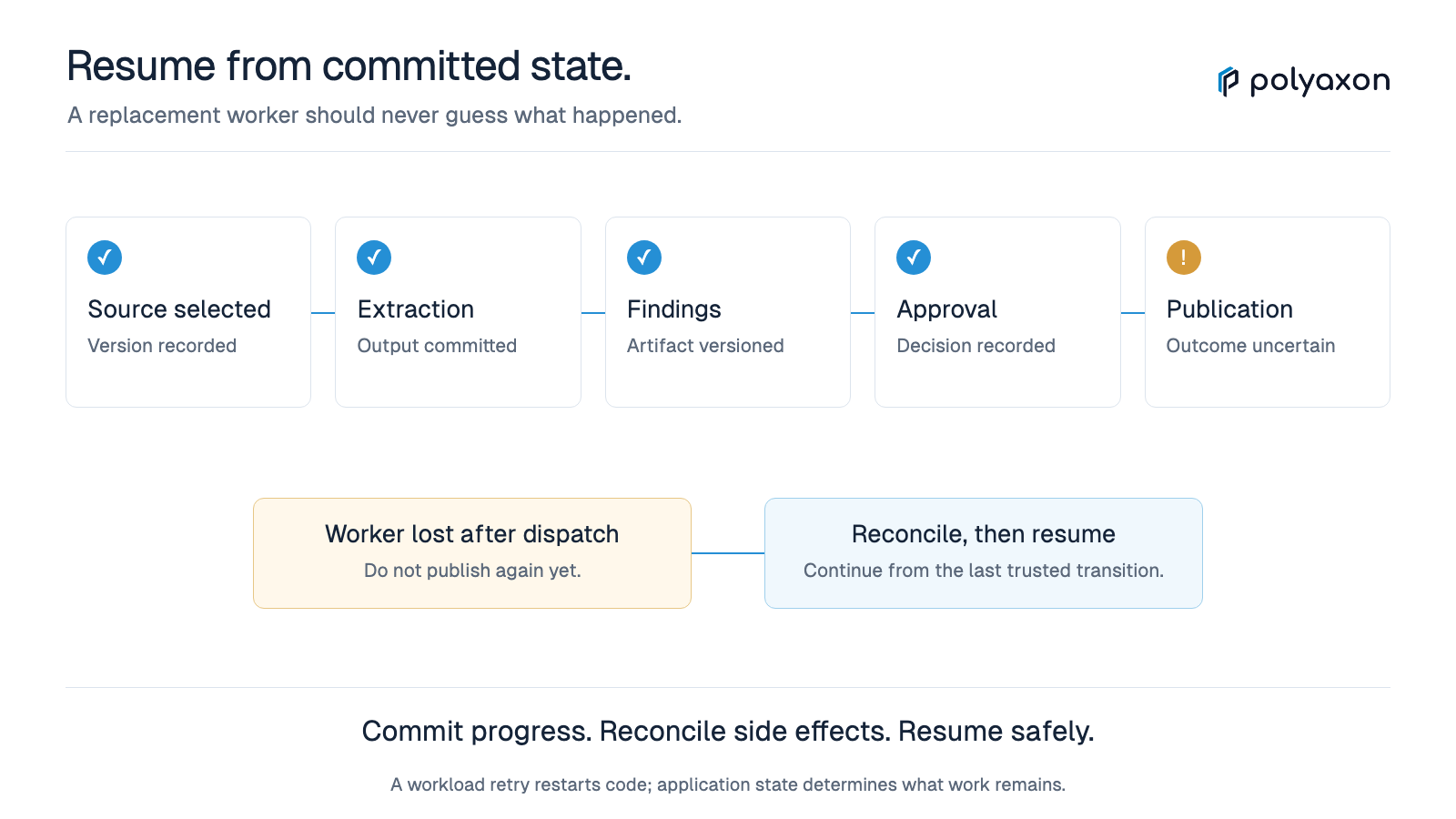
Build agent recovery around committed checkpoints, versioned inputs, safe side effects, and approval state so interrupted tasks can continue reliably.

Design agent execution around durable state, safe tool retries, approval waits, and recovery, with clear responsibilities for Polyaxon and your agent framework.

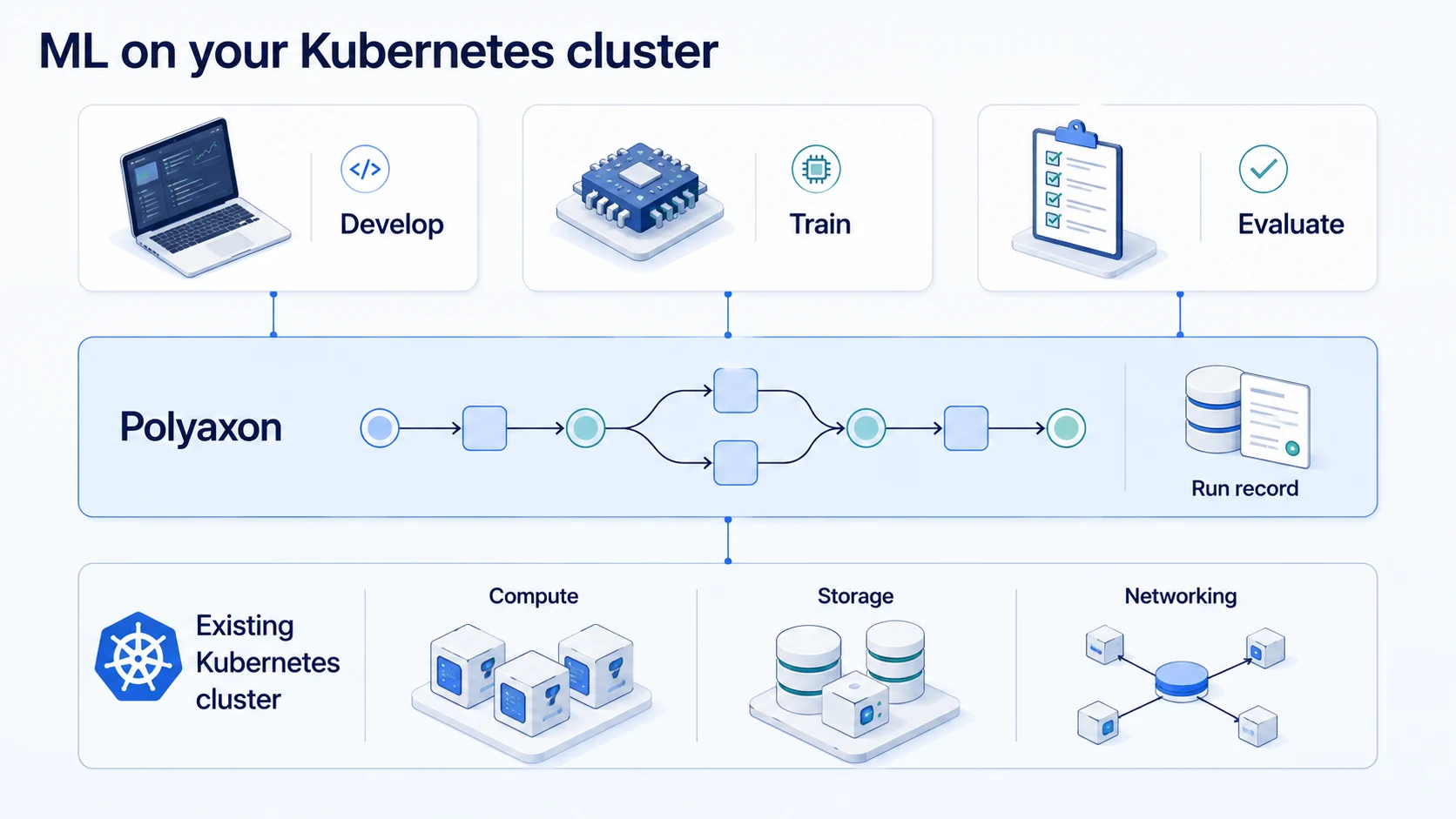
Plan a Polyaxon deployment on an existing Kubernetes cluster, covering GPUs, storage, identity, networking, workload ownership, and recovery.

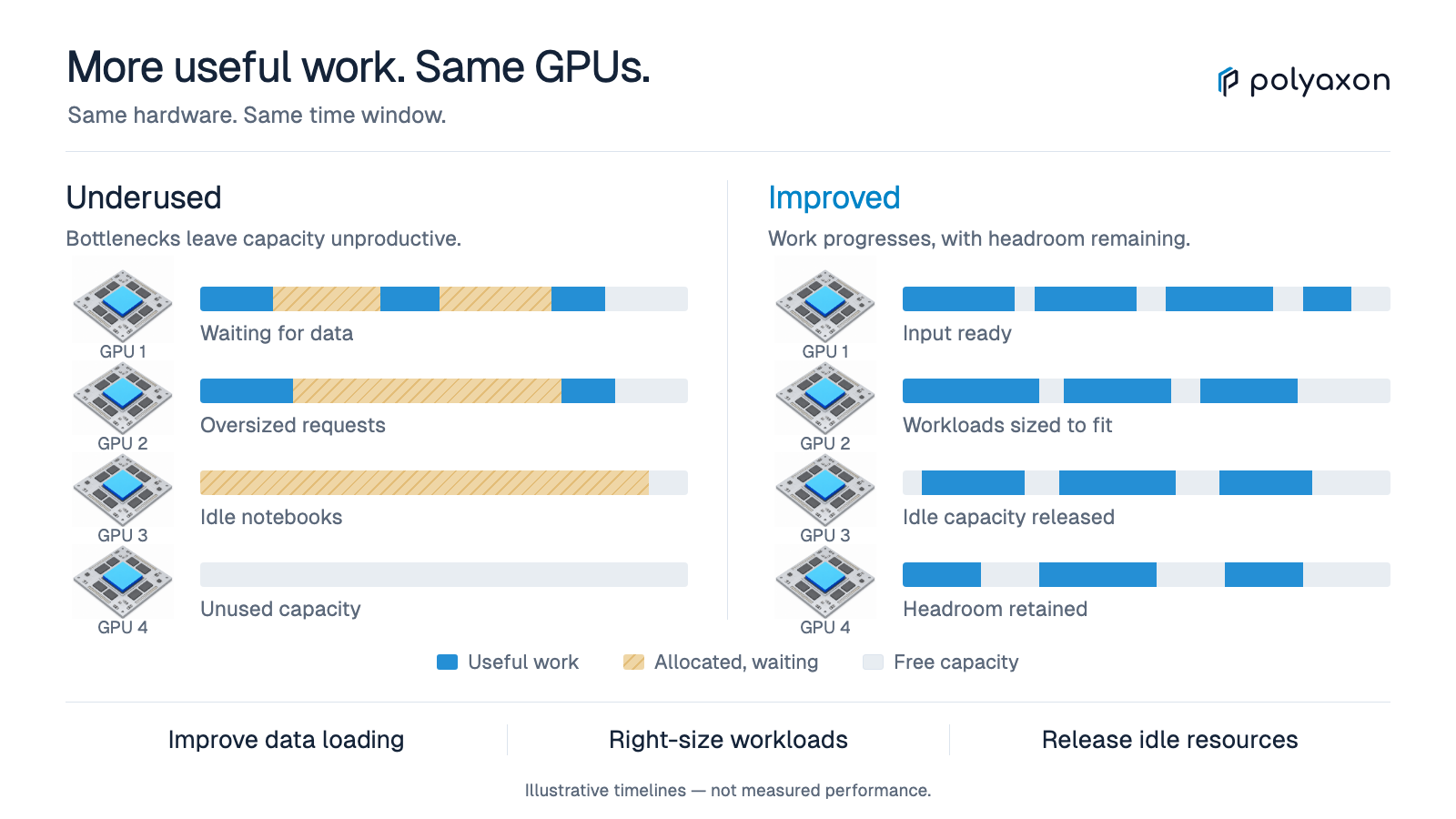
A practical guide to improving GPU utilization by diagnosing queue delays, input bottlenecks, resource fragmentation, sharing, and recovery overhead.