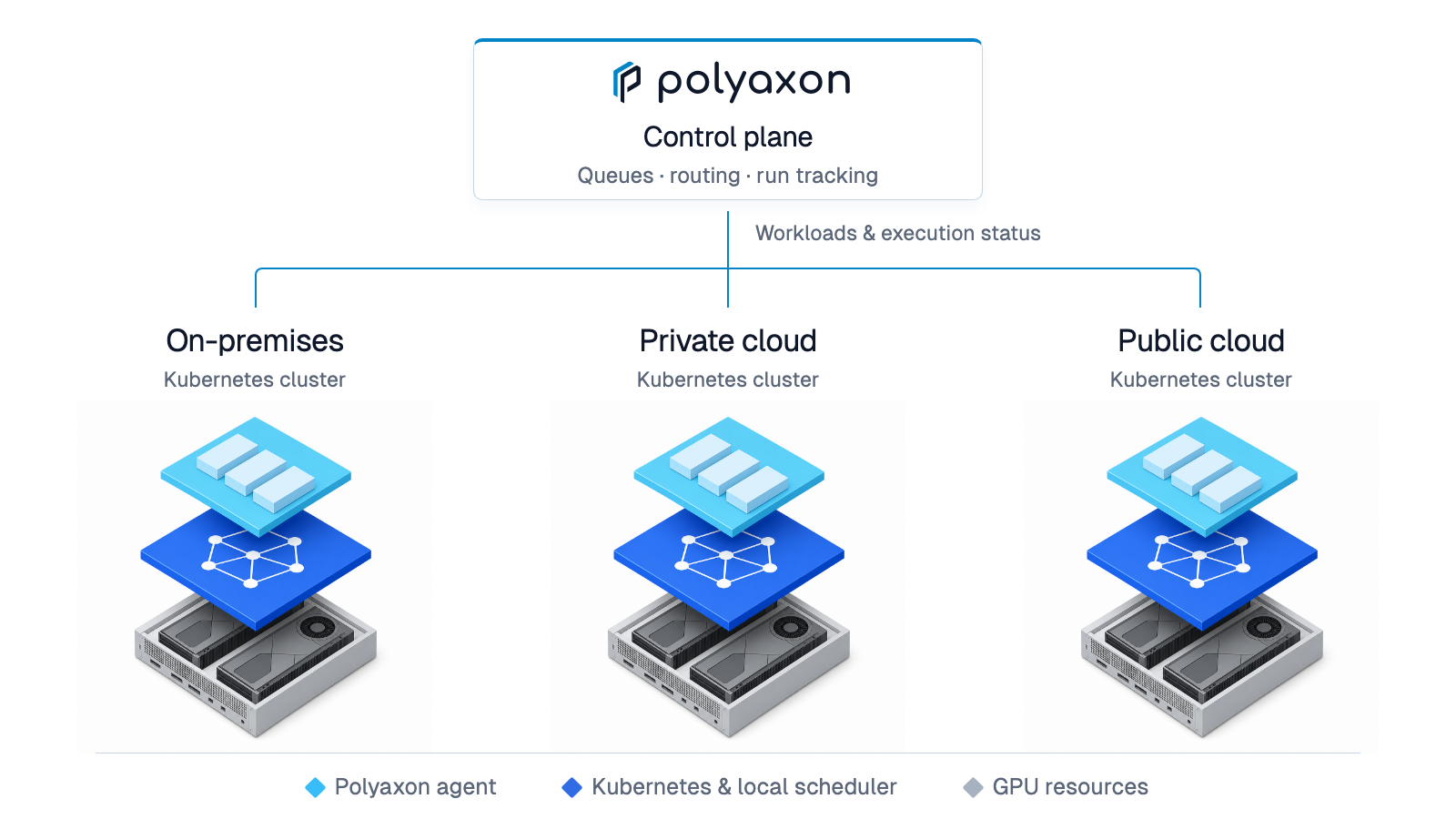
Single vs. multi-cluster Kubernetes for ML platforms
Choose between one Kubernetes cluster and multiple clusters using isolation, failure domains, data locality, accelerator access, operations, and cost.
KubernetesMLOpsOrchestration
Page 5 of 7
Choose between one Kubernetes cluster and multiple clusters using isolation, failure domains, data locality, accelerator access, operations, and cost.
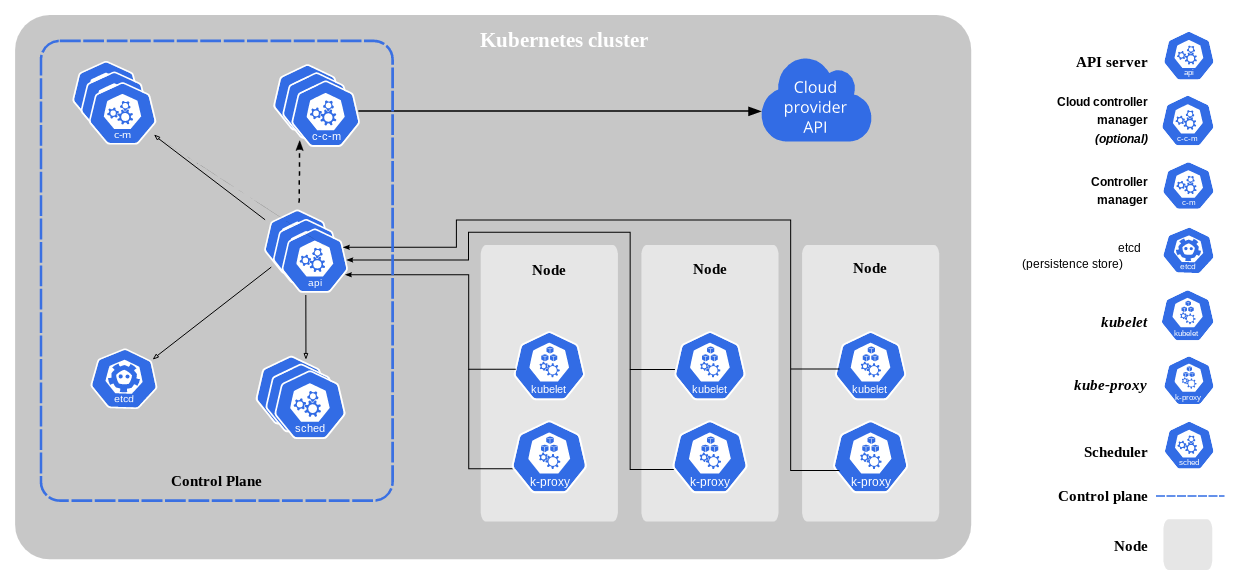
Understand how nodes, Pods, and containers divide responsibility for resources, lifecycle, networking, storage, and failures in Kubernetes ML systems.
Design Redis on Kubernetes around workload semantics, persistence, topology, memory, security, recovery, and observable operation for ML systems.
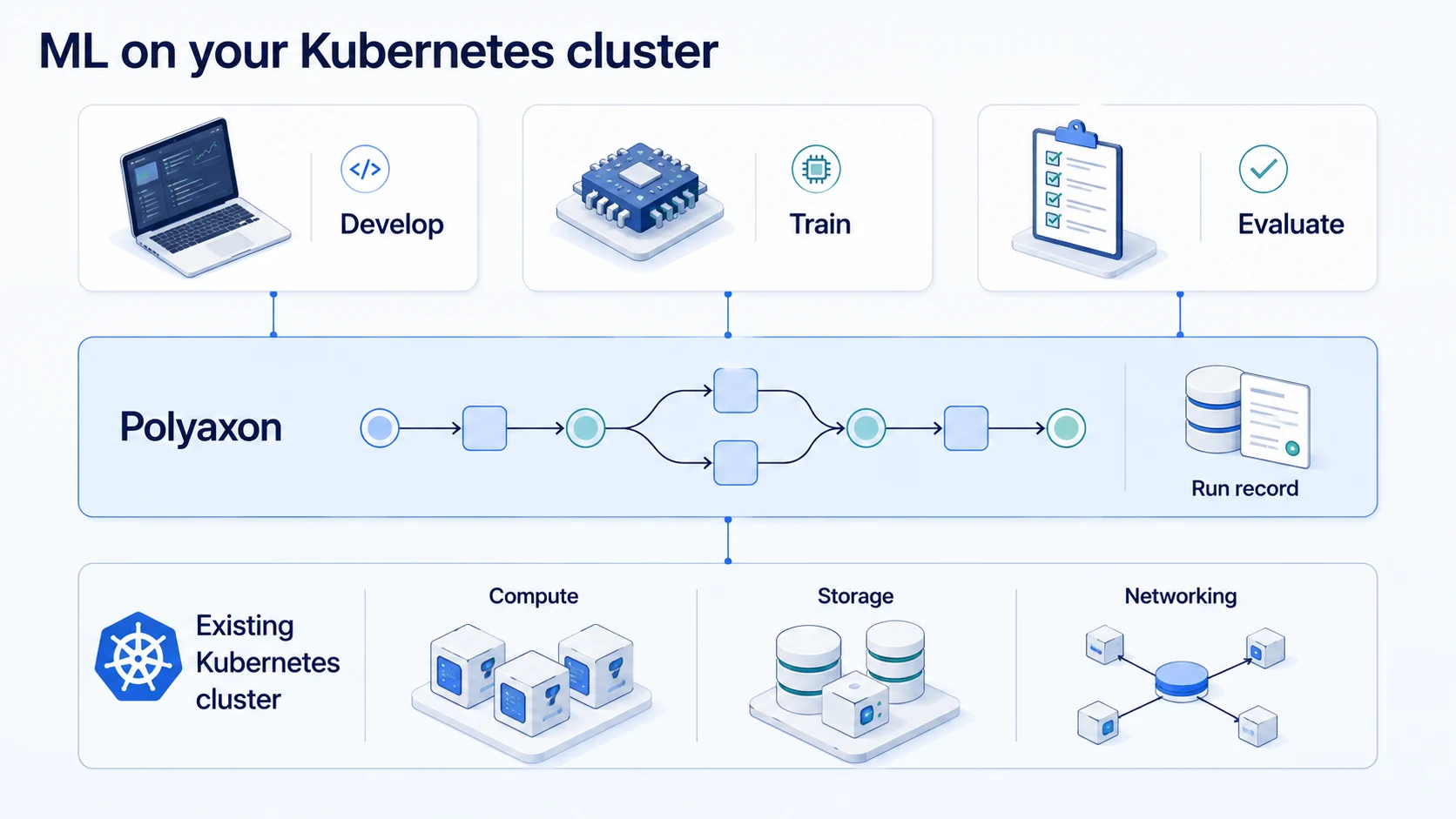
Decide whether Kubernetes fits your ML platform, then migrate workload contracts, storage, scheduling, security, and operations in controlled stages.
Use practical kubectl commands to inspect, diagnose, and manage Kubernetes ML workloads with explicit contexts, namespaces, and safer change habits.
Use container state, previous logs, events, probes, configuration, and resource evidence to find the cause behind CrashLoopBackOff.

Compare lexical, dense, and hybrid retrieval with a Polyaxon grid search, then inspect ranking quality, answer evidence, latency, and recommendation outcomes.
Understand when kubectl create, client-side apply, and server-side apply fit—and how field ownership affects safe Kubernetes automation.
Container orchestration automates scheduling, scaling, networking, and recovery for containerized applications running across clusters.
Design labels, selectors, and annotations that connect Kubernetes resources to ML ownership and operations without breaking controllers or metrics.
A practical comparison of Flask, FastAPI, and Django for serving machine learning APIs, internal tools, and production services.

Build and evaluate versioned RAG indexes with Polyaxon operations, resource configuration, connections, tracked manifests, and case-level reports.
Choose the correct restart path for Deployments, StatefulSets, Jobs, and standalone Pods while preserving evidence and workload ownership.
Diagnose Kubernetes volume failures across claims, provisioning, topology, attachment, node mounts, permissions, and workload ownership.
Learn the Kubernetes control model, core workload and infrastructure objects, and the capabilities an ML platform must add above the cluster.
How multi-architecture Docker images help ML teams run the same workload across developer laptops, CI, and mixed cloud compute.
Production Kubernetes needs monitoring, RBAC, resource controls, versioned manifests, and operational discipline. This guide covers the checks that matter.
Learn how Kubernetes operators extend the API to manage application lifecycle, stateful systems, upgrades, backups, and automation.
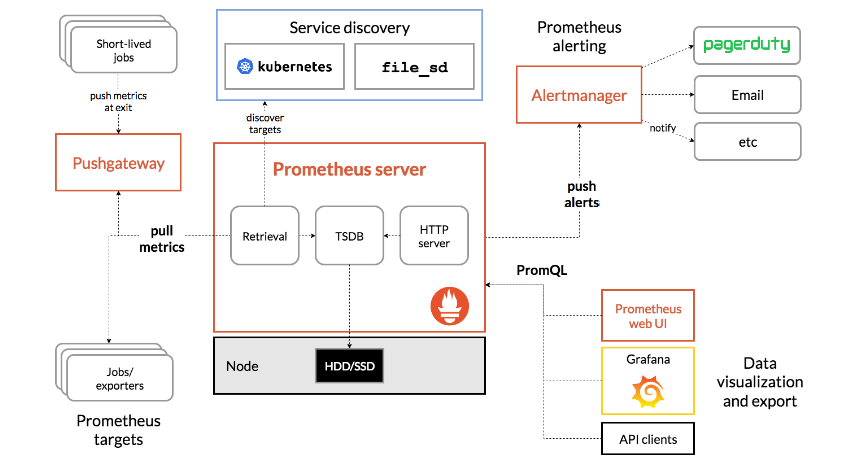
A practical guide to Kubernetes monitoring layers, useful metrics, workload visibility, and the limits of raw cluster telemetry.

Use kubectl delete safely for Kubernetes resources, files, labels, namespaces, force deletion, and cleanup workflows.
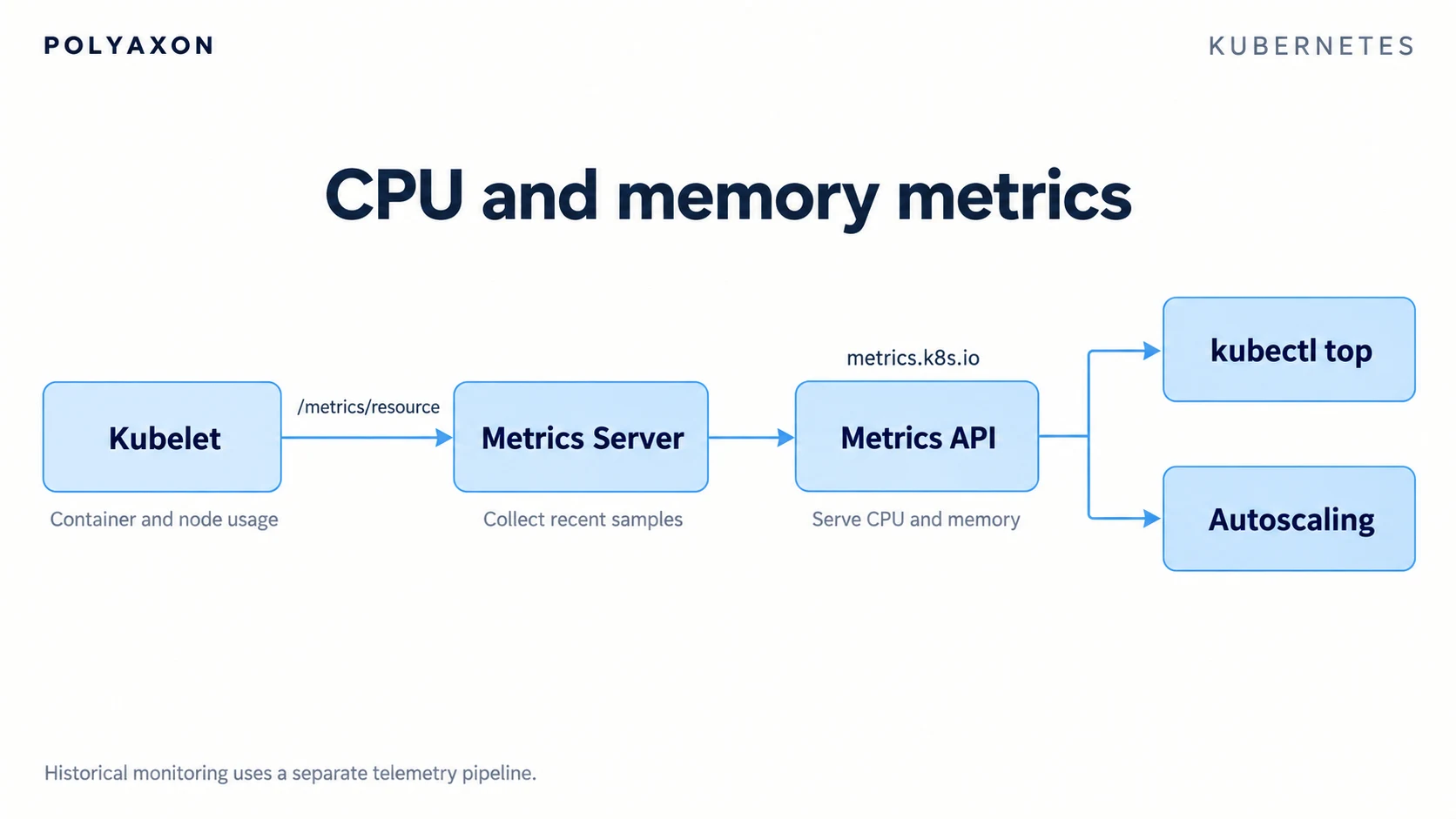
Find Kubernetes CPU, memory, object-state, and control plane metrics, and read them correctly with kubectl and your monitoring tools.
How to use Minikube for local Kubernetes development, basic cluster operations, and testing ML workloads before moving to shared infrastructure.
Understand Kubernetes StorageClasses, dynamic provisioning, reclaim policies, volume binding, and persistent volume claims.
Deploy a single PostgreSQL instance with a Secret, persistent storage, and private access, then verify that its data survives a Pod replacement.