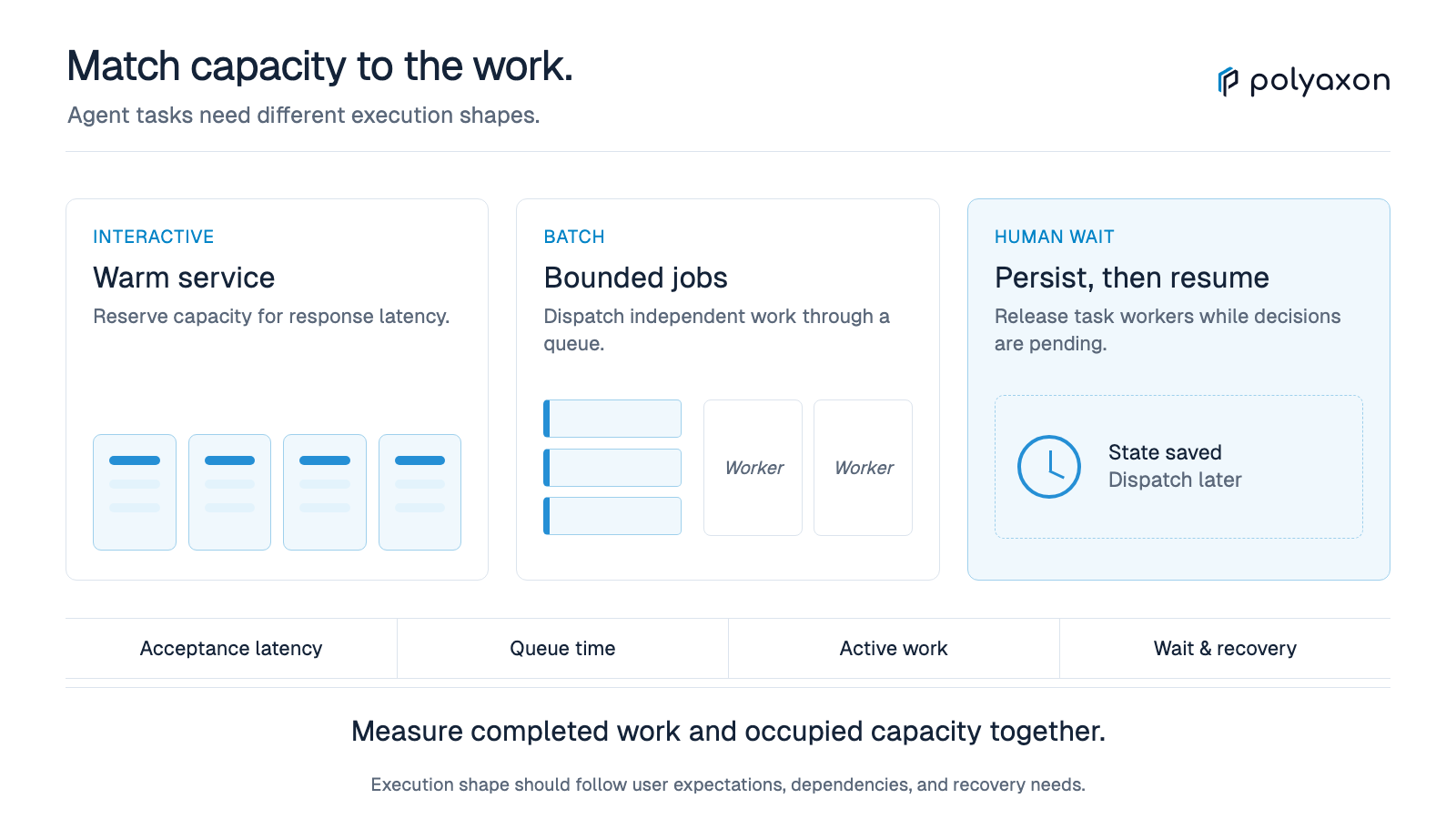
Operating long-running AI agents
Choose jobs, services, queues, and capacity controls for agent workloads using task duration, dependency limits, resume latency, and execution cost.
AI AgentsOrchestrationKubernetes
Practical guides to building, running, and improving ML and AI in production.
Page 5 of 21
Choose jobs, services, queues, and capacity controls for agent workloads using task duration, dependency limits, resume latency, and execution cost.
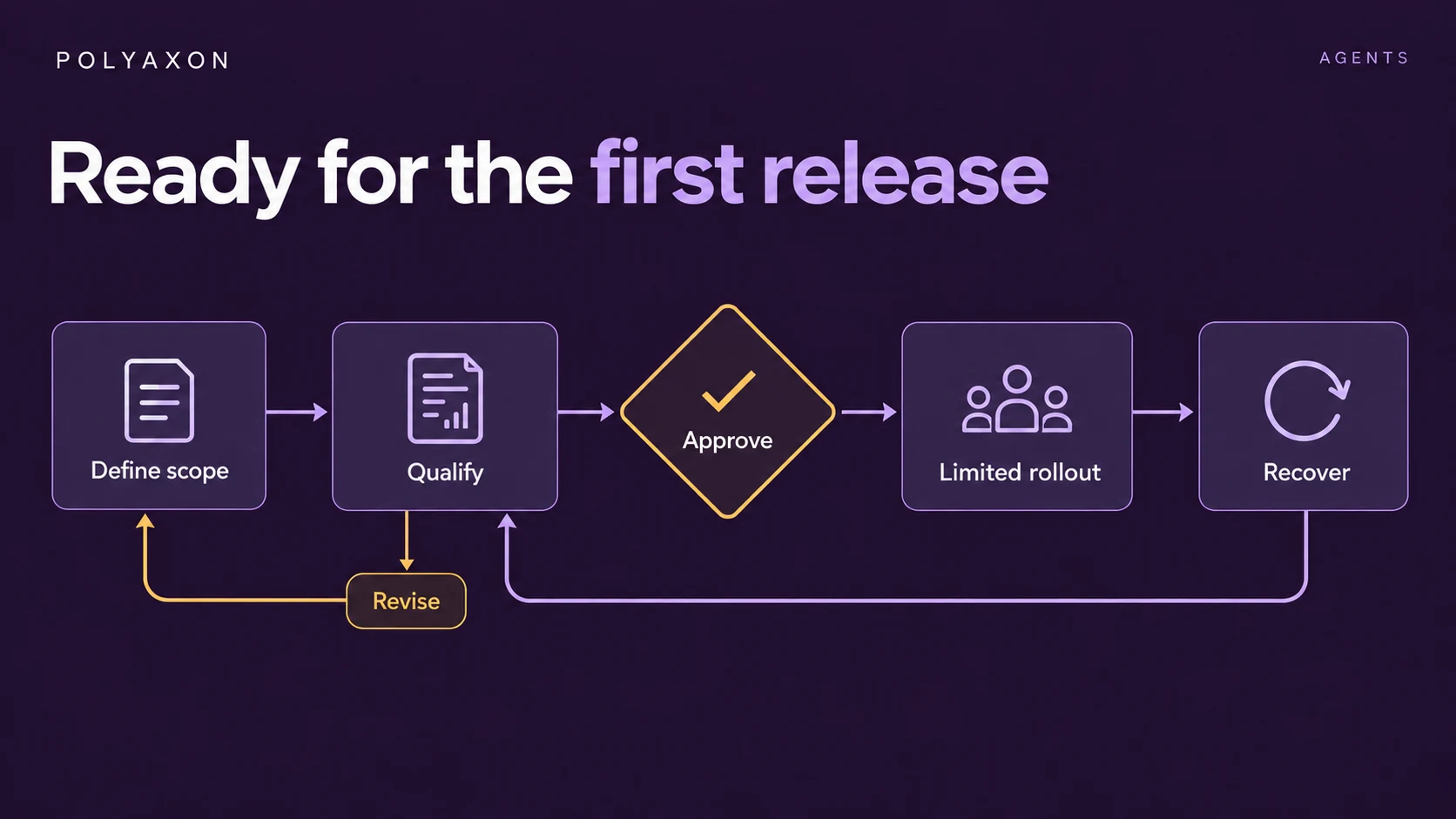
Build an agent release checklist around Polyaxon qualification jobs, versioned components, artifact reports, termination settings, and manual approval.
Plan GPU inference rollouts around surge capacity, temporary reduced availability, model warmup, and request draining with a worked Deployment scenario.
Apply security controls across data, training, evaluation, artifacts, deployment, and operation without slowing every AI workload equally.
Use Pod-level resource budgets for cooperating containers, understand the remaining isolation boundaries, and evaluate the fit for ML services.
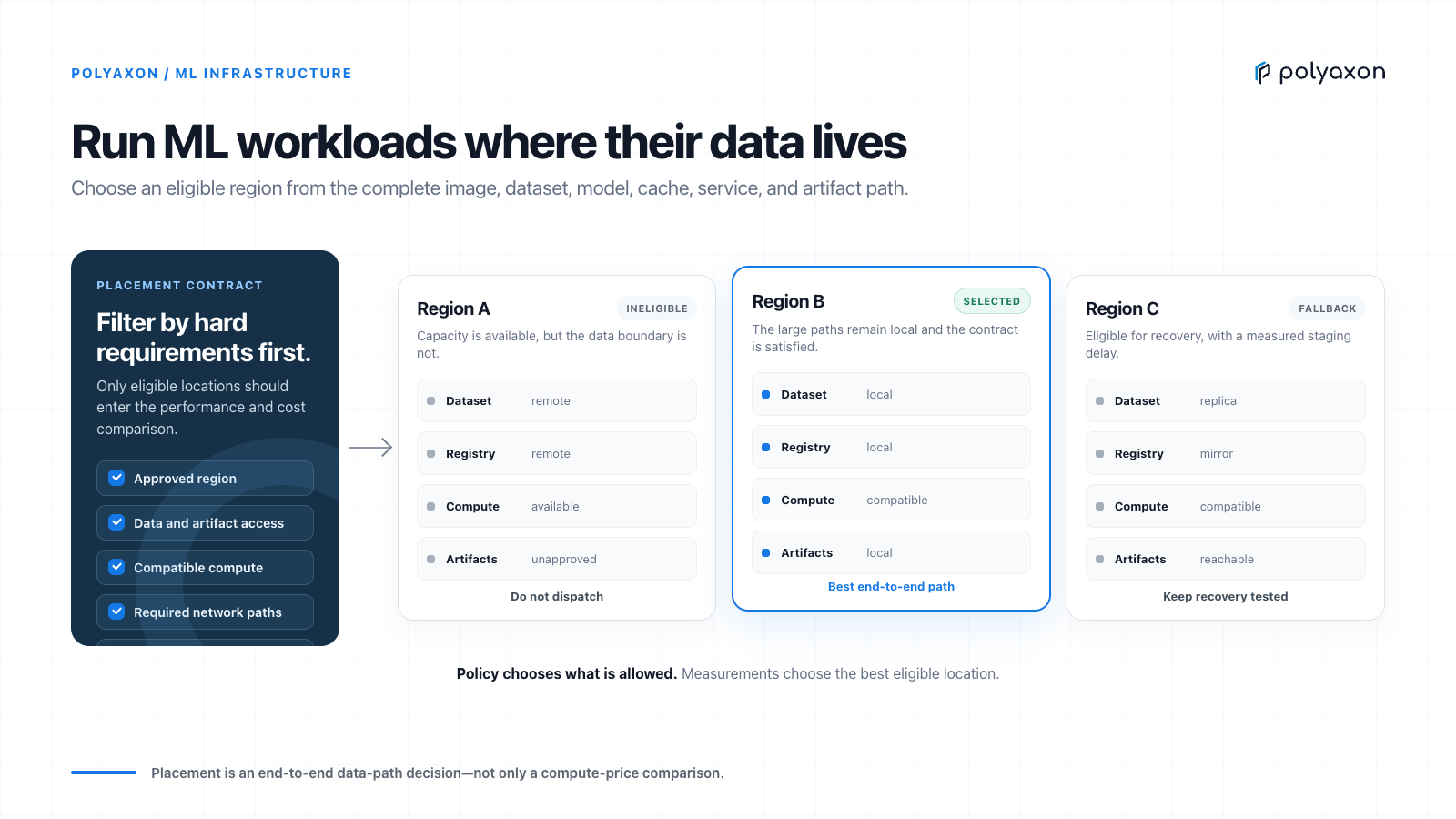
Design region-aware ML execution around dataset, registry, model, cache, artifact, and service locality without confusing proximity with data residency.
Build an operational foundation for autonomous agents using Polyaxon workload profiles, durable state, bounded authority, evaluation, and recovery ownership.
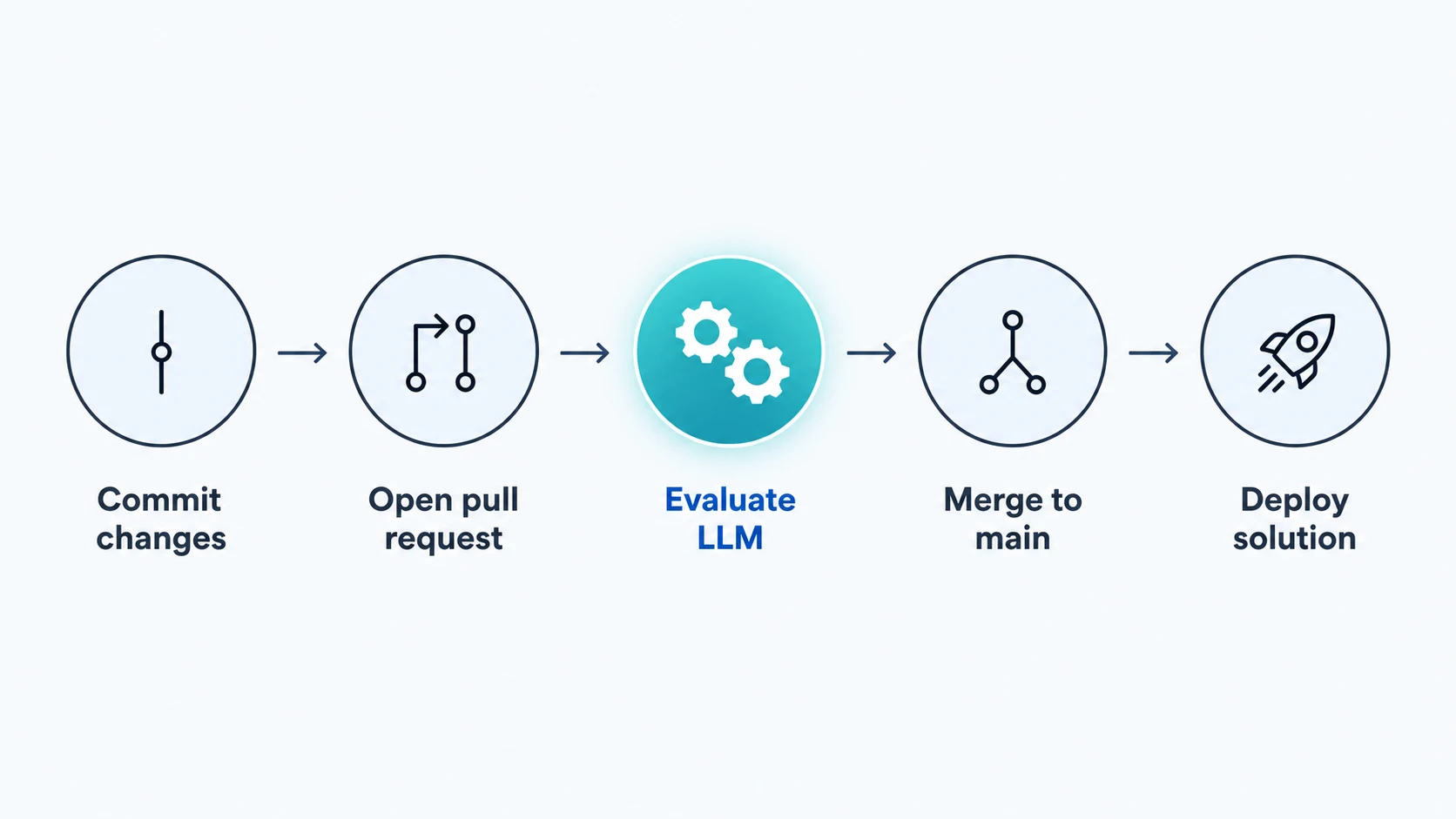
Turn AI security findings into repeatable CI checks with versioned cases, complete result manifests, explicit release gates, and retained evidence.
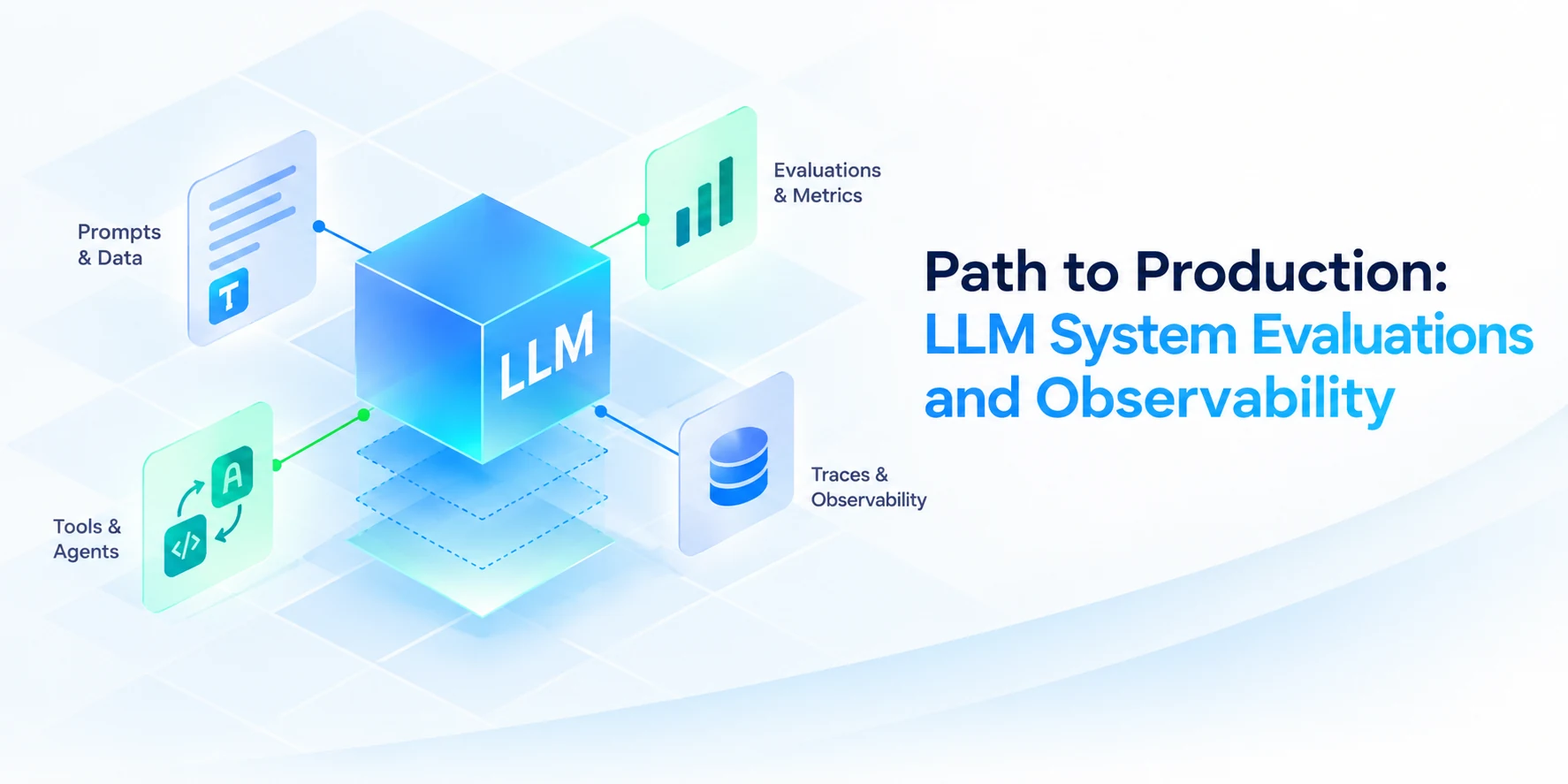
Use Polyaxon run tracking, comparison dashboards, resource monitoring, and repeatable evaluation to decide what to improve after an LLM prototype.
Connect Kubernetes DRA allocations, device health, and application failures without confusing missing telemetry with healthy hardware.
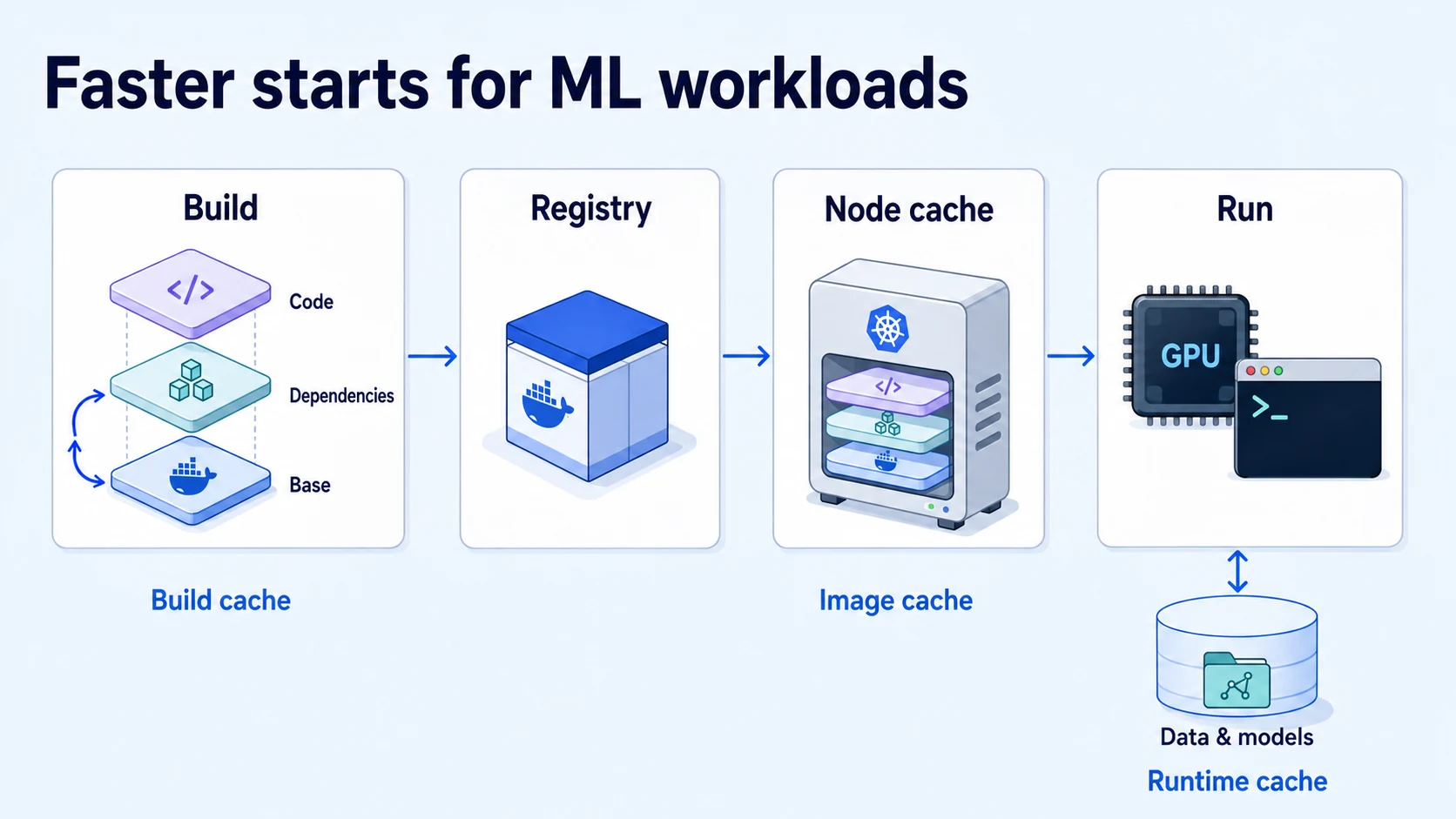
Reduce container build and startup time for ML jobs with reusable dependency layers, persistent build caches, and deliberate image and model caching.
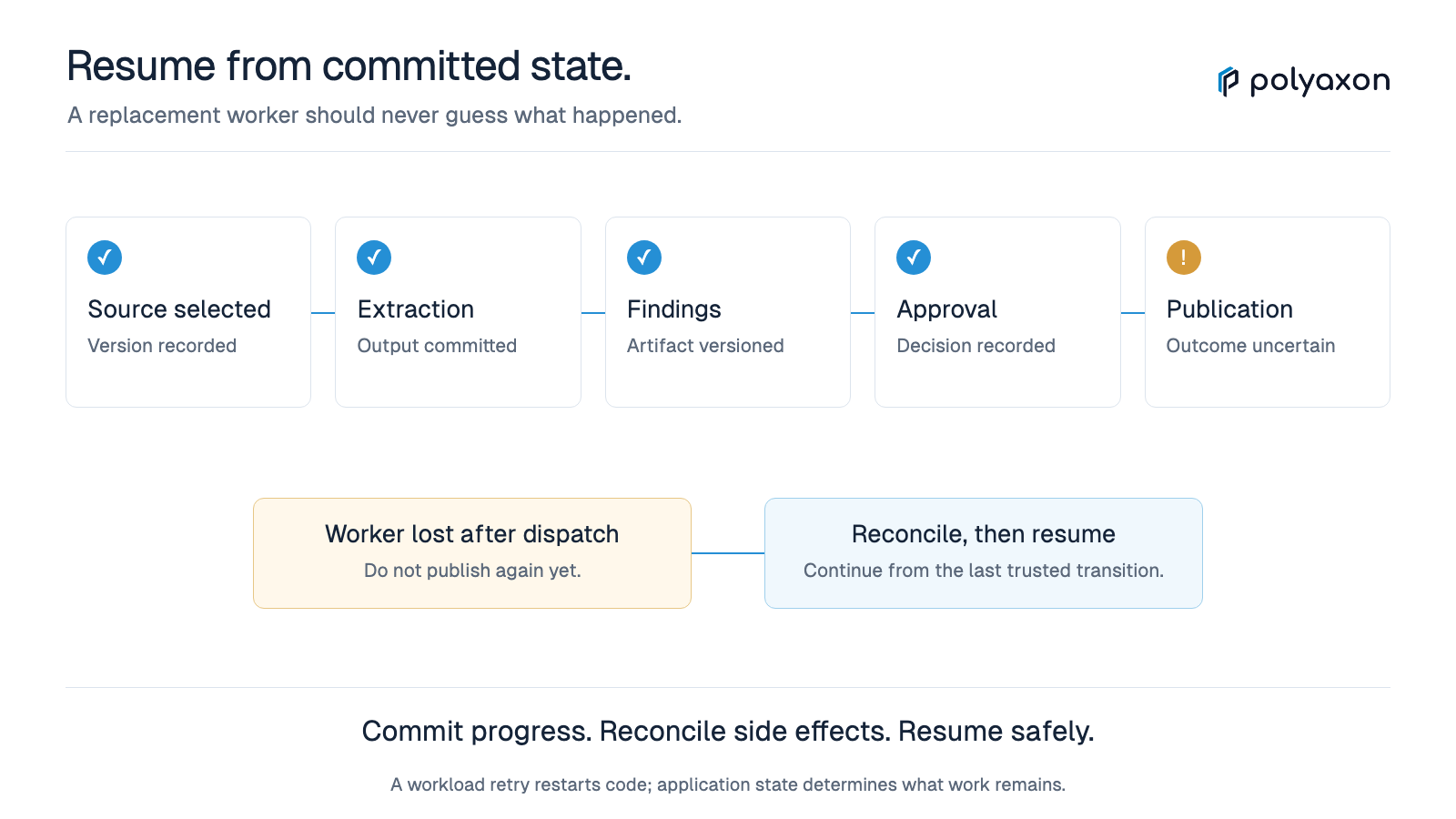
Build agent recovery around committed checkpoints, versioned inputs, safe side effects, and approval state so interrupted tasks can continue reliably.
Use consequence-based AI risk tiers to apply proportionate data, evaluation, security, approval, deployment, monitoring, and incident controls.
Understand how Kubernetes preempts capacity for PodGroups, choose disruption behavior for training and evaluation, and keep recovery separate from priority.
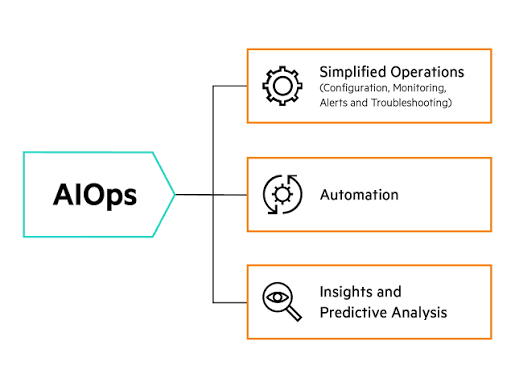
Use AIOps to investigate ML incidents and automate low-risk remediation without giving an AI system unrestricted production access.

Control what coding agents can read, change, execute, merge, and deploy with layered checks from context selection through production.
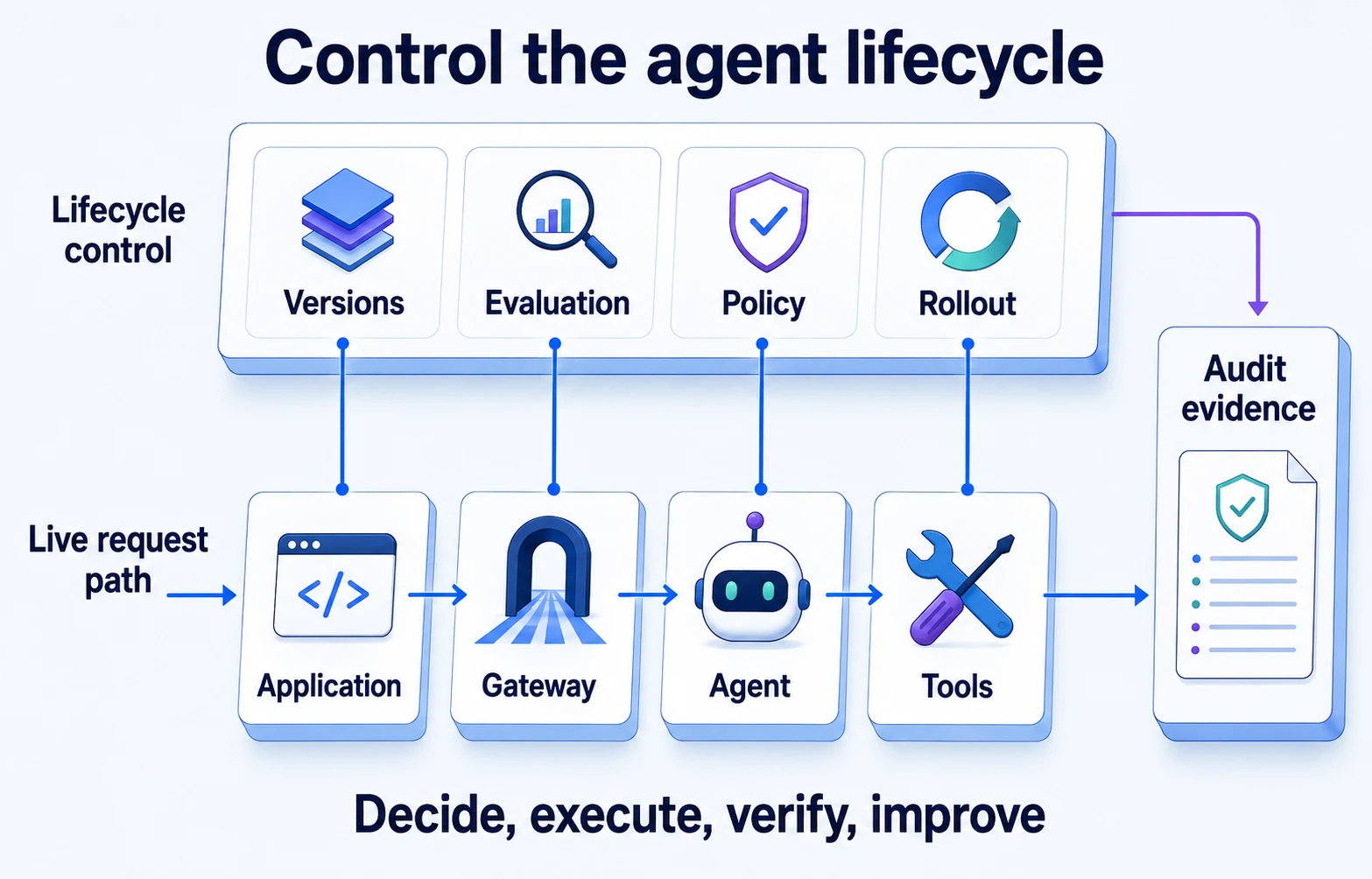
Separate live agent requests from versioning, evaluation, policy, rollout, identity, evidence, and recovery across the application lifecycle.
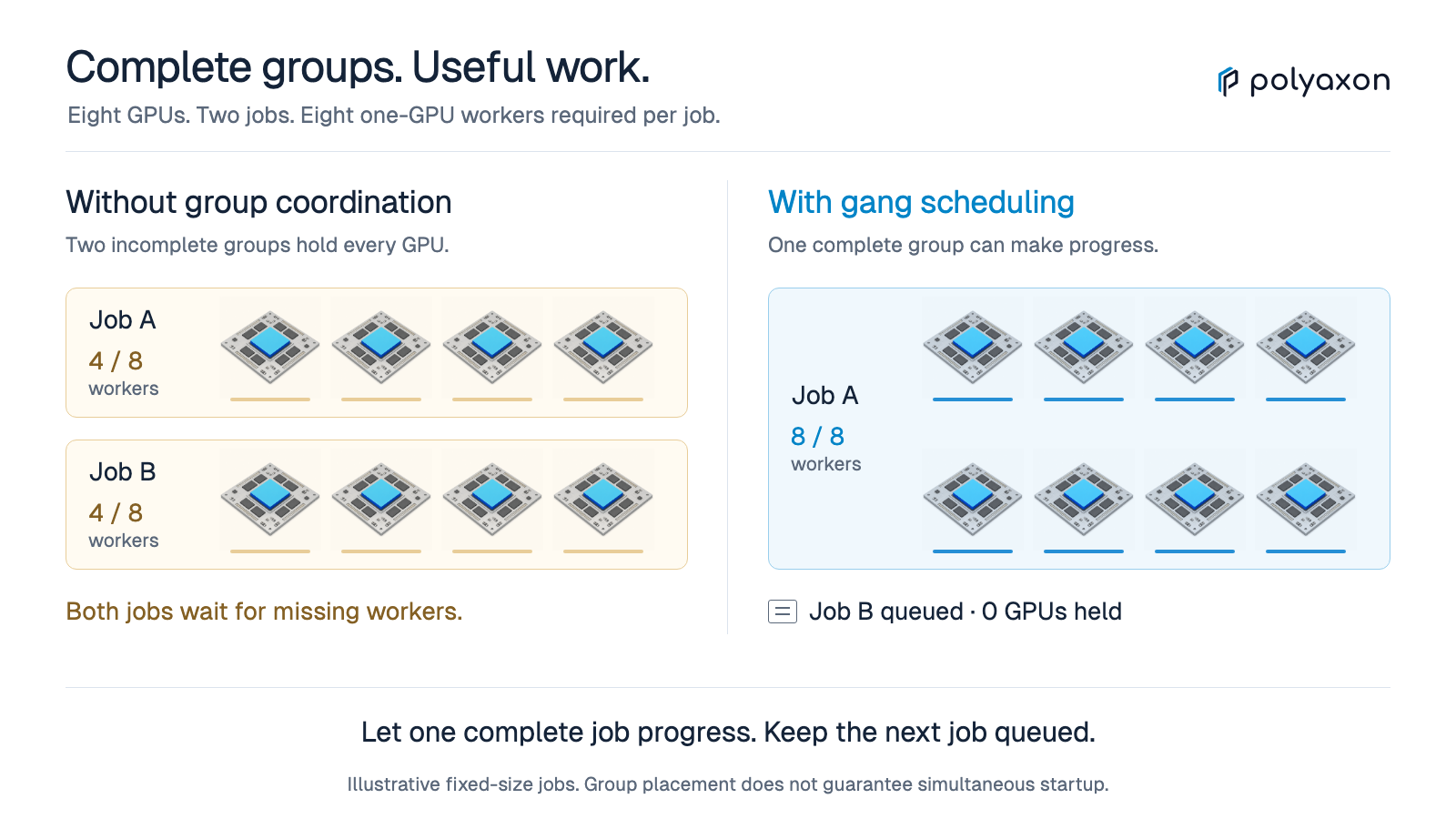
Understand how gang scheduling prevents partial distributed jobs from holding GPUs, how minimum membership works, and what Polyaxon supports.
Build MCP security tests for tool discovery, authorization, injected tool results, session identity, and approval boundaries in AI agents.
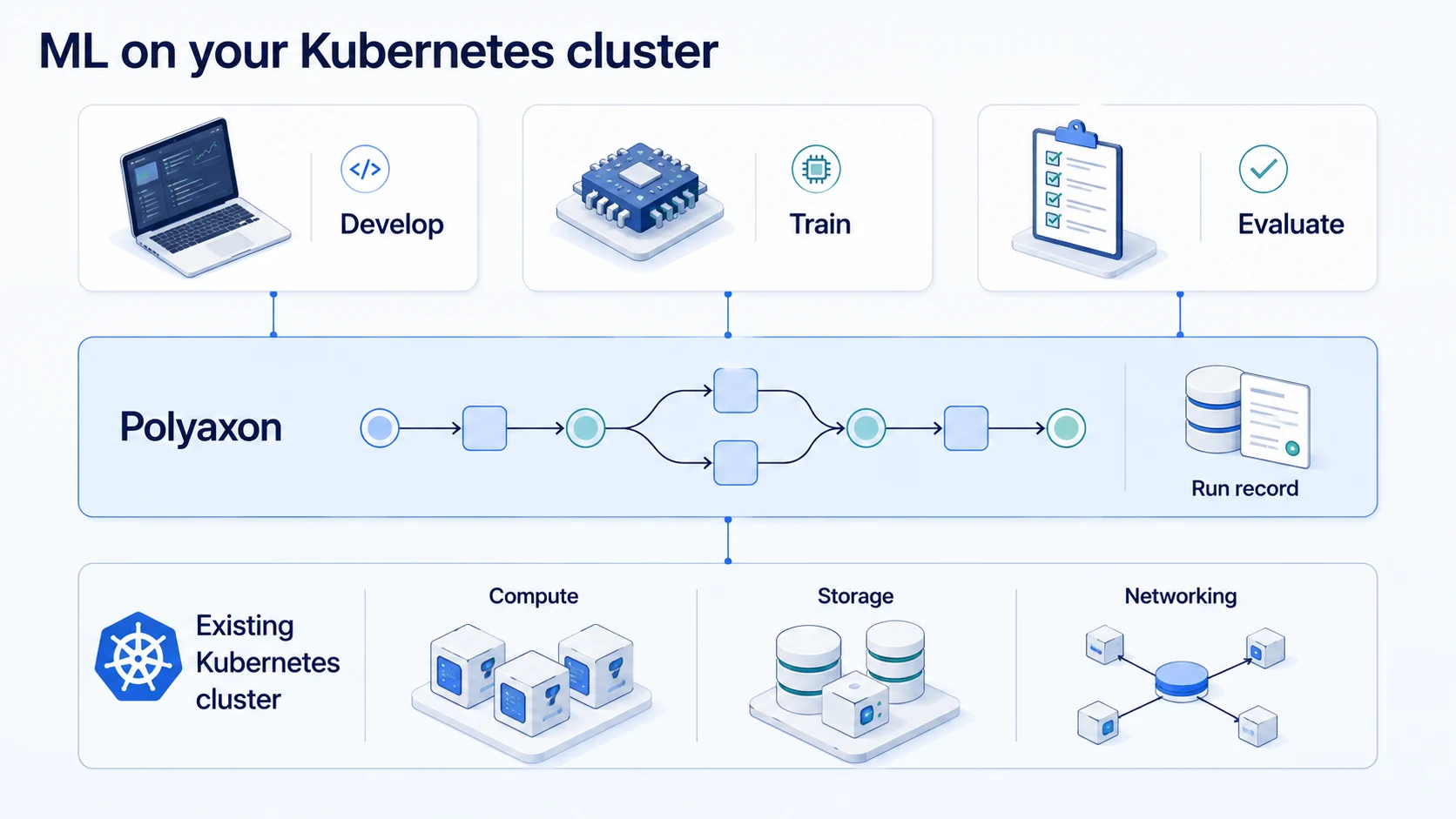
Keep AI workloads portable with explicit execution contracts, open packaging and telemetry, hardware abstraction, data boundaries, and tested migration paths.
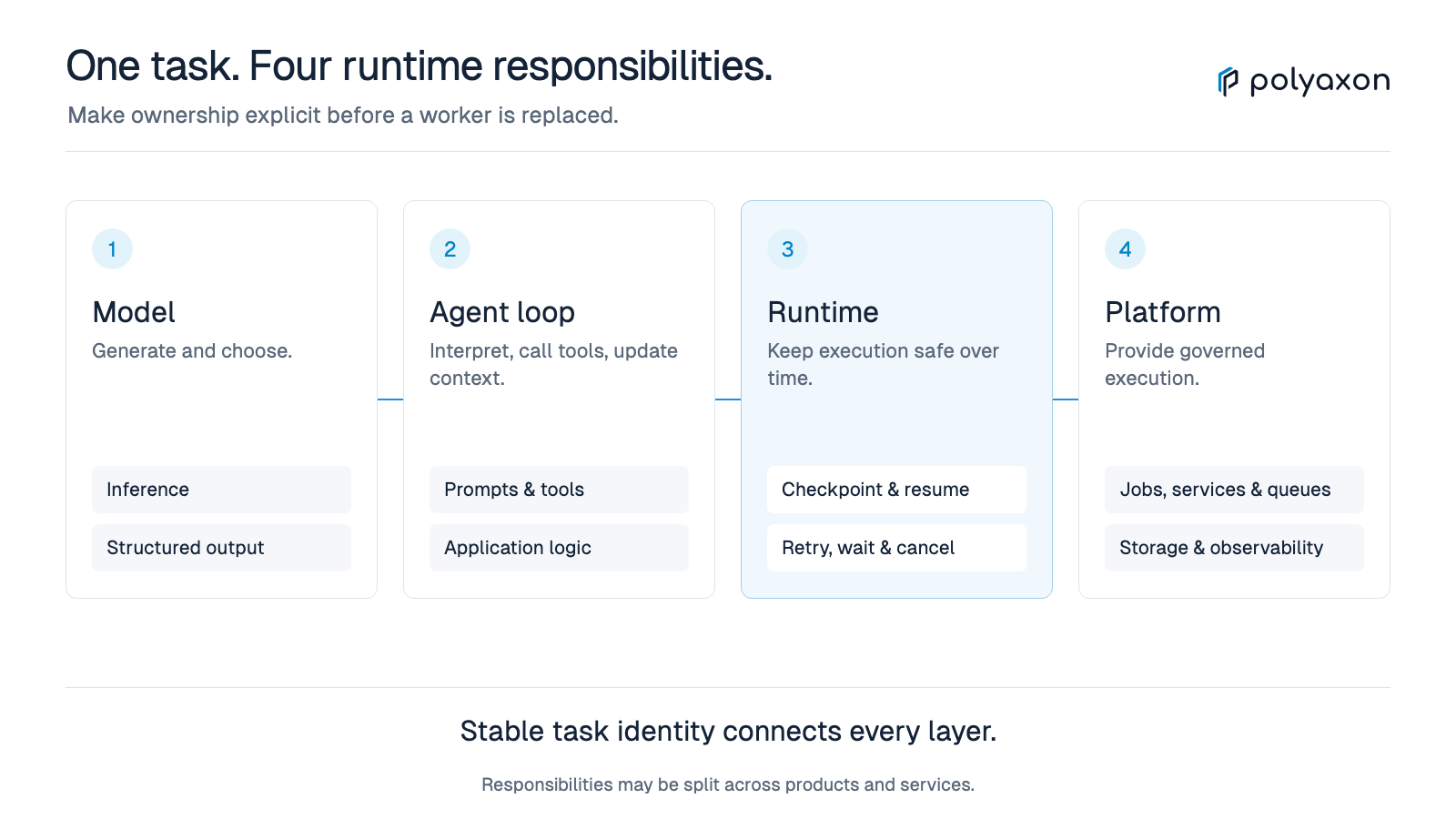
Design agent execution around durable state, safe tool retries, approval waits, and recovery, with clear responsibilities for Polyaxon and your agent framework.

Enable sandbox execution on a Polyaxon service, reuse its image and compute settings, run commands through the SDK, and preserve results before cleanup.
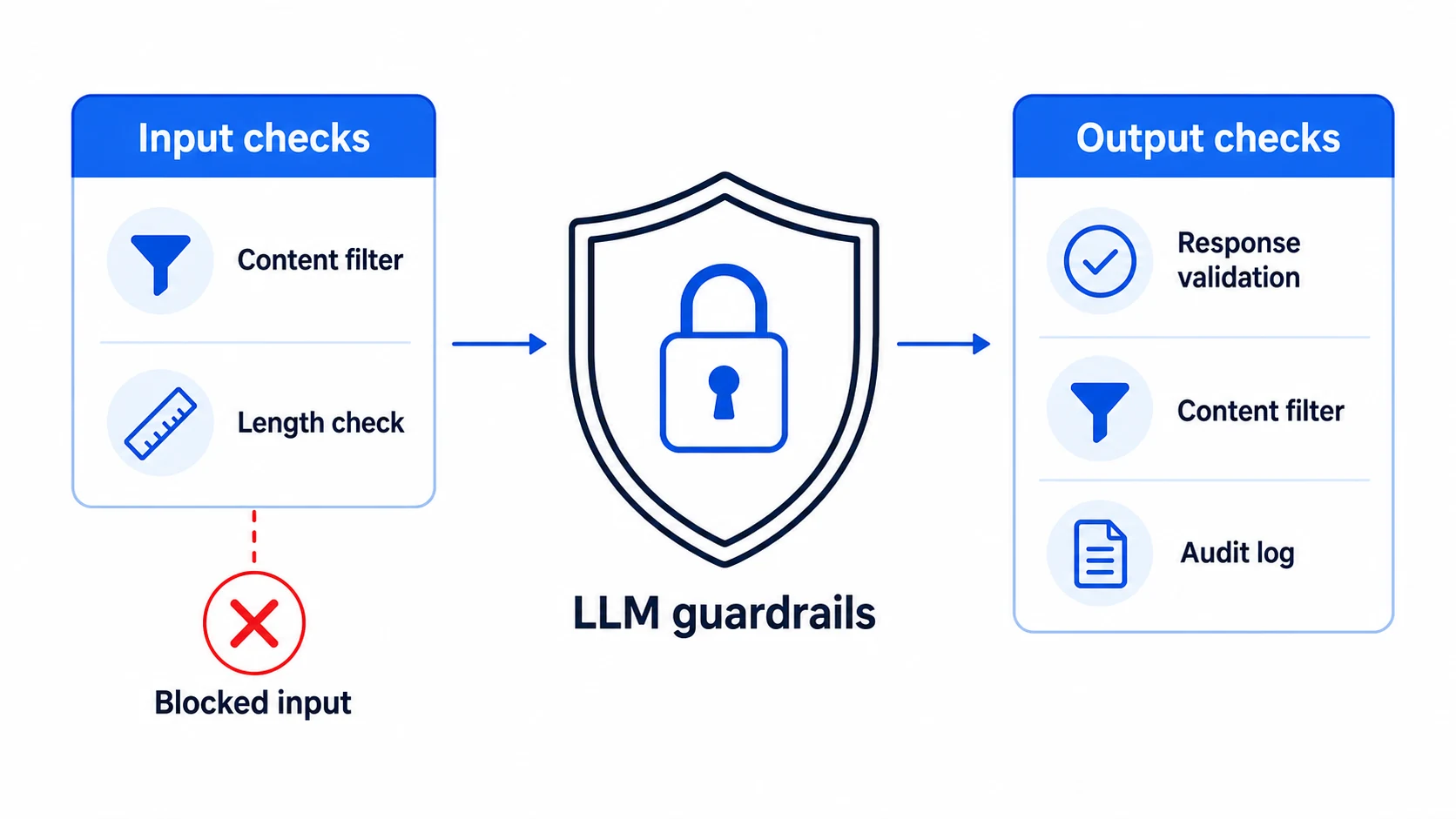
Compare LLM guardrails using attack blocking, legitimate task success, false refusals, latency, cost, and explicit handling of errors.
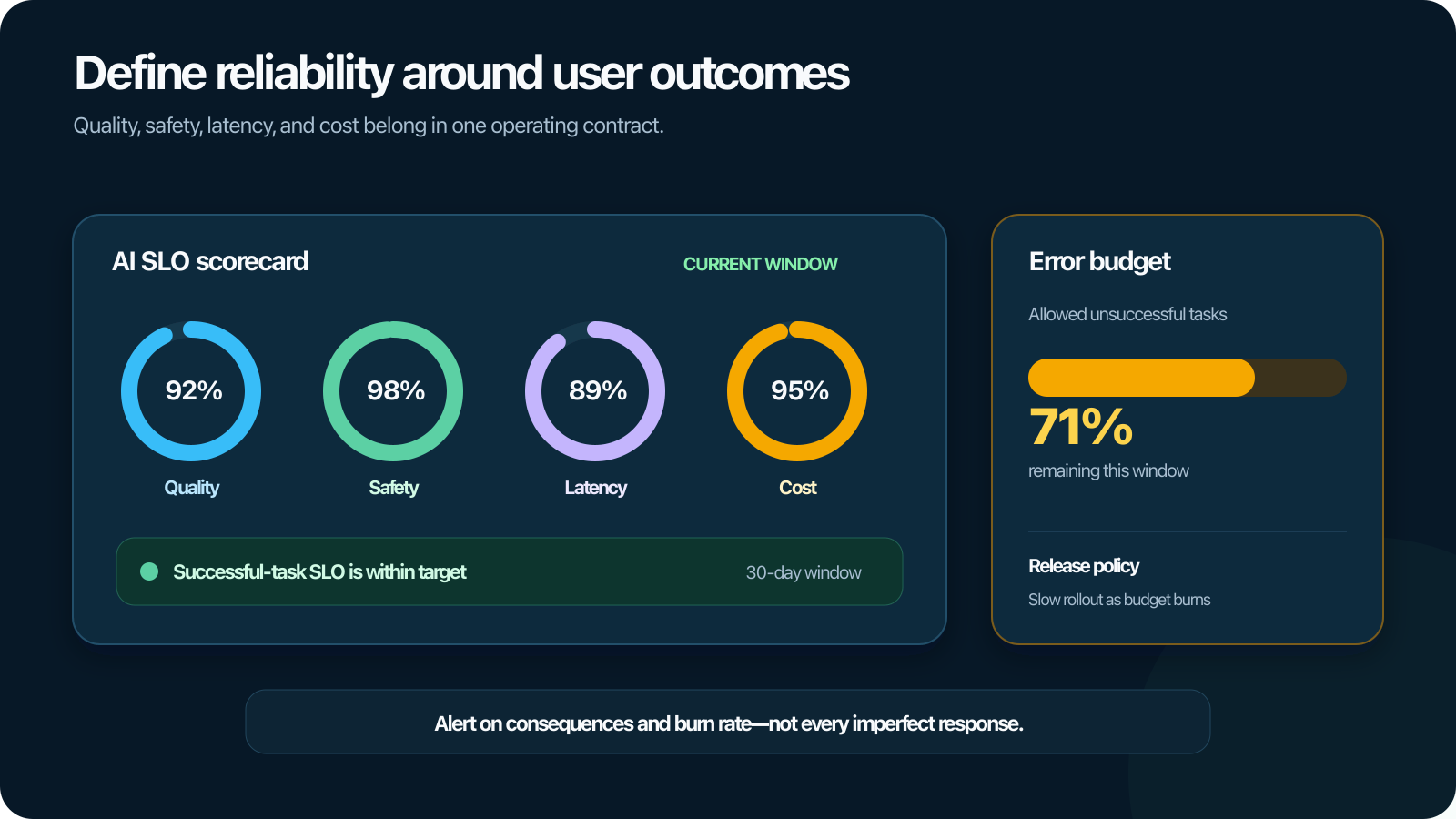
Define service-level objectives for AI quality, task success, safety, latency, availability, and cost using measurable user-centered indicators.