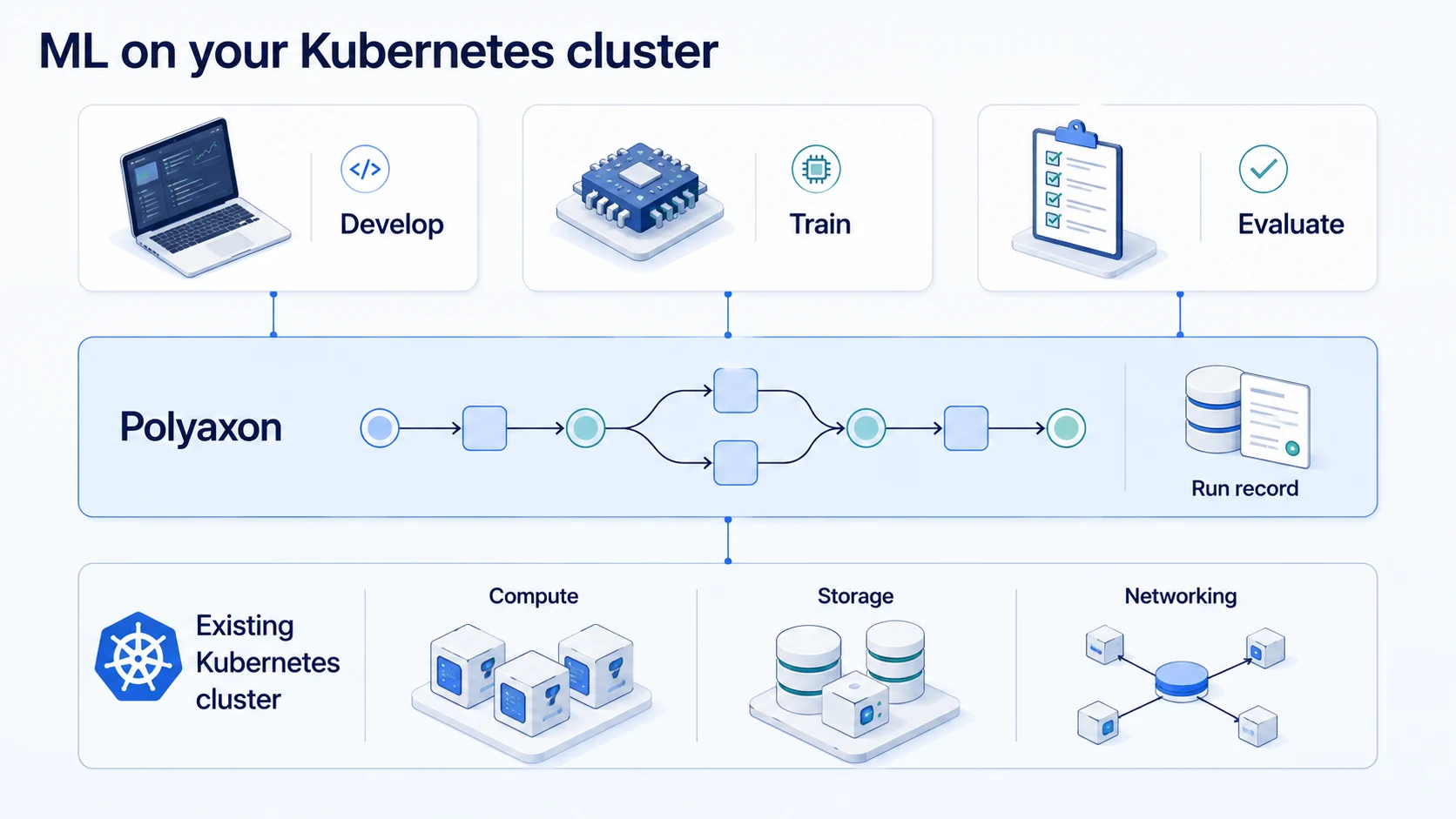
Run ML workloads on your existing Kubernetes cluster
Plan a Polyaxon deployment on an existing Kubernetes cluster, covering GPUs, storage, identity, networking, workload ownership, and recovery.
KubernetesInfrastructureGuides
Practical guides to building, running, and improving ML and AI in production.
Page 6 of 21
Plan a Polyaxon deployment on an existing Kubernetes cluster, covering GPUs, storage, identity, networking, workload ownership, and recovery.
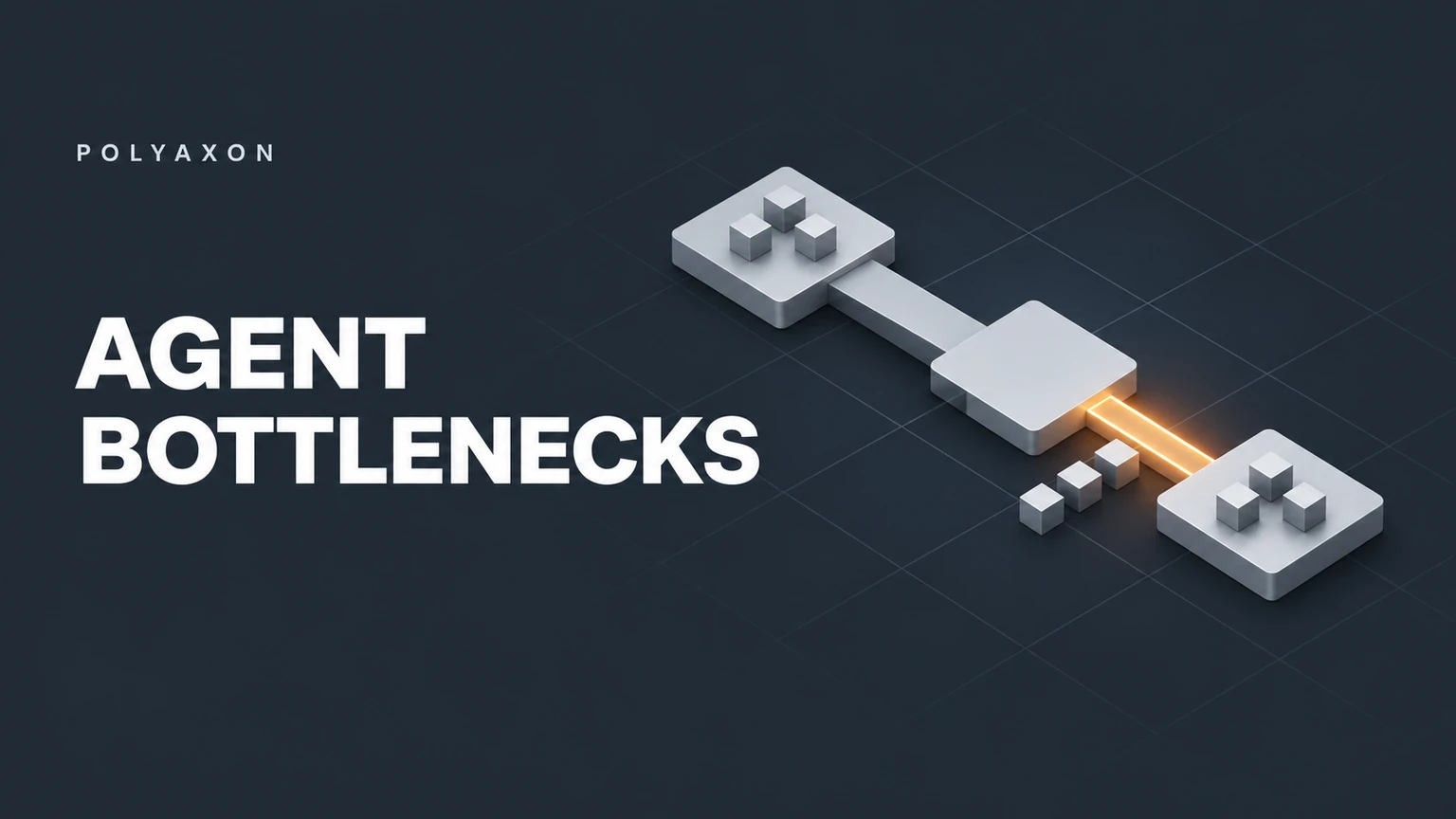
Measure Polyaxon agent workflow bottlenecks across planning, queueing, execution, transfers, and evaluation using critical-path timing and quality-aware comparisons.
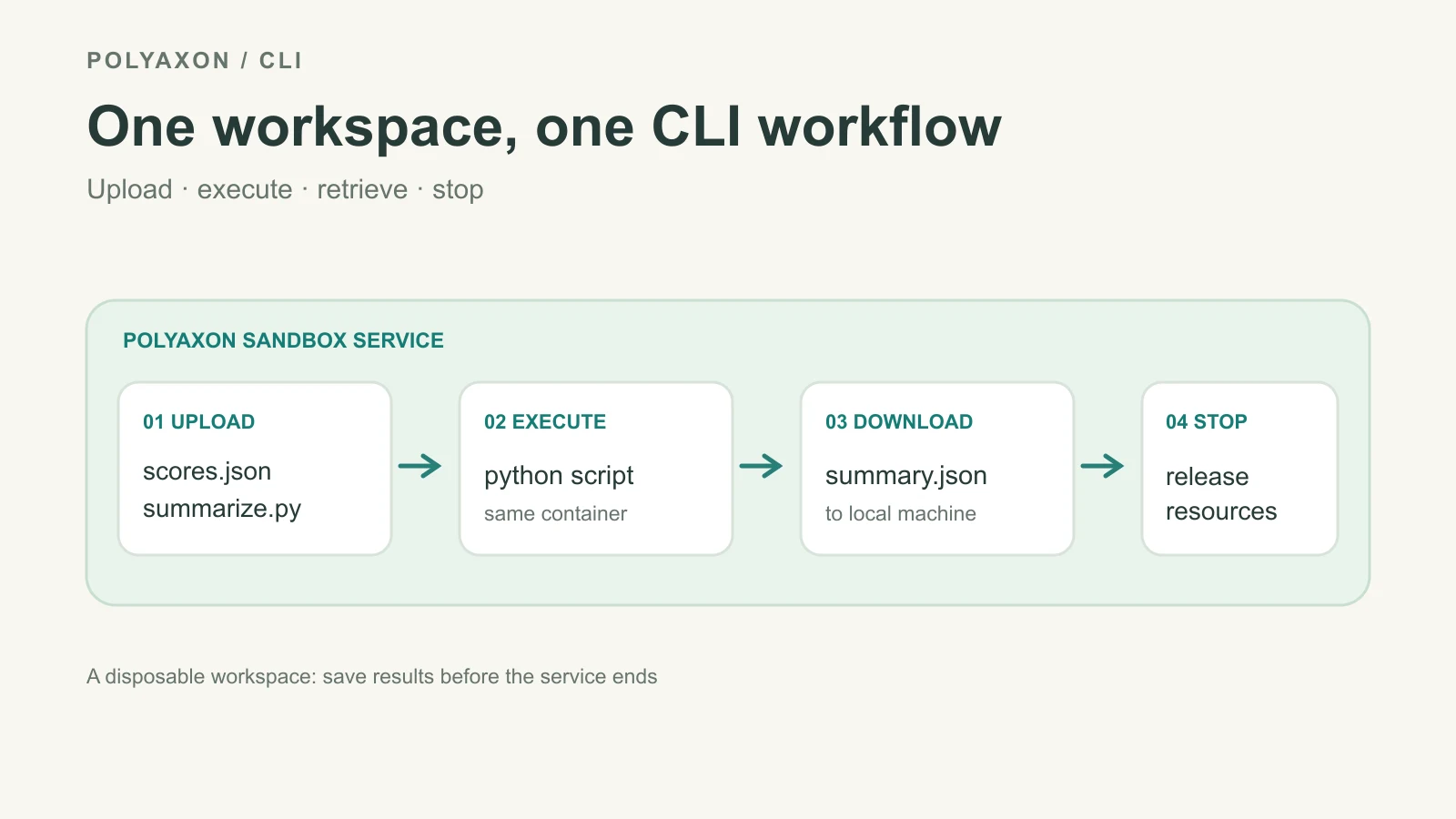
Start a sandbox-enabled Polyaxon service, upload two files, run a command, download its result, and release the workspace from the CLI.
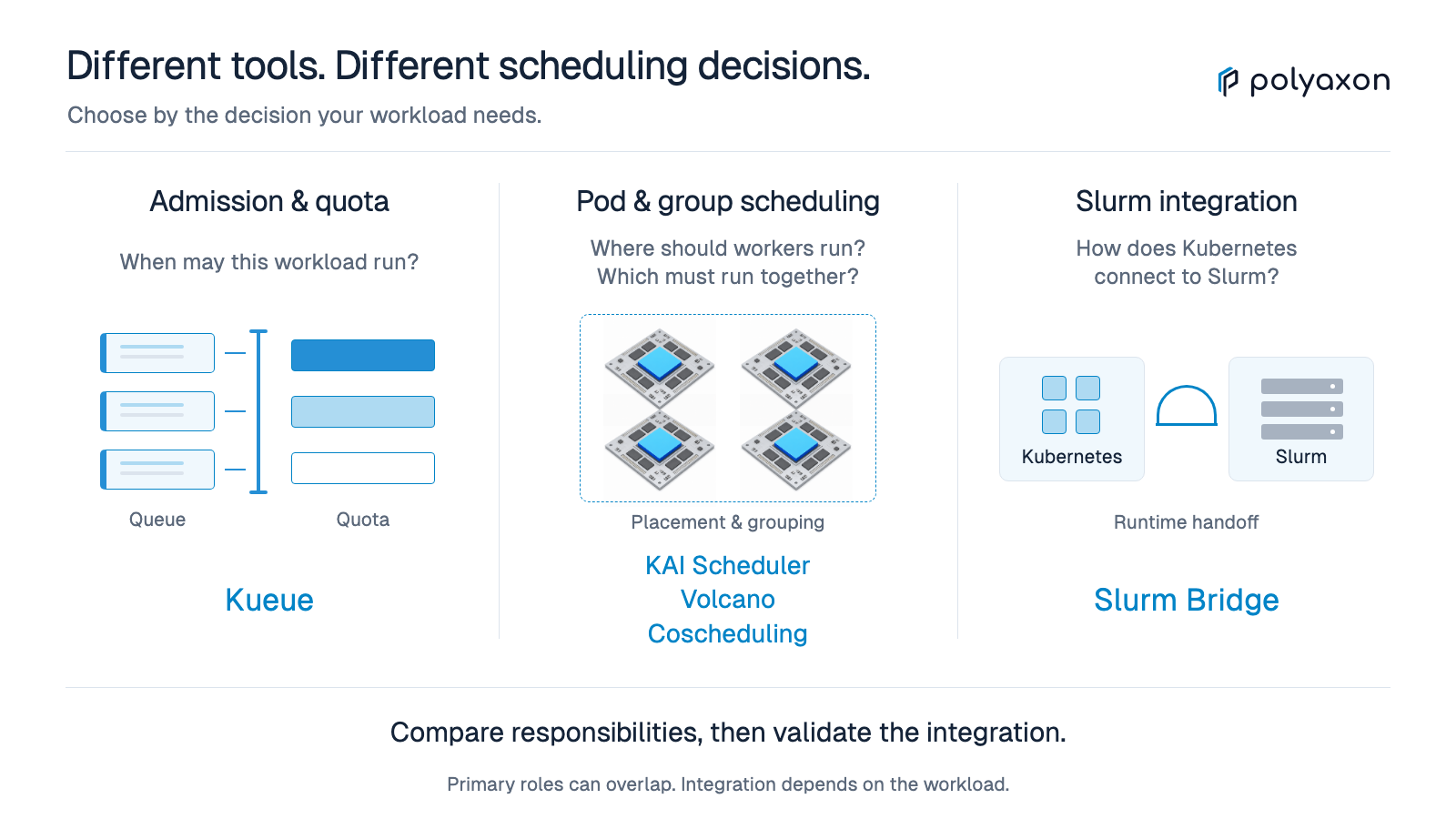
Compare Kueue, KAI Scheduler, Volcano, Coscheduling, and Slurm Bridge by responsibility, workload fit, and Polyaxon integration path.
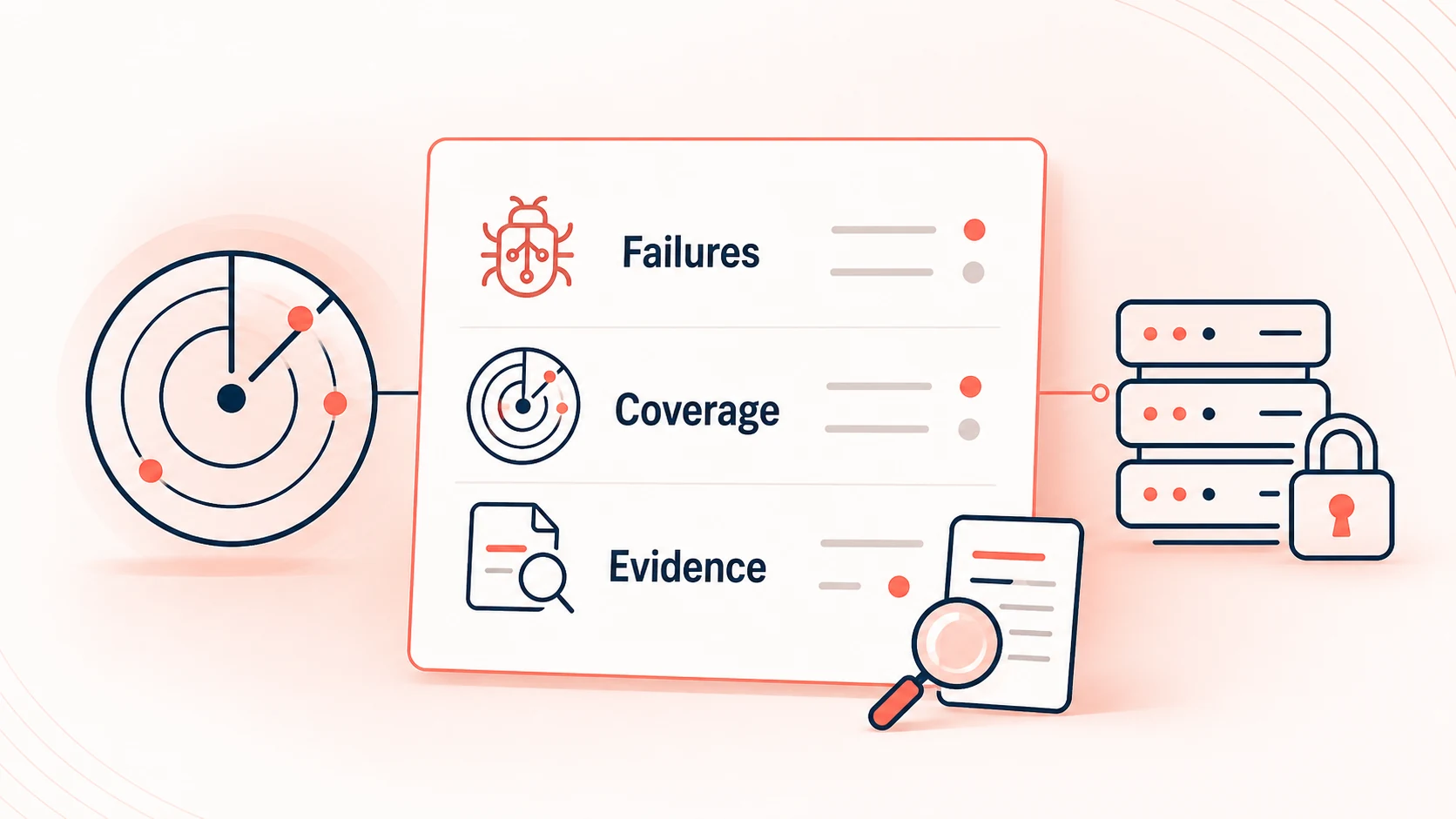
Measure AI red teaming with explicit attack success rates, attempt budgets, coverage, false refusals, severity, and evaluator uncertainty.
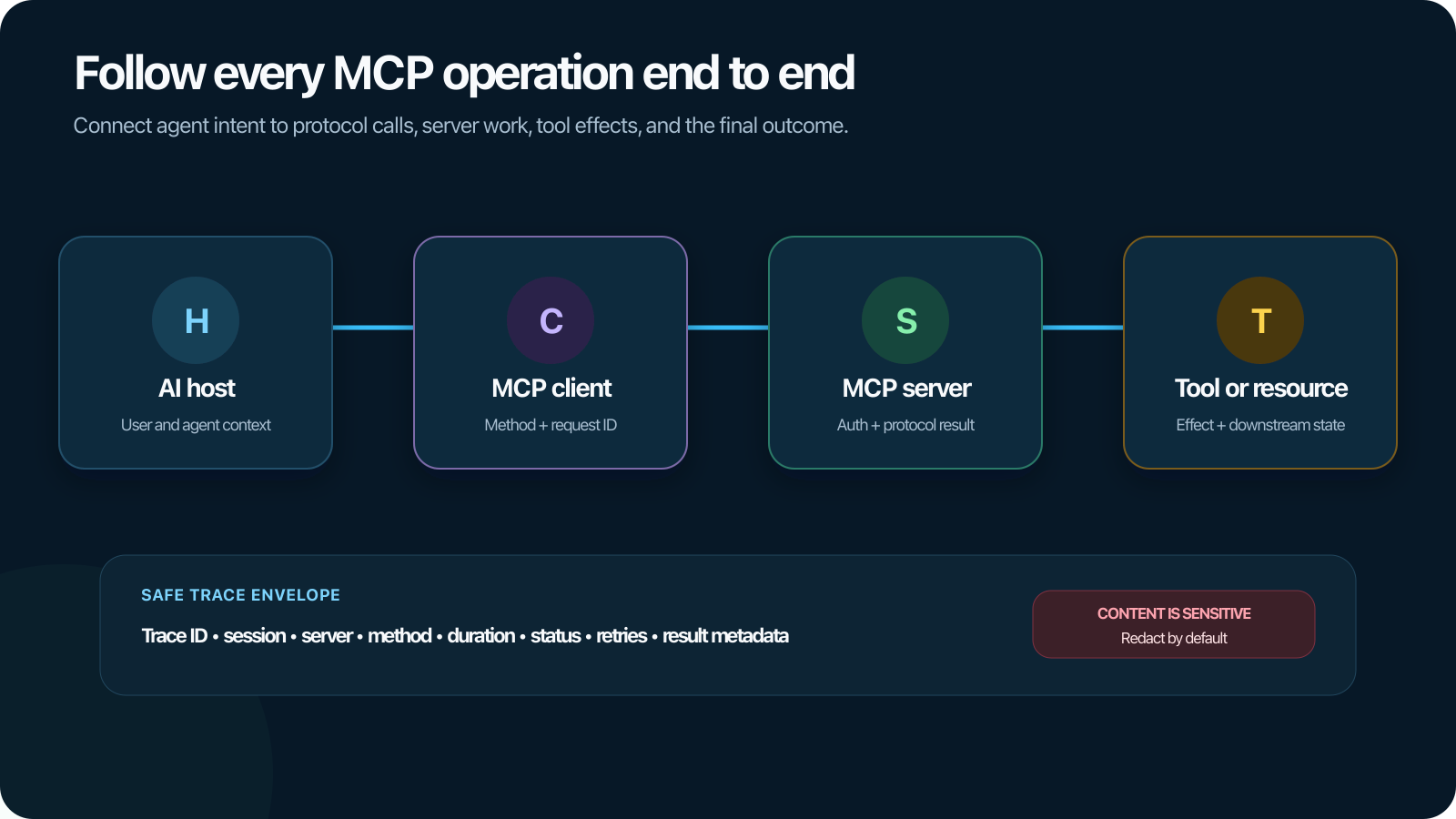
Trace MCP discovery, sessions, resources, prompts, tool calls, permissions, errors, and agent outcomes across clients and servers.
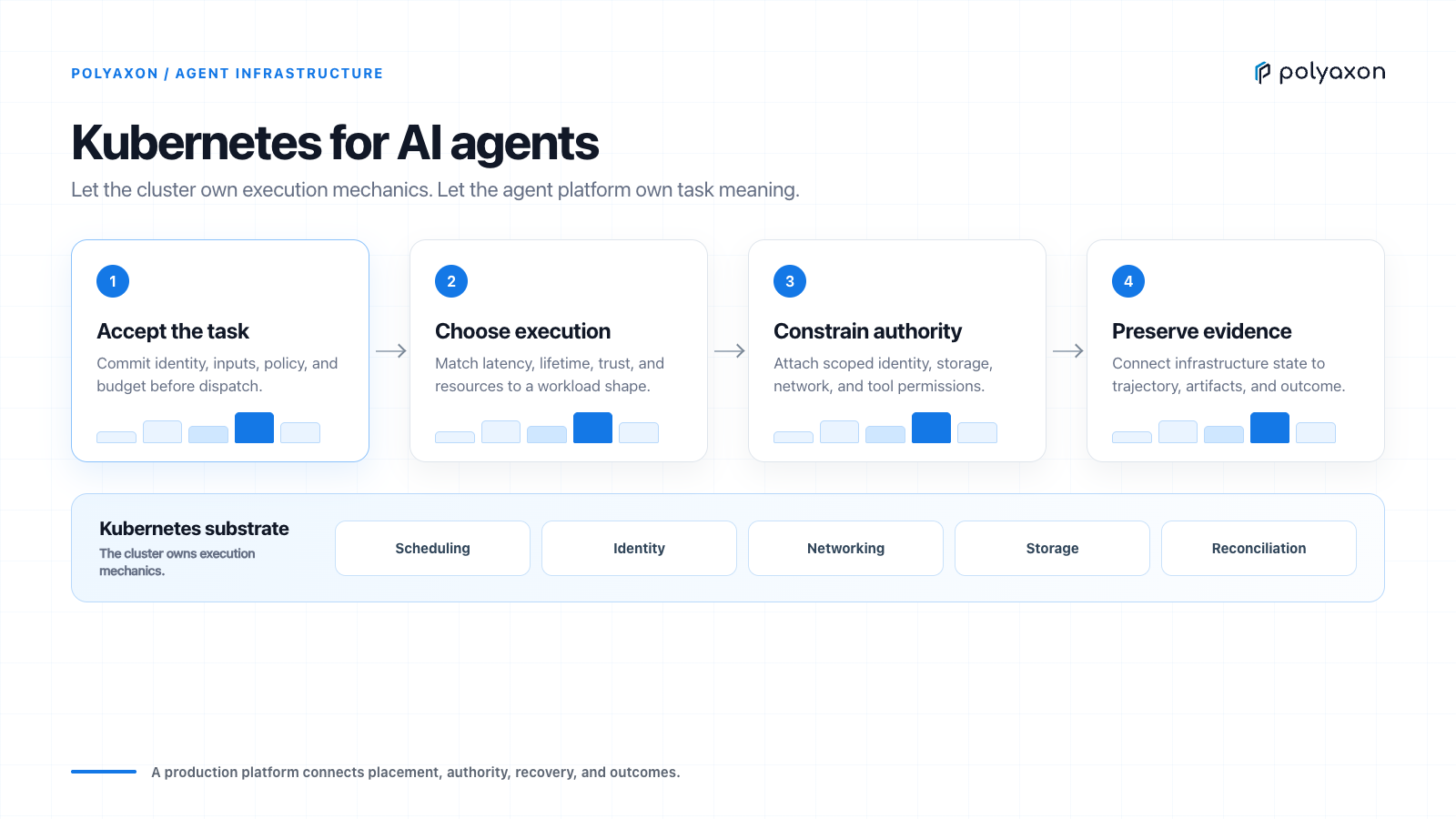
Design a production conversational assistant with grounded retrieval, controlled model access, durable conversation state, evaluation, security, and Kubernetes operations.
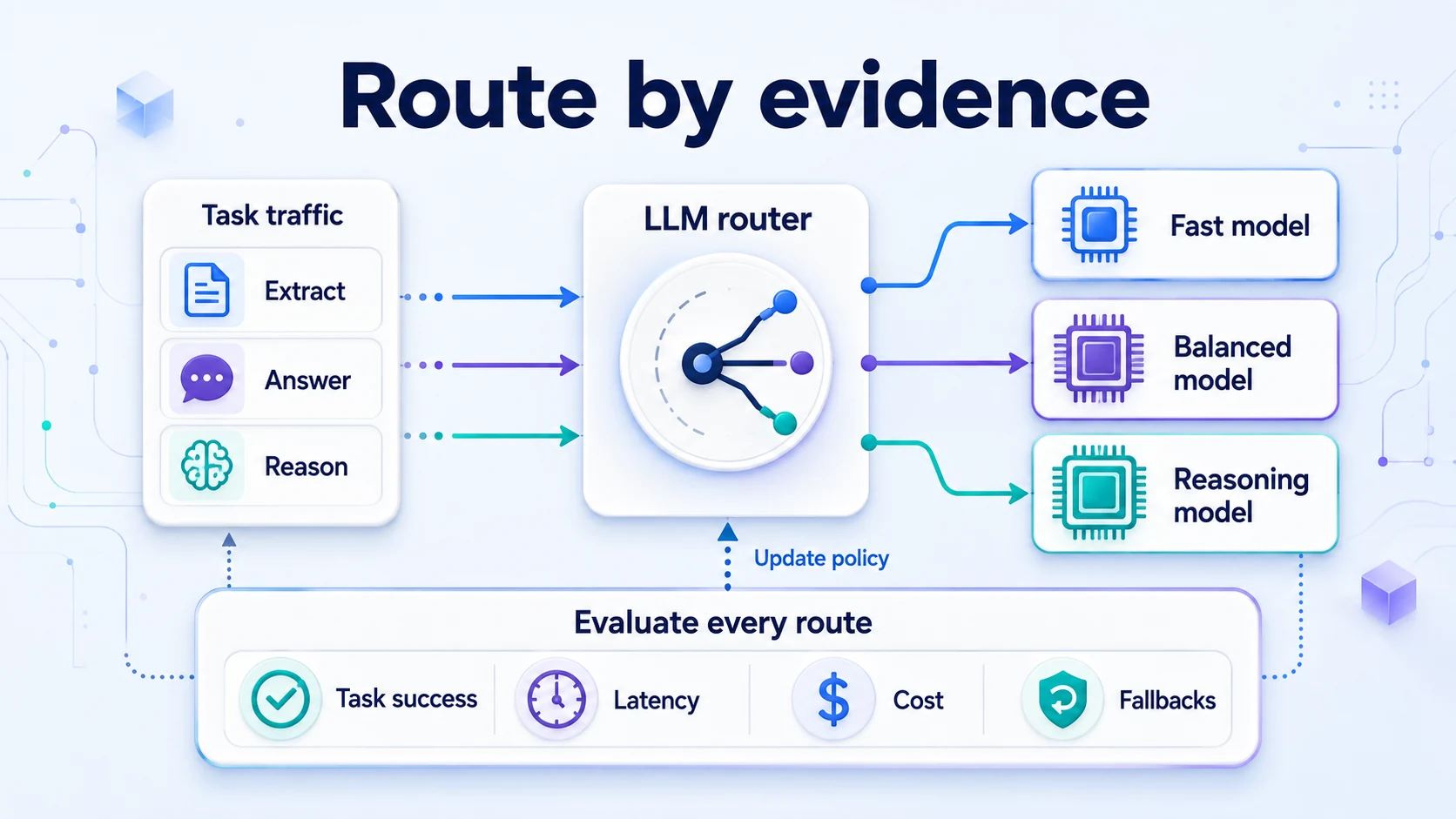
Test LLM routing policies with task-level quality, cost, latency, fallbacks, route stability, and model-aware production evidence.
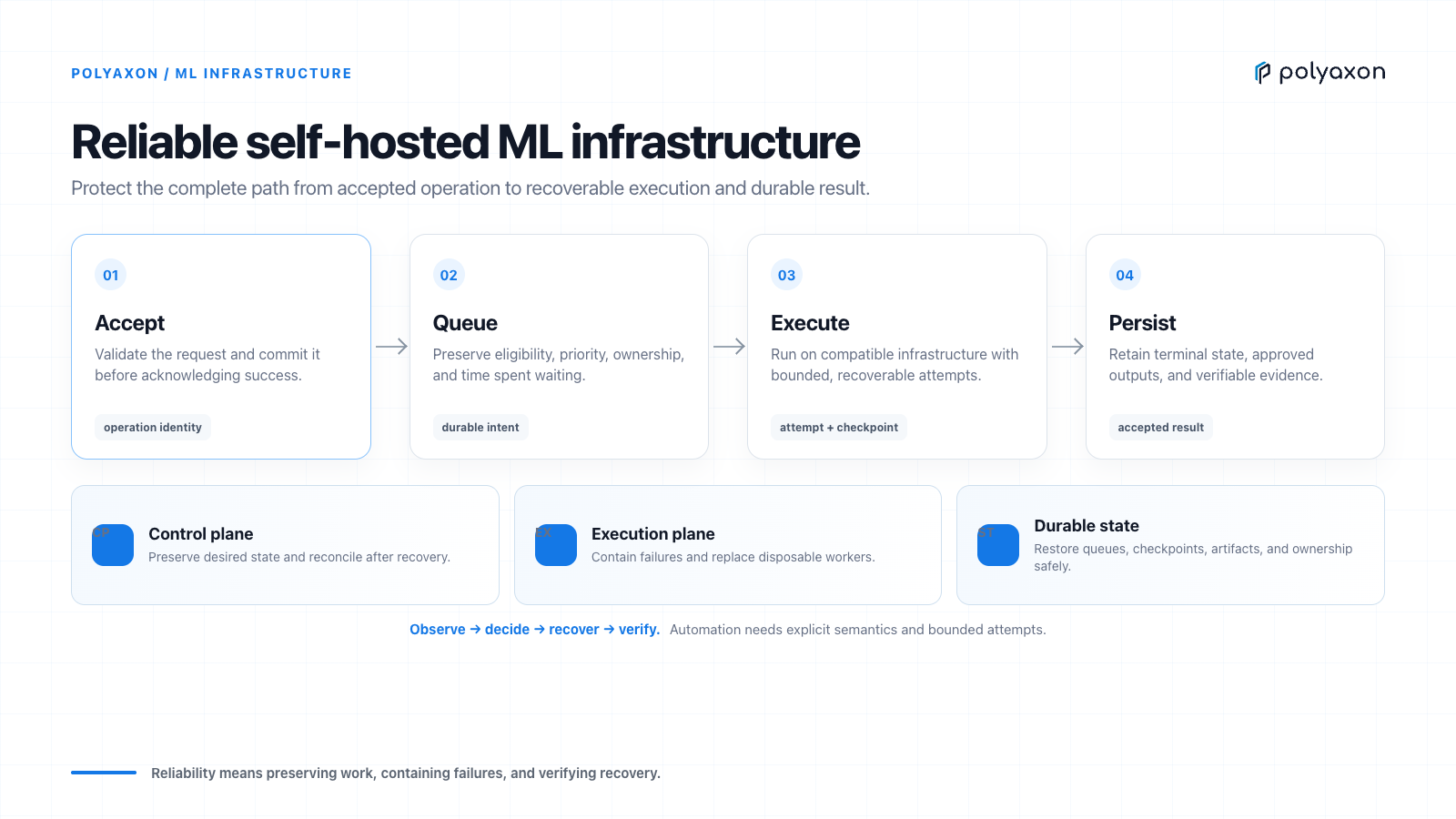
Choose between self-hosted and managed AI inference using data policy, model access, latency, utilization, reliability, staffing, and cost per accepted outcome.
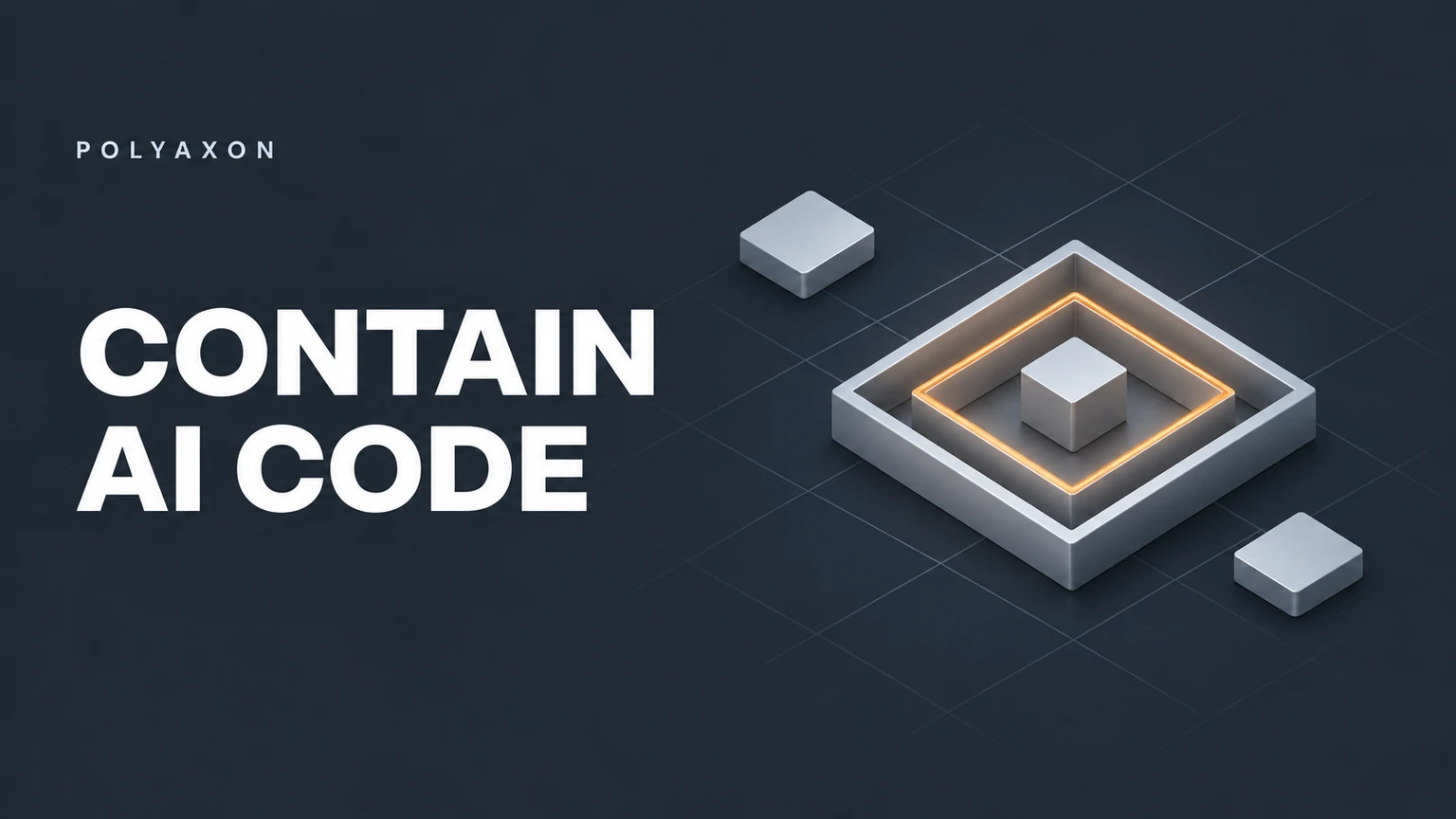
Reduce the impact of generated-code failures with Polyaxon workload configuration, Kubernetes admission and network controls, minimal credentials, and incident evidence.
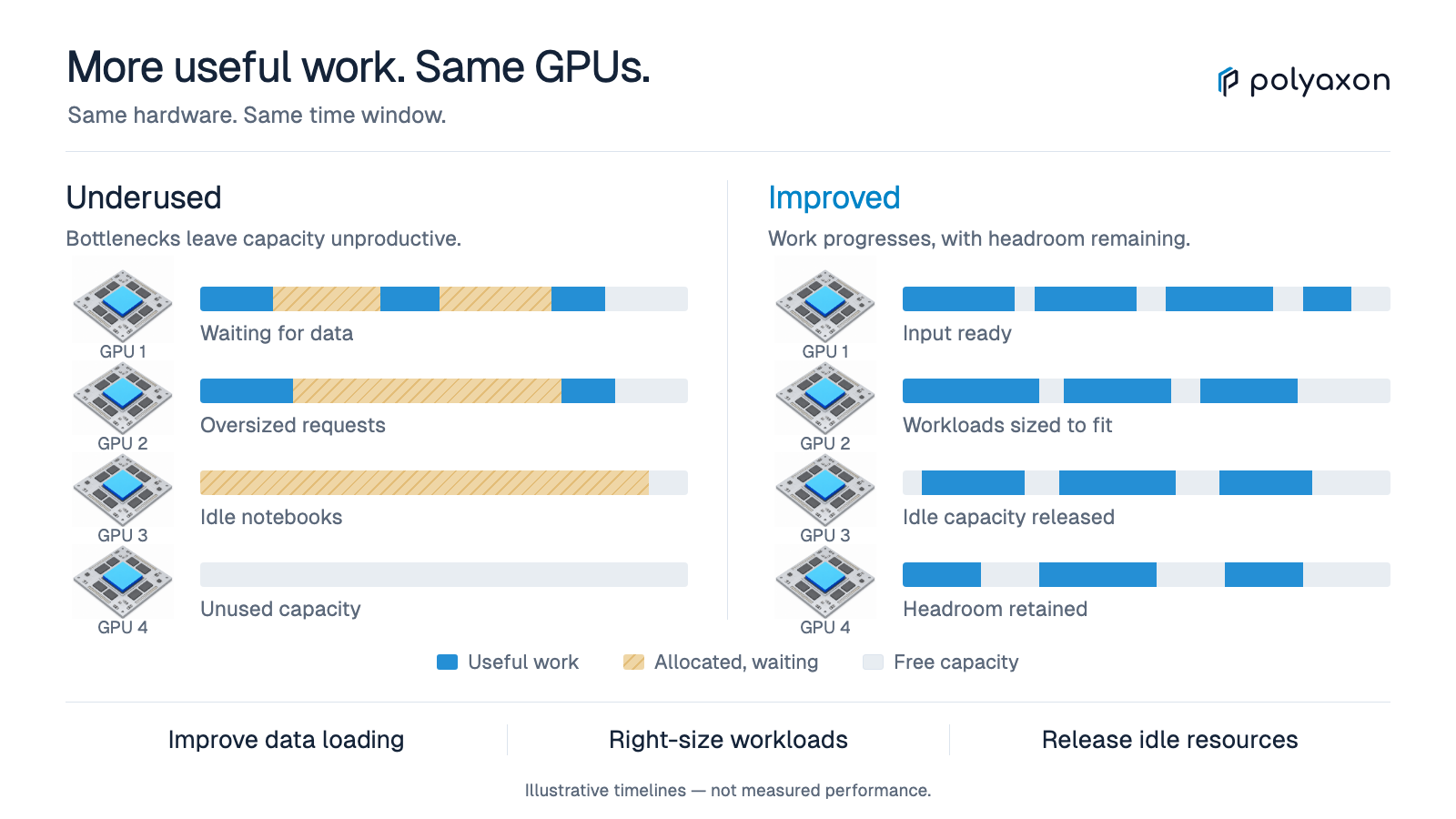
A practical guide to improving GPU utilization by diagnosing queue delays, input bottlenecks, resource fragmentation, sharing, and recovery overhead.
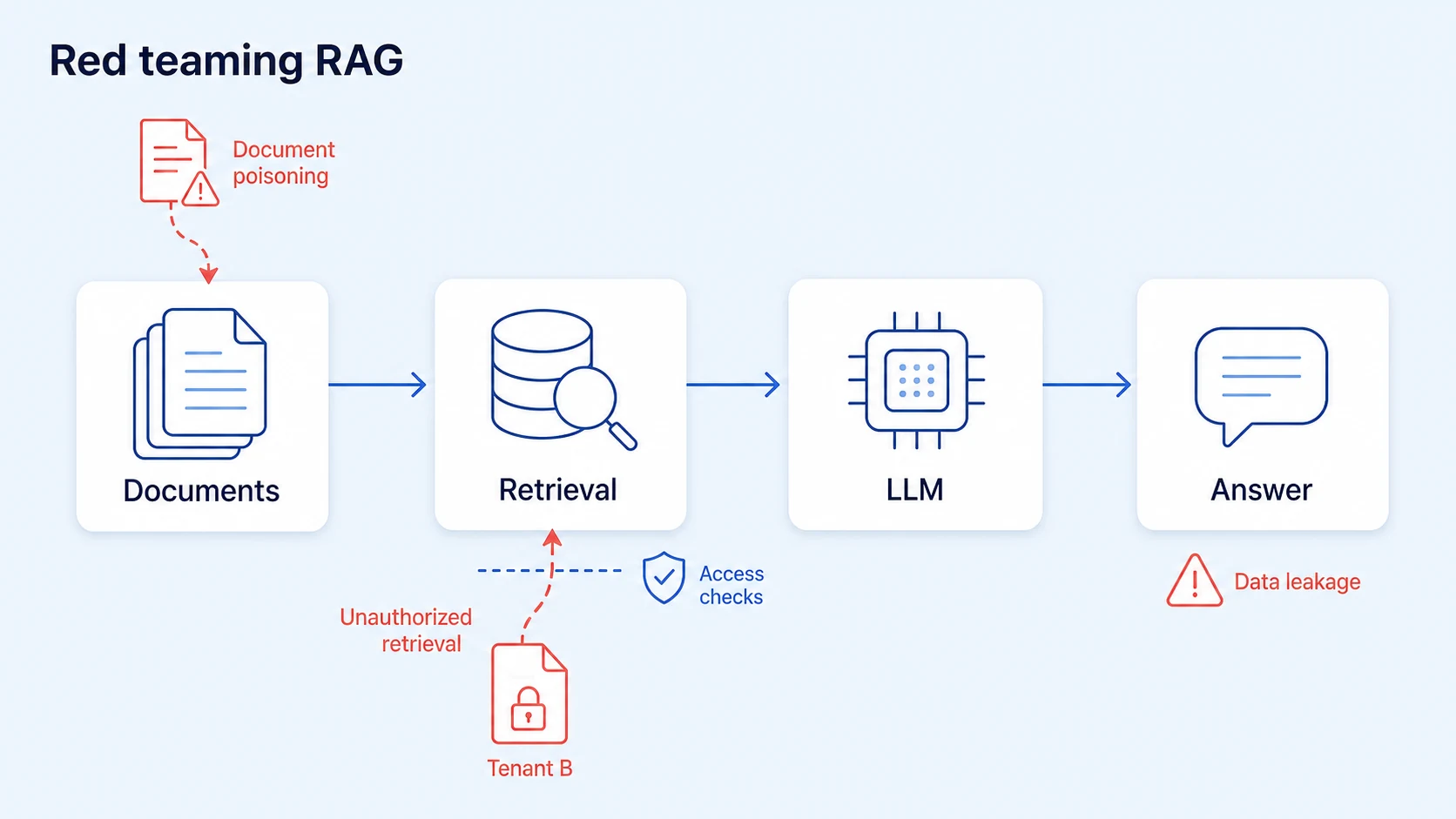
Test RAG systems for poisoned documents, cross-tenant retrieval, stale permissions, citation leaks, and unauthorized tool actions.
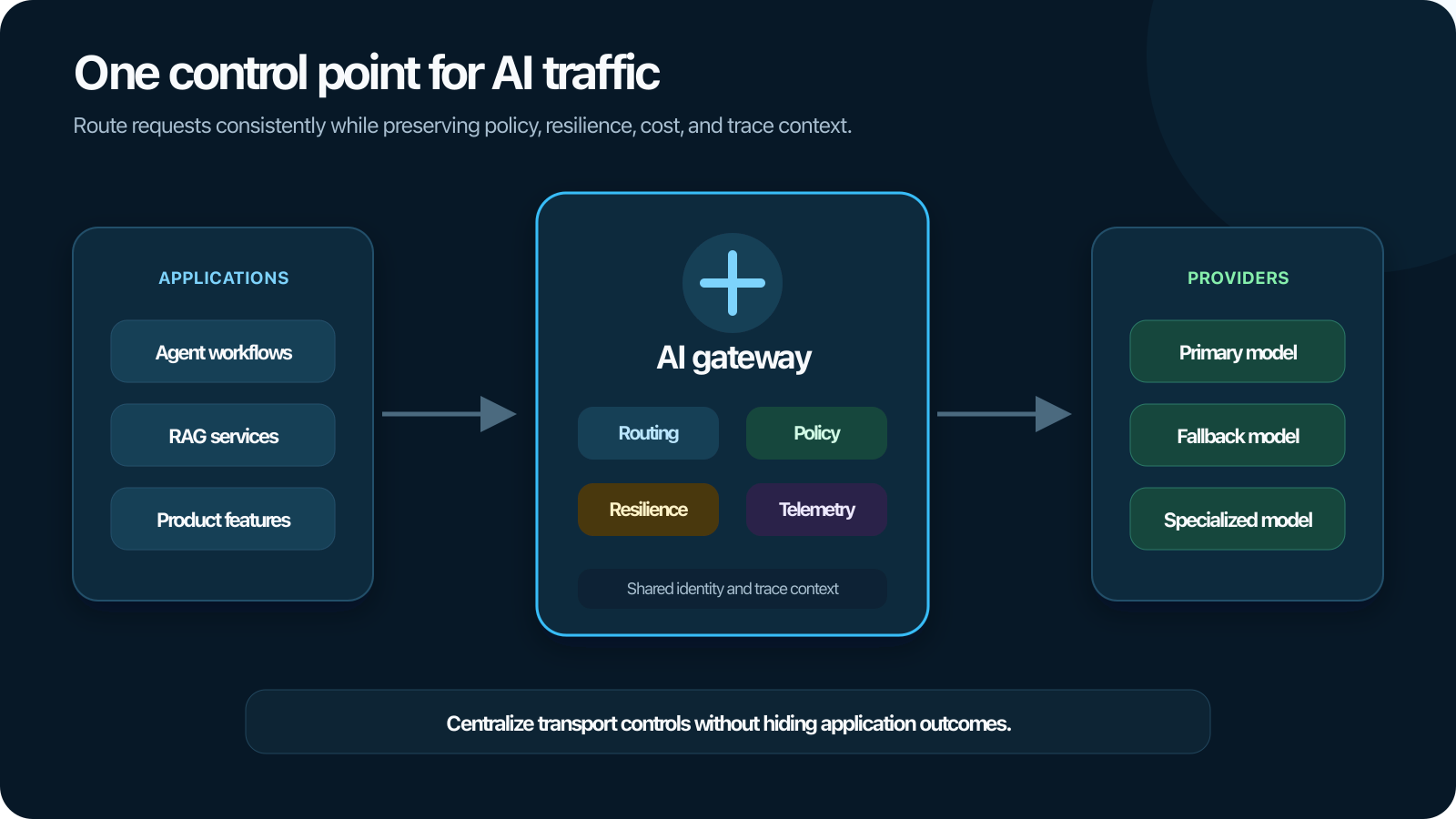
An AI gateway centralizes model access, routing, resilience, policy, cost controls, and telemetry across production LLM applications and agents.
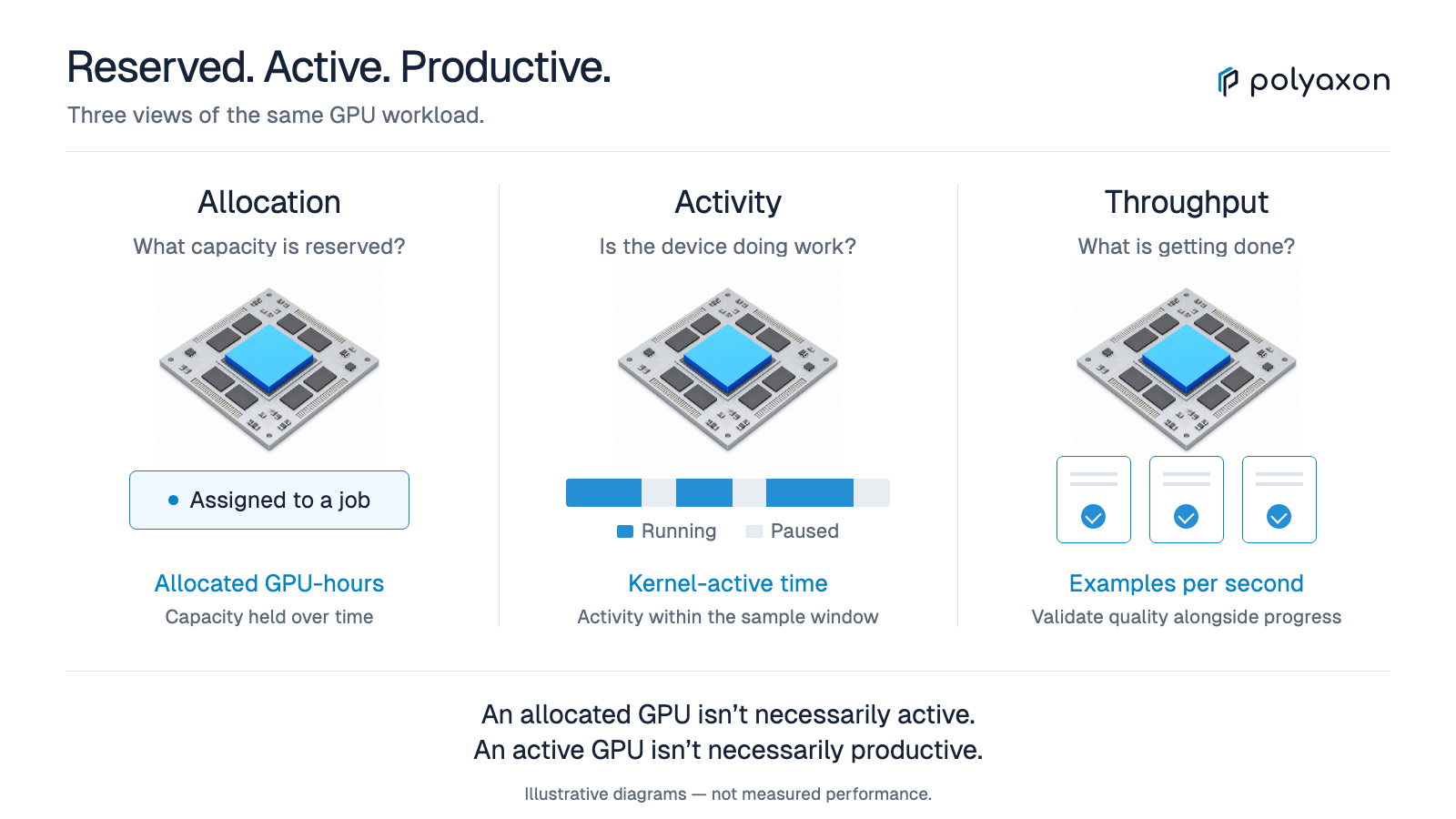
Learn which GPU utilization metrics explain capacity, device activity, memory pressure, and useful ML throughput—and how to avoid misleading averages.
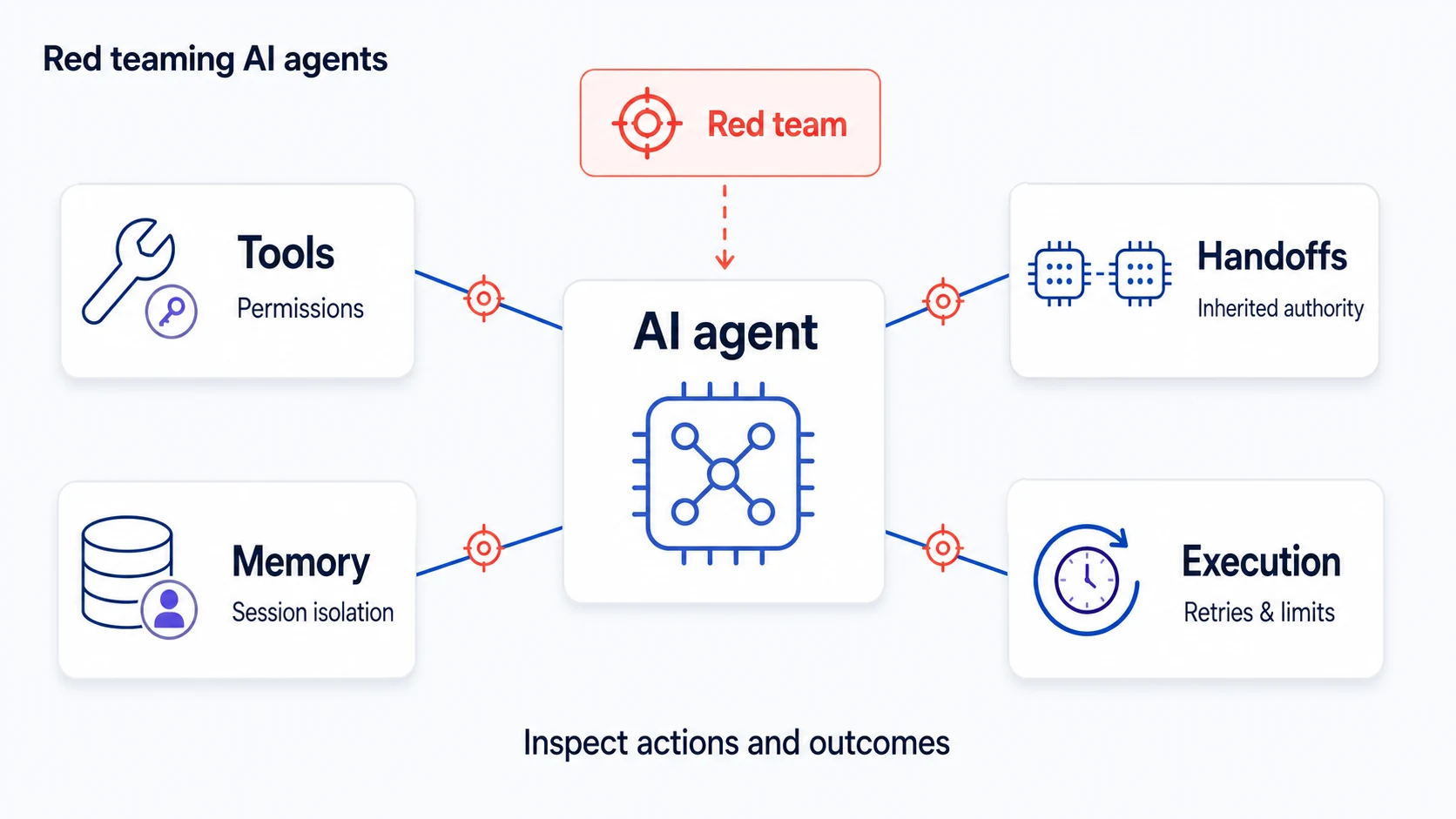
Test AI agent permissions, memory, handoffs, retries, and tool actions with a practical security matrix and reproducible evaluation workflow.
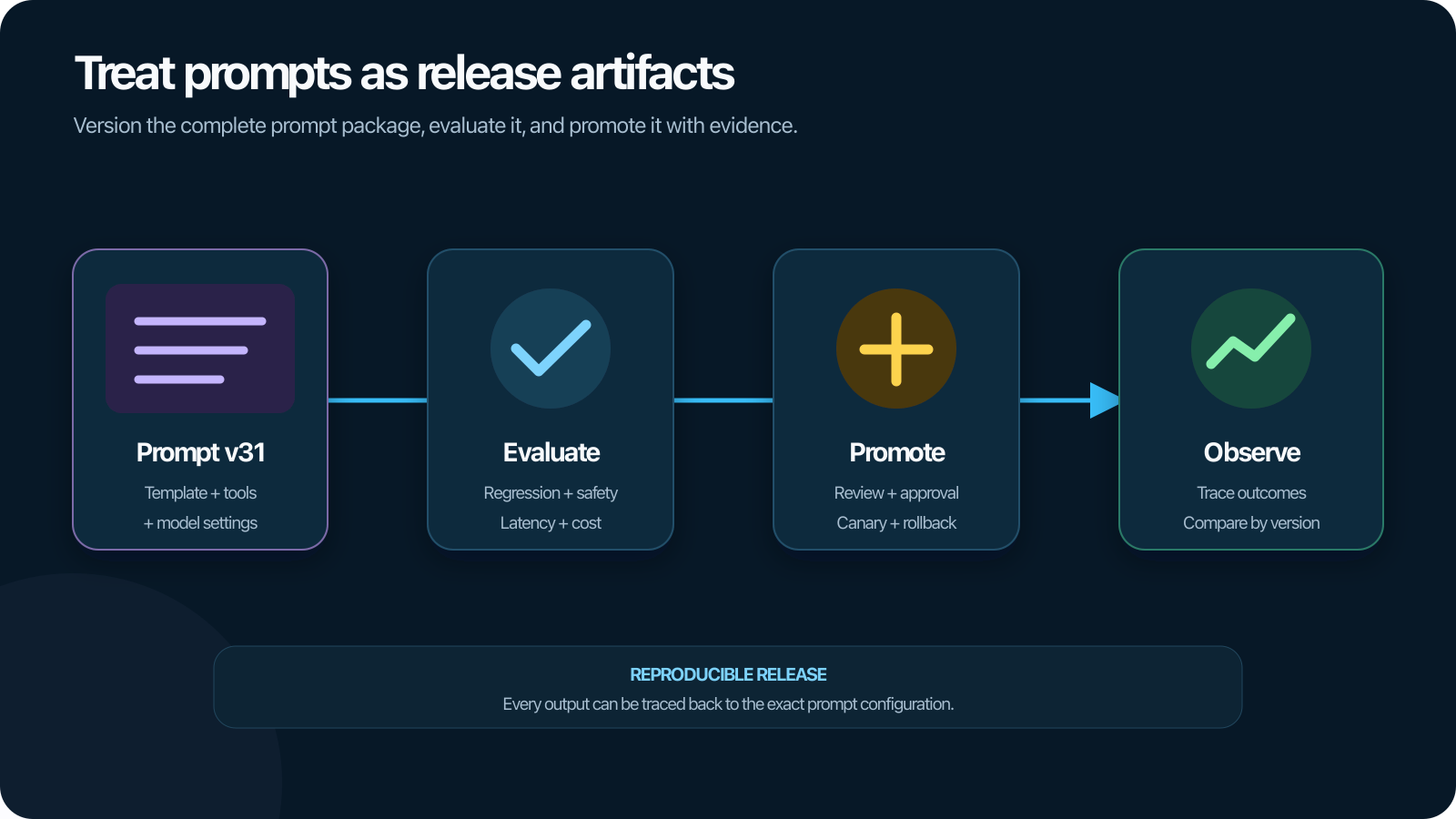
Treat prompts as versioned production artifacts with lineage, evaluations, promotion workflows, rollback, ownership, and runtime observability.
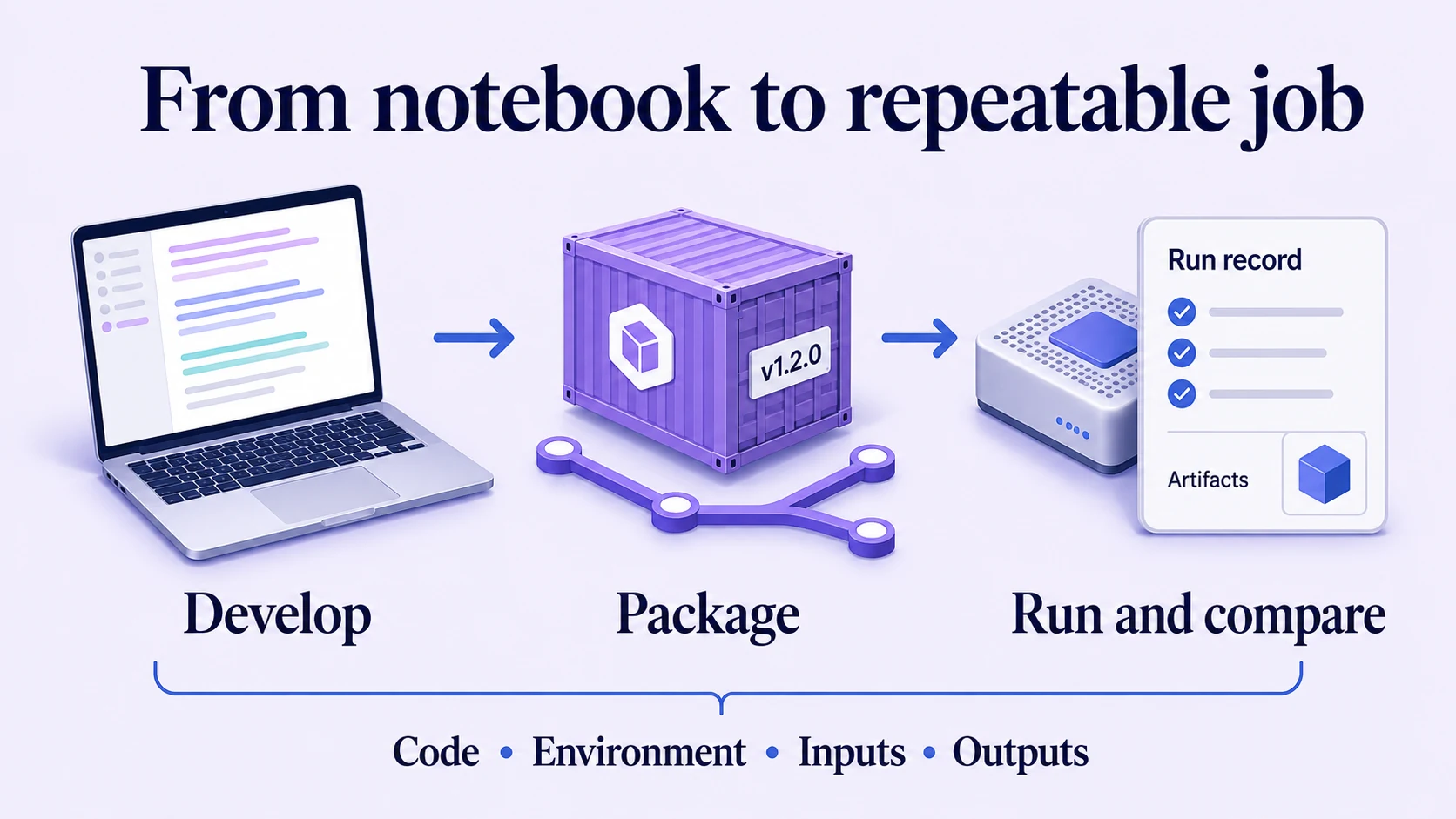
Move notebook experiments into repeatable ML jobs with explicit inputs, versioned code, reproducible containers, and Polyaxon tracking.

Review the trust boundary for LLM-generated code before execution, mapping permissions, trusted controllers, output handling, and promotion controls in Polyaxon.
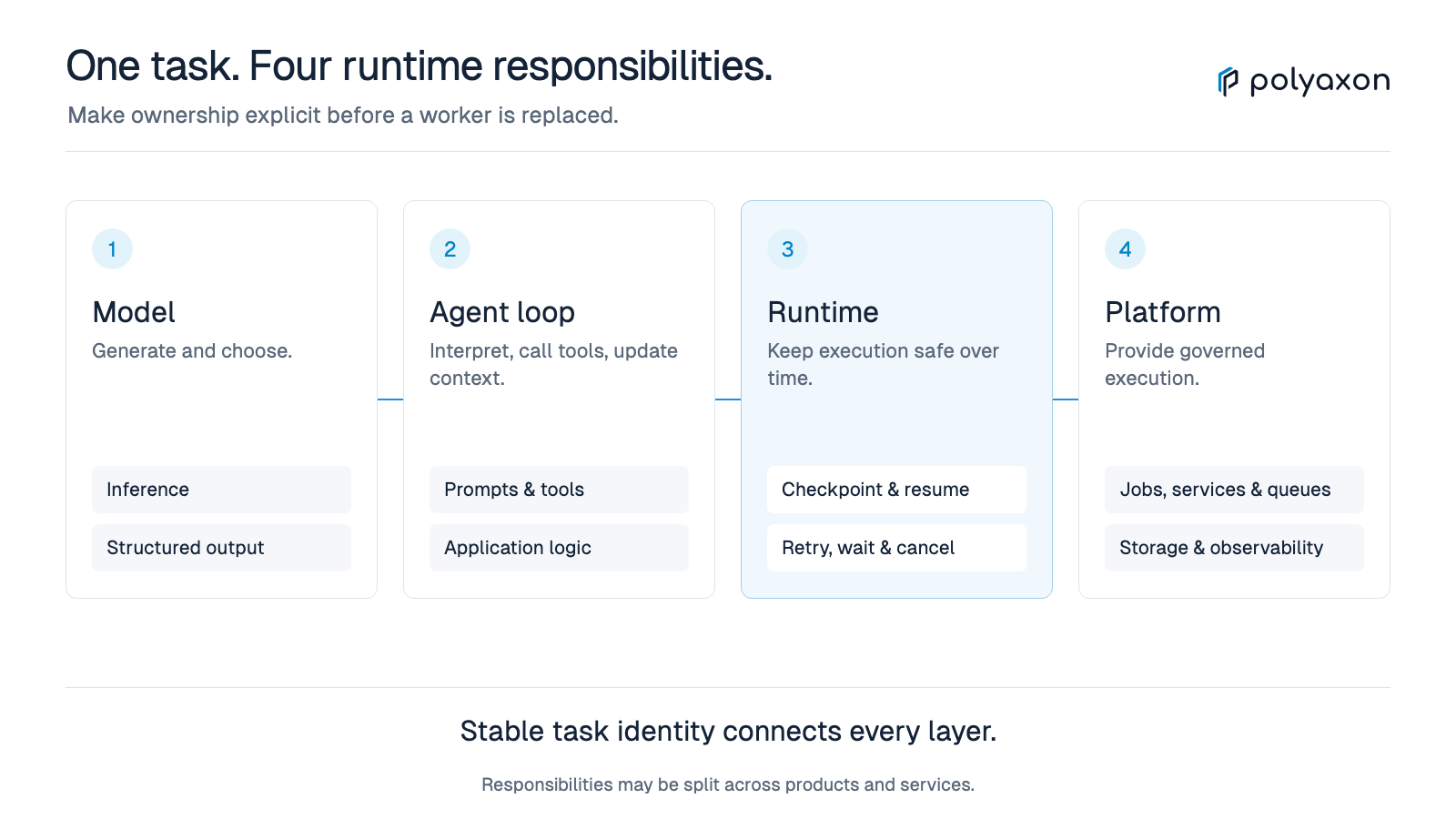
Scale AI agents with admission control, dependency-aware concurrency, durable state, bounded authority, backpressure, and outcome-based capacity planning.
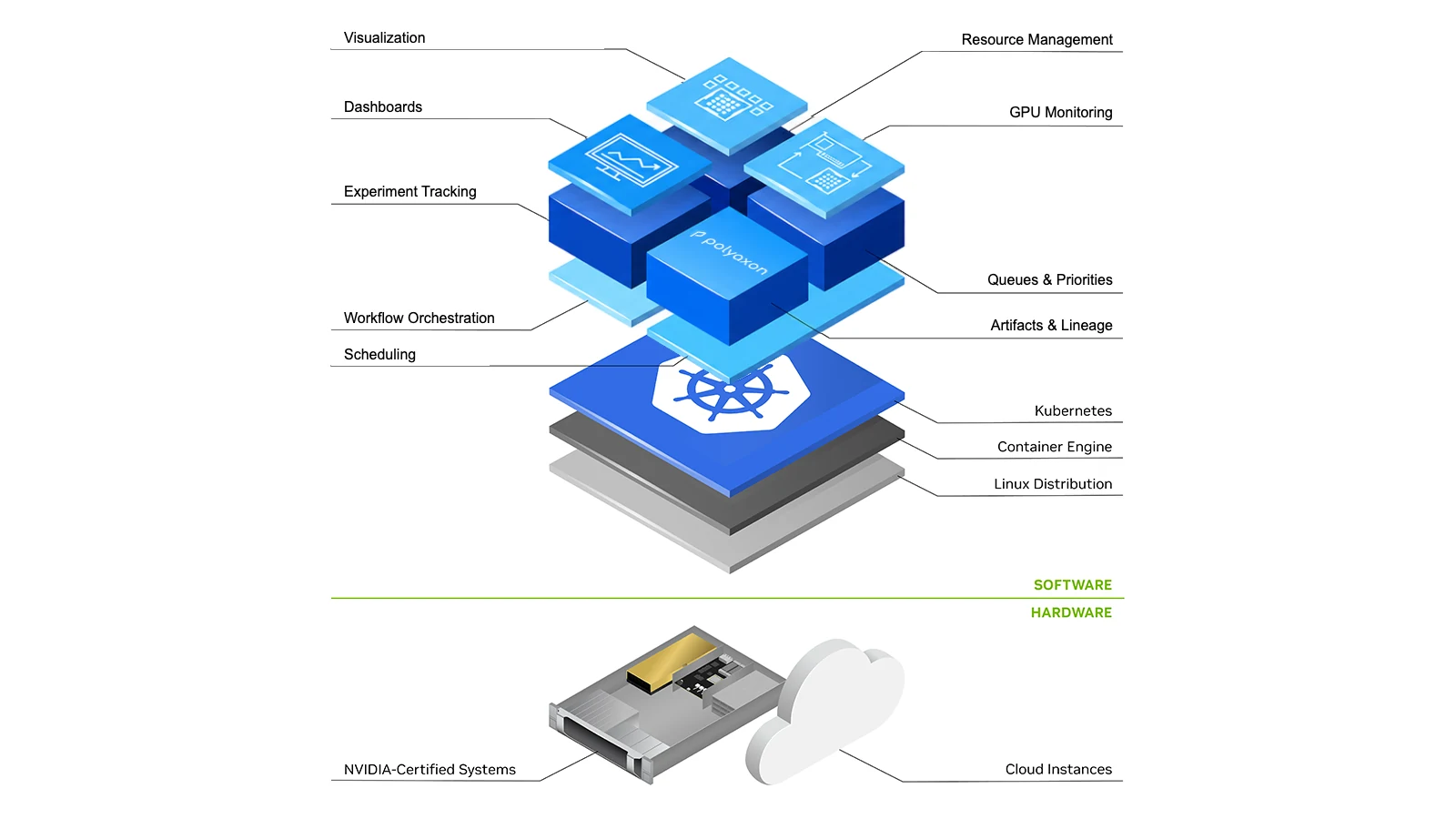
Understand how GPU orchestration connects workflows, queues, resource placement, and recovery across shared ML infrastructure.
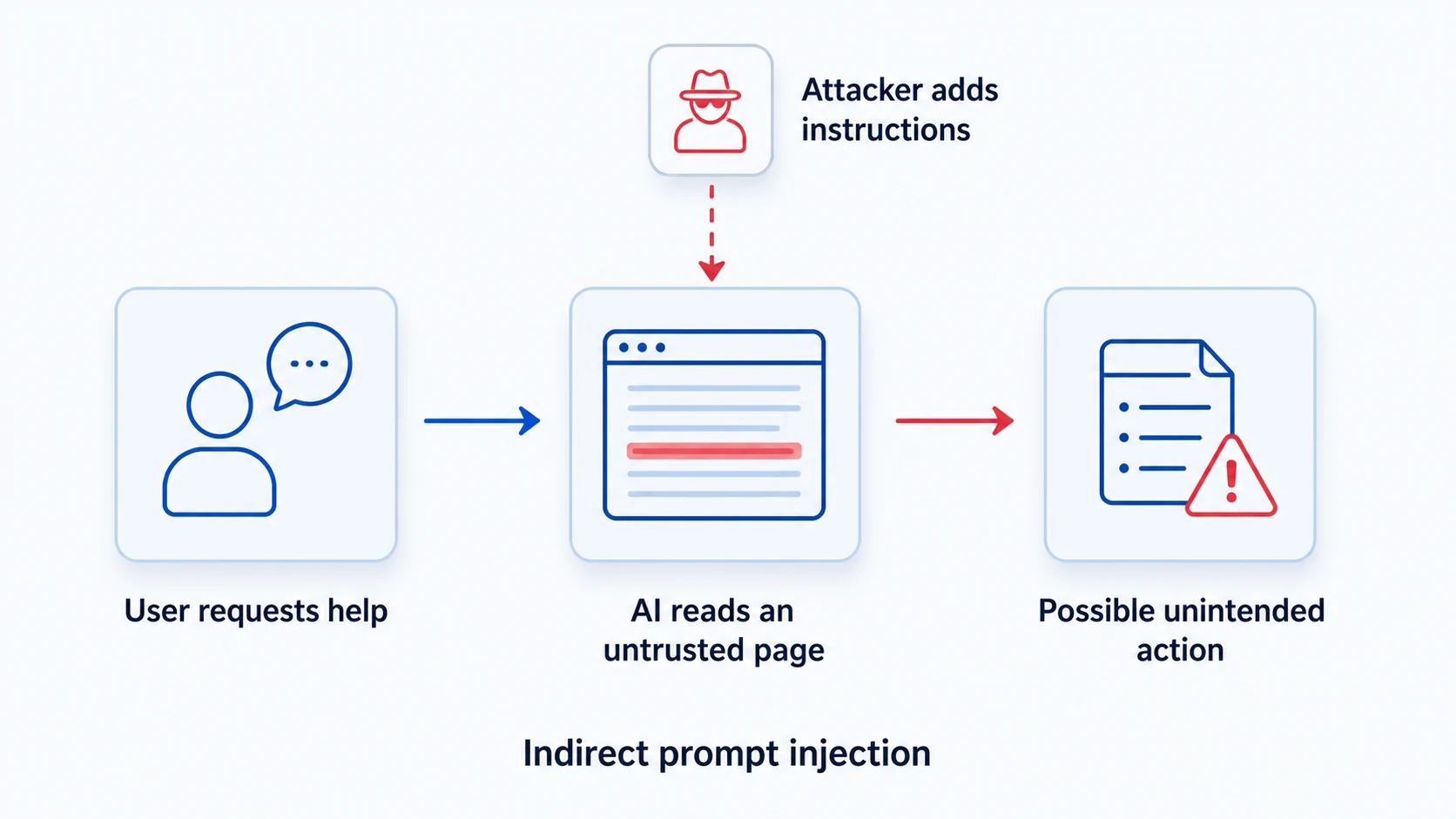
Build prompt injection tests for user input, retrieved documents, and tool responses, with checks for data access and actual side effects.
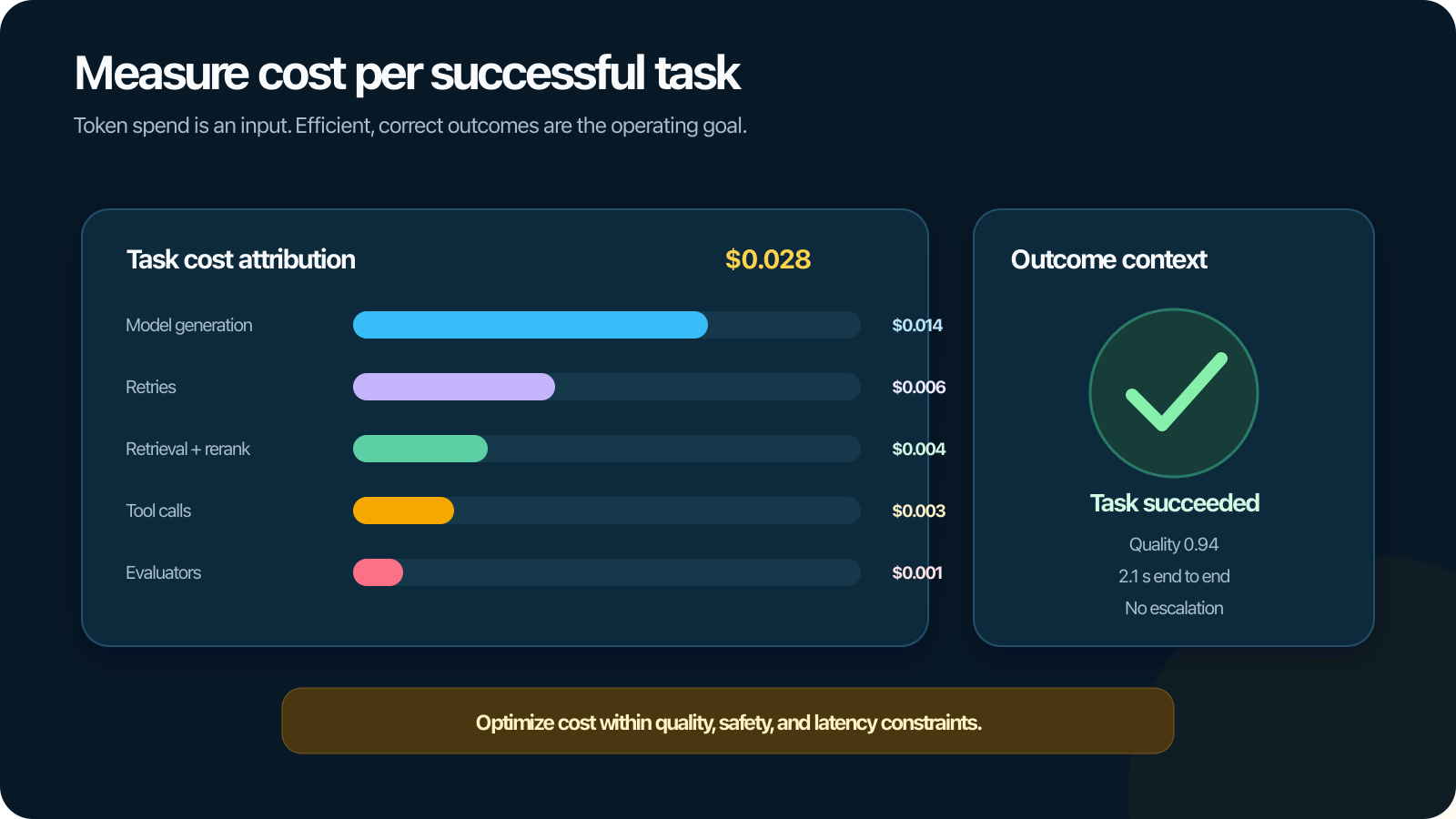
Connect tokens, model calls, retrieval, tools, retries, and infrastructure with quality and task outcomes to control production LLM costs.
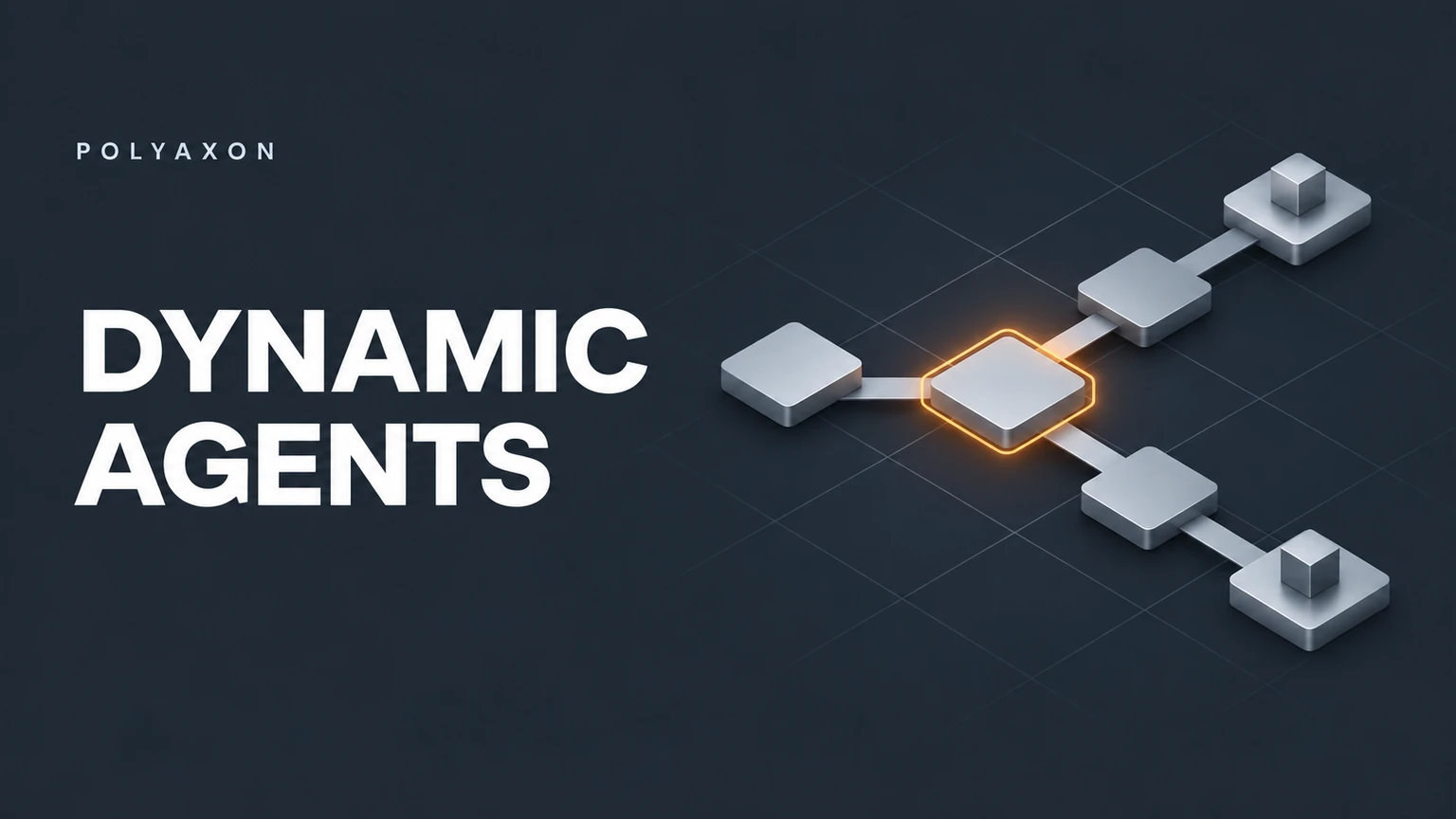
Operate dynamic AI agent plans with Polyaxon execution, explicit policy checks, cumulative budgets, durable request state, and independent evaluation.
Use kubectl edit for deliberate live Kubernetes changes while avoiding controller conflicts, configuration drift, wrong-cluster edits, and unrecoverable fixes.