Kubernetes CPU limits and throttling overview
Understand Kubernetes CPU requests, limits, throttling, and the failure modes caused by weak resource configuration.
KubernetesGuides
Practical guides to building, running, and improving ML and AI in production.
Page 7 of 21
Understand Kubernetes CPU requests, limits, throttling, and the failure modes caused by weak resource configuration.
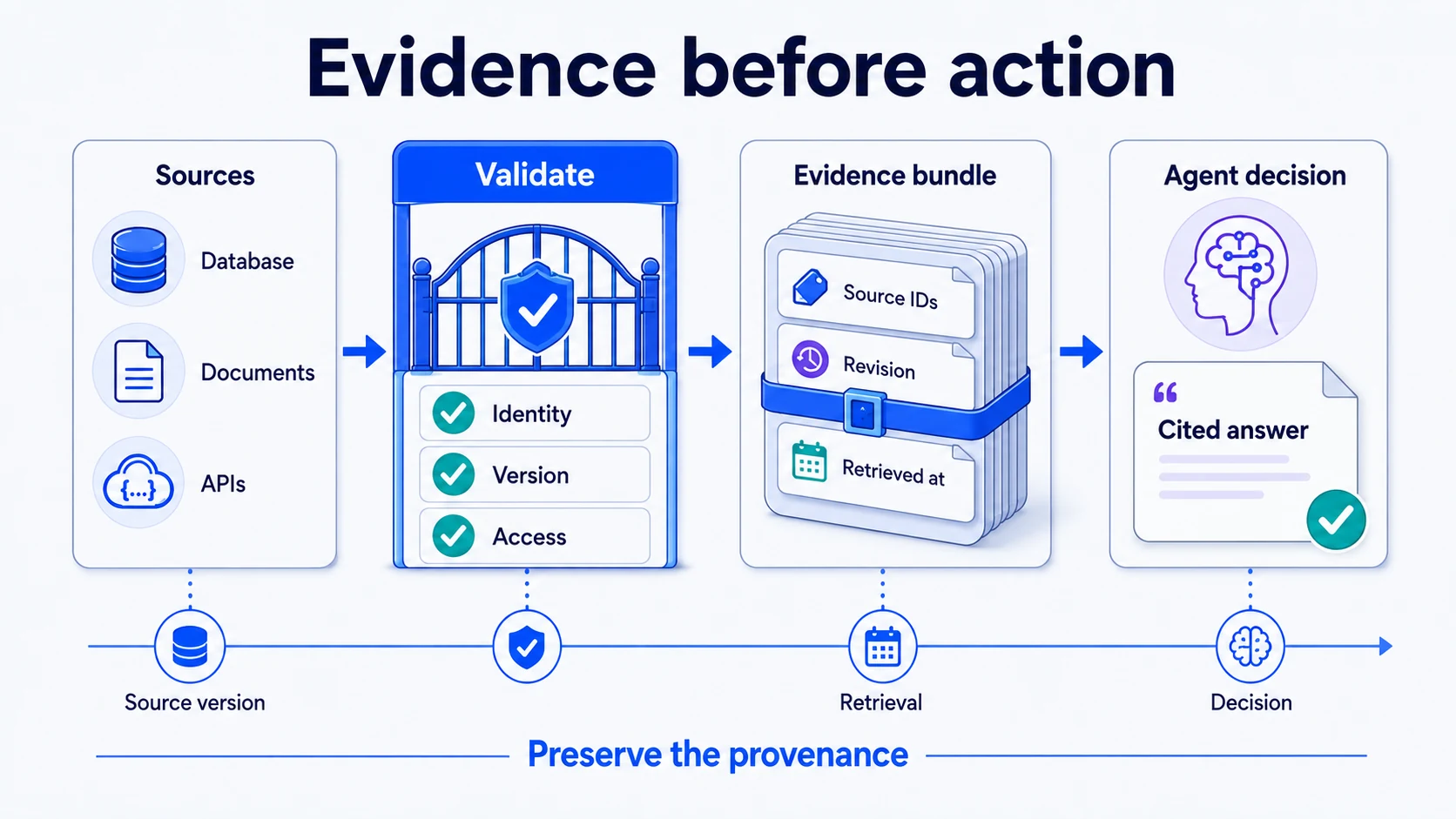
Design agent data paths that preserve source identity, versions, permissions, freshness, retrieval evidence, and verification results.
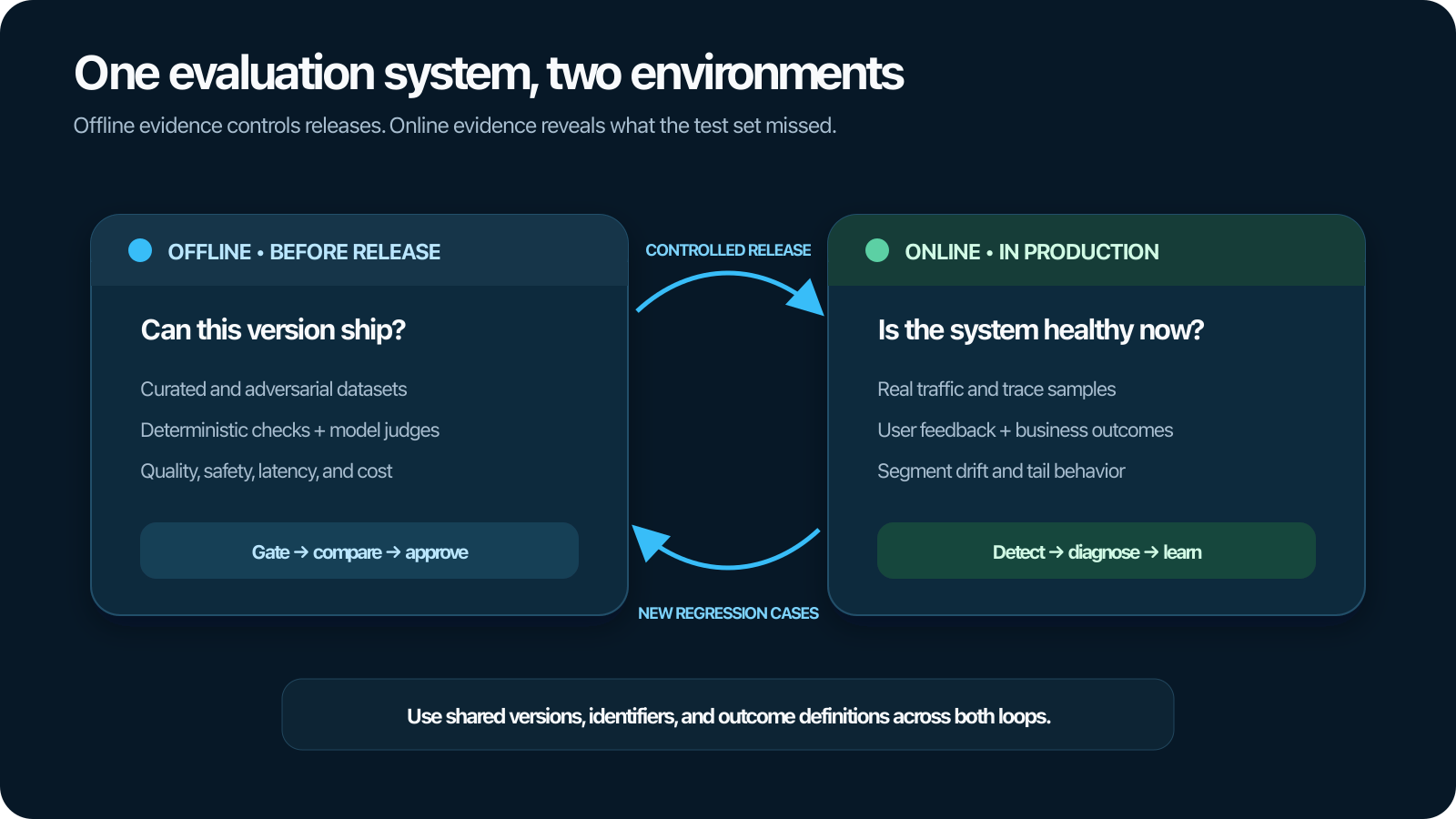
Use offline evaluation for reproducible release decisions and online evaluation for real production behavior, then connect both in one feedback loop.
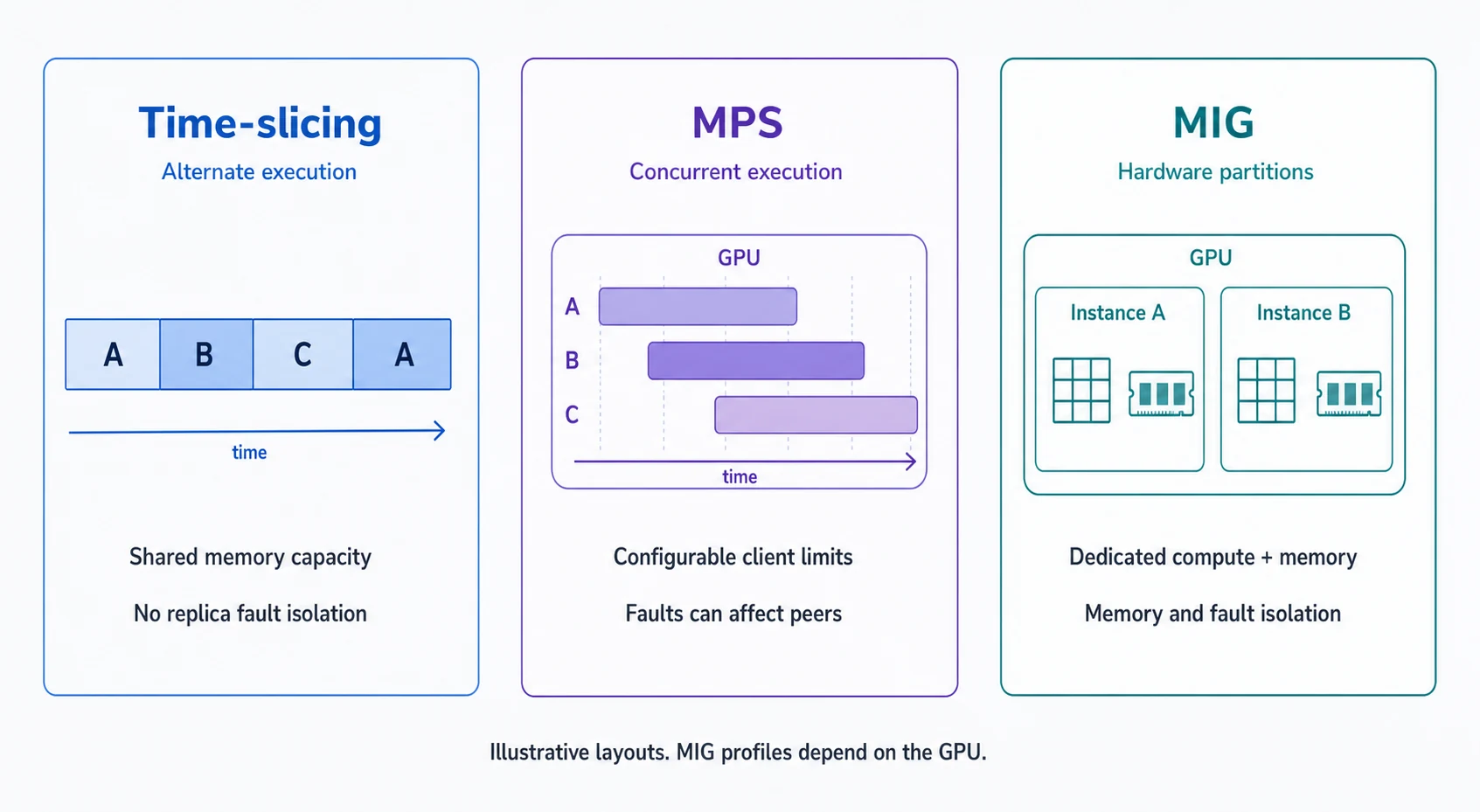
Compare NVIDIA MIG and GPU time-slicing on Kubernetes, including memory isolation, resource names, scheduling behavior, and workload fit.
Use explicit kubeconfig contexts, namespaces, identities, and verification checks to reduce wrong-cluster changes across development, staging, and production.
Estimate AI sandbox operating costs from measured active and idle resources, retries, storage, and engineering ownership using Polyaxon workload evidence.
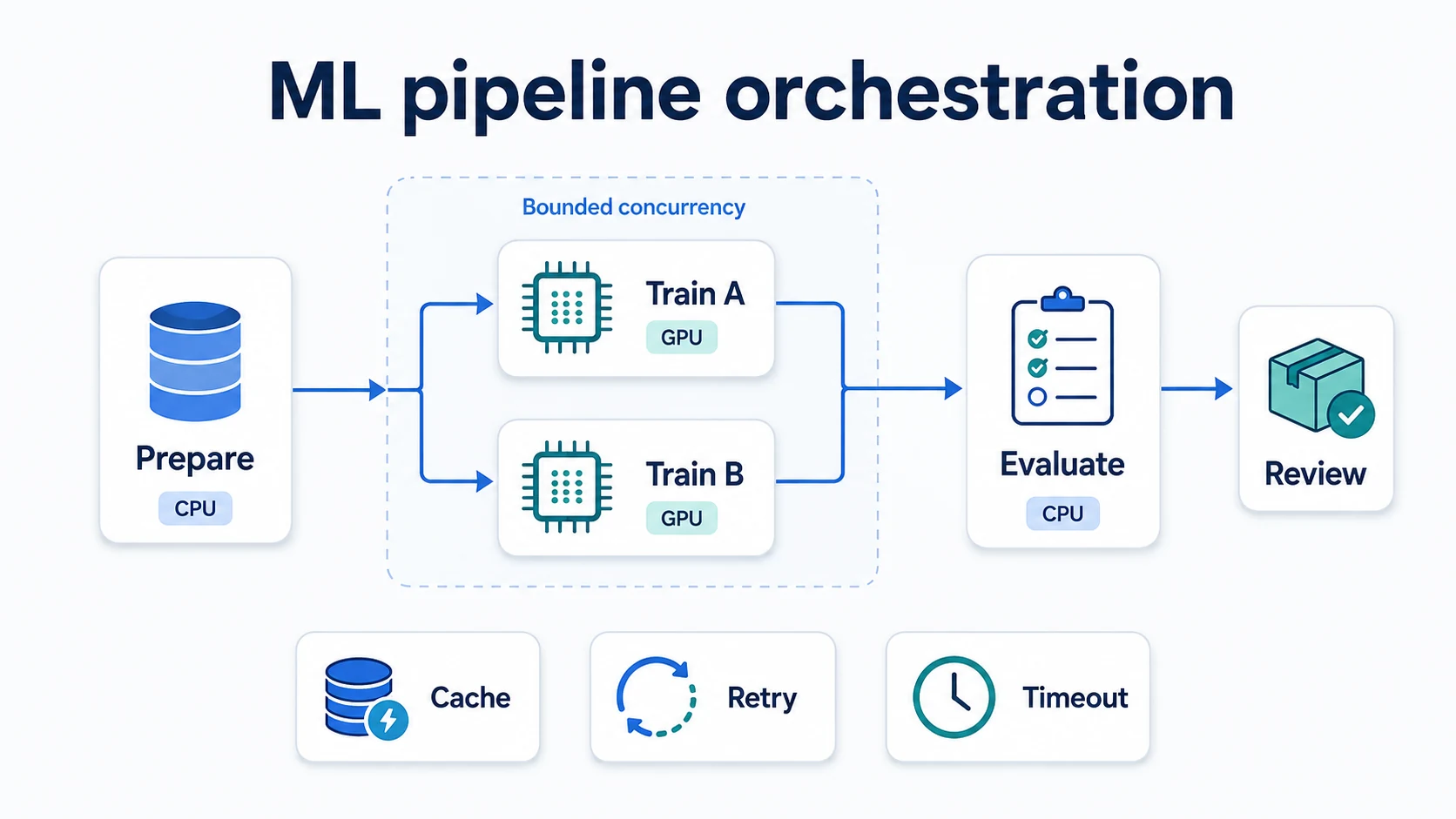
Design ML pipelines with explicit dependencies, resource placement, safe caching, bounded retries, and complete evaluation evidence in Polyaxon.
Use Polyaxon joins to select comparable evaluation runs and build application-owned leaderboards with explicit cohort, completeness, and artifact evidence.
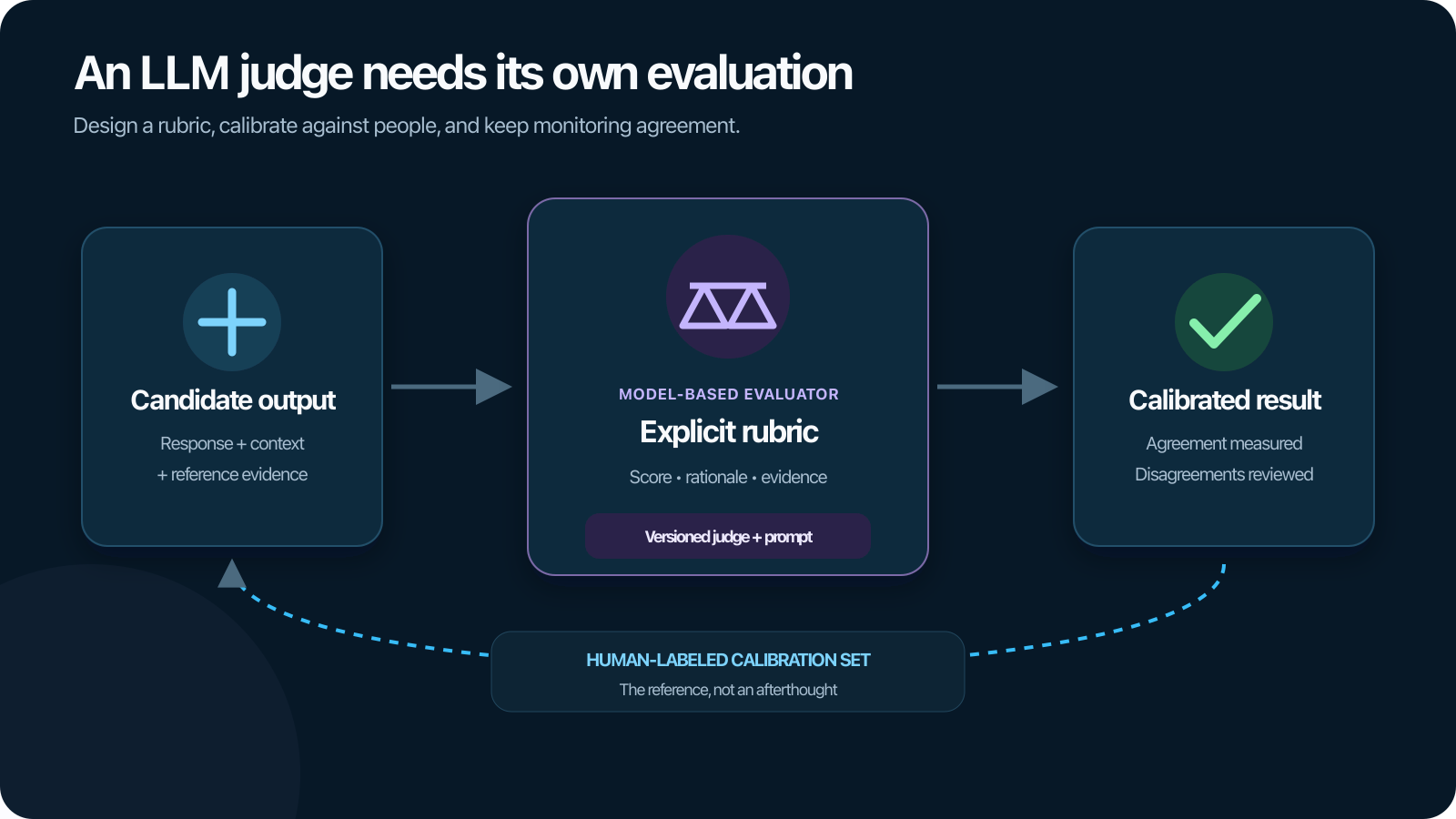
Use LLMs as scalable evaluators without treating them as ground truth: design clear rubrics, calibrate against humans, and monitor bias and drift.
Understand AI sandboxes for development and agent execution, including runtime isolation, credentials, storage, network access, GPUs, and lifecycle.
Configure startup, readiness, and liveness probes for model servers and interactive ML services without causing restart loops or hiding dependency failures.
Manage Polyaxon sandbox-enabled services from versioned environment templates through readiness checks, process execution, file persistence, and resource cleanup.
Evaluate AI agent infrastructure reliability through task-level outcomes, recovery behavior, Polyaxon execution evidence, and explicit operational ownership.

Package an agent evaluator as a Polyaxon component, track candidate revisions and task metrics, and compare changes using existing MLOps workflows.
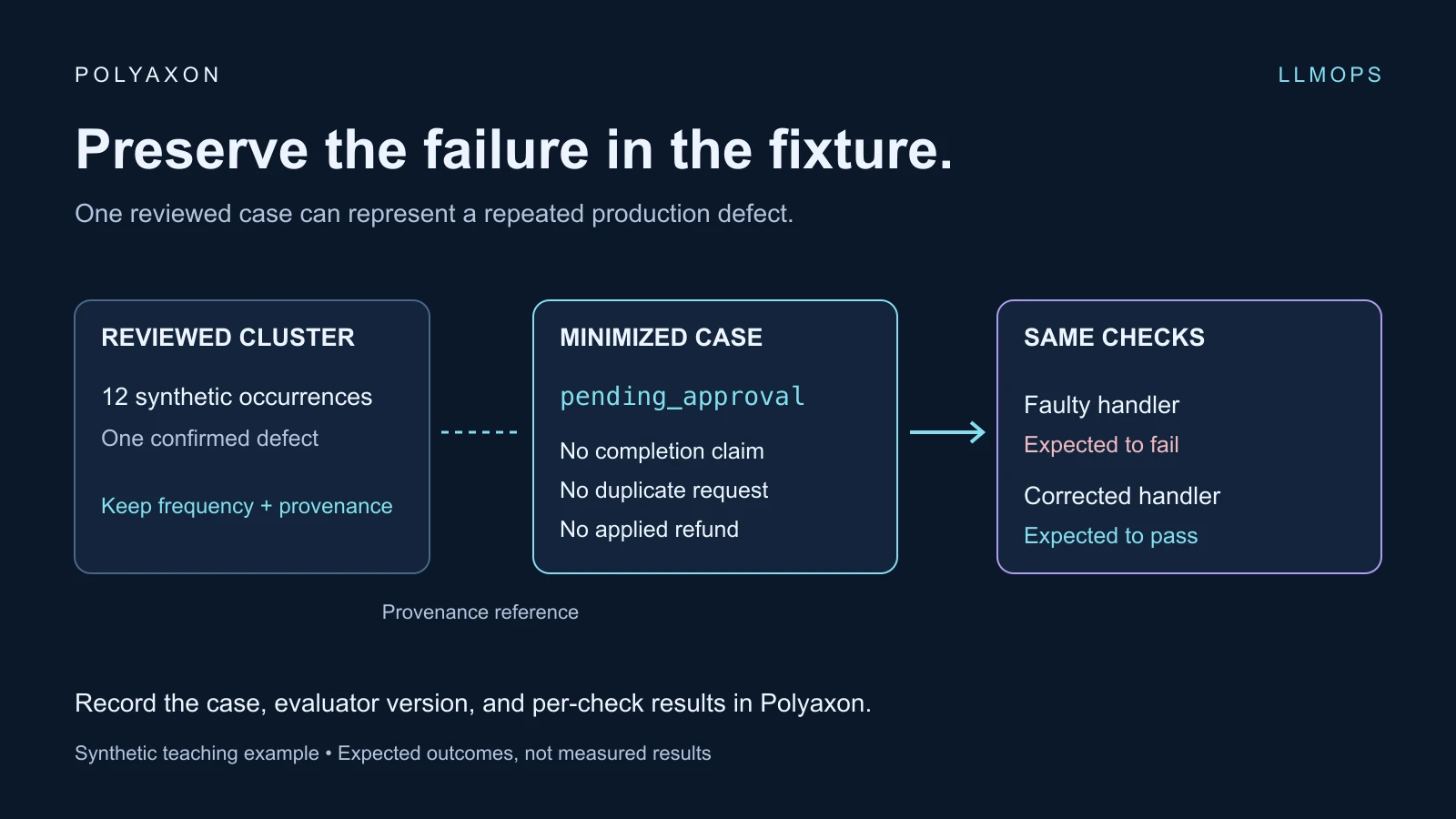
Turn a failure cluster into a reviewed regression case, preserve the causal tool response, and record baseline and candidate checks with Polyaxon.
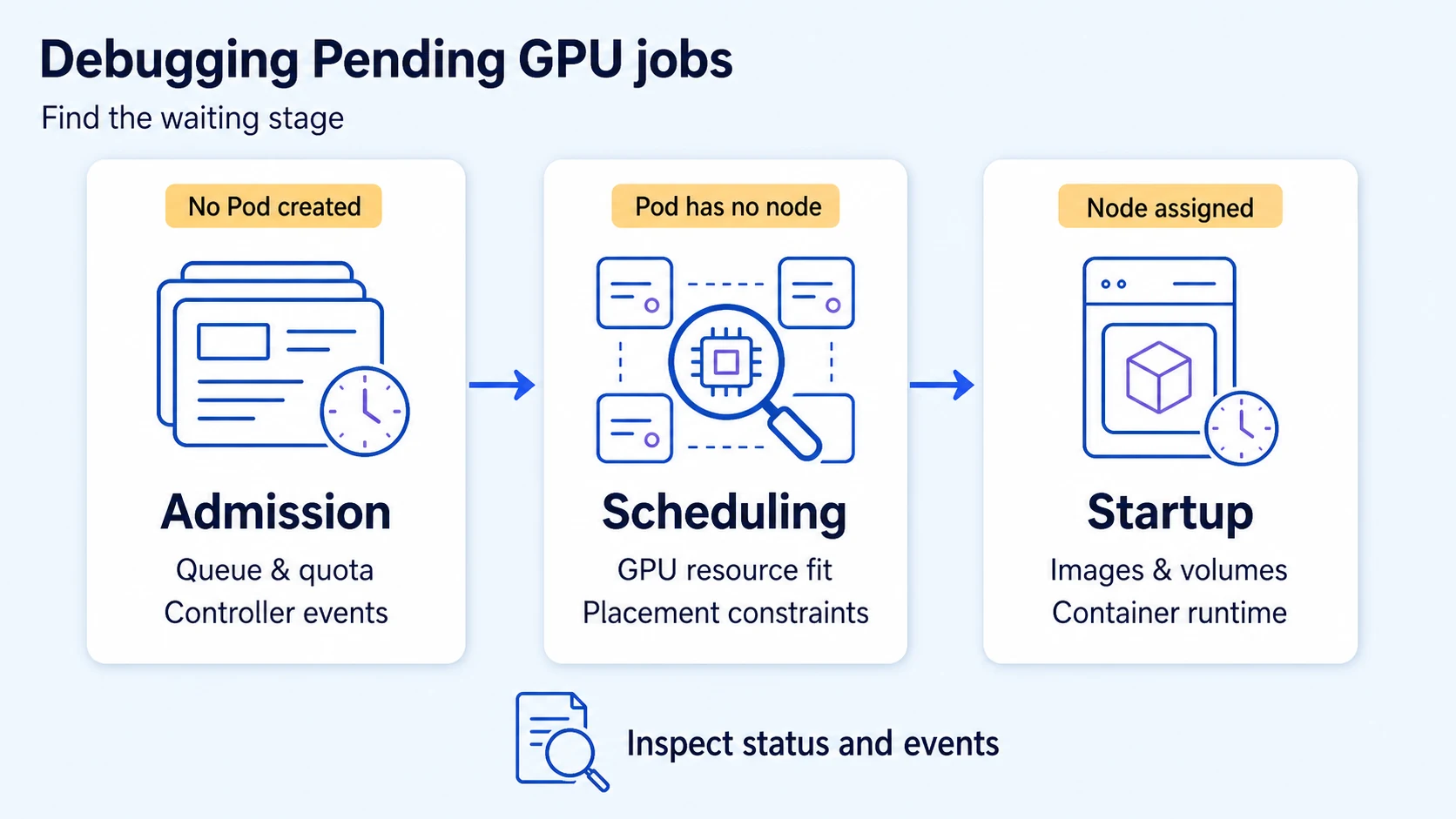
Diagnose Pending GPU jobs by checking queue admission, scheduler events, advertised GPU resources, placement constraints, storage, and node capacity.
Design least-privilege Kubernetes access for ML workloads with clear subjects, namespaced roles, dedicated service accounts, permission checks, and reviewable policy.
Run RAGEN on a Polyaxon-managed Ray cluster, with matching training resources, persistent checkpoints, and reproducible environment configuration.
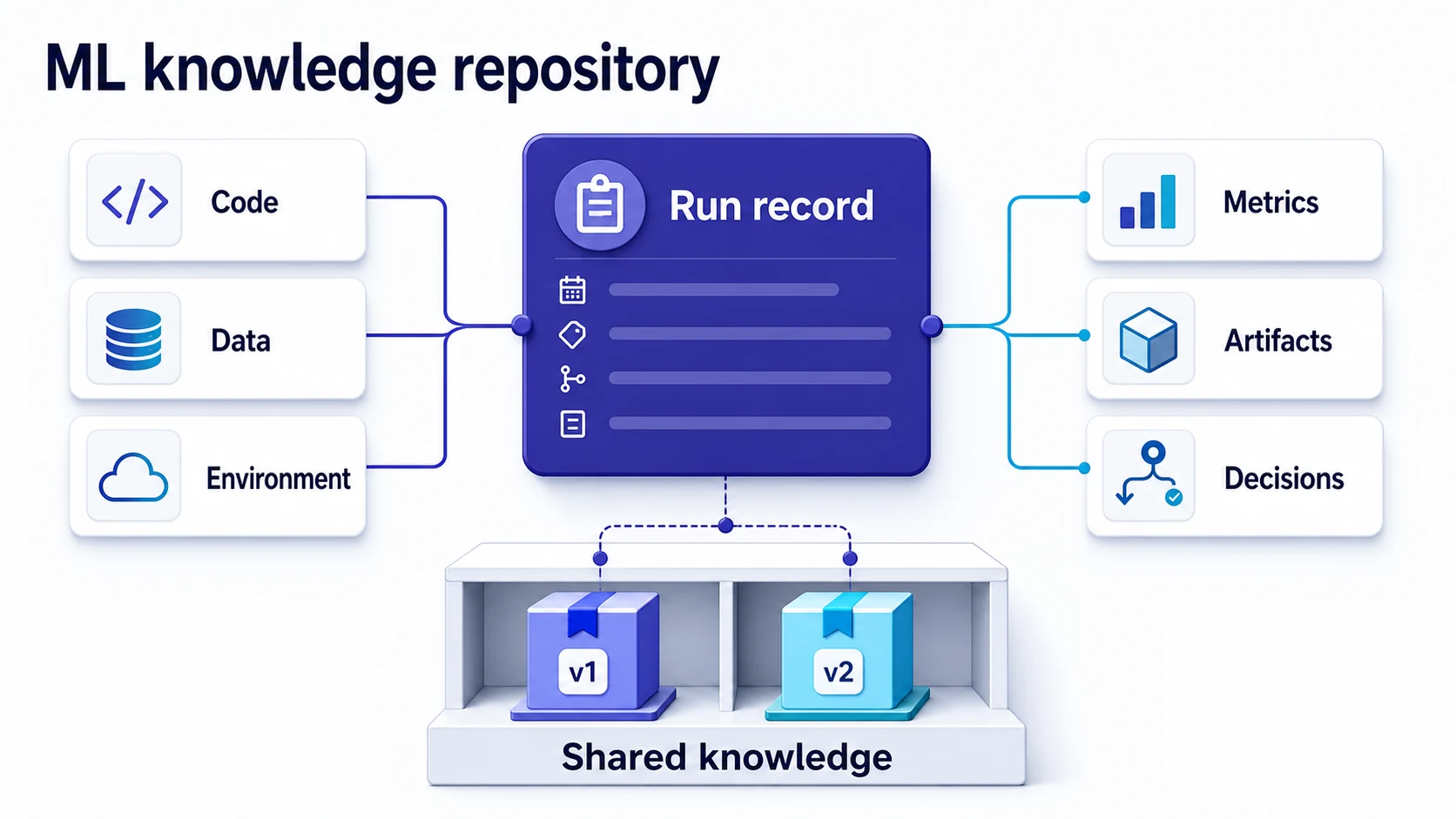
Connect experiment records, dataset versions, model artifacts, and review decisions into a reusable ML knowledge repository with Polyaxon.
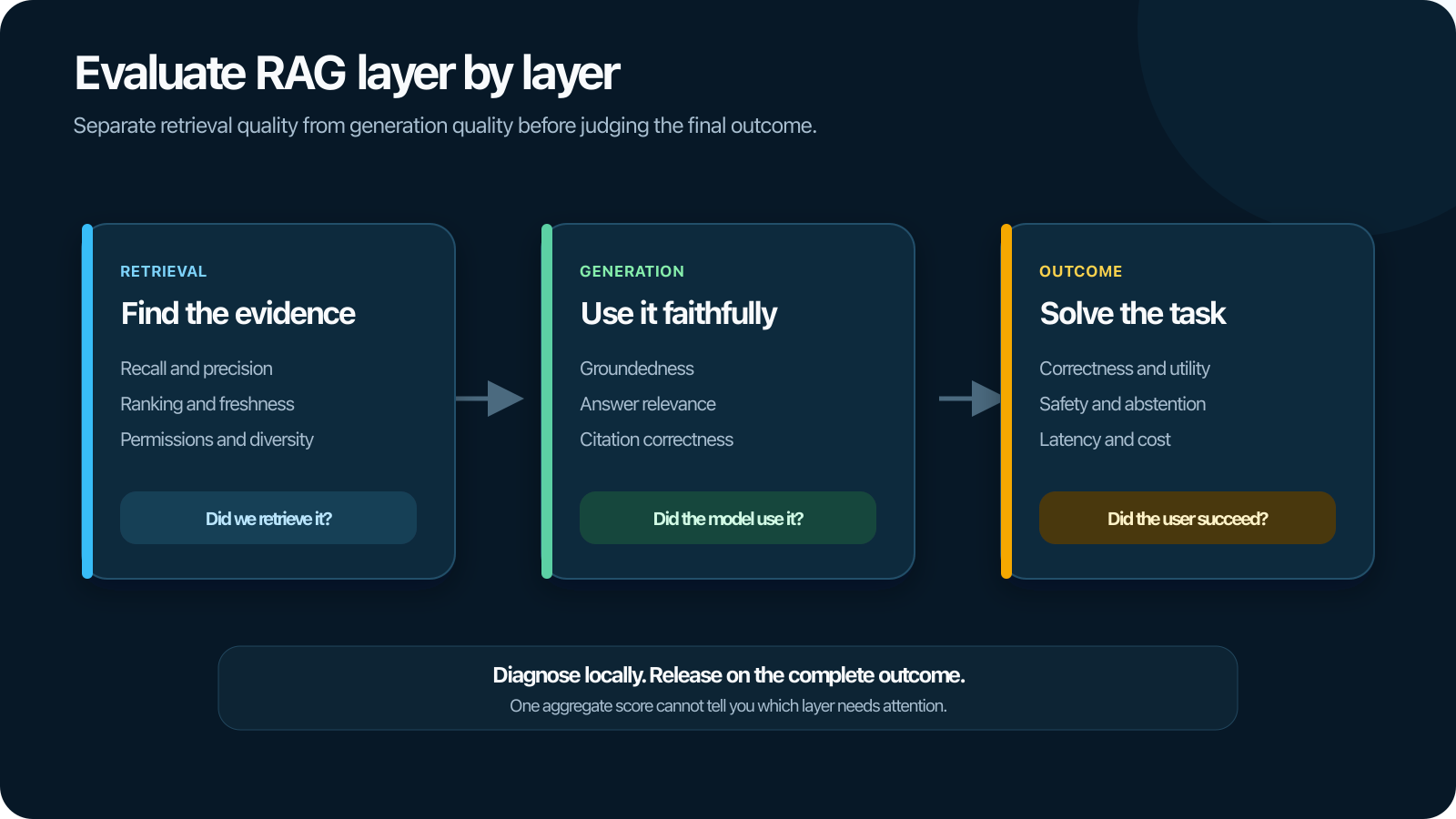
Evaluate retrieval and generation separately and end to end with representative datasets, groundedness checks, retrieval metrics, and production feedback.
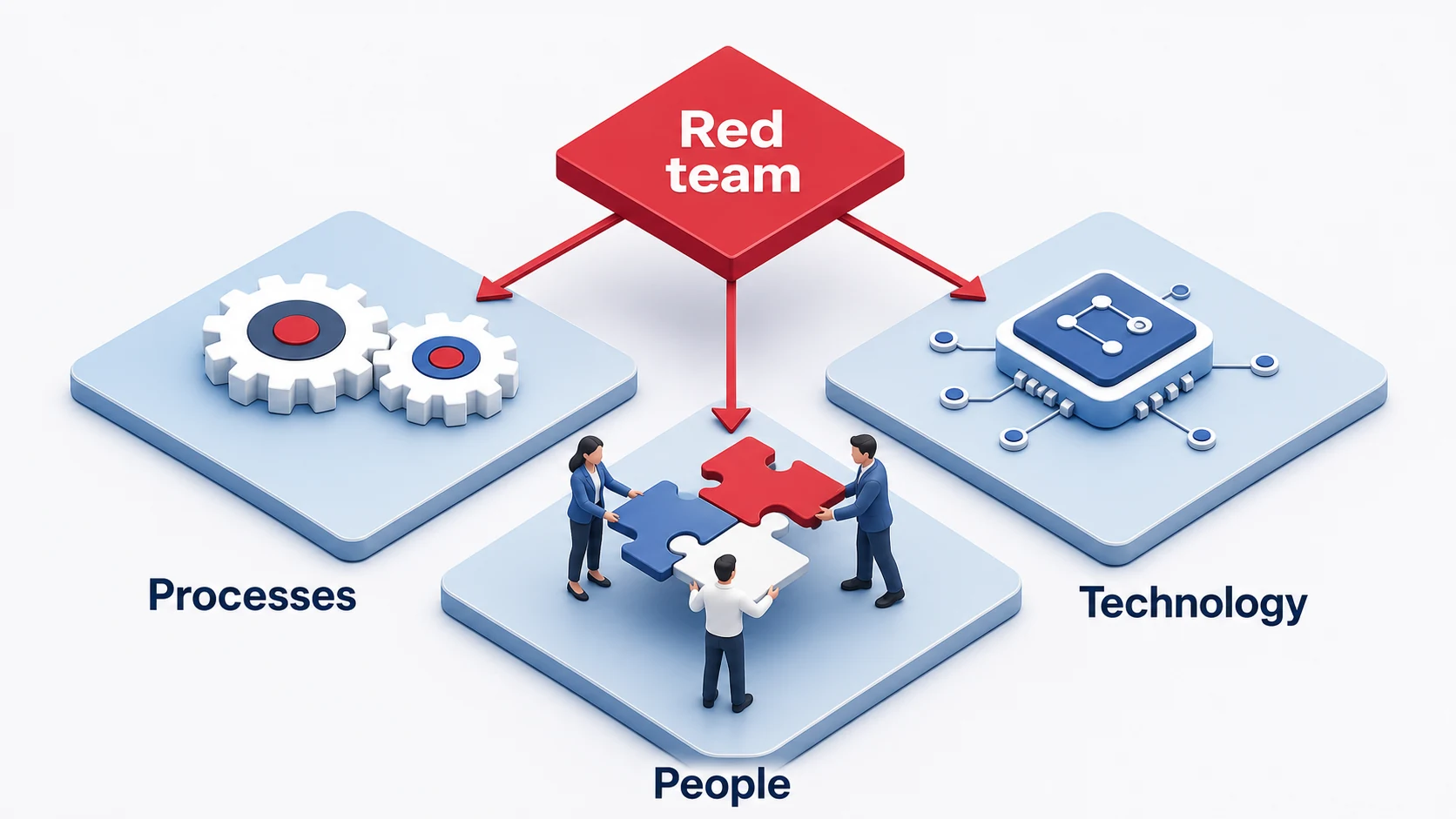
Design scoped adversarial tests for AI applications, examine tool and retrieval boundaries, and turn findings into regression coverage.

Route multi-tenant agent workloads through Polyaxon projects, queues, scoped connections, and explicit Kubernetes isolation and capacity policies.
Establish model trust through provenance, artifact inspection, reproducible evaluation, approval, runtime verification, monitoring, and rapid revocation.
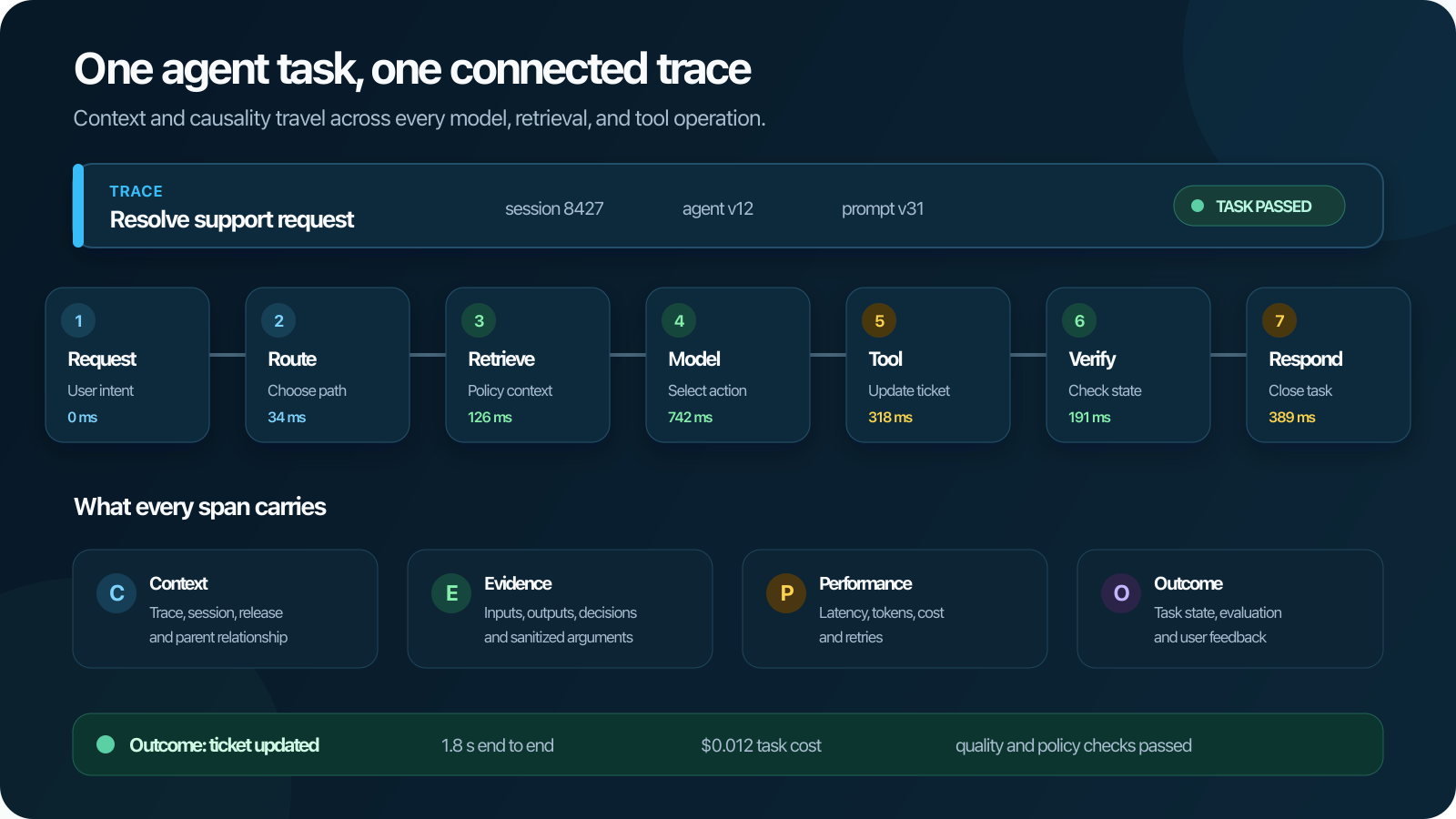
AI agent tracing connects model calls, retrieval, tools, state, and handoffs so teams can explain failures, latency, cost, and outcomes.