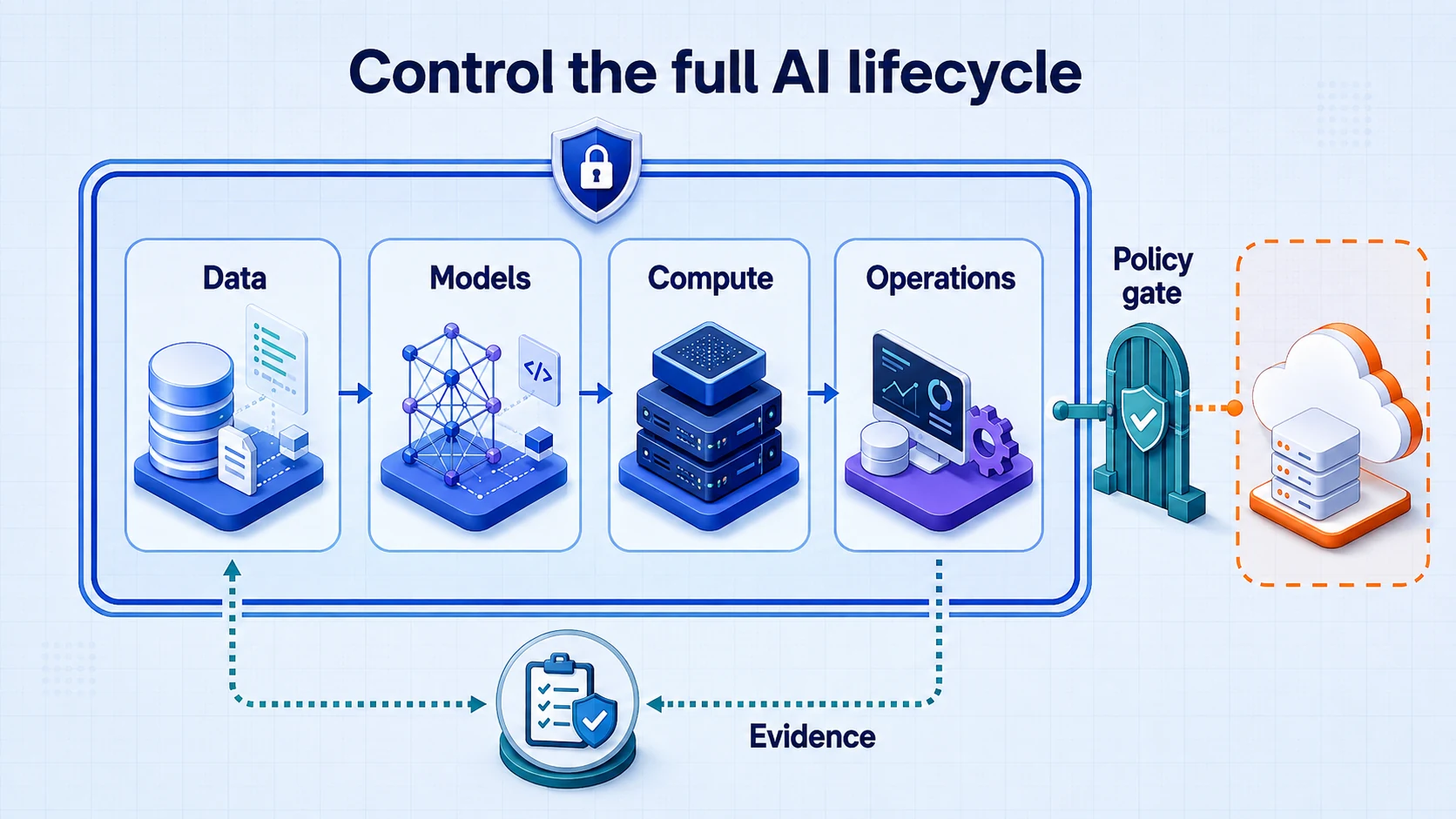
What is sovereign AI? Control across the AI lifecycle
Define sovereign AI as control over data, models, compute, operations, providers, and evidence, then implement it with Kubernetes.
InfrastructureKubernetesSecurity
Practical guides to building, running, and improving ML and AI in production.
Page 4 of 21
Define sovereign AI as control over data, models, compute, operations, providers, and evidence, then implement it with Kubernetes.
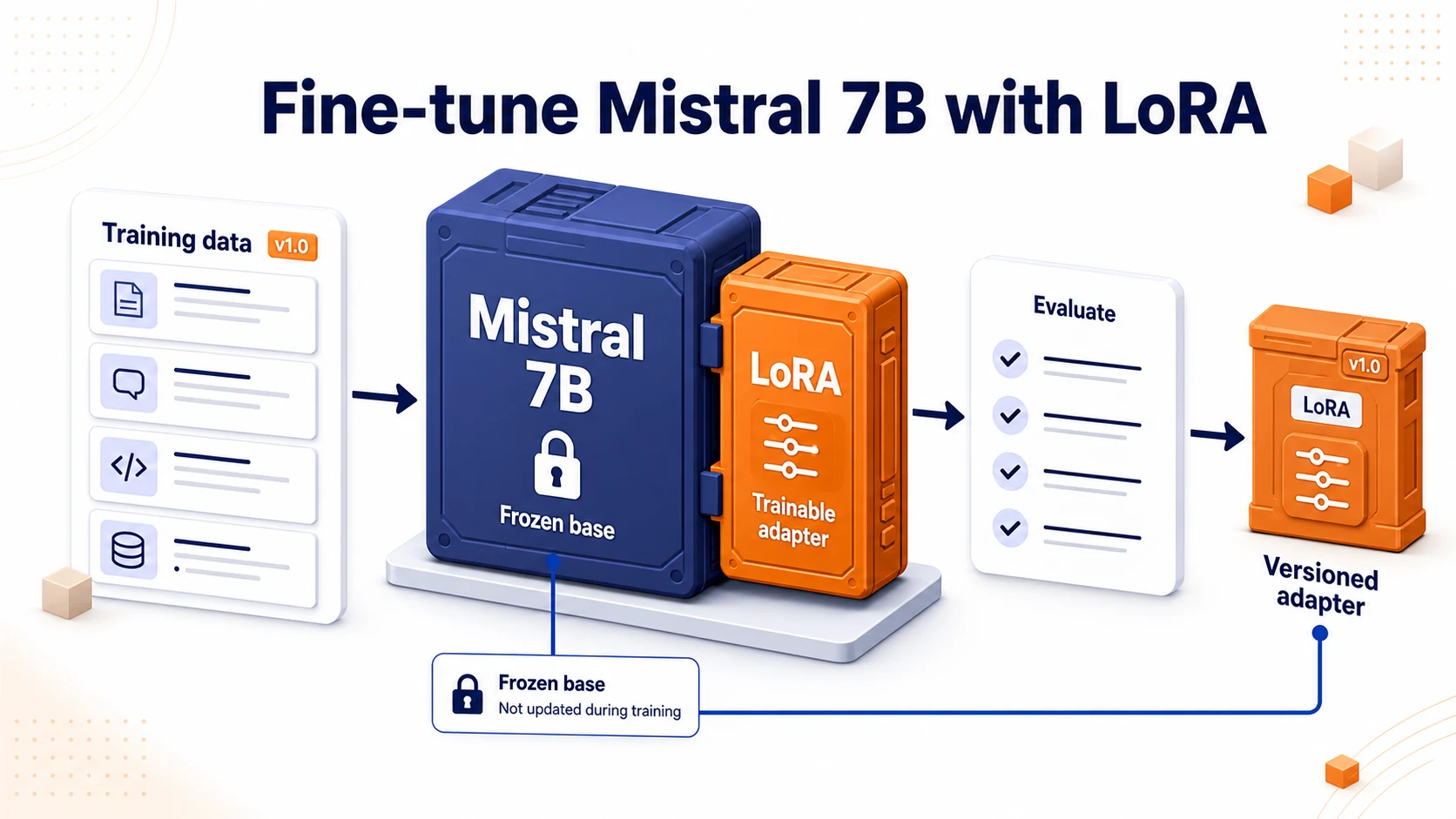
Plan a Mistral 7B LoRA fine-tuning workflow on Kubernetes with versioned data, GPU scheduling, Polyaxon tracking, evaluation, and adapter packaging.
Give evaluation shards stable indexes and independent retry budgets with Kubernetes Indexed Jobs, while keeping incomplete results visible.
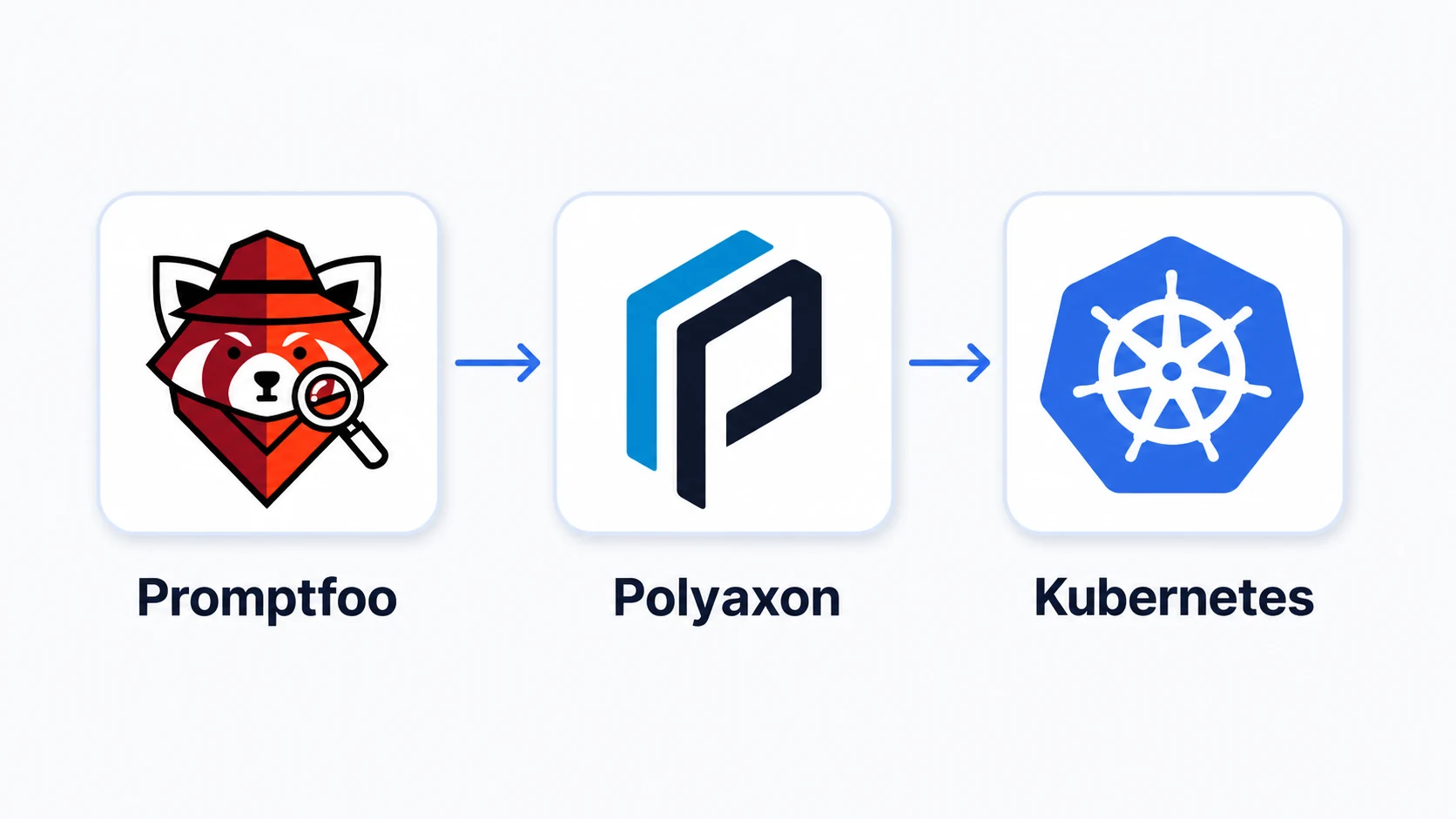
Package a Promptfoo suite as a Polyaxon job, export evaluation reports, track artifacts, and verify that failed checks fail the workload.
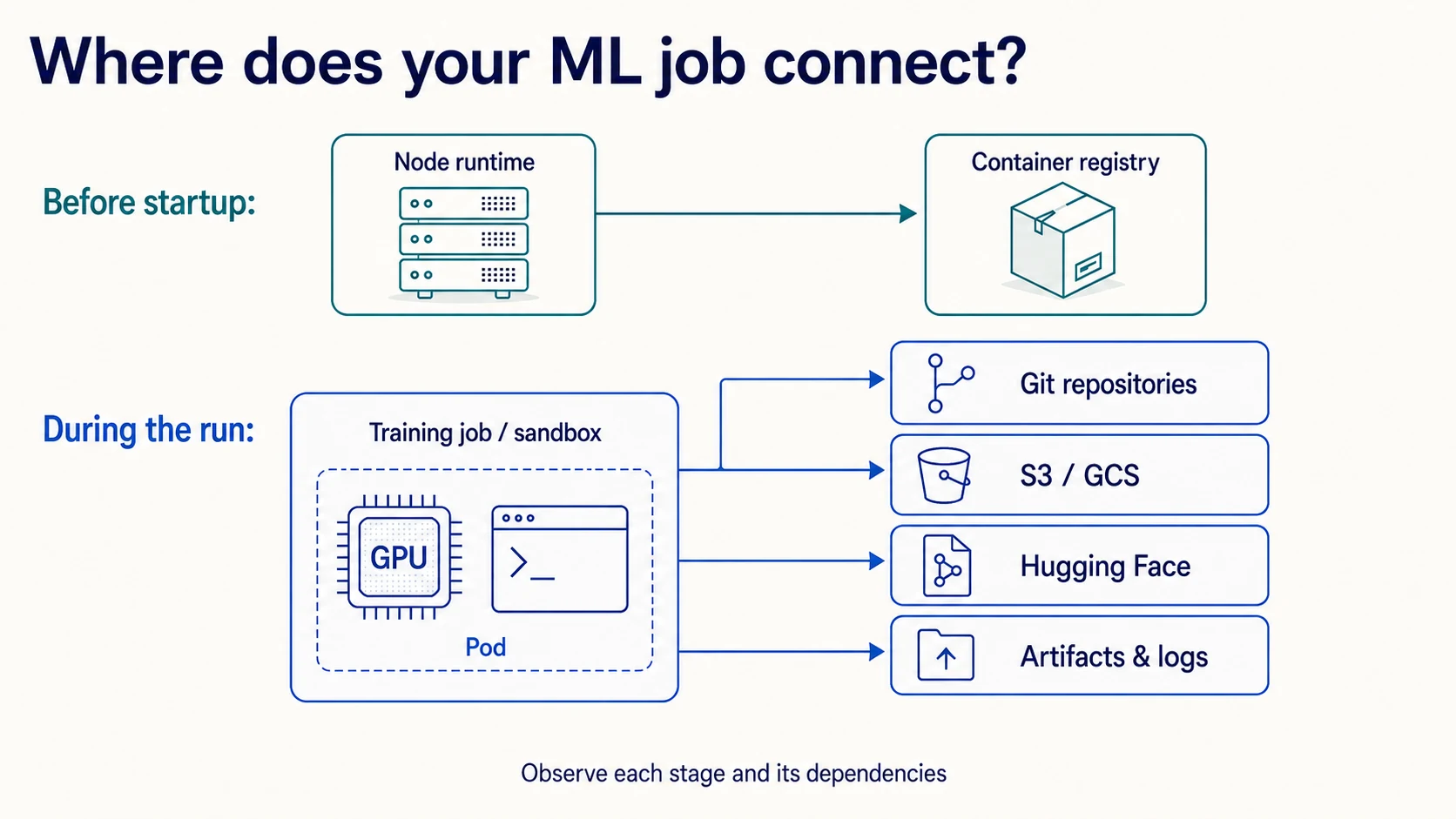
Trace image pulls, Git clones, S3 and GCS access, Hugging Face downloads, and artifact uploads across the lifecycle of Kubernetes jobs and sandboxes.
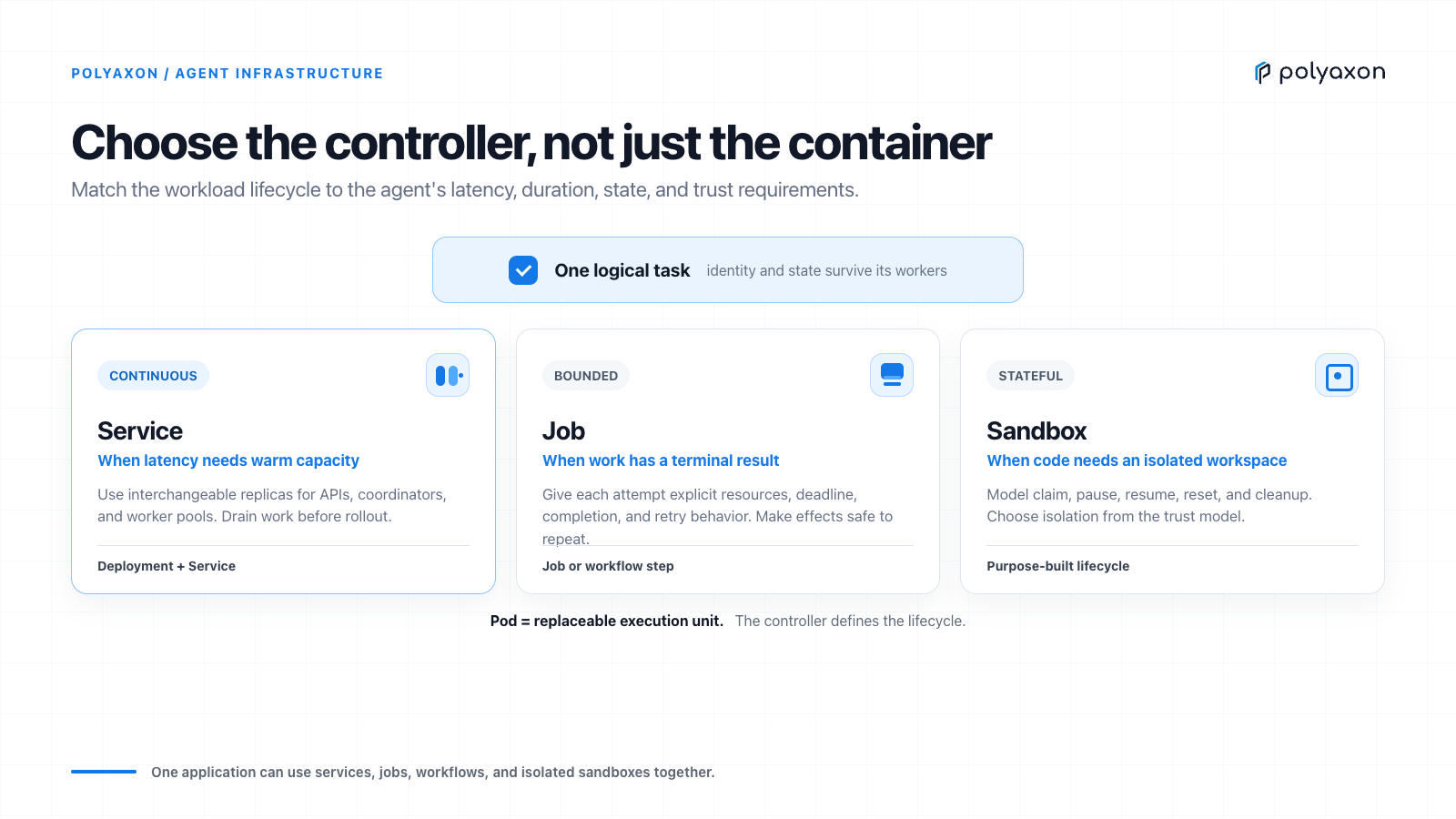
Choose the Kubernetes execution shape for an AI agent by separating logical task identity from Pods, Jobs, Services, workflows, and sandbox lifecycles.

Run parallel coding agents in separate Polyaxon workspaces, collect candidate patches, evaluate independently, and merge only reviewed changes.
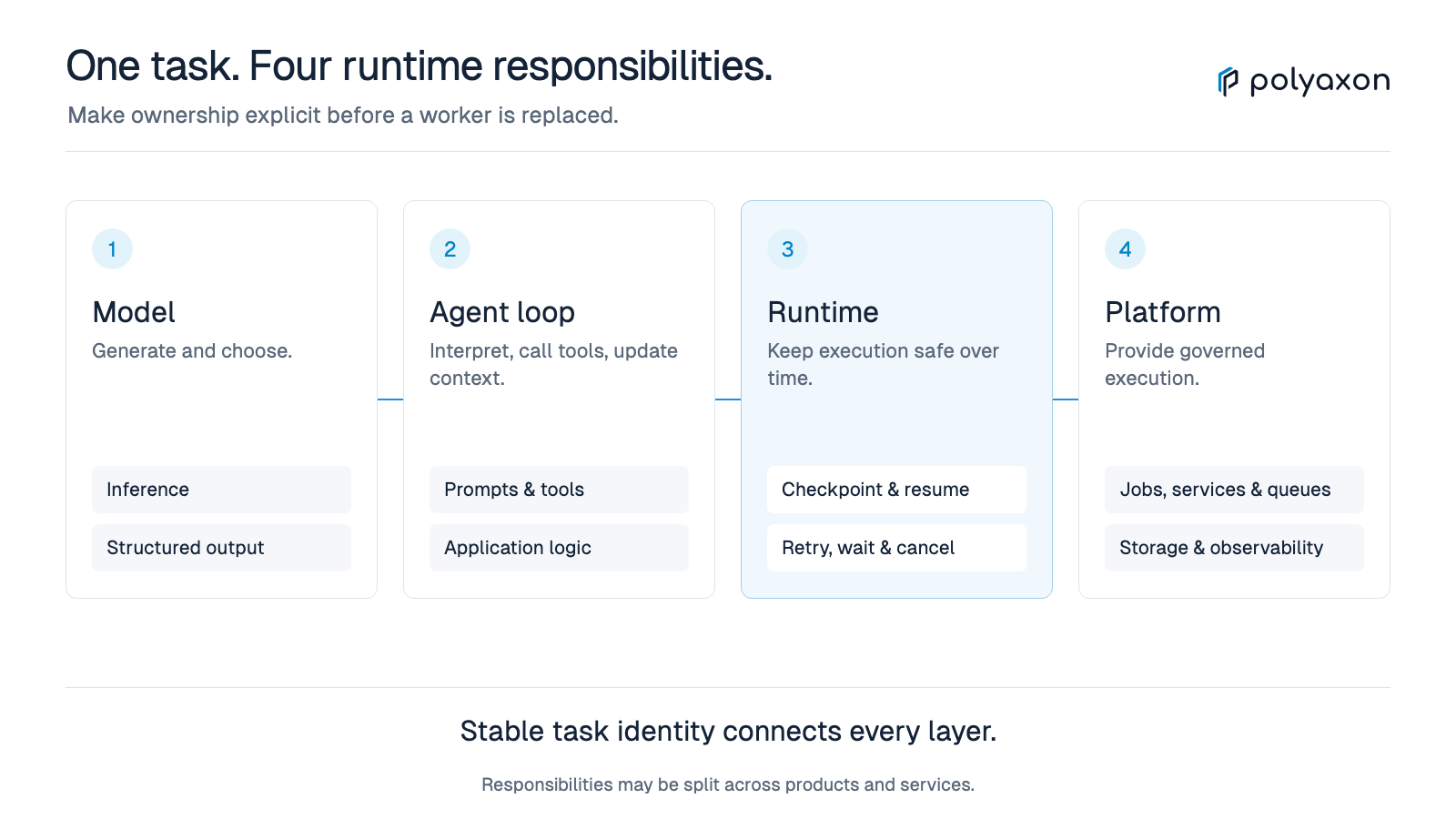
Define ownership, risk tiers, platform boundaries, exceptions, and evidence so enterprise AI security operates continuously instead of as a launch checklist.
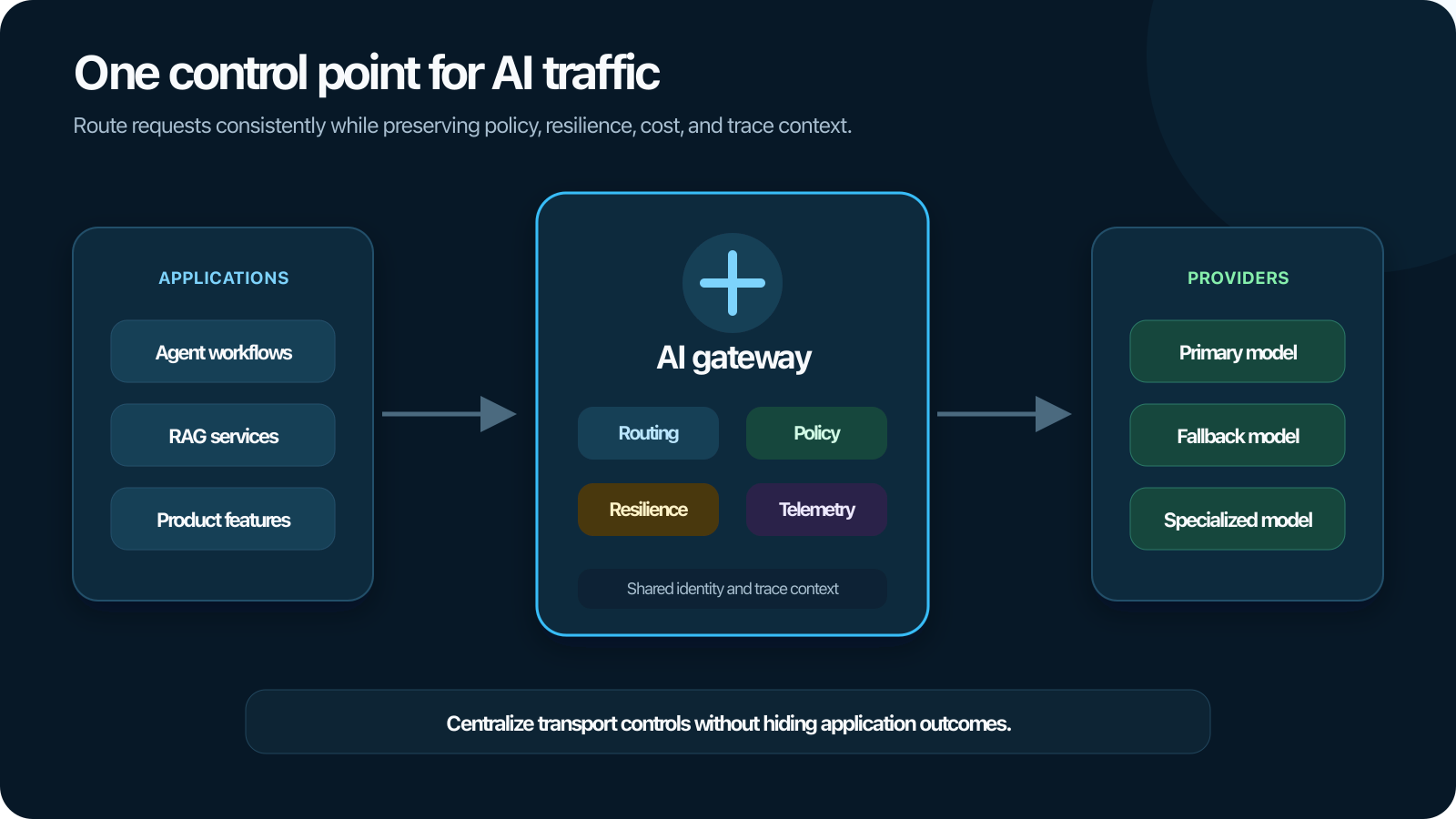
Operate an AI gateway as a policy boundary for workload identity, eligible models, routing, budgets, privacy, evidence, and controlled configuration changes.
Create a CSI snapshot of a notebook workspace, restore it into a separate PVC, and verify files and application state before switching workspaces.
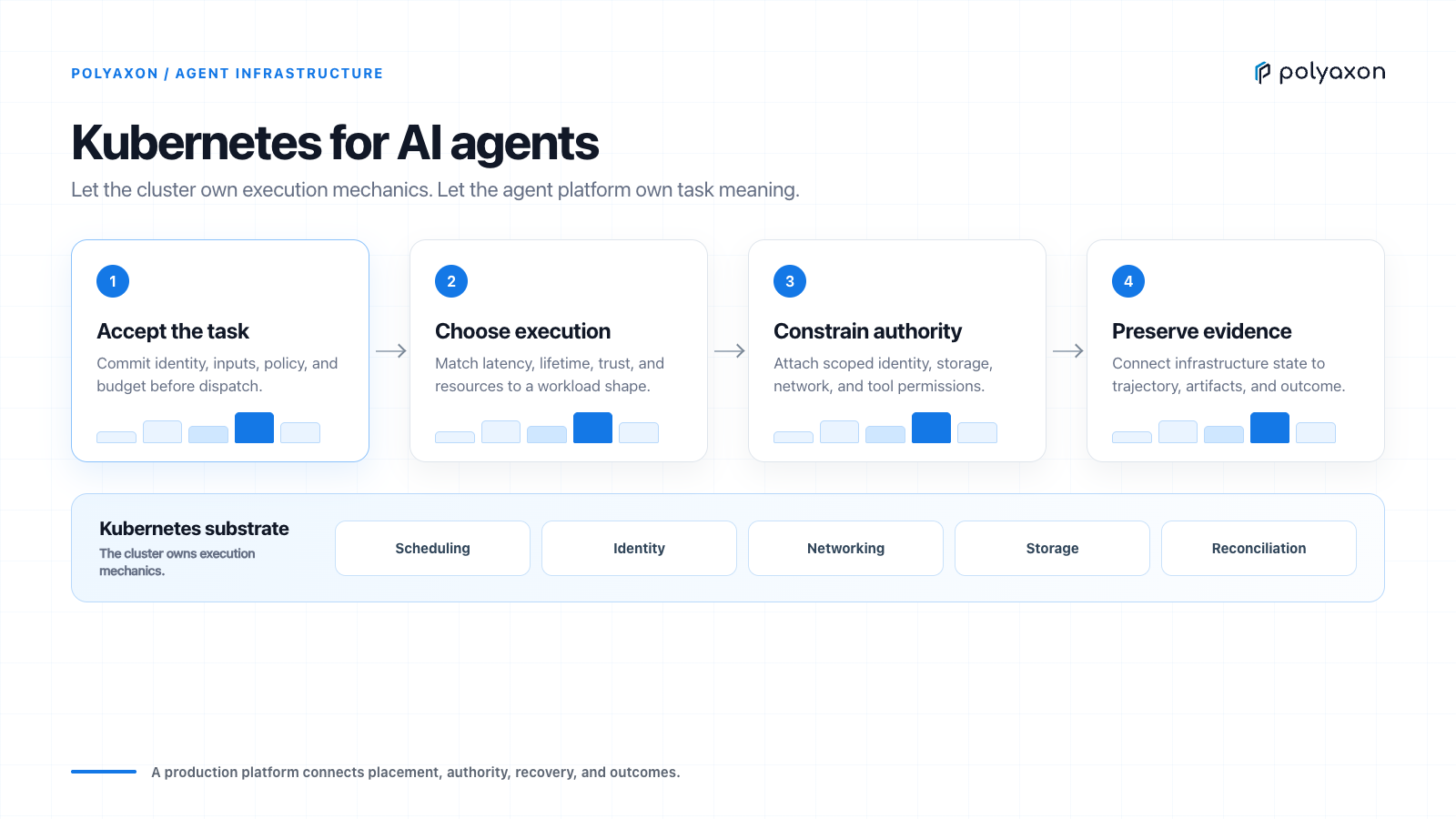
Design a Kubernetes platform for AI agents with clear workload boundaries, durable state, scoped access, resource controls, and end-to-end evidence.
Add static model artifact scanning before registry promotion, preserve scan evidence, check coverage, and bind approval to immutable artifact digests.
Use Kubernetes scheduling gates to wait for external prerequisites before placement, with a controlled example and clear ownership of gate removal.
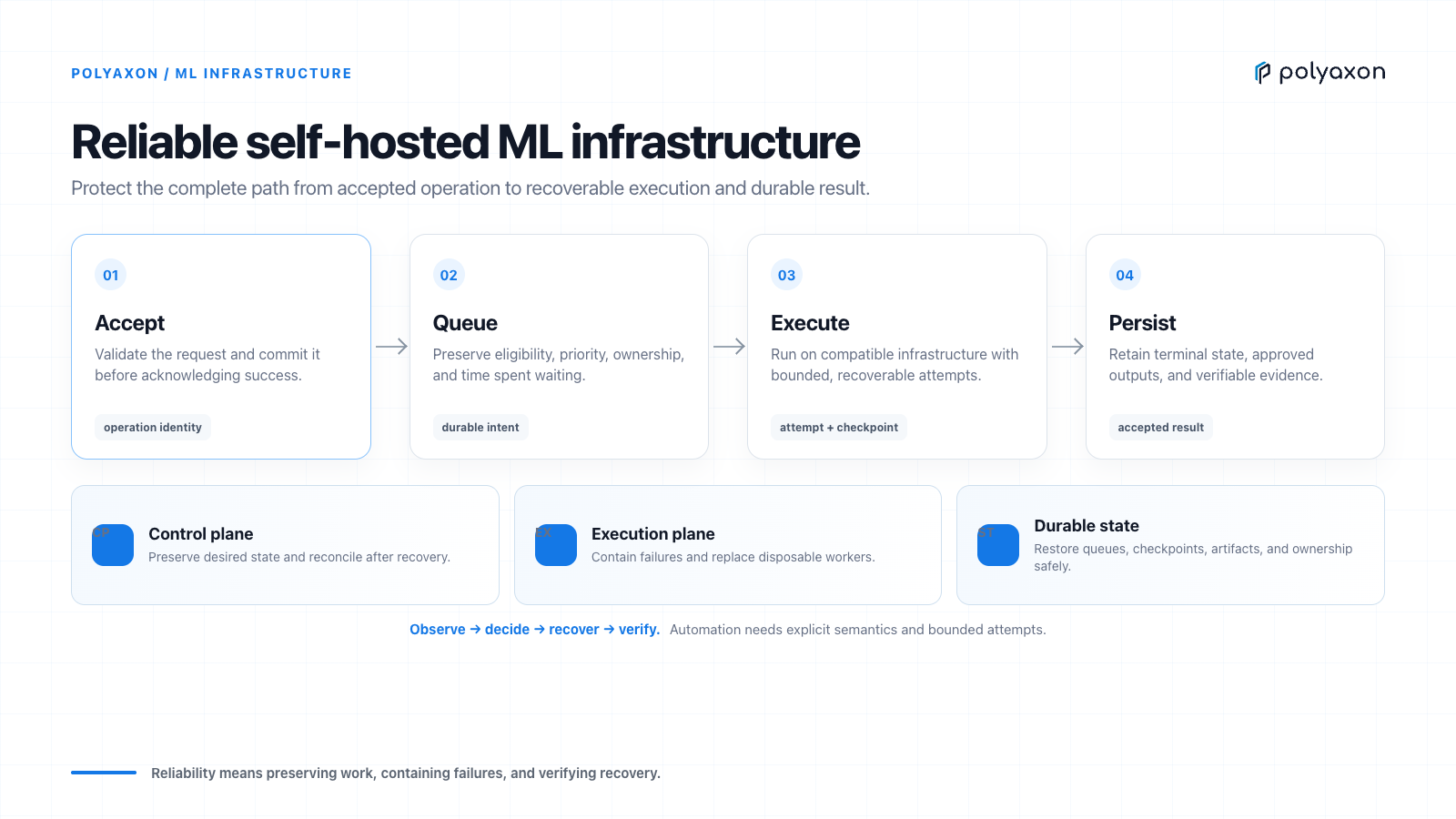
Build self-hosted ML infrastructure around explicit failure domains, durable queues and artifacts, eligible failover, actionable telemetry, and tested recovery.
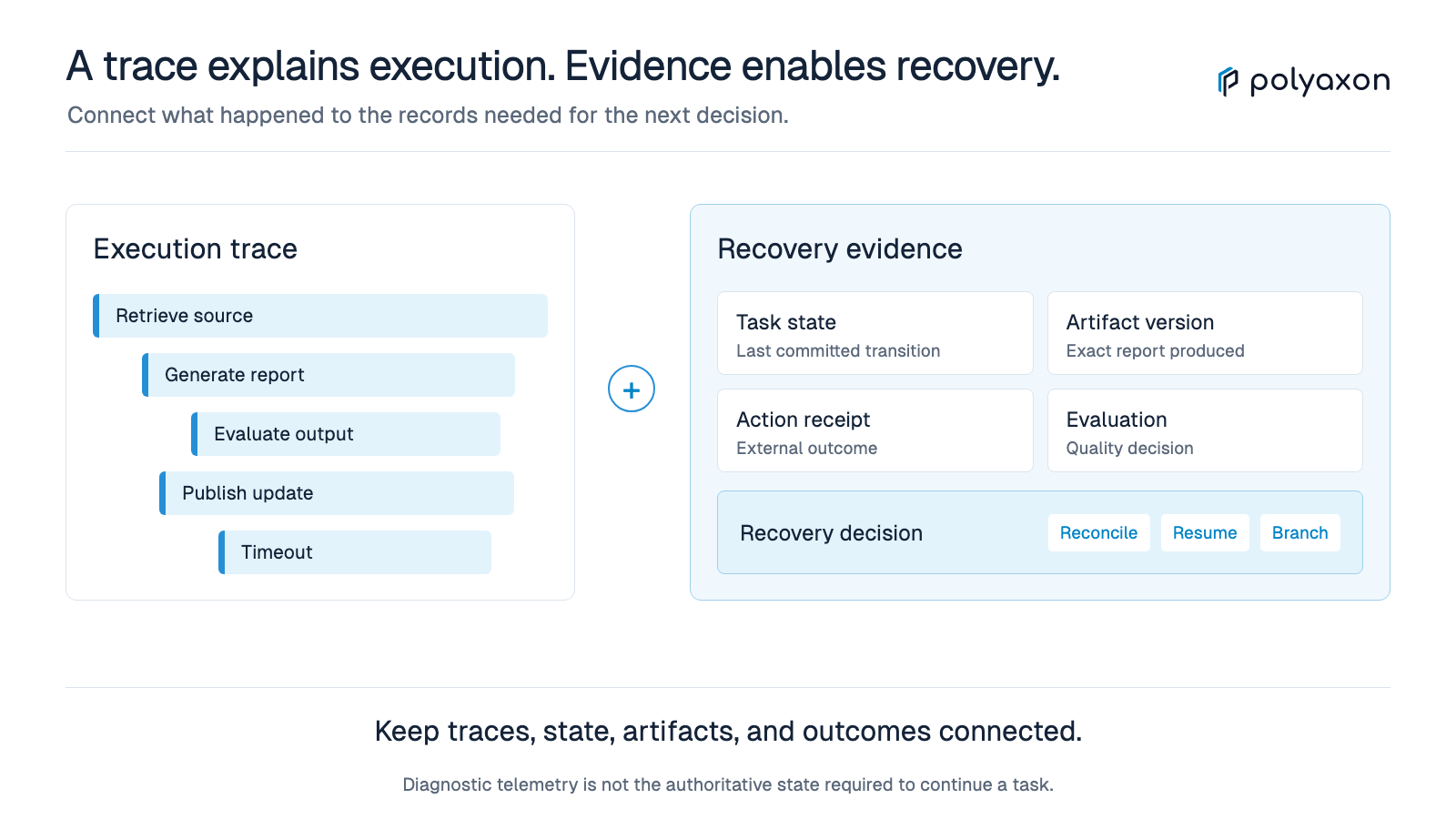
Connect agent traces to checkpoint state, versioned artifacts, action receipts, and evaluations so failures lead to controlled recovery and reproducible improvements.
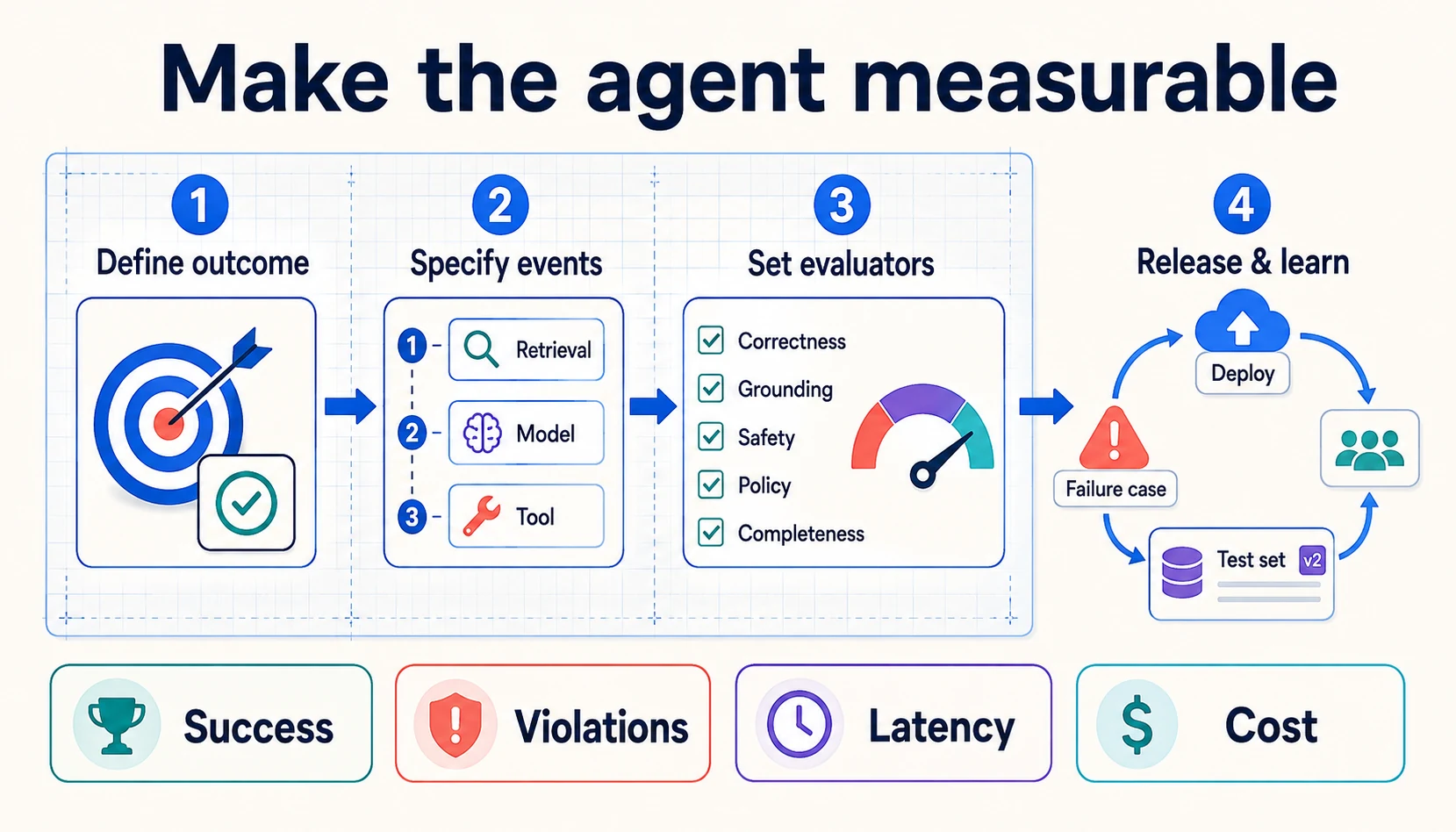
Define agent outcomes, prohibited actions, events, evaluators, budgets, segments, and feedback loops before implementation begins.
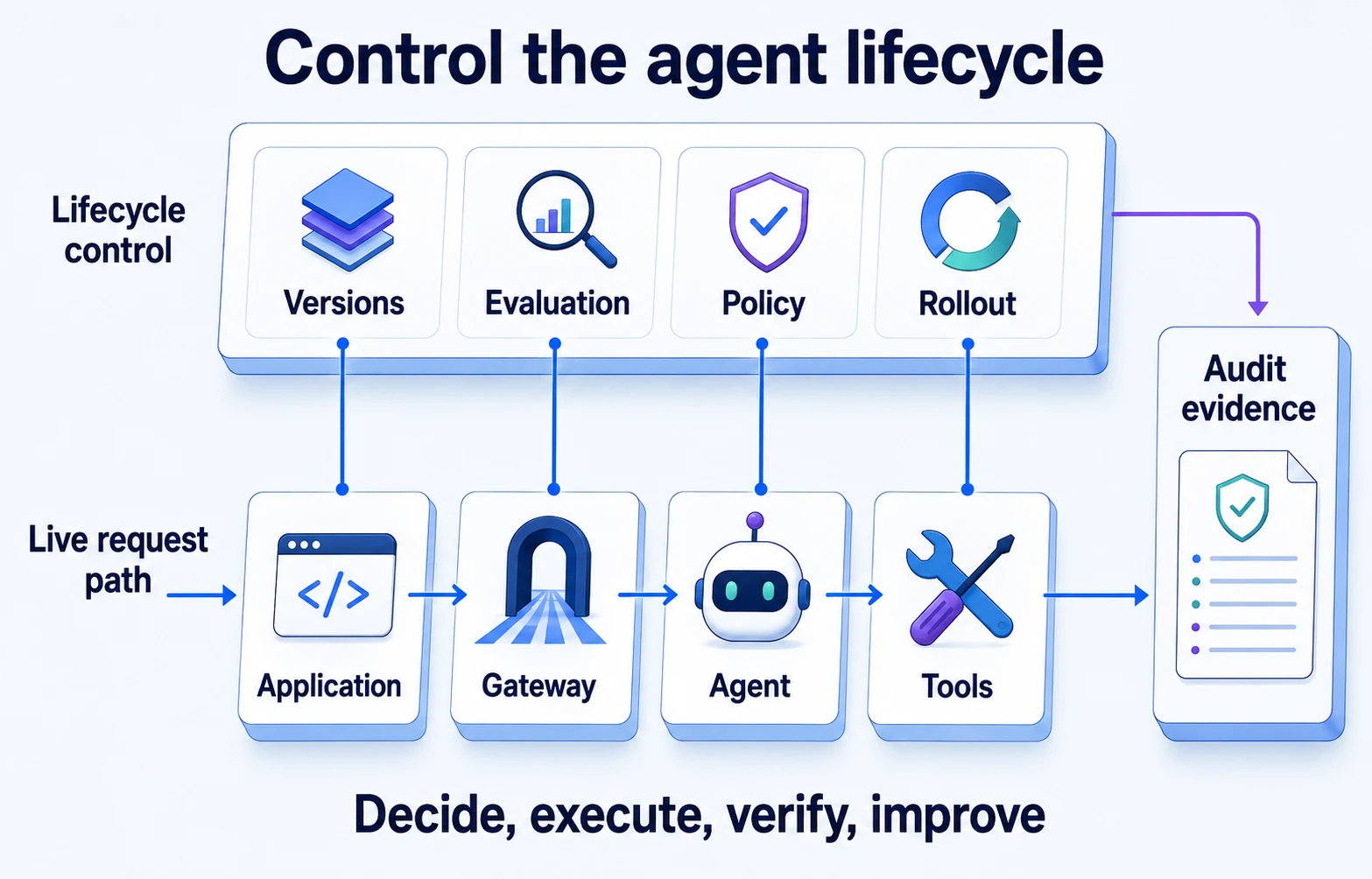
Operate agentic AI with explicit service ownership, platform contracts, task lifecycle rules, change control, incident response, SLOs, and financial accountability.
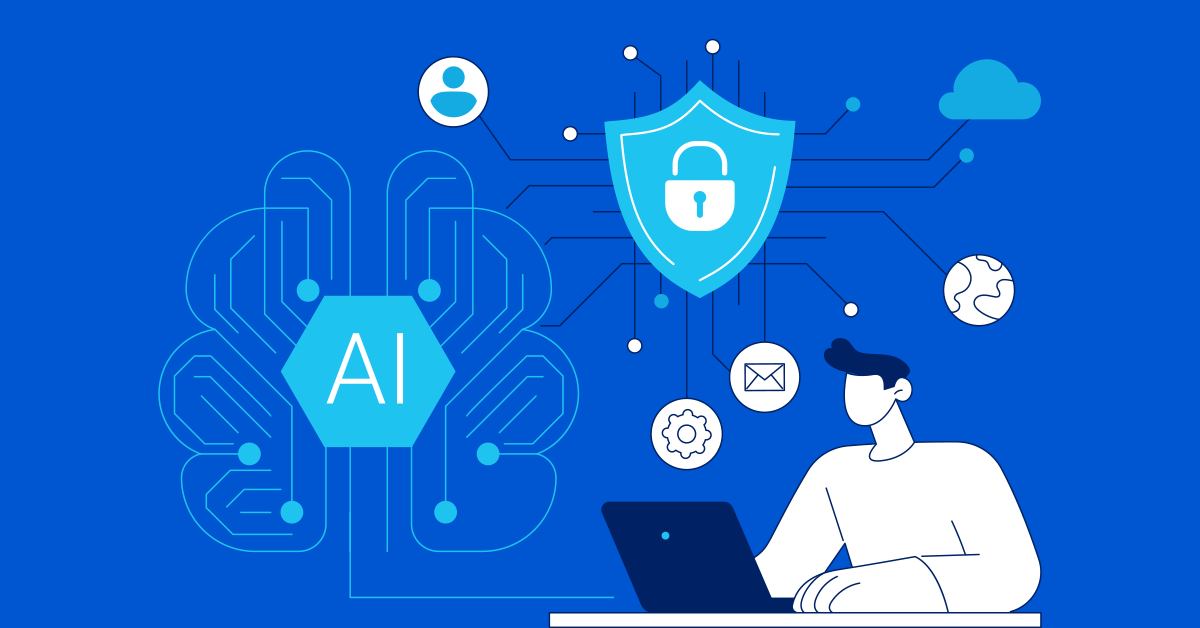
Contain AI agent identity, tools, memory, network access, and delegated actions with enforceable production boundaries.
Use custom metrics with Kubernetes HPA for independent inference replicas, account for model startup, and distinguish desired replicas from usable capacity.

Connect AI agent execution to Polyaxon projects, components, scheduling, tracking, and artifacts through a stable application-owned execution contract.
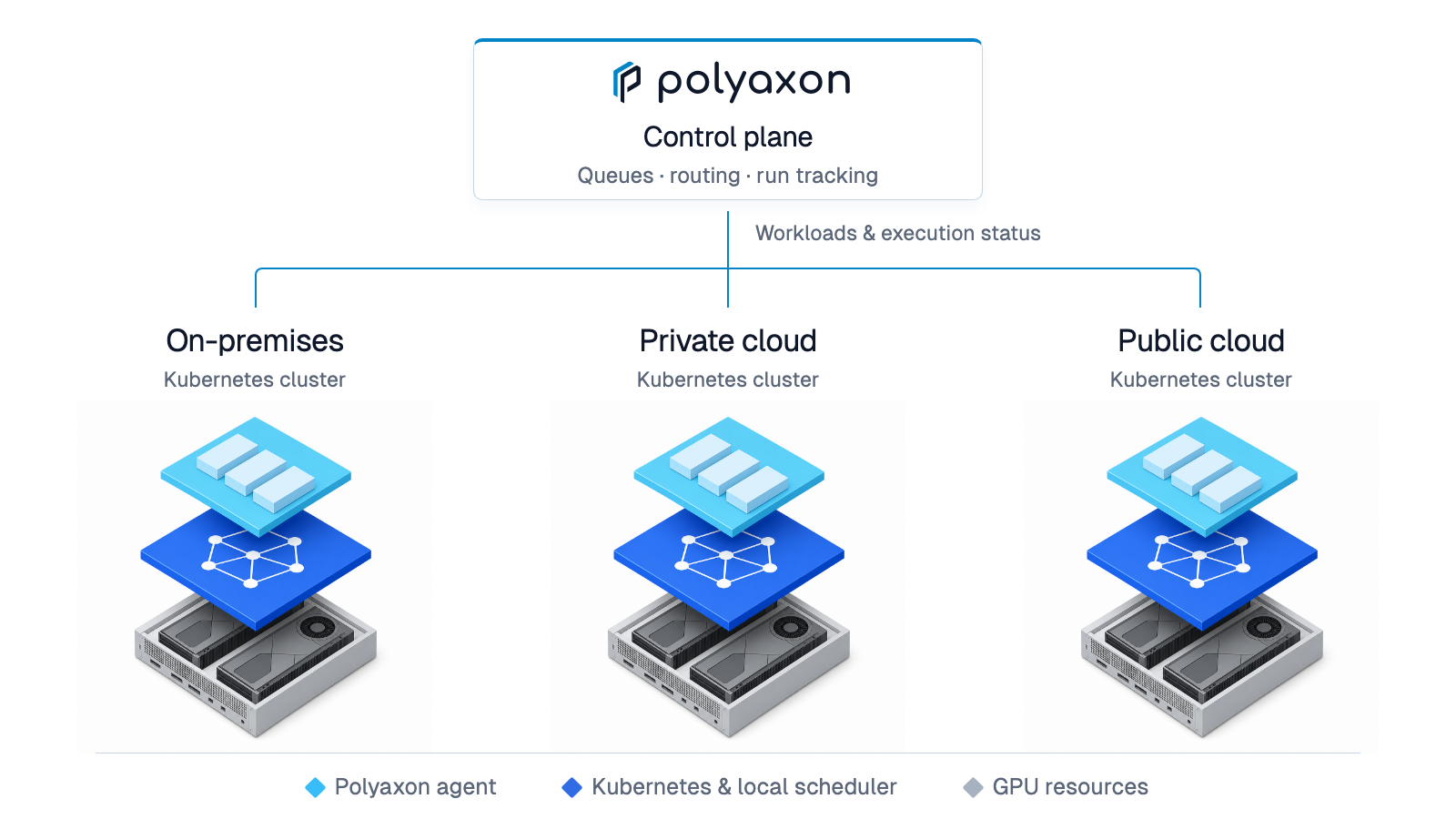
Design multi-cluster GPU orchestration around workload eligibility, data locality, queue routing, recovery, and clear dispatch ownership.
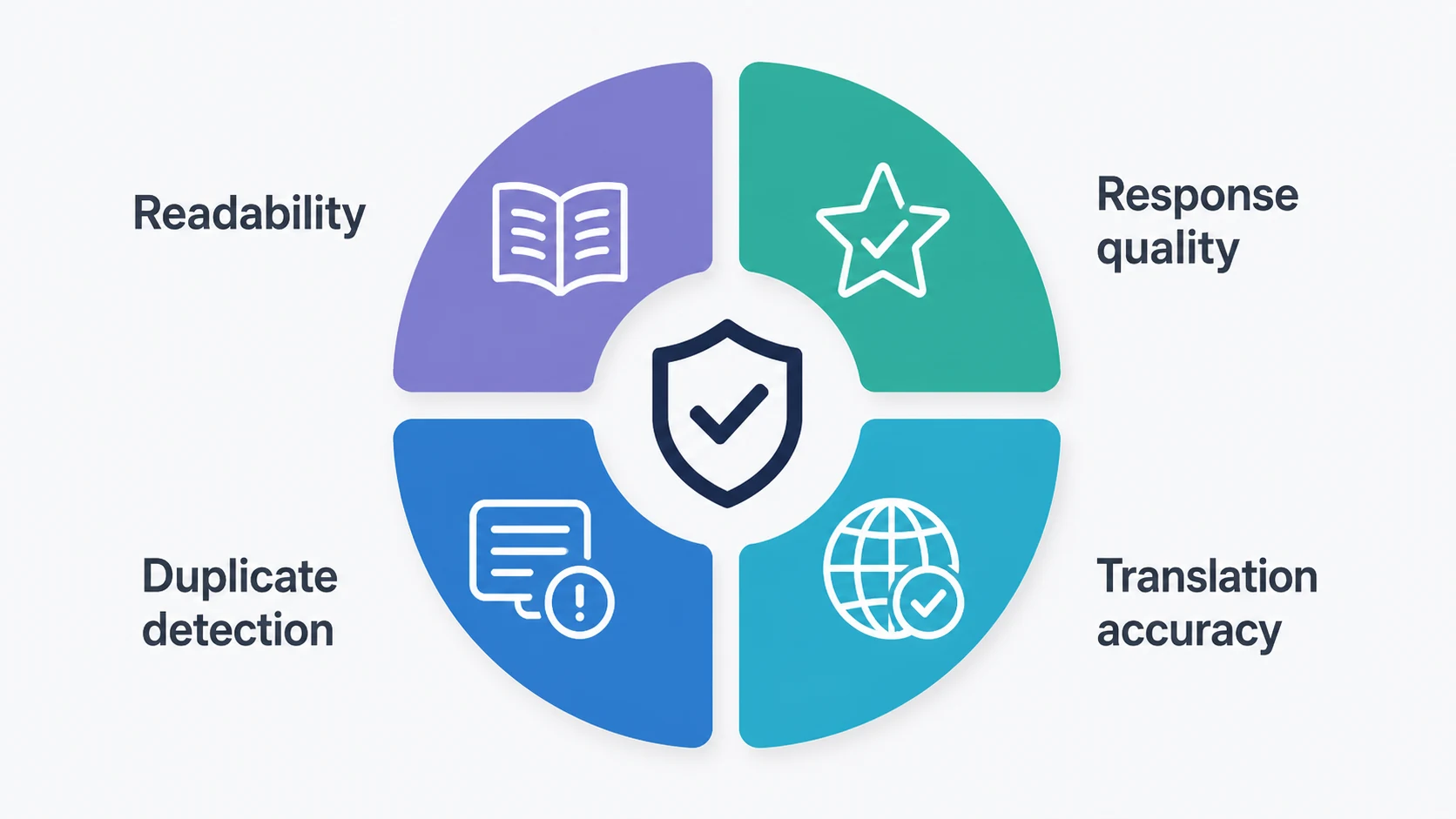
Design reliable batch LLM evaluations with stable shards, bounded concurrency, GPU-aware placement, resumable results, and complete aggregation.
Package application-owned agent evaluators as versioned Polyaxon components with typed contracts, reusable execution profiles, and consistent result evidence.
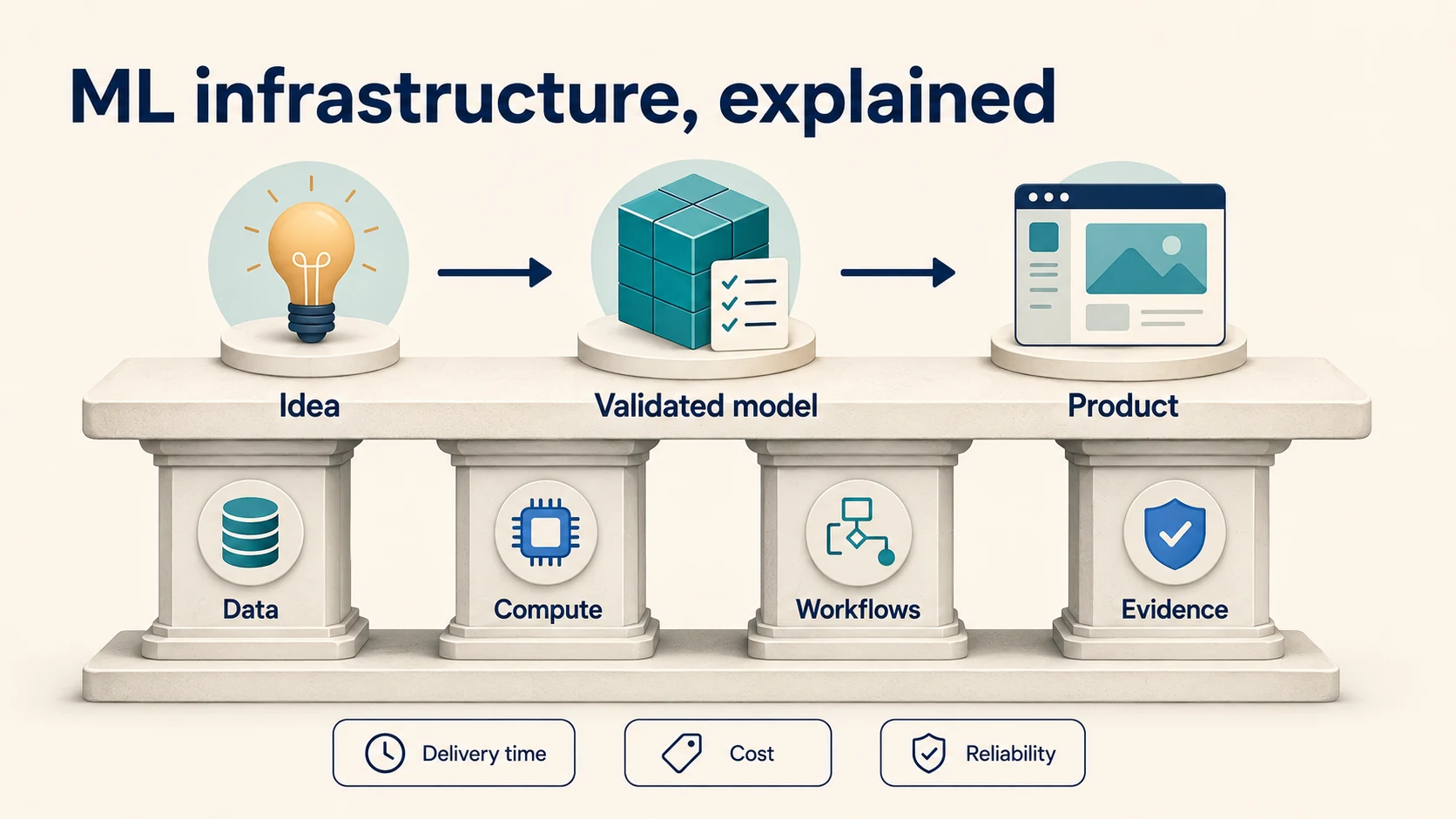
Understand what ML infrastructure pays for, how it affects delivery and reliability, and how to evaluate an investment using measurable workflow outcomes.