
Review the trust boundary for LLM-generated code
Review the trust boundary for LLM-generated code before execution, mapping permissions, trusted controllers, output handling, and promotion controls in Polyaxon.
SecurityAI AgentsCode Execution
Explore practical AI agent guides covering architecture, evaluation, sandboxed execution, tracing, security, and production operations.
Page 2 of 4
Review the trust boundary for LLM-generated code before execution, mapping permissions, trusted controllers, output handling, and promotion controls in Polyaxon.
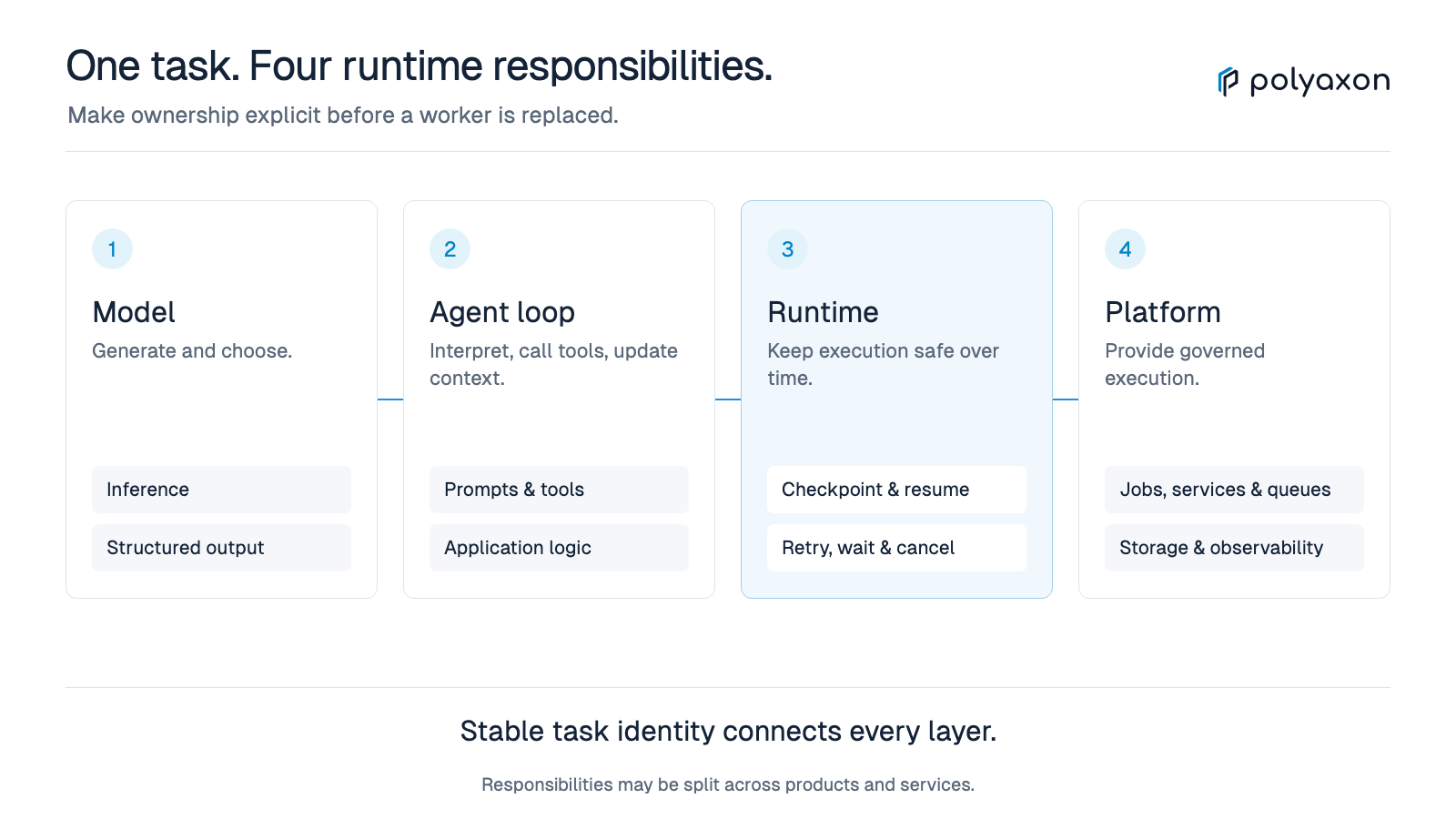
Scale AI agents with admission control, dependency-aware concurrency, durable state, bounded authority, backpressure, and outcome-based capacity planning.
Operate dynamic AI agent plans with Polyaxon execution, explicit policy checks, cumulative budgets, durable request state, and independent evaluation.
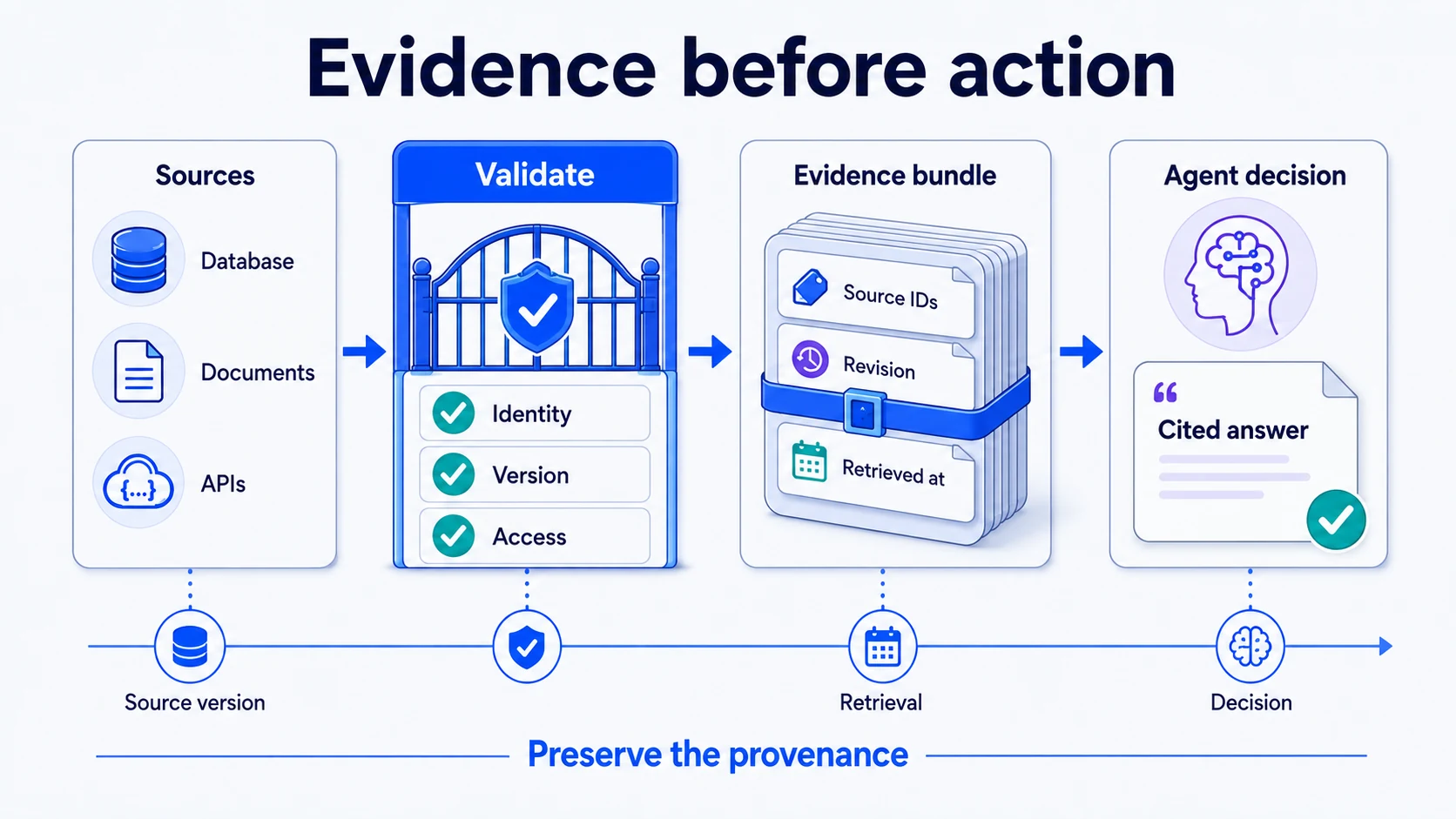
Design agent data paths that preserve source identity, versions, permissions, freshness, retrieval evidence, and verification results.
Estimate AI sandbox operating costs from measured active and idle resources, retries, storage, and engineering ownership using Polyaxon workload evidence.
Use Polyaxon joins to select comparable evaluation runs and build application-owned leaderboards with explicit cohort, completeness, and artifact evidence.
Understand AI sandboxes for development and agent execution, including runtime isolation, credentials, storage, network access, GPUs, and lifecycle.
Manage Polyaxon sandbox-enabled services from versioned environment templates through readiness checks, process execution, file persistence, and resource cleanup.
Evaluate AI agent infrastructure reliability through task-level outcomes, recovery behavior, Polyaxon execution evidence, and explicit operational ownership.

Package an agent evaluator as a Polyaxon component, track candidate revisions and task metrics, and compare changes using existing MLOps workflows.
Run RAGEN on a Polyaxon-managed Ray cluster, with matching training resources, persistent checkpoints, and reproducible environment configuration.
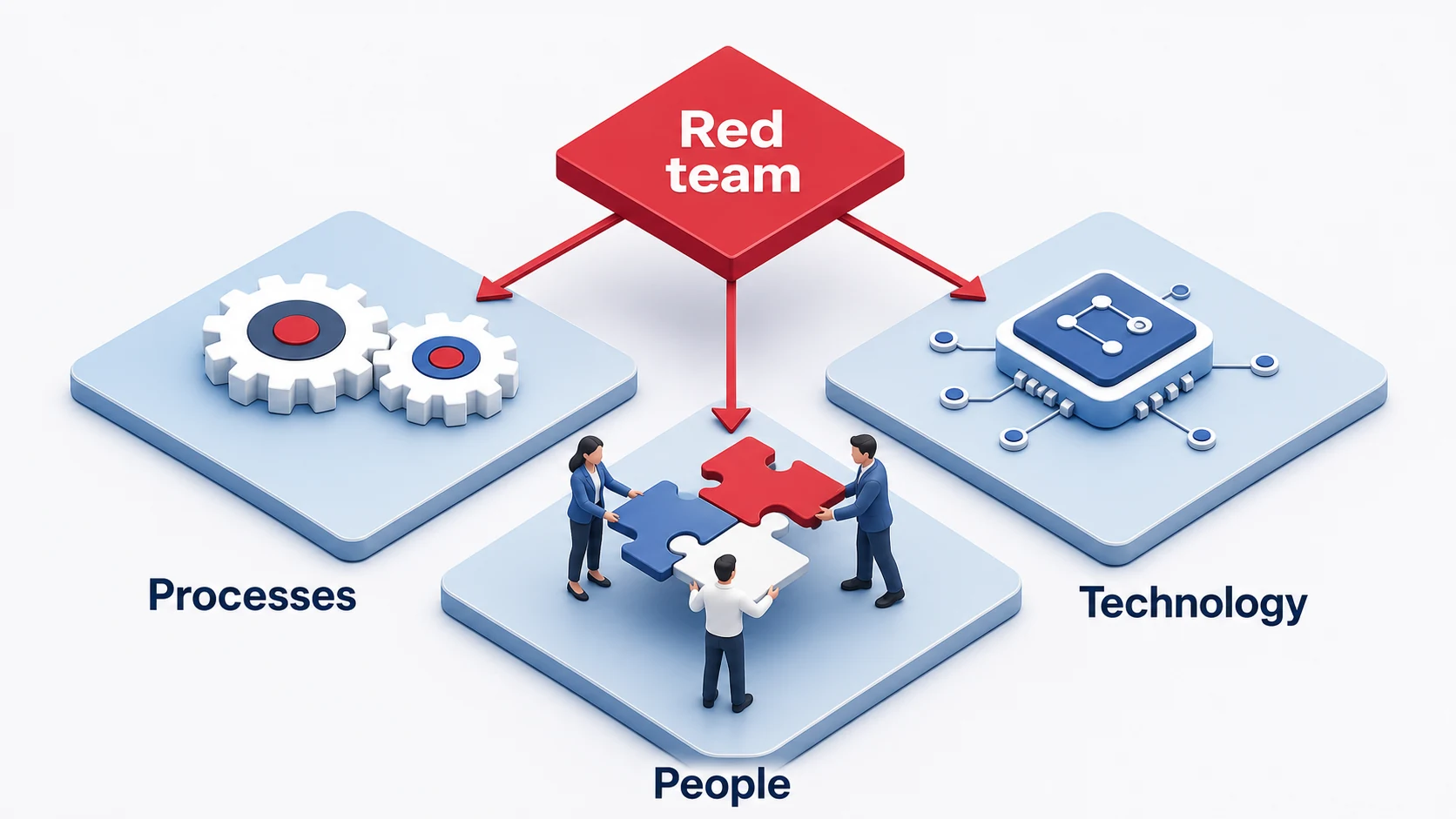
Design scoped adversarial tests for AI applications, examine tool and retrieval boundaries, and turn findings into regression coverage.

Route multi-tenant agent workloads through Polyaxon projects, queues, scoped connections, and explicit Kubernetes isolation and capacity policies.
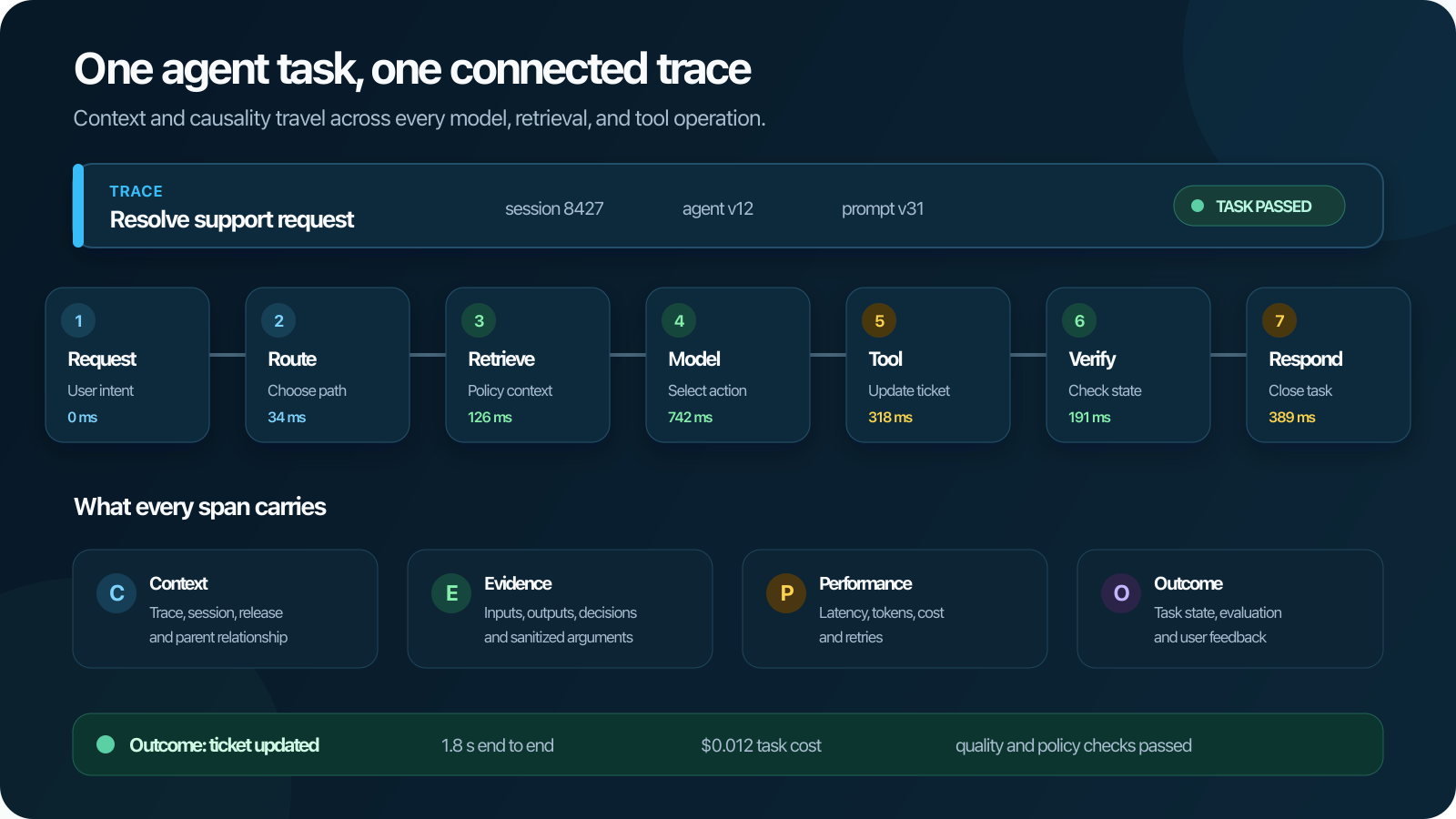
AI agent tracing connects model calls, retrieval, tools, state, and handoffs so teams can explain failures, latency, cost, and outcomes.
Evaluate sandbox selection as a Polyaxon platform decision covering execution contracts, identity, scheduling, state, evidence, and operational ownership.
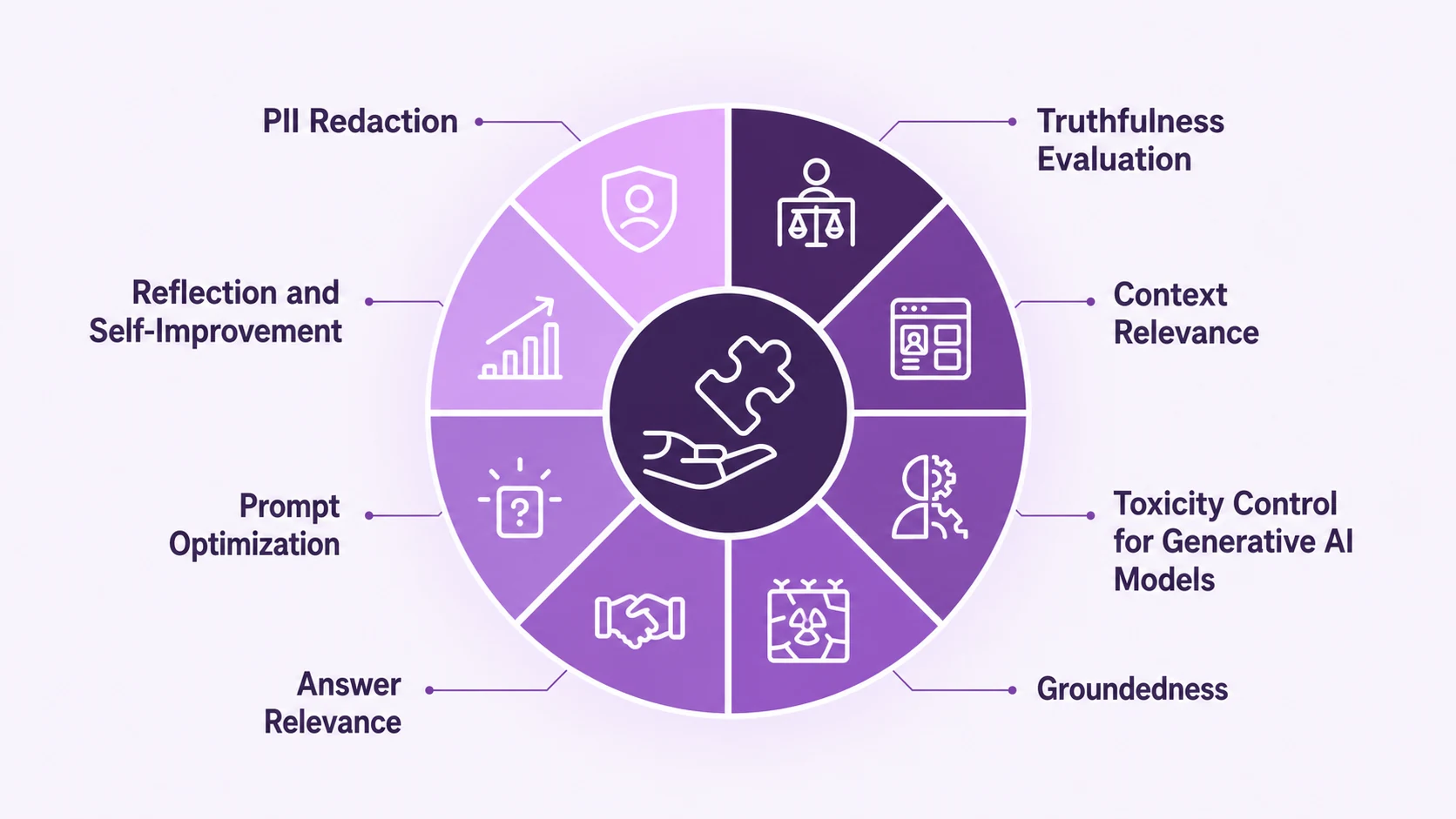
A practical framework for evaluating AI agent outcomes, trajectories, tool use, safety, latency, and cost before and after release.

Distinguish the security boundary, process runtime, and interpreter session when designing Polyaxon code execution for AI agents.
Use Polyaxon tracking, sandbox execution receipts, artifacts, and run comparison to investigate coding-agent failures and qualify changes.

Persist agent memory outside Polyaxon sandbox lifetimes using application stores, scoped connections, versioned snapshots, and reproducible evaluation.
Qualify AI-generated code with Polyaxon sandbox controls, tracked execution receipts, reusable evaluation jobs, artifacts, and explicit promotion boundaries.
Use Polyaxon component versions, evaluation runs, pipeline dependencies, manual approval, and scoped execution to make agent releases reviewable.
Manage long-lived Polyaxon agent workspaces with explicit ownership, reproducible environments, checkpoints, bounded lifetimes, and safe replacement.
Run recurring agent evaluations and controlled historical backfills with Polyaxon schedules, date-range matrices, explicit window identity, and fresh results.

Qualify AI-generated code for Polyaxon pipelines using immutable candidate identity, independent evaluation, explicit approval, and versioned release artifacts.