
How to use the Kubernetes control plane
Understand the Kubernetes control plane, its core components, and the operational practices that keep scheduling and reconciliation healthy.
KubernetesGuides
Learn Kubernetes fundamentals, troubleshoot GPU workloads, and monitor ML infrastructure with practical guides for data scientists and platform engineers.
Page 8 of 8
Understand the Kubernetes control plane, its core components, and the operational practices that keep scheduling and reconciliation healthy.
Build layered Kubernetes DDoS protection with upstream filtering, edge controls, workload isolation, resource safeguards, observability, and tested response plans.
Design encryption for Kubernetes data at rest and in transit, with workload identity, certificate rotation, key ownership, and verifiable coverage.
Kubernetes fundamental notions and basics of workloads for data-scientists and machine learning engineers.
Compare Kubernetes StatefulSets and Deployments, including identity, storage, scaling, rollout behavior, and common use cases.
Use Kubernetes network policies to control pod traffic, restrict lateral movement, and make cluster networking less permissive by default.
Use kubectl logs to inspect pod, container, and owner resource logs, including timestamps, tailing, selectors, and recent output.
Understand how Docker containers and Kubernetes orchestration solve different parts of the ML delivery path, from reproducible images to scheduled production workloads.
A practical overview of Kubernetes architecture and how its control plane, worker nodes, services, and storage affect ML workloads.
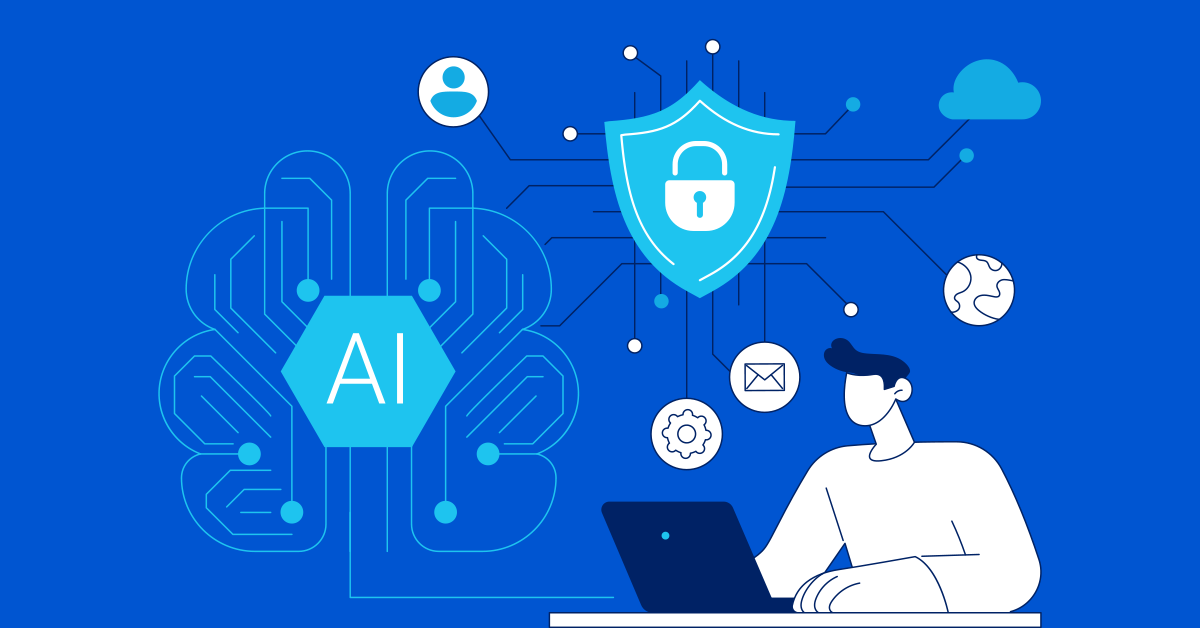
Turn recurring Kubernetes incident patterns into practical controls for initial access, workload isolation, identity, software supply chains, detection, and response.
Use kubectl run to create quick pods for testing images, commands, ports, and dry-run manifests in a Kubernetes cluster.
Learn how kubectl proxy exposes the Kubernetes API locally, when it helps, and what alternatives to use for application access.
Use kubectl scale to change replica counts safely, understand conditional scaling, and avoid accidental production impact.
Diagnose exit code 137 in Kubernetes: distinguish OOM kills from other SIGKILL terminations, then address memory, workload, or shutdown problems.
Use kubectl describe to inspect Kubernetes resources, events, labels, pod state, and failure details without guessing from status alone.
Troubleshooting machine learning (ML) and deep learning(DL) workload on Kubernetes for data-scientists and machine learning engineers.
Scheduling and orchestrating machine learning (ML) and deep learning(DL) workload workload on Kubernetes.
Basic concepts of Kubernetes for data-scientists and machine learning engineers to manage machine learning (ML) and deep learning(DL) workload and applications.
Reduce Kubernetes attack surface by inventorying public services, protecting management endpoints, isolating workloads, and continuously testing exposure.

This is a guide to assist you through the process of setting up a Polyaxon deployment using MicroK8s.
This is a guide to assist you through the process of setting up a Polyaxon deployment using kubeadm and Kubernetes.

This is a guide to assist you through the process of setting up a Polyaxon deployment using Minikube.