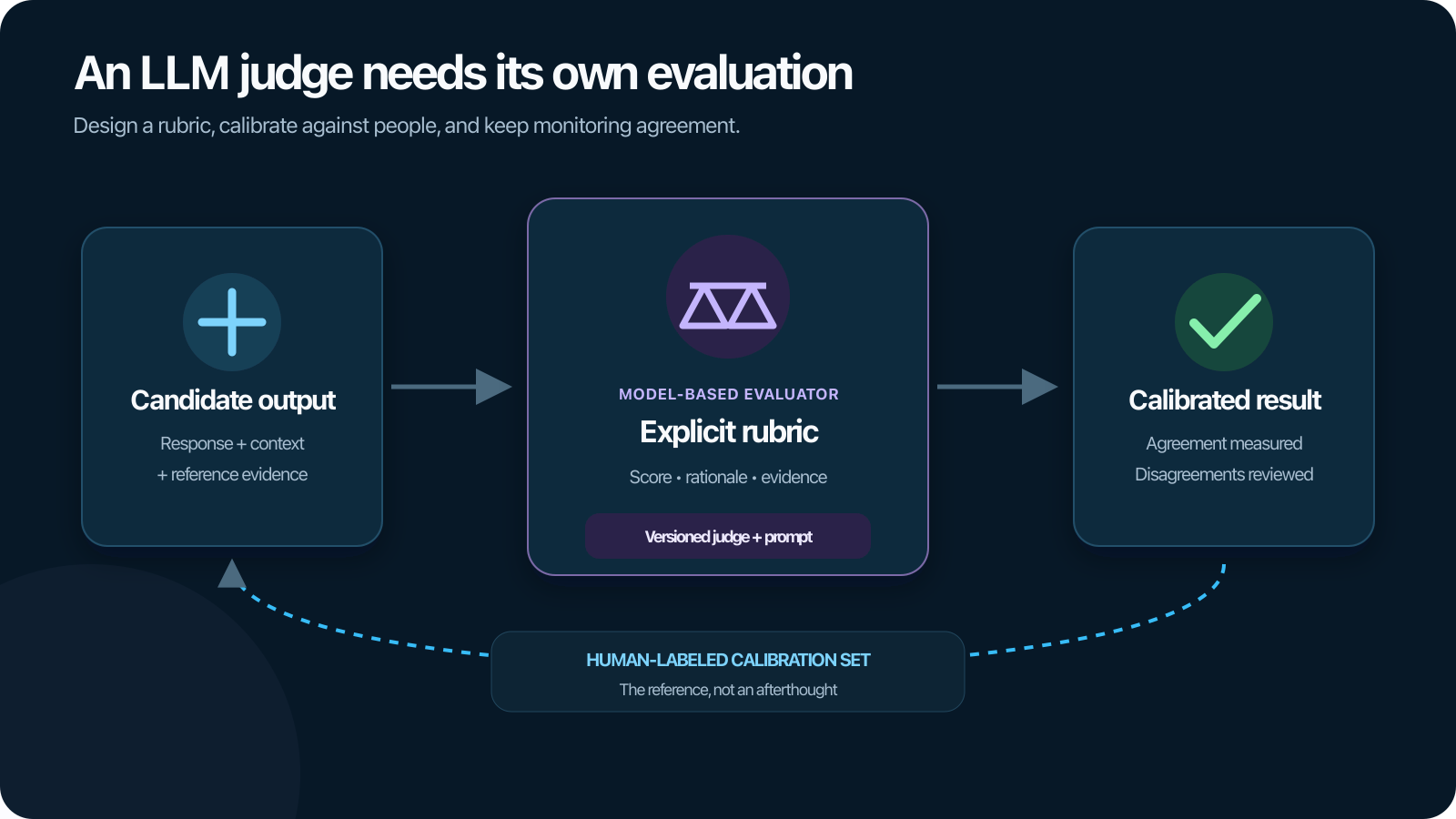
LLM-as-a-judge: Design and validate model-based evaluators
Use LLMs as scalable evaluators without treating them as ground truth: design clear rubrics, calibrate against humans, and monitor bias and drift.
EvaluationLLMOps
Learn how to evaluate, deploy, observe, and control the cost of LLM applications, from initial experiments to production feedback.
Page 2 of 2
Use LLMs as scalable evaluators without treating them as ground truth: design clear rubrics, calibrate against humans, and monitor bias and drift.

Package an agent evaluator as a Polyaxon component, track candidate revisions and task metrics, and compare changes using existing MLOps workflows.
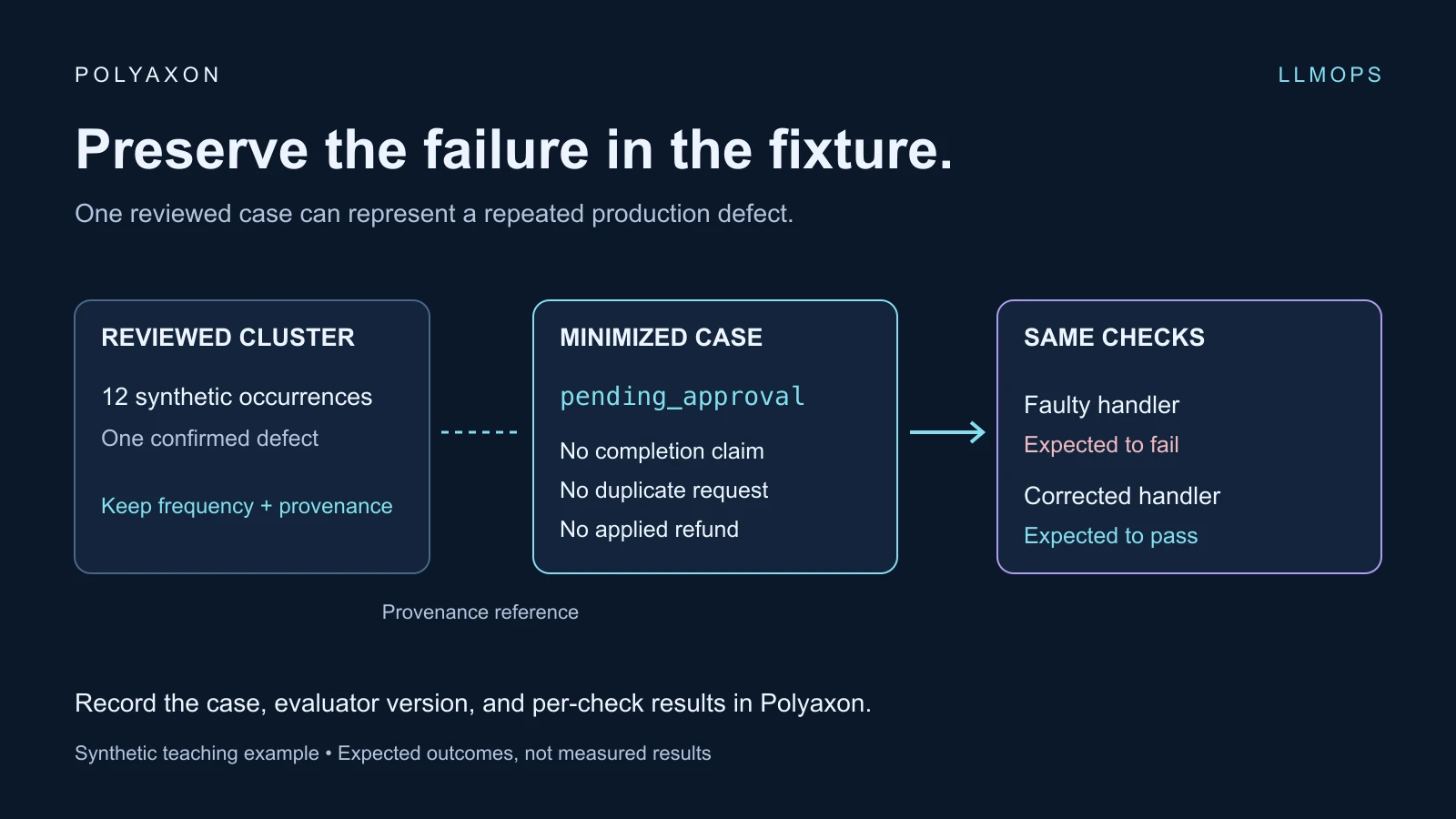
Turn a failure cluster into a reviewed regression case, preserve the causal tool response, and record baseline and candidate checks with Polyaxon.
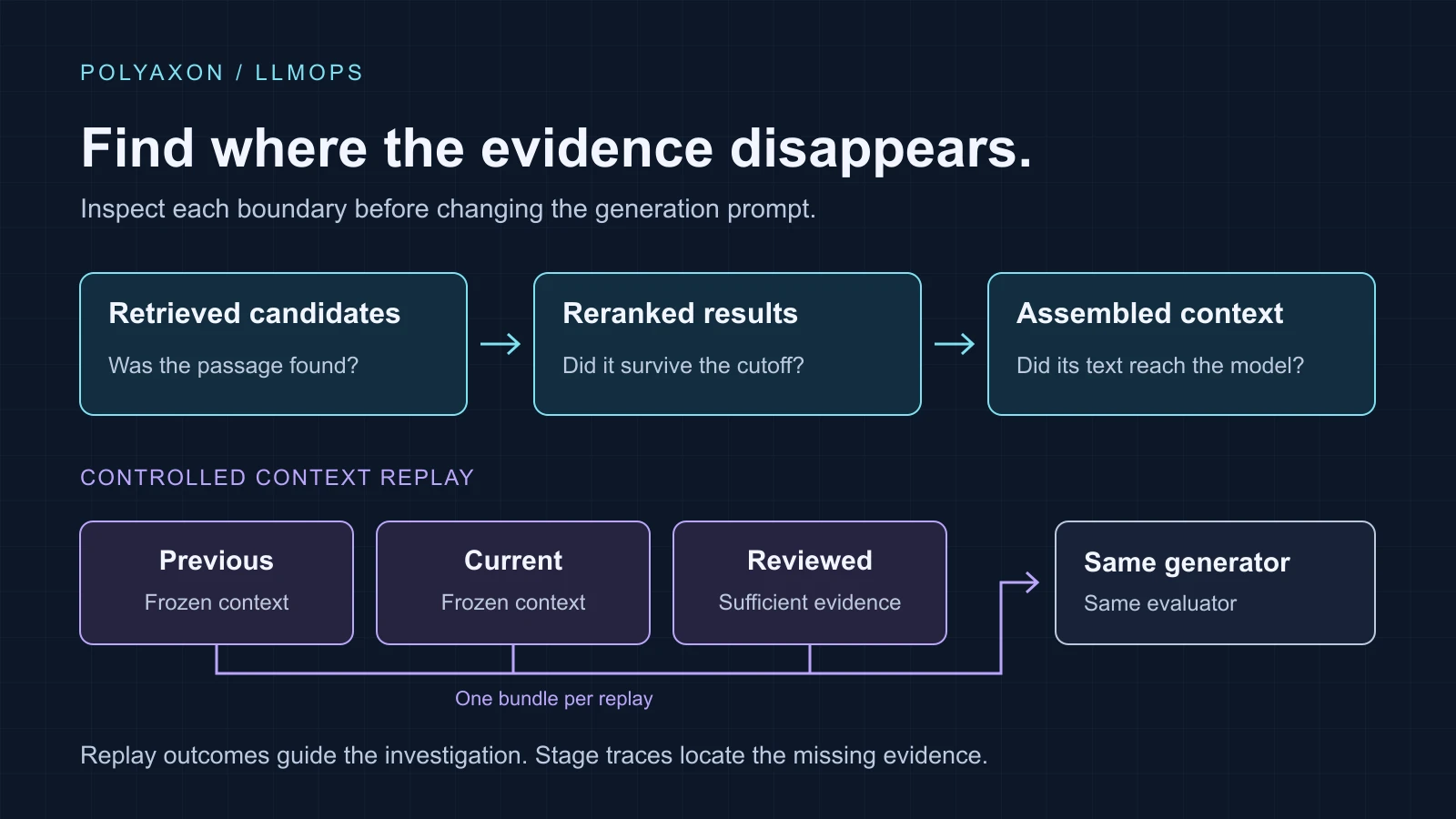
Trace missing evidence through retrieval, reranking, and context assembly, then replay frozen context in Polyaxon to locate a RAG regression.
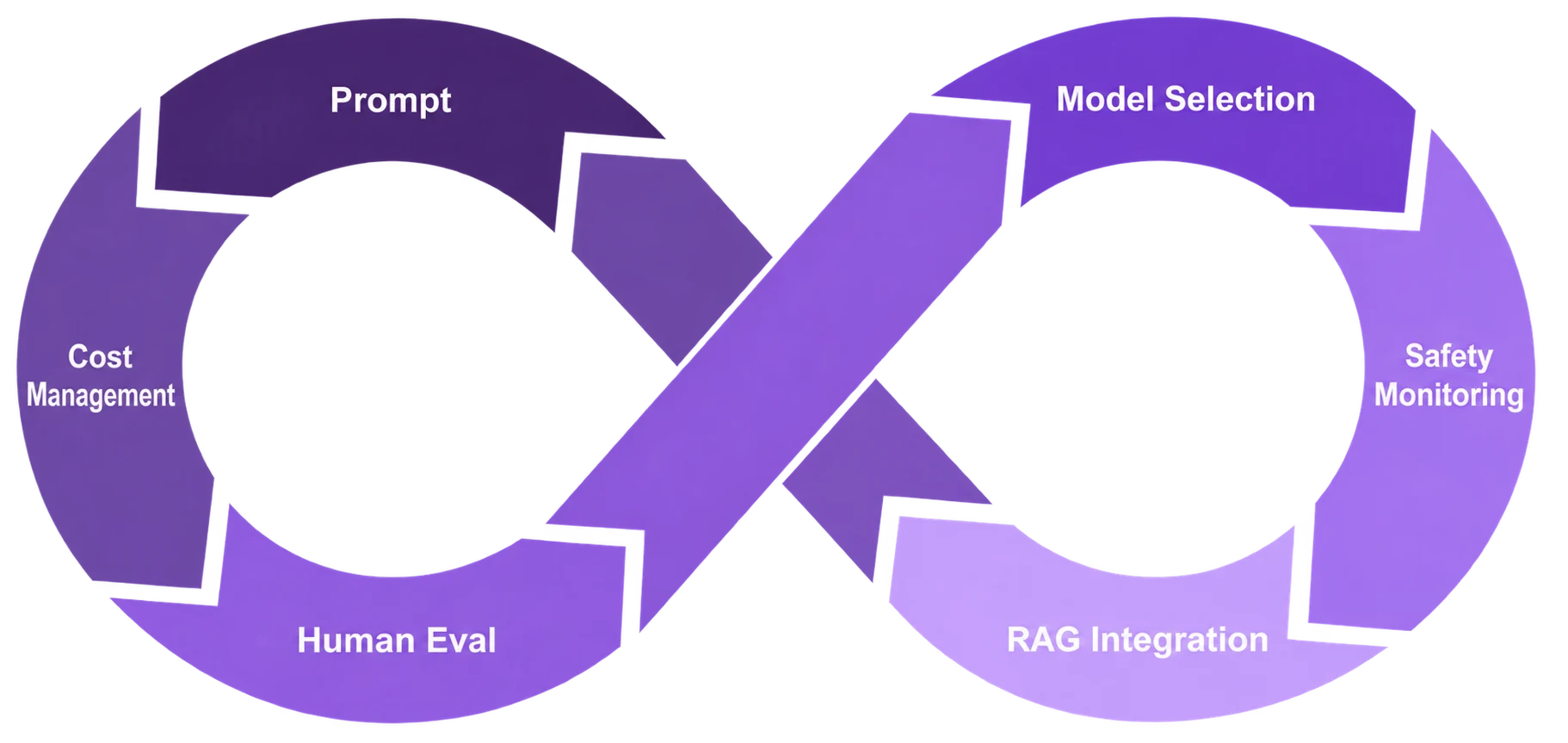
LLMOps applies repeatable development, evaluation, deployment, and observability practices to production LLM applications and AI agents.
Configure a DeepSeek V4 Pro service on B200 GPUs and check model loading, reasoning output, tool calls, and resource use.
Use Polyaxon tracking, sandbox execution receipts, artifacts, and run comparison to investigate coding-agent failures and qualify changes.
Use Polyaxon component versions, evaluation runs, pipeline dependencies, manual approval, and scoped execution to make agent releases reviewable.
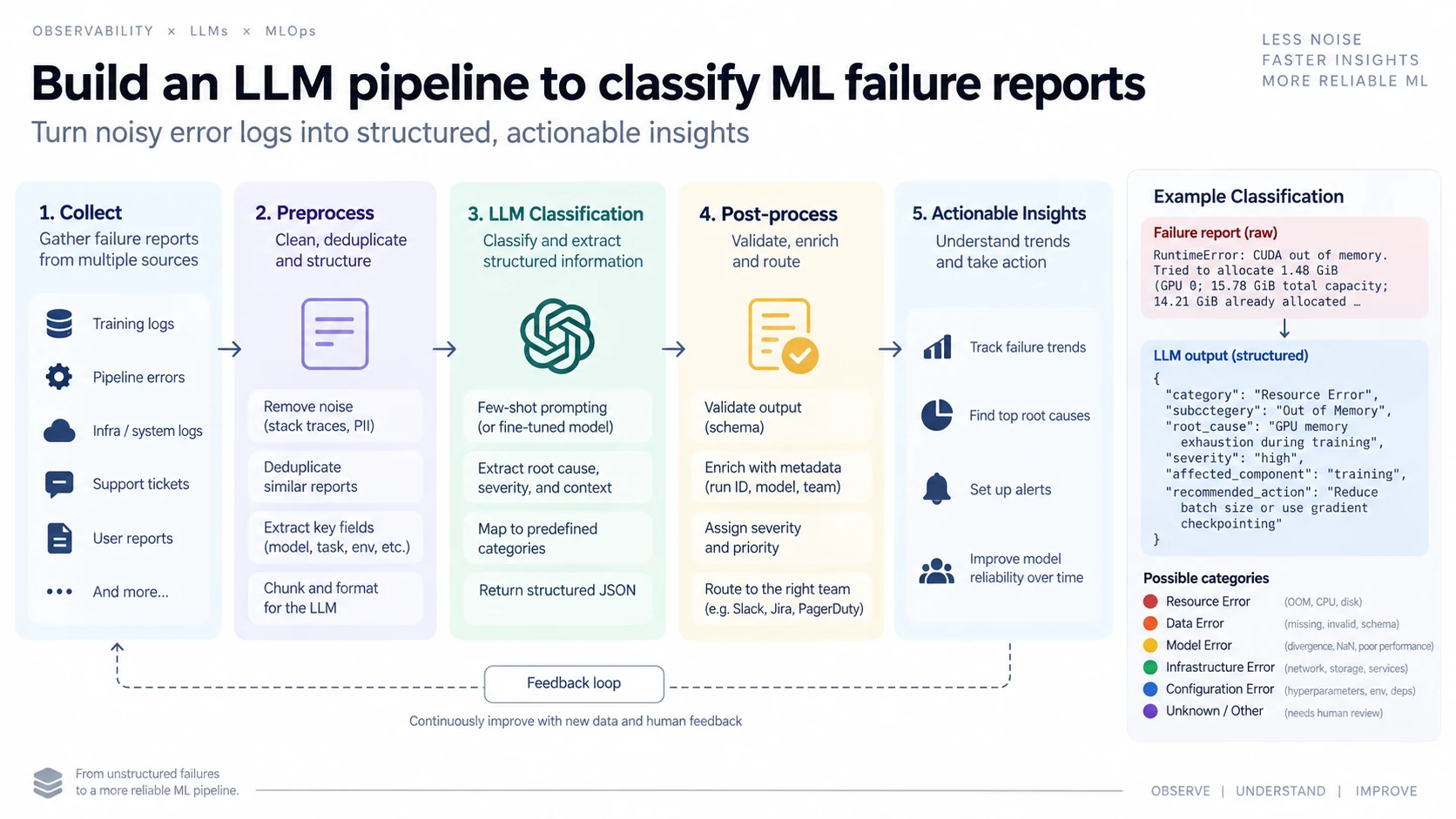
Use Polyaxon DAGs, tracked outputs, artifacts, and run comparison to develop a reviewable classifier for ML workload failure reports.
Use Polyaxon components, matrices, tracking, and run comparisons to evaluate serverless model APIs against dedicated inference services on quality, latency, and cost.
Deploy Qwen3.6-27B with SGLang, then check the model's API behavior, memory use, and response quality before sending it production traffic.

Use Polyaxon runs, versioned components, grid searches, case artifacts, and comparison views to qualify zero-shot prompts for production ML workflows.
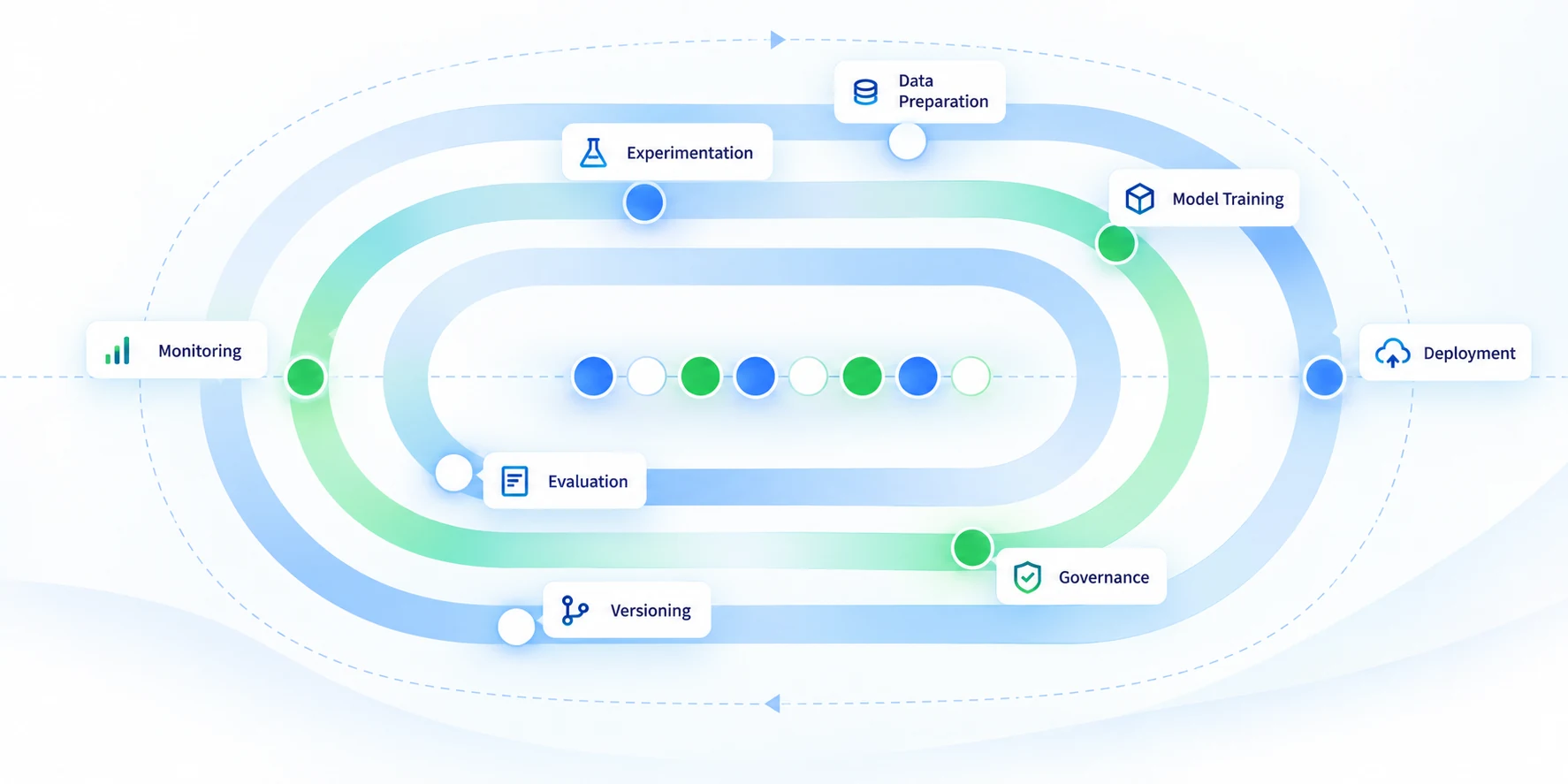
Configure Polyaxon workload credentials, service accounts, connections, and artifact handling while protecting LLM data across providers, caches, and evaluation.

Use Polyaxon run queries, comparison dashboards, artifact reports, and lineage to preserve the evidence behind LLM engineering decisions.
Track usage and pricing assumptions in Polyaxon, compare cost against quality in run dashboards, and control resources and concurrency during LLM experiments.
Map LLM agent reasoning, tools, execution, evaluation, and release workflows to Polyaxon services, sandboxes, jobs, components, and DAGs.

Assess LLMOps practices using Polyaxon run evidence: versioned components, comparison reports, artifact lineage, scheduling presets, and release approvals.

Compare lexical, dense, and hybrid retrieval with a Polyaxon grid search, then inspect ranking quality, answer evidence, latency, and recommendation outcomes.
Build and evaluate versioned RAG indexes with Polyaxon operations, resource configuration, connections, tracked manifests, and case-level reports.