What is OpenTelemetry?
Understand OpenTelemetry signals, APIs, SDKs, semantic conventions, OTLP, the Collector, and how they fit into an ML observability architecture.
ObservabilityMonitoringMLOps
Explore MLOps principles, experiment tracking, metadata, and reproducible machine learning workflows with practical Polyaxon guides.
Page 3 of 4
Understand OpenTelemetry signals, APIs, SDKs, semantic conventions, OTLP, the Collector, and how they fit into an ML observability architecture.
Decide whether a service mesh fits your ML platform, then design traffic policy, identity, observability, rollout, and failure behavior deliberately.
Use GitHub Actions to validate and submit traceable AI, ML, and agent workloads to Polyaxon without turning CI runners into training infrastructure.
Choose between one Kubernetes cluster and multiple clusters using isolation, failure domains, data locality, accelerator access, operations, and cost.
Design Redis on Kubernetes around workload semantics, persistence, topology, memory, security, recovery, and observable operation for ML systems.
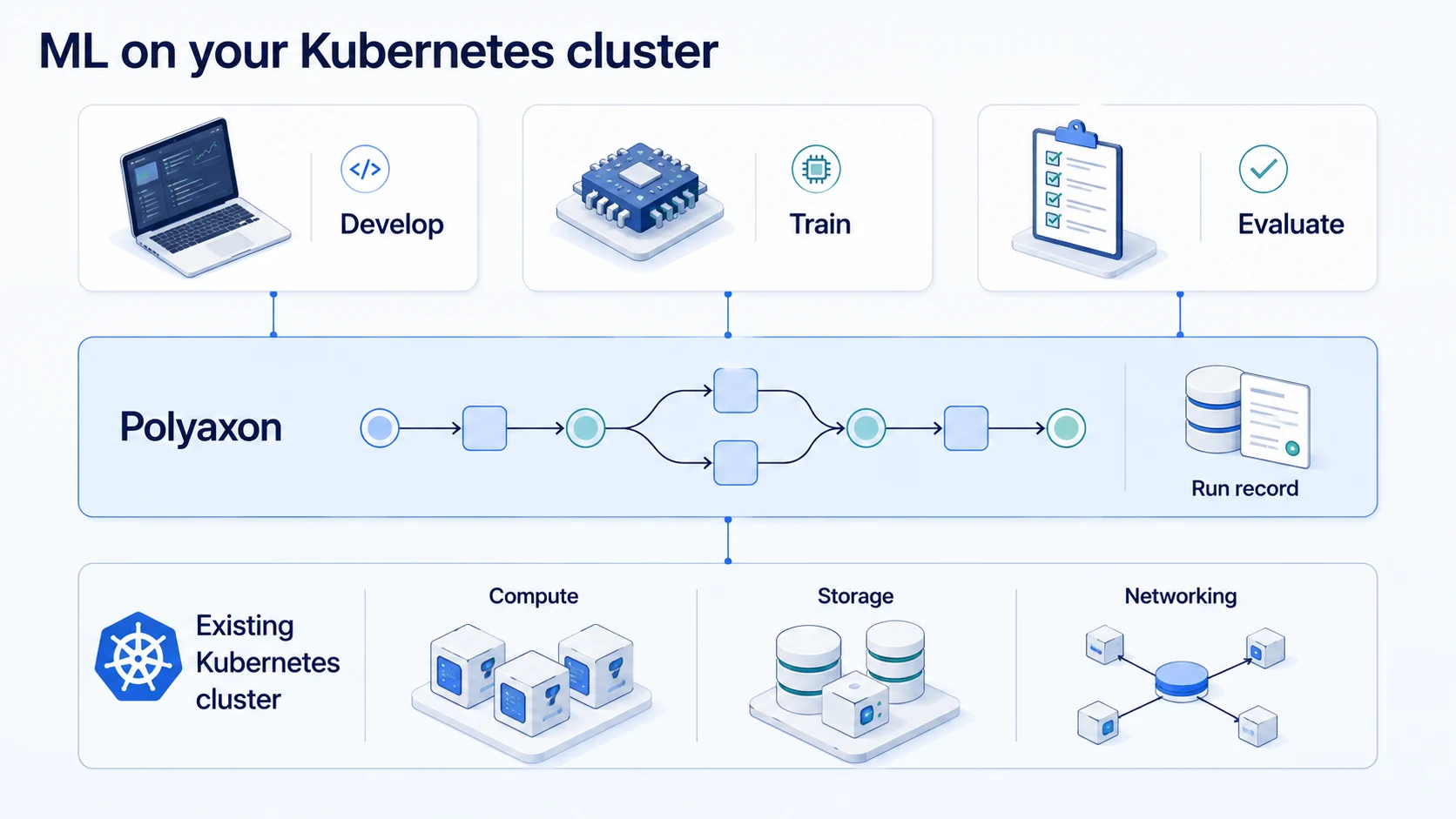
Decide whether Kubernetes fits your ML platform, then migrate workload contracts, storage, scheduling, security, and operations in controlled stages.
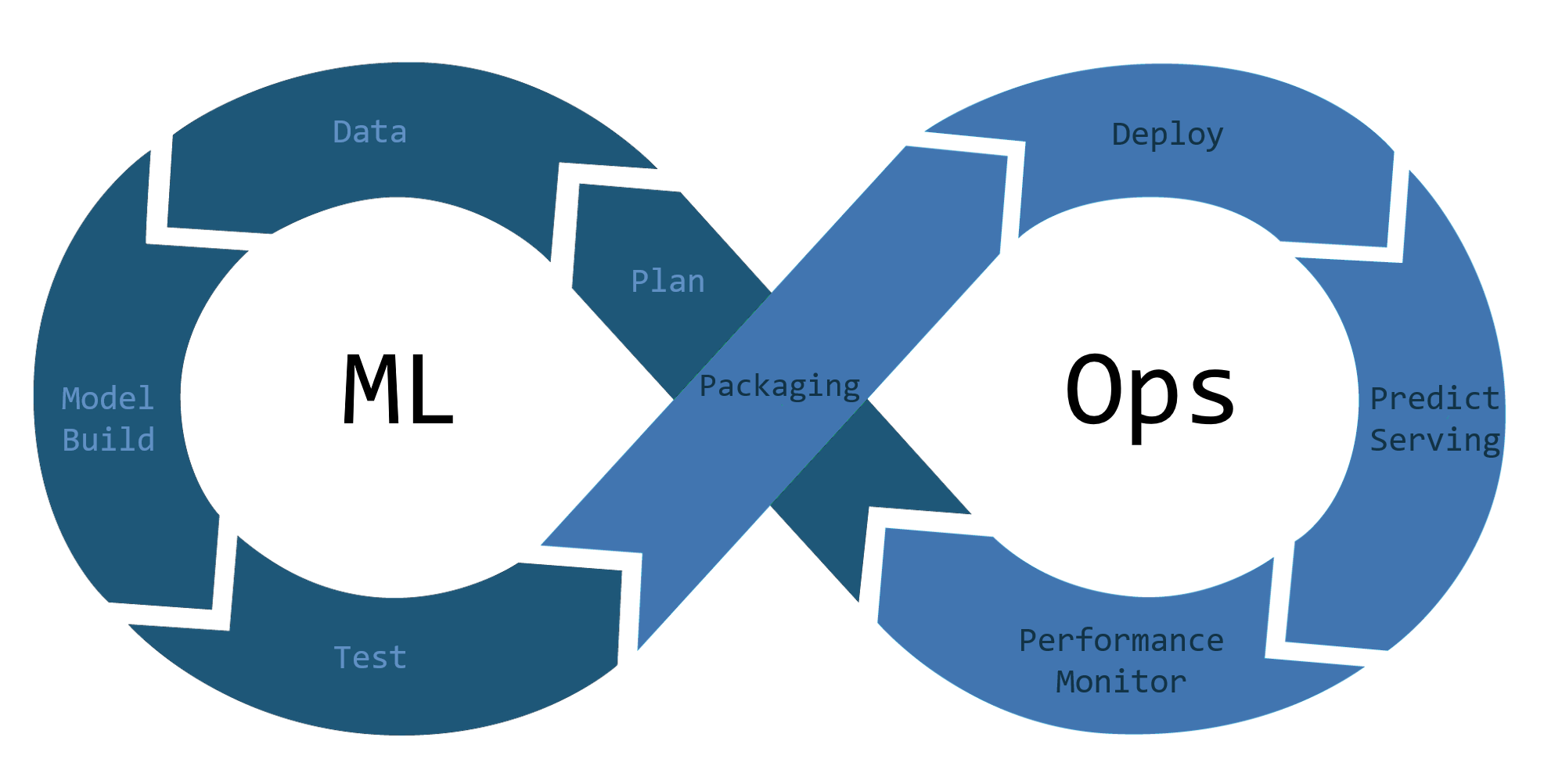
Data-centric AI can improve model quality, but it does not replace the operational discipline needed to run machine learning systems.
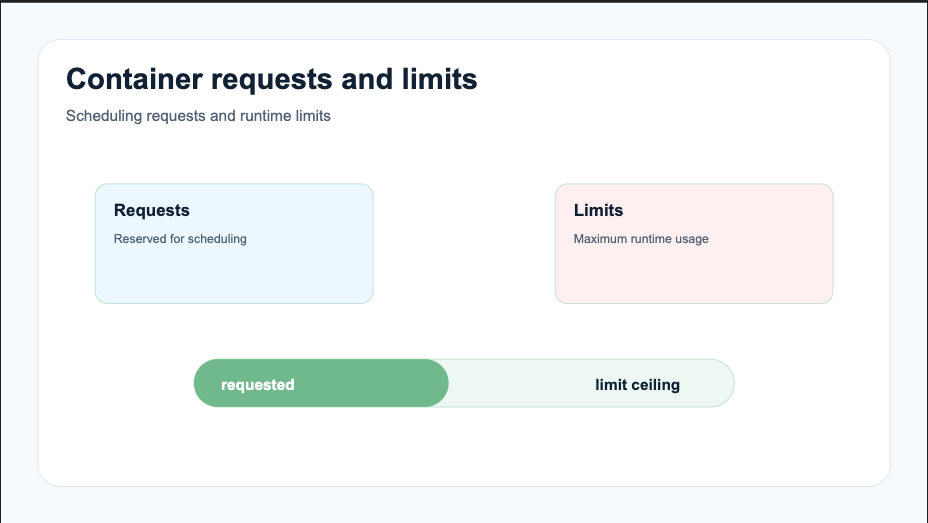
Set CPU, memory, ephemeral-storage, and GPU resources from measured ML workload behavior while preserving scheduling efficiency and reliability.
Diagnose container memory limits, node pressure, application allocation, and ML data-loading behavior before changing Kubernetes resources.
Distinguish node-pressure, API-initiated, preemption, and node-failure disruptions, then design ML workloads to recover safely.
Metrics alone do not explain model behavior. Teams need artifacts, samples, images, logs, and lineage tied to each training run.
Protect ML credentials with encryption, least-privilege access, workload identity, controlled delivery, rotation, and Polyaxon connections.
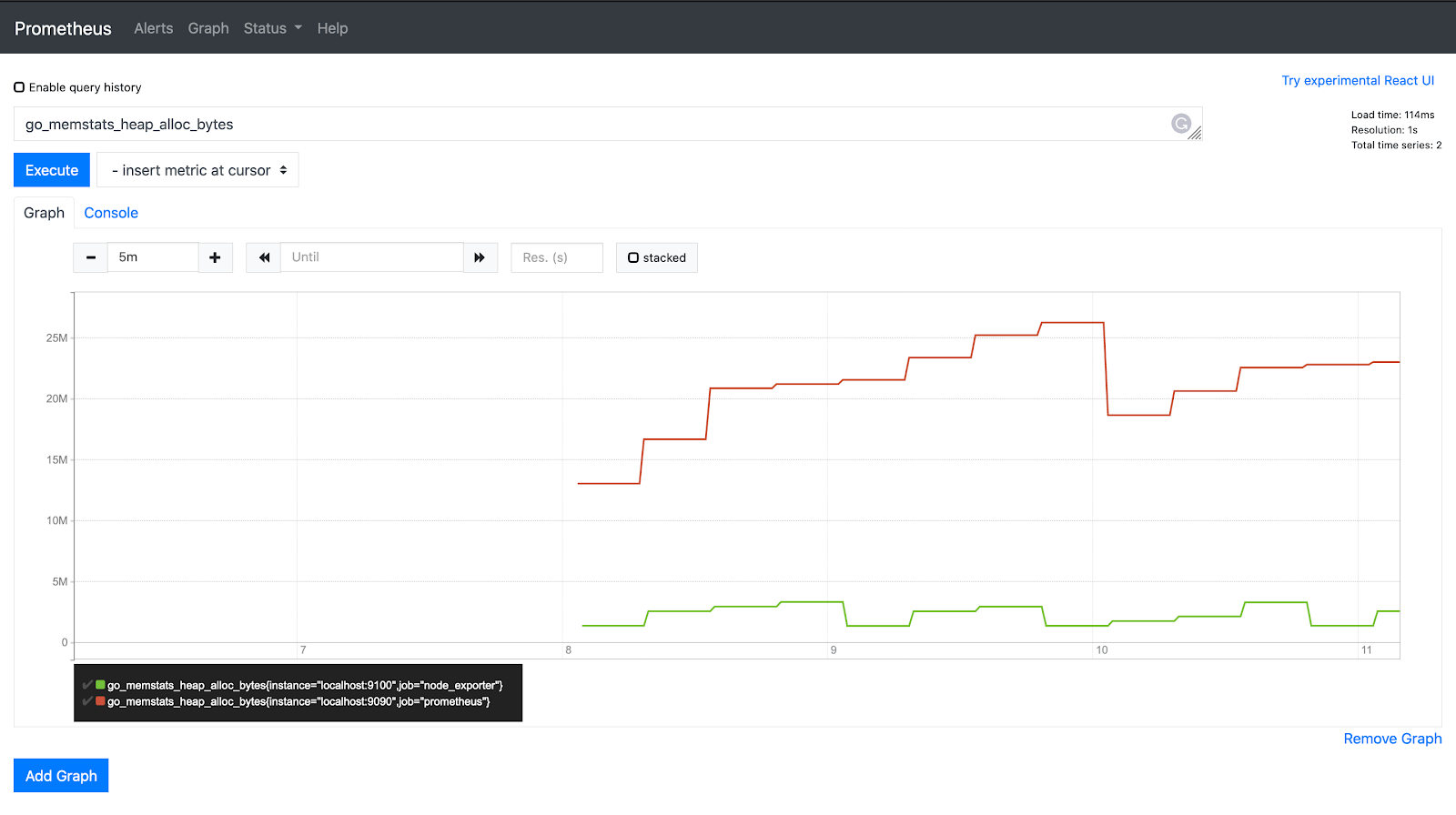
Use practical PromQL patterns for Kubernetes capacity, workload reliability, latency, and ML operations while controlling cardinality.
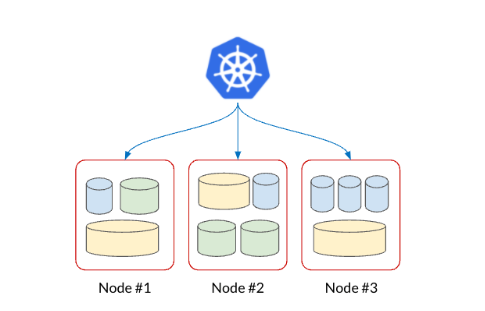
Evaluate database placement for ML platforms across operational ownership, storage, availability, recovery, upgrades, security, and performance.
Design labels, selectors, and annotations that connect Kubernetes resources to ML ownership and operations without breaking controllers or metrics.
Design actionable Kubernetes alerts for ML services, batch operations, shared capacity, and the monitoring pipeline itself.
Learn the Kubernetes control model, core workload and infrastructure objects, and the capabilities an ML platform must add above the cluster.
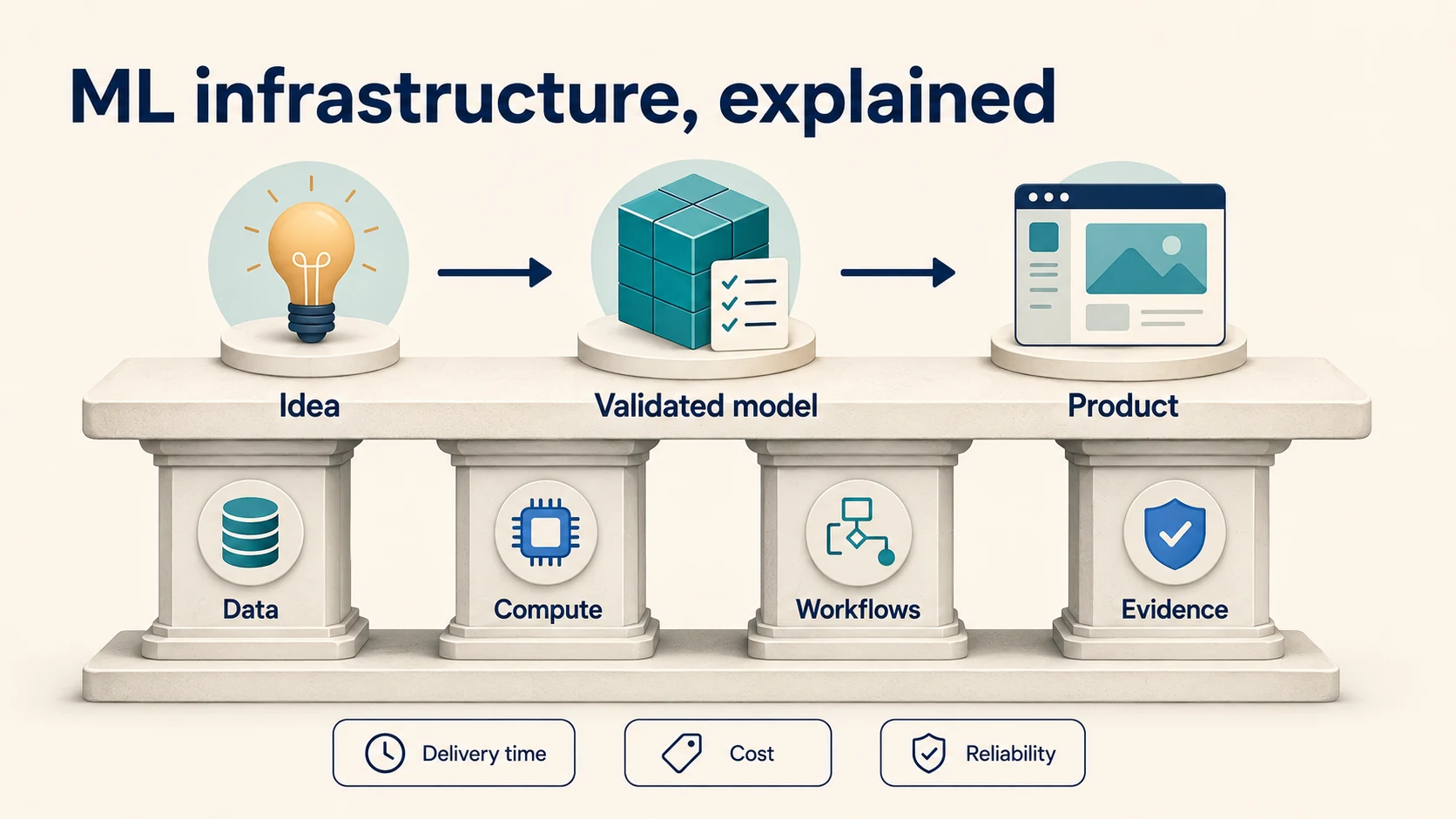
Plan enterprise AI platforms around measurable outcomes, heterogeneous compute, durable agents, cost per successful task, and continuous governance.
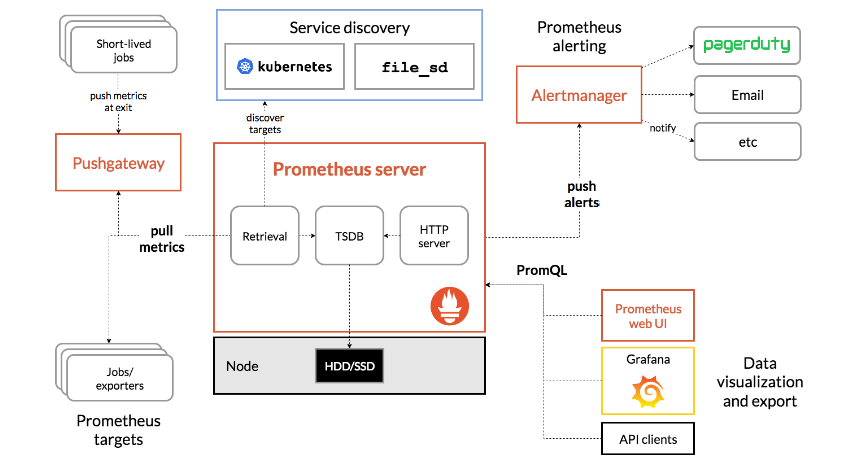
Build a useful Prometheus monitoring model across Kubernetes objects, nodes, containers, applications, and ML operations without uncontrolled cardinality.
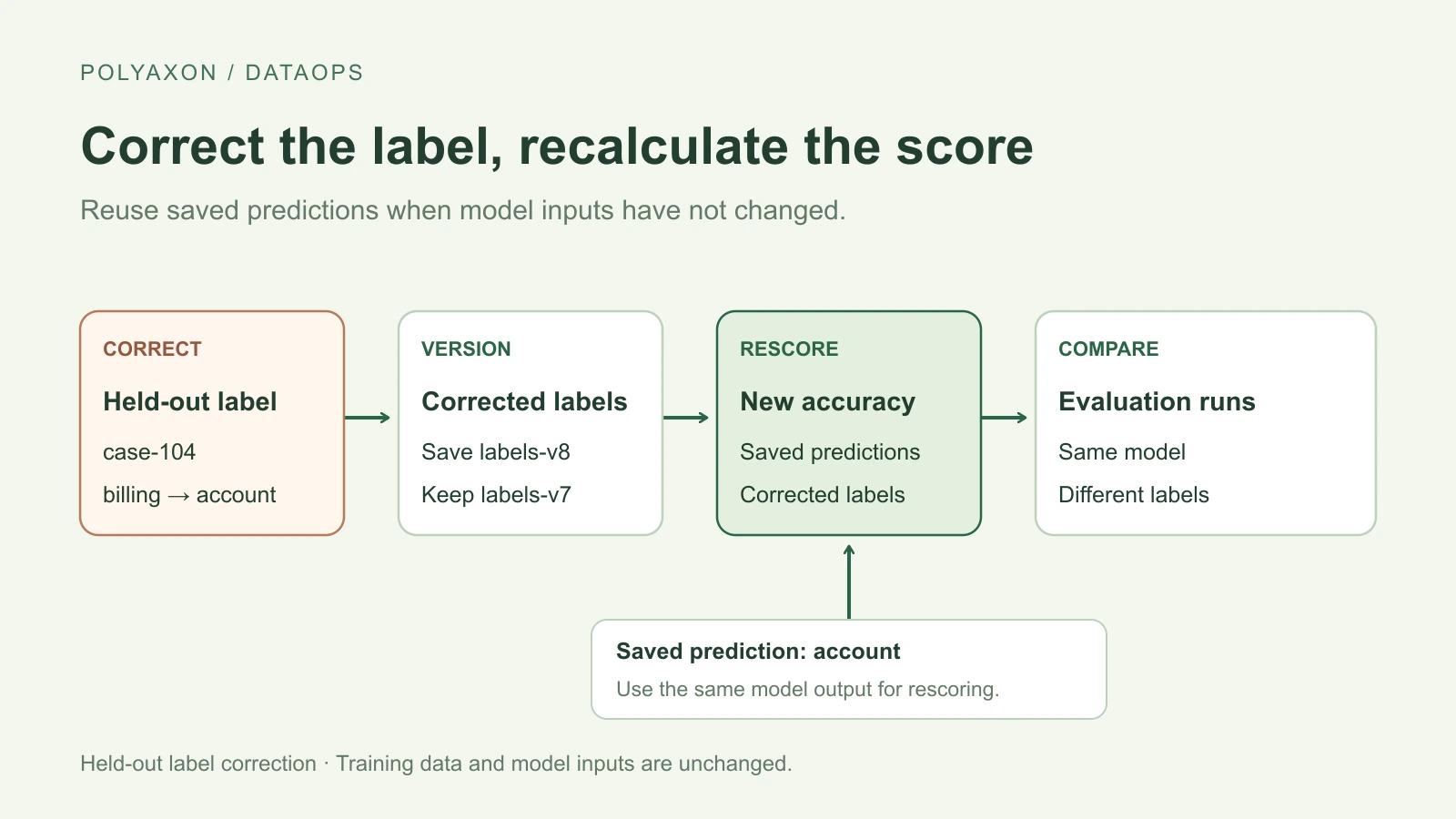
Keep corrected labels as a new dataset version, reuse predictions when model inputs are unchanged, and compare evaluation runs in Polyaxon.
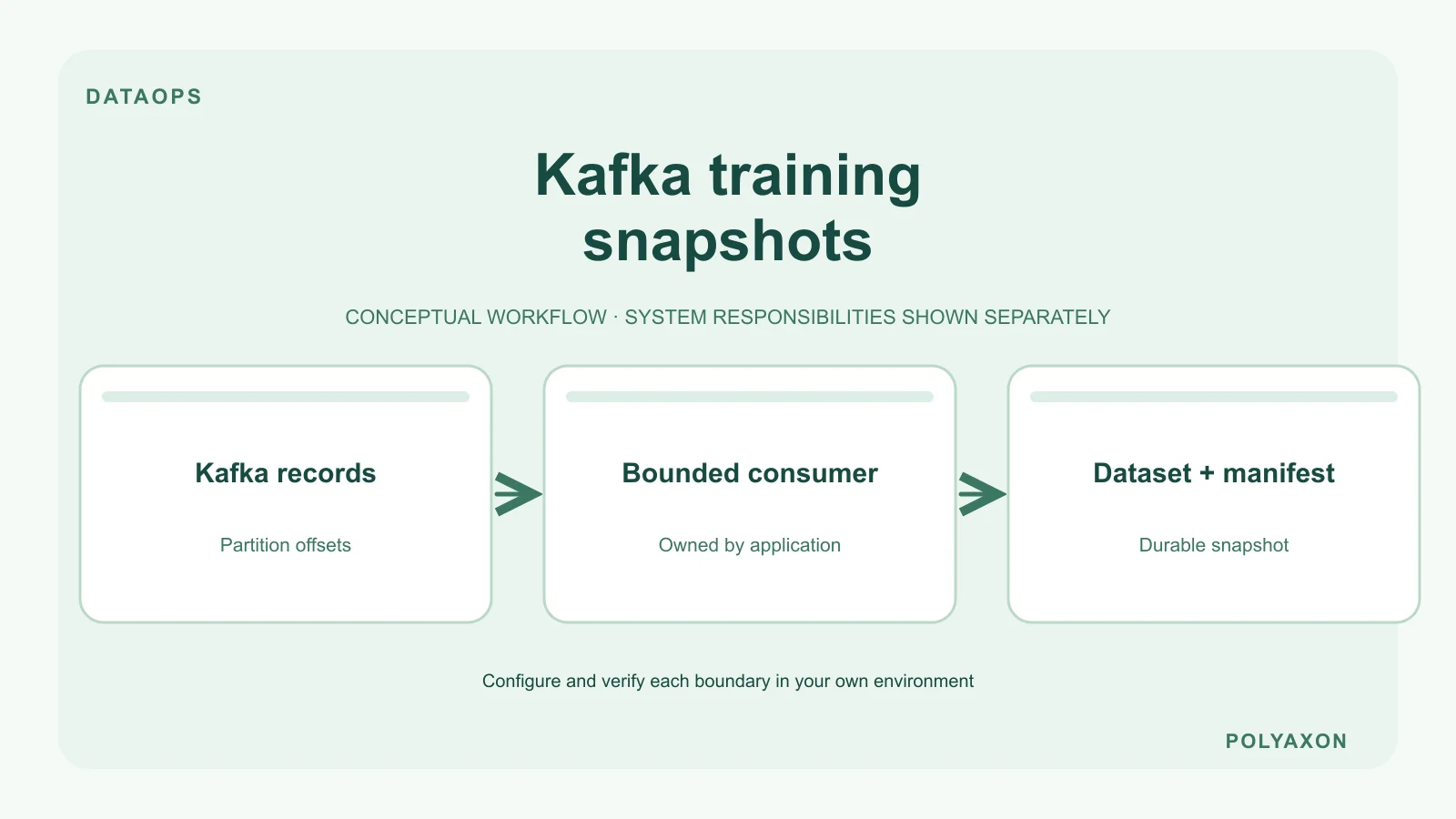
Define a bounded Kafka record window, preserve its output and offset manifest, and run the snapshot job on Polyaxon.
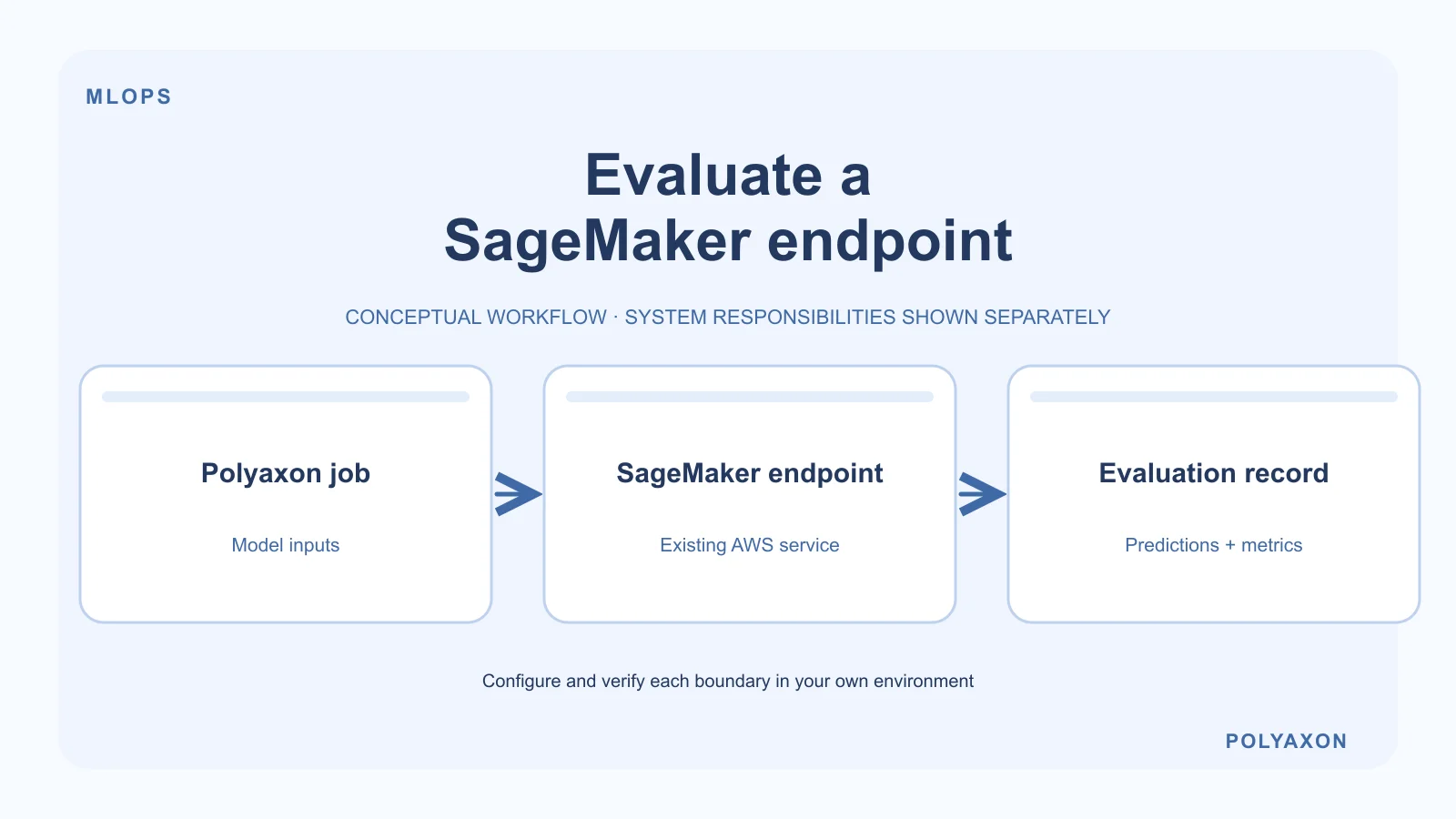
Call an existing SageMaker endpoint from a Polyaxon job and retain model-specific predictions and evaluation results.
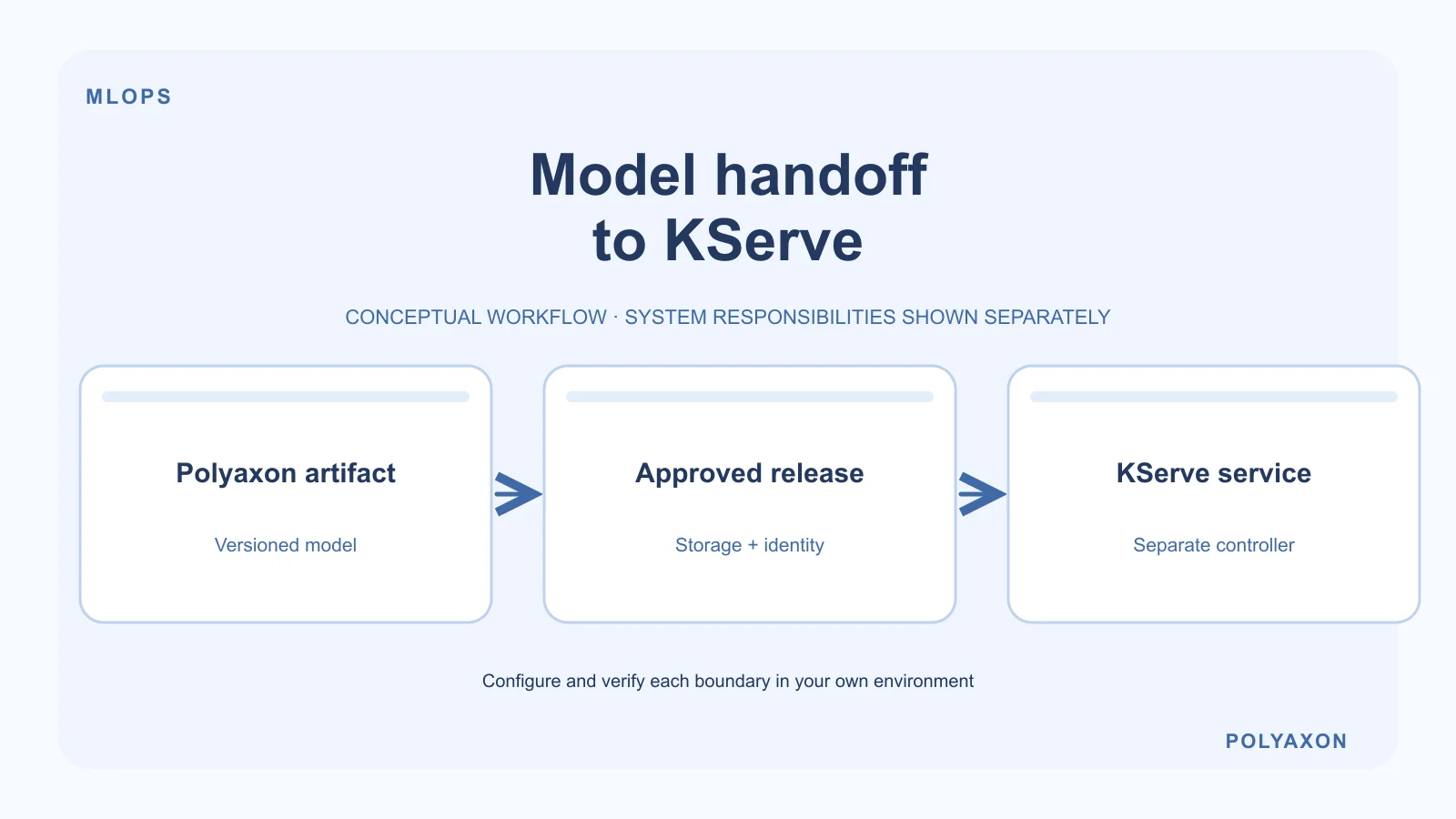
Move an approved model artifact from a Polyaxon run to a separately managed KServe InferenceService.
Control multi-cloud ML spending with normalized allocation, workload unit economics, placement policies, elastic capacity, and reproducible efficiency measurements.