Make a Kubernetes platform ready for AI workloads
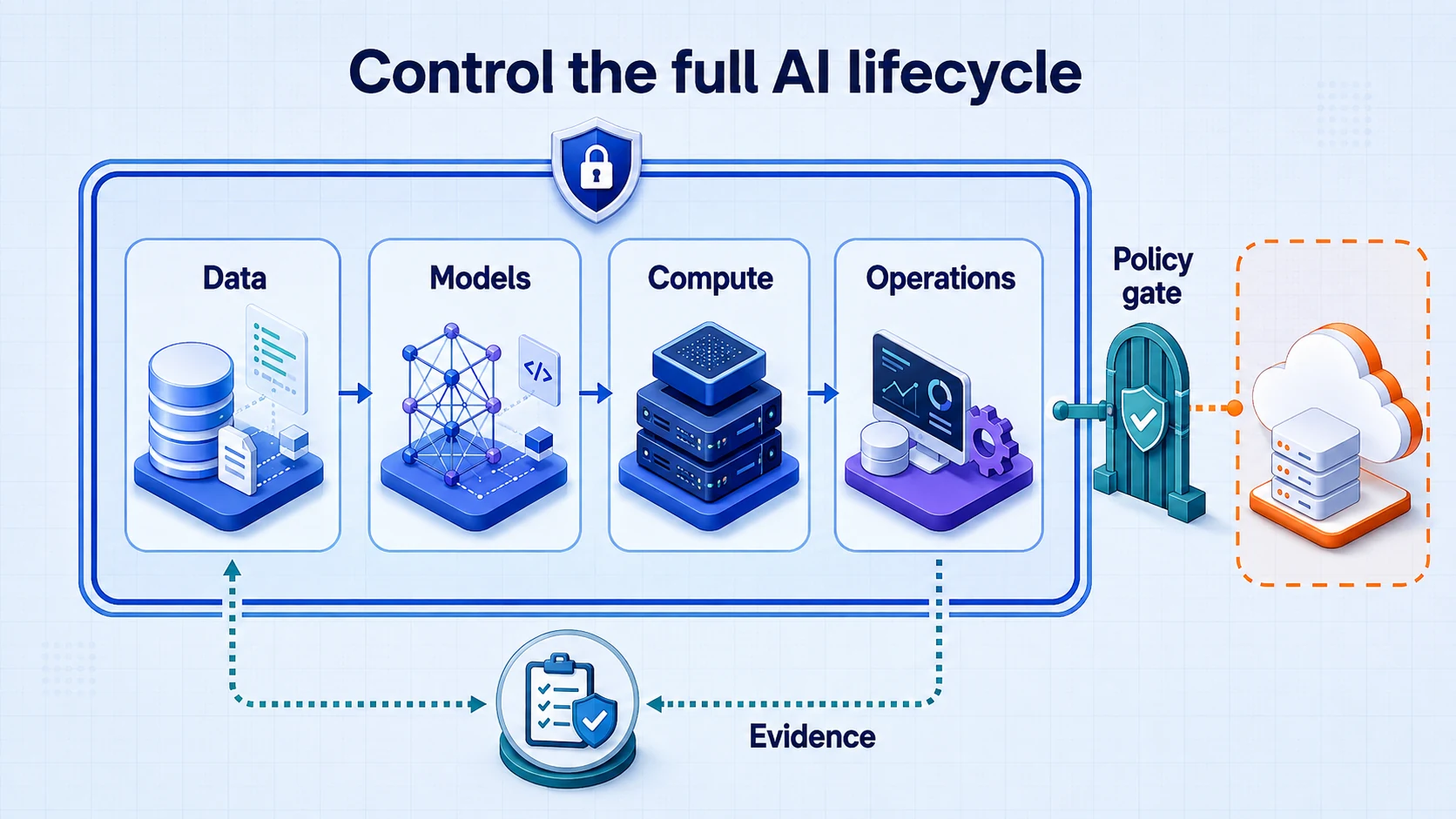
Assess and close the gaps in accelerator access, batch scheduling, inference, data, identity, observability, cost, and ownership before AI workloads scale on Kubernetes.
Explore MLOps principles, experiment tracking, metadata, and reproducible machine learning workflows with practical Polyaxon guides.
Page 2 of 4

Assess and close the gaps in accelerator access, batch scheduling, inference, data, identity, observability, cost, and ownership before AI workloads scale on Kubernetes.

Evaluate whether Kubernetes provides enough scheduling, isolation, portability, and operational leverage to justify its complexity for ML workloads.

Use Hadolint to catch Dockerfile problems early while keeping base-image policy, dependency pinning, security scanning, and runtime validation separate.

Build a coding assistant around Polyaxon run queries, sandbox commands, component versions, and reviewable operations that preserve project context and execution evidence.

ML observability connects logs, metrics, artifacts, infrastructure signals, and model behavior so teams can debug training and serving systems.

Diagnose AI platform bottlenecks across ownership, integration, delivery, infrastructure, feedback, and skills, then improve the highest-leverage constraint first.

Evaluate managed Kubernetes services for ML using responsibility, GPUs, networking, storage, identity, observability, cost, and portability.

Design OpenTelemetry Collector pipelines for ML services with clear receivers, processors, exporters, deployment patterns, and failure controls.

Build layered Amazon EKS monitoring for control-plane activity, Kubernetes state, nodes, GPUs, applications, ML runs, and telemetry health.

Learn what Pods provide, what they do not preserve, and how to design resources, lifecycle, sidecars, storage, and debugging for ML workloads.

Translate sovereignty, privacy, audit, resilience, and approval requirements into an operable AI platform for government and regulated workloads.

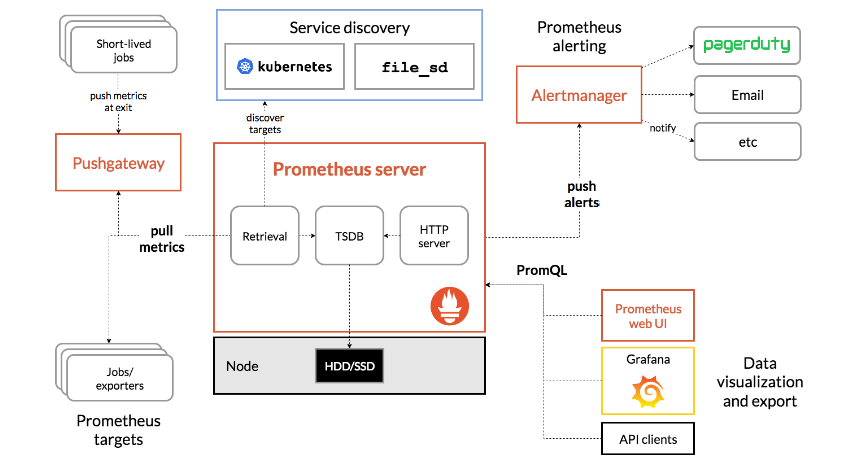
Design Prometheus alerts and Alertmanager routing for ML platforms without noisy pages, missing owners, or unsafe high-cardinality labels.

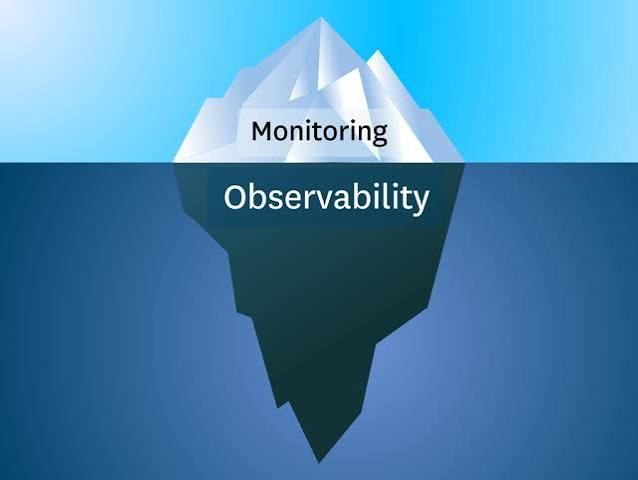
Separate monitoring from observability, then combine metrics, logs, traces, run context, and model evaluation into an effective ML operating model.

Decide between managed and self-operated Prometheus using scale, availability, PromQL compatibility, data governance, cost, and operational ownership.

Debug ML workloads by following Kubernetes admission, scheduling, Pod startup, containers, nodes, networking, storage, and application outcomes in order.

Use OpenTelemetry automatic instrumentation as a safe baseline, then add domain spans, stable attributes, sampling, and rollout controls for ML services.

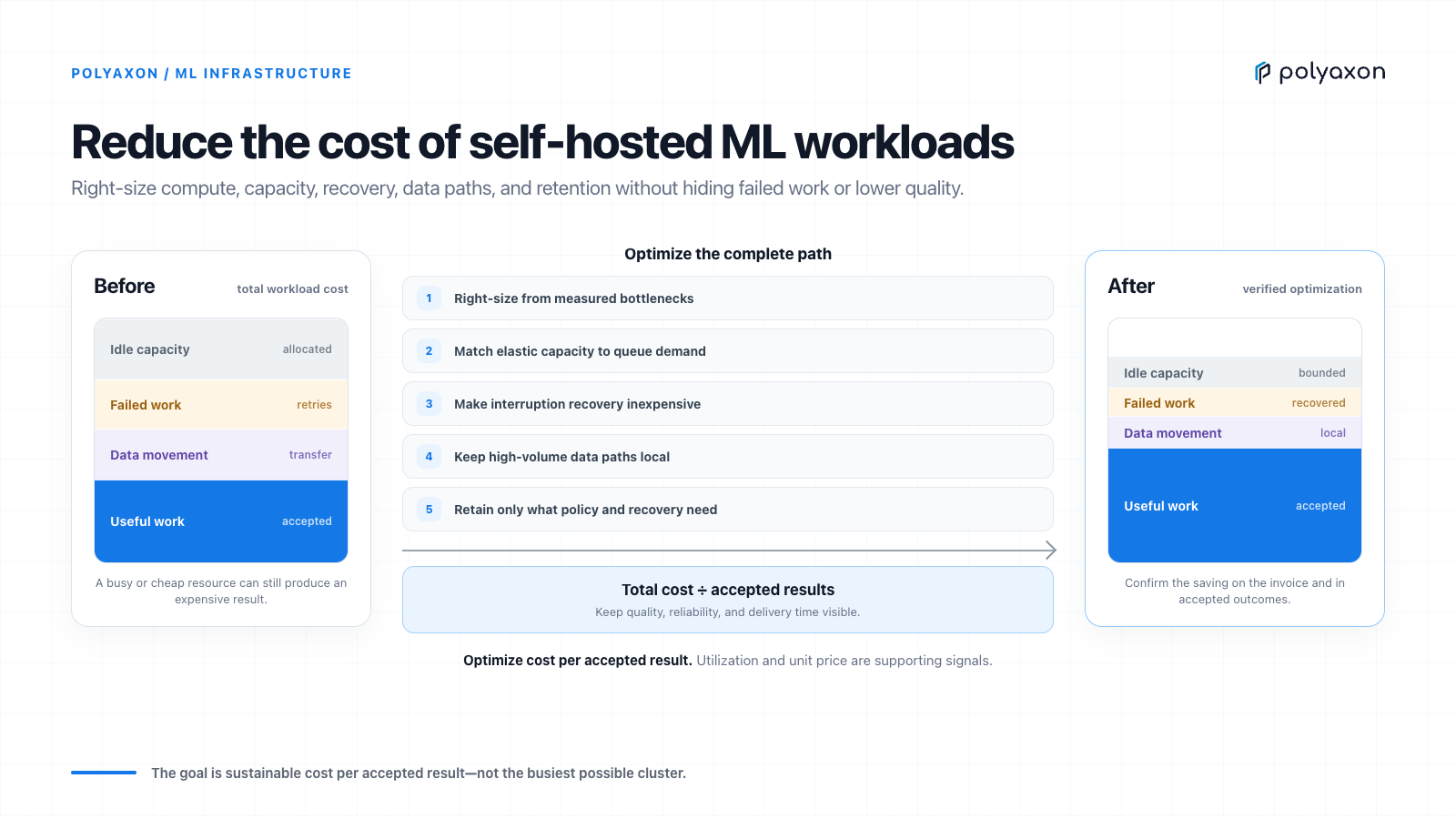
Allocate Kubernetes and GPU costs to ML teams and runs while keeping idle capacity, shared services, failed work, data movement, and useful outcomes visible.

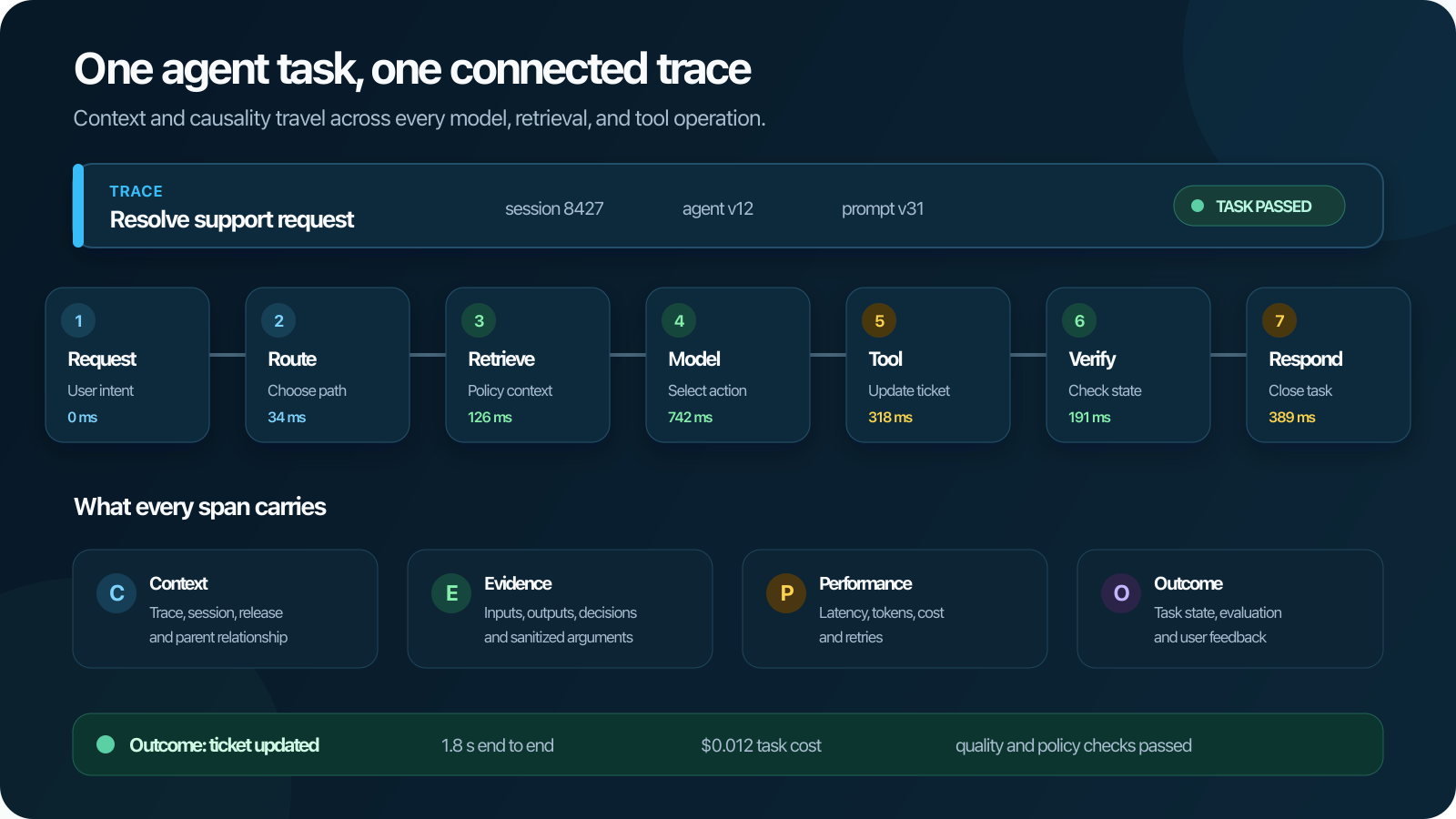
Trace ML requests and operations across APIs, queues, schedulers, storage, model services, and external tools without losing context or causality.

Use built-in admission, policies, and webhooks to enforce safe ML workload defaults without adding unnecessary latency or a cluster-wide failure point.

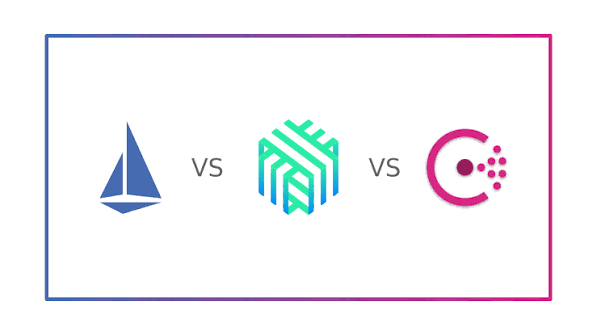
Compare Istio, Linkerd, and Consul service mesh architectures by workload scope, traffic policy, identity, observability, operations, and ML fit.

Build container image scanning into ML delivery with digest pinning, SBOMs, provenance, policy, remediation ownership, and runtime controls.

Instrument Java and Spring ML services with the OpenTelemetry agent, SDK, OTLP, domain spans, stable resource identity, and safe rollout controls.

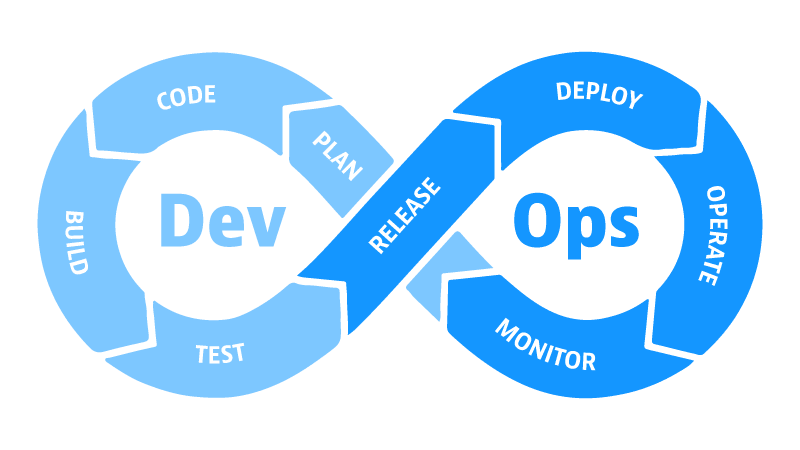
Clarify how DevOps and site reliability engineering complement each other through delivery, service objectives, error budgets, automation, and ML operations.

Assess LLMOps practices using Polyaxon run evidence: versioned components, comparison reports, artifact lineage, scheduling presets, and release approvals.