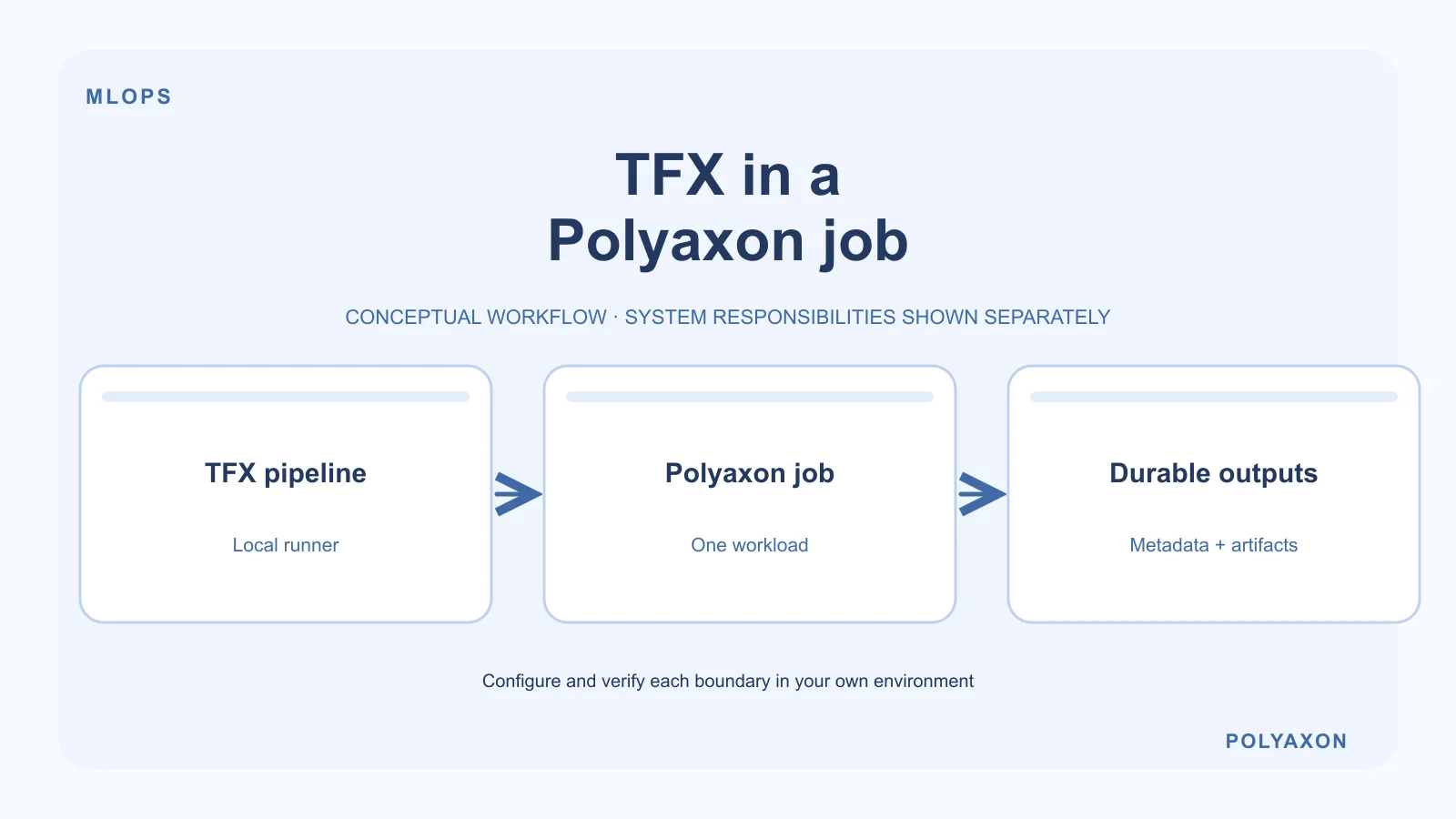
Run an existing TFX pipeline in a Polyaxon job
Wrap a local TensorFlow Extended pipeline in one Polyaxon job while preserving its own metadata and artifacts.
MLOpsTensorFlowPipelines
Explore MLOps principles, experiment tracking, metadata, and reproducible machine learning workflows with practical Polyaxon guides.
Page 4 of 4
Wrap a local TensorFlow Extended pipeline in one Polyaxon job while preserving its own metadata and artifacts.
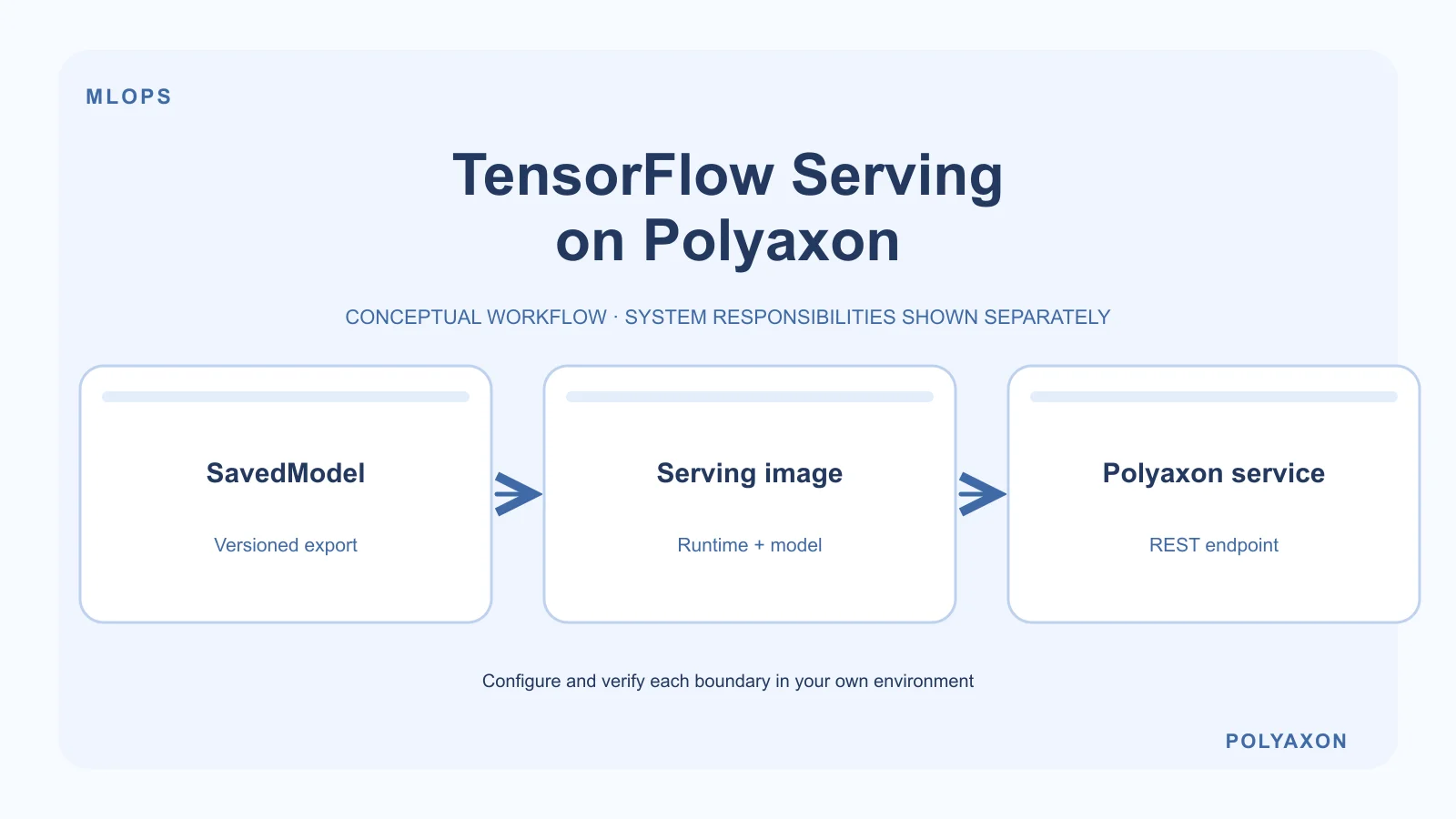
Package a versioned SavedModel with TensorFlow Serving and run its REST endpoint as a Polyaxon service.
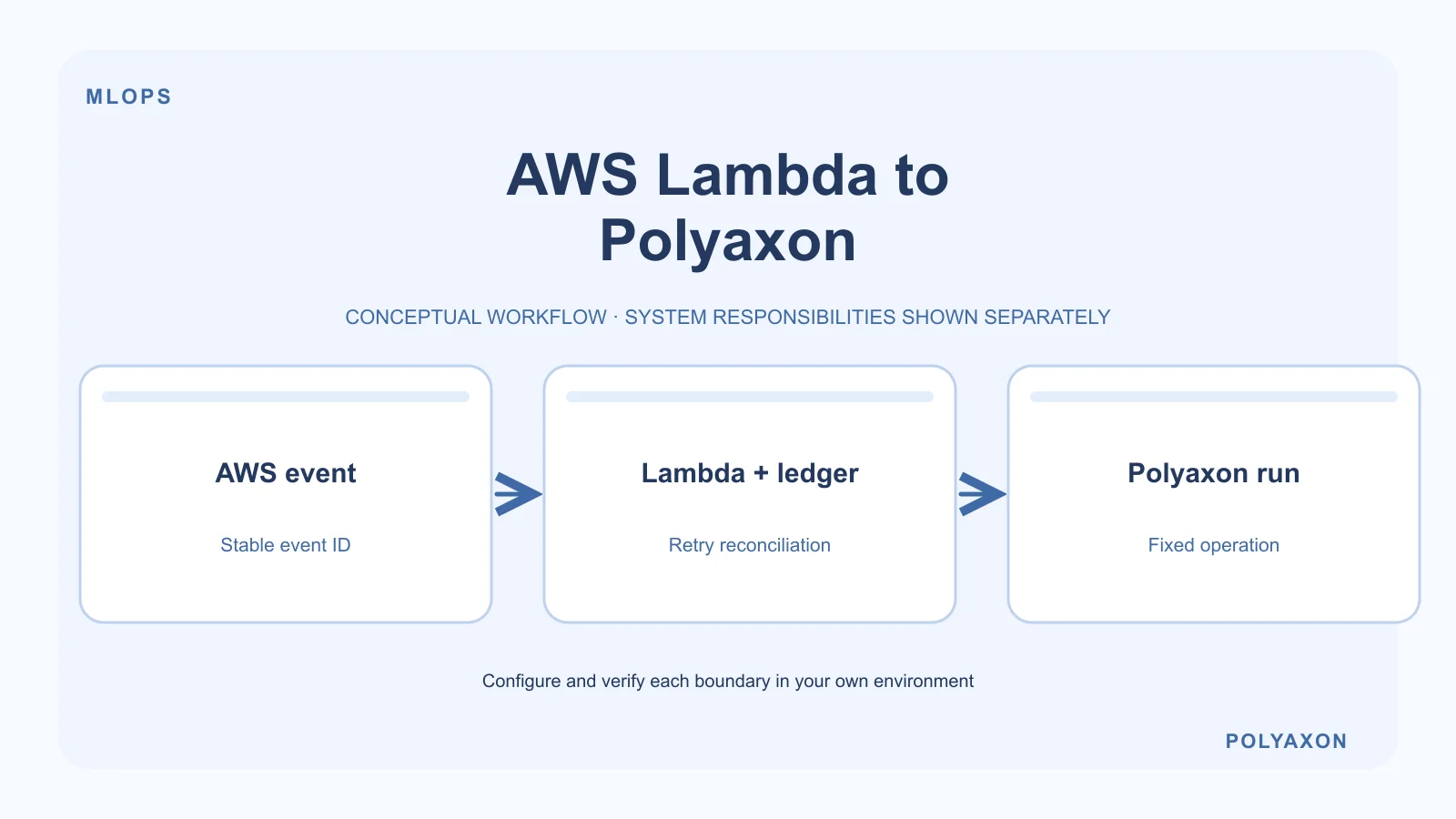
Hand a trusted operation from a short AWS Lambda invocation to Polyaxon while accounting for retries and uncertain responses.
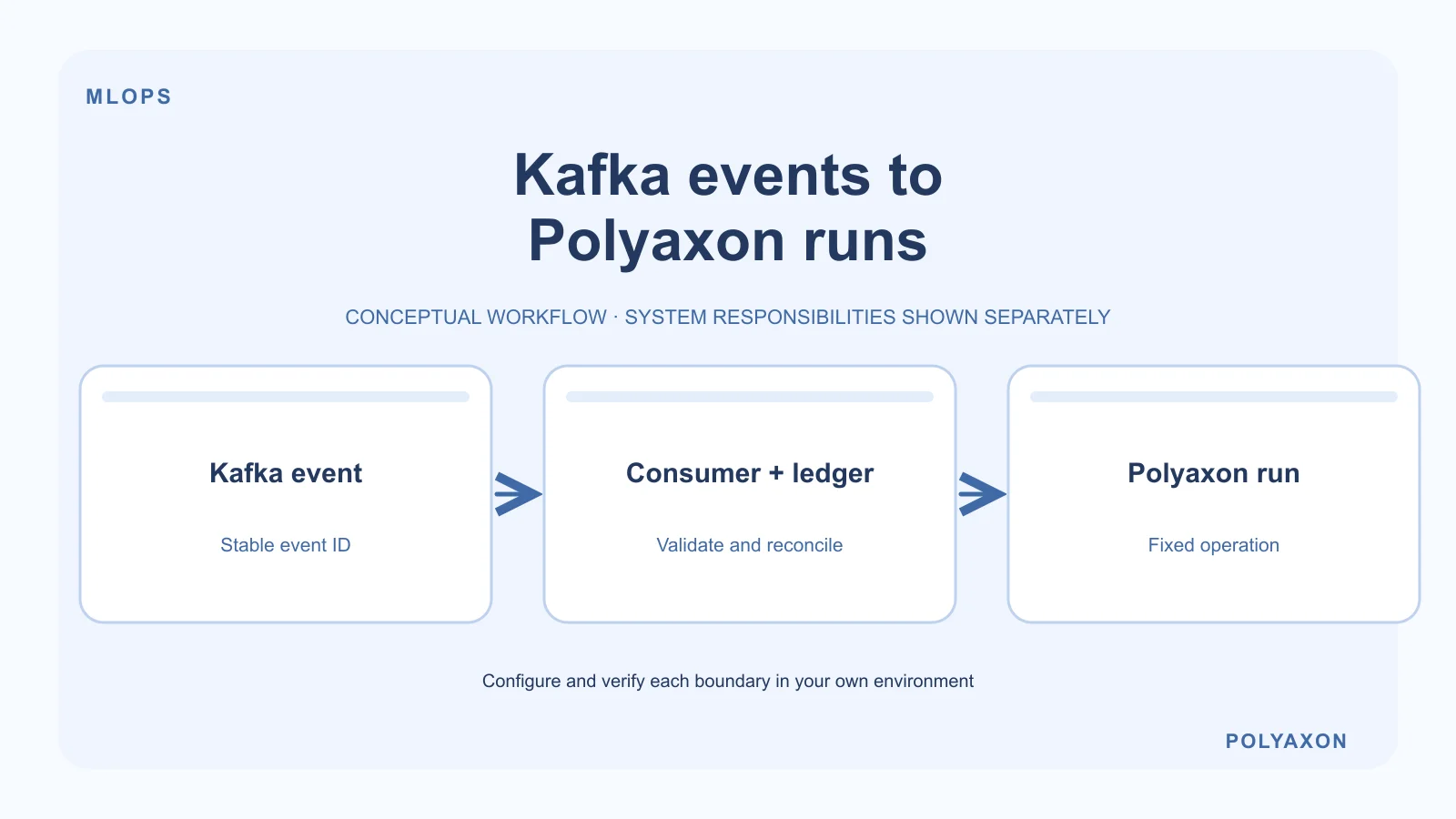
Connect validated Kafka events to fixed Polyaxon operations with a durable submission ledger and replay handling.
Monitor Kubernetes control planes, nodes, containers, schedulers, applications, and ML outcomes with useful correlations and controlled cardinality.
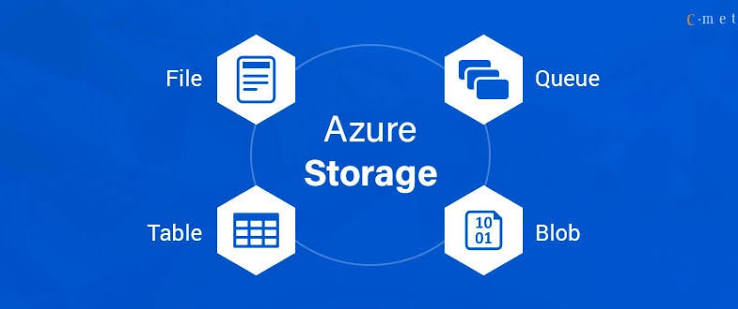
Design Azure Storage accounts for ML datasets and artifacts with clear boundaries, workload identities, network controls, lifecycle rules, and recovery tests.
Evaluate Datadog and AppDynamics against application transactions, Kubernetes infrastructure, ML workflows, telemetry governance, and operating cost.
Compare Datadog and New Relic for Kubernetes-based ML workloads using telemetry coverage, workflow context, investigation speed, governance, and cost.
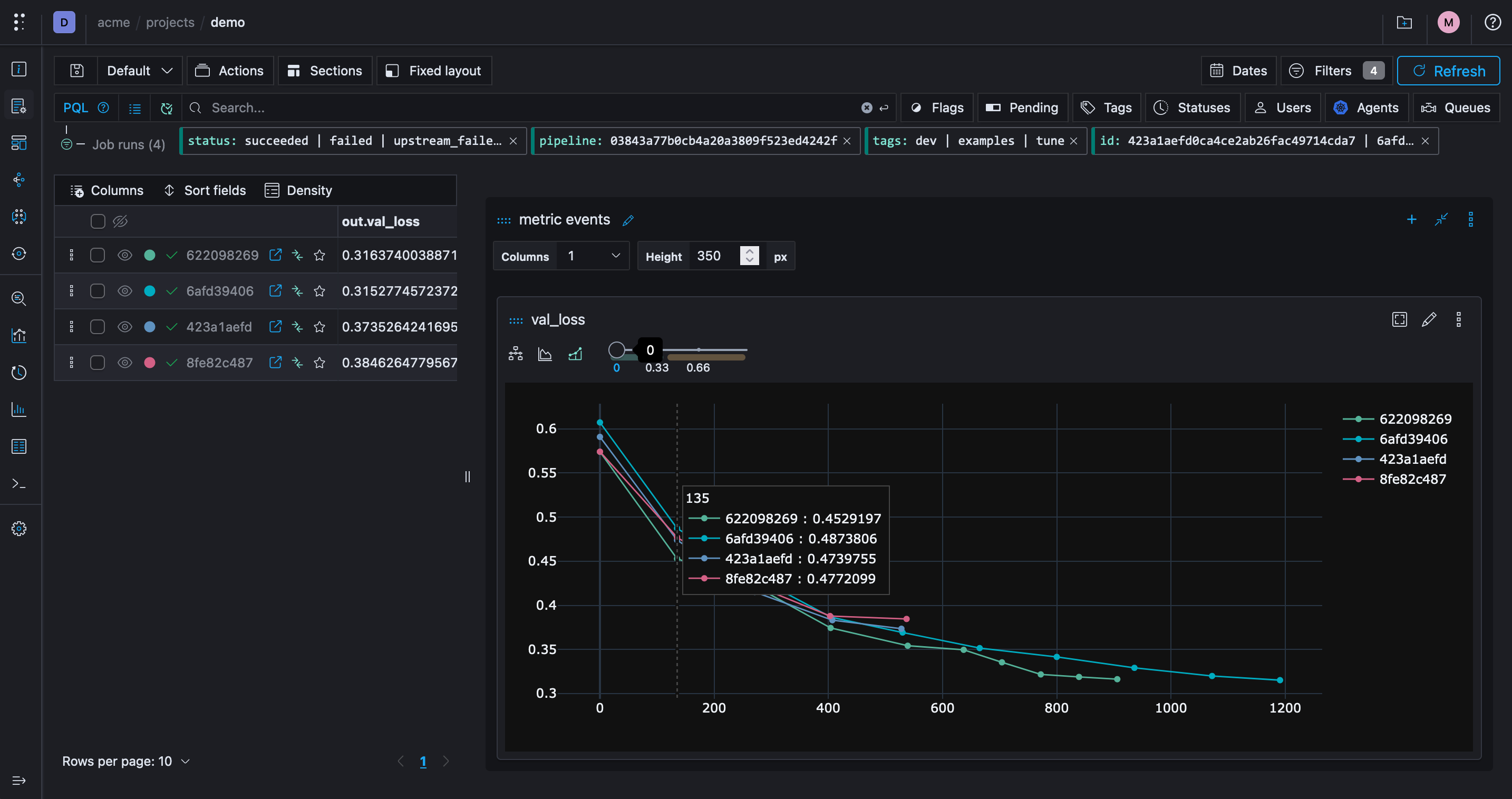
Learn what to record for each ML experiment, how to compare runs fairly, and how to log parameters, metrics, datasets, and model artifacts with Polyaxon.
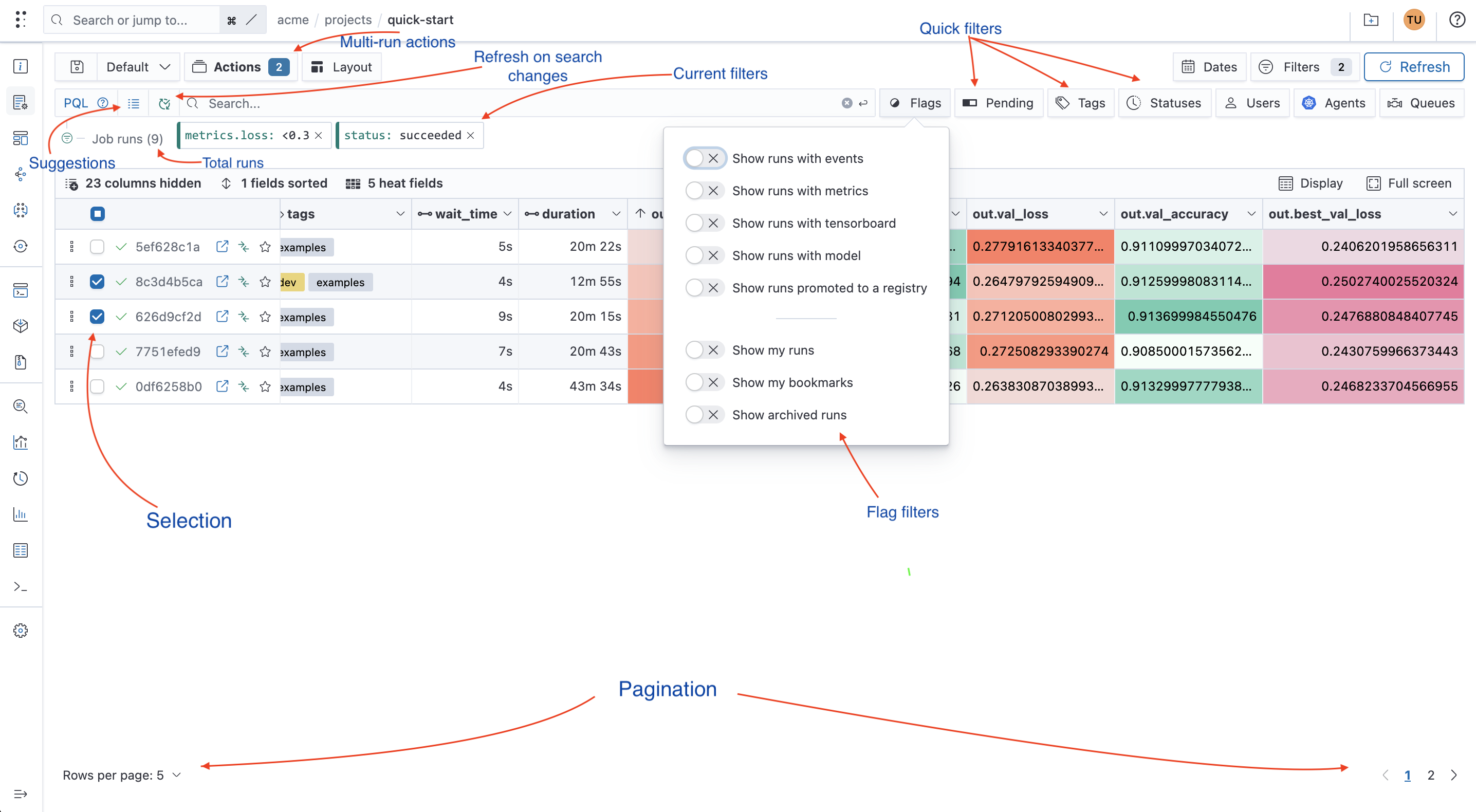
Understand ML metadata with examples of runs, datasets, and model artifacts. Learn how a metadata store connects them and how to query them in Polyaxon.
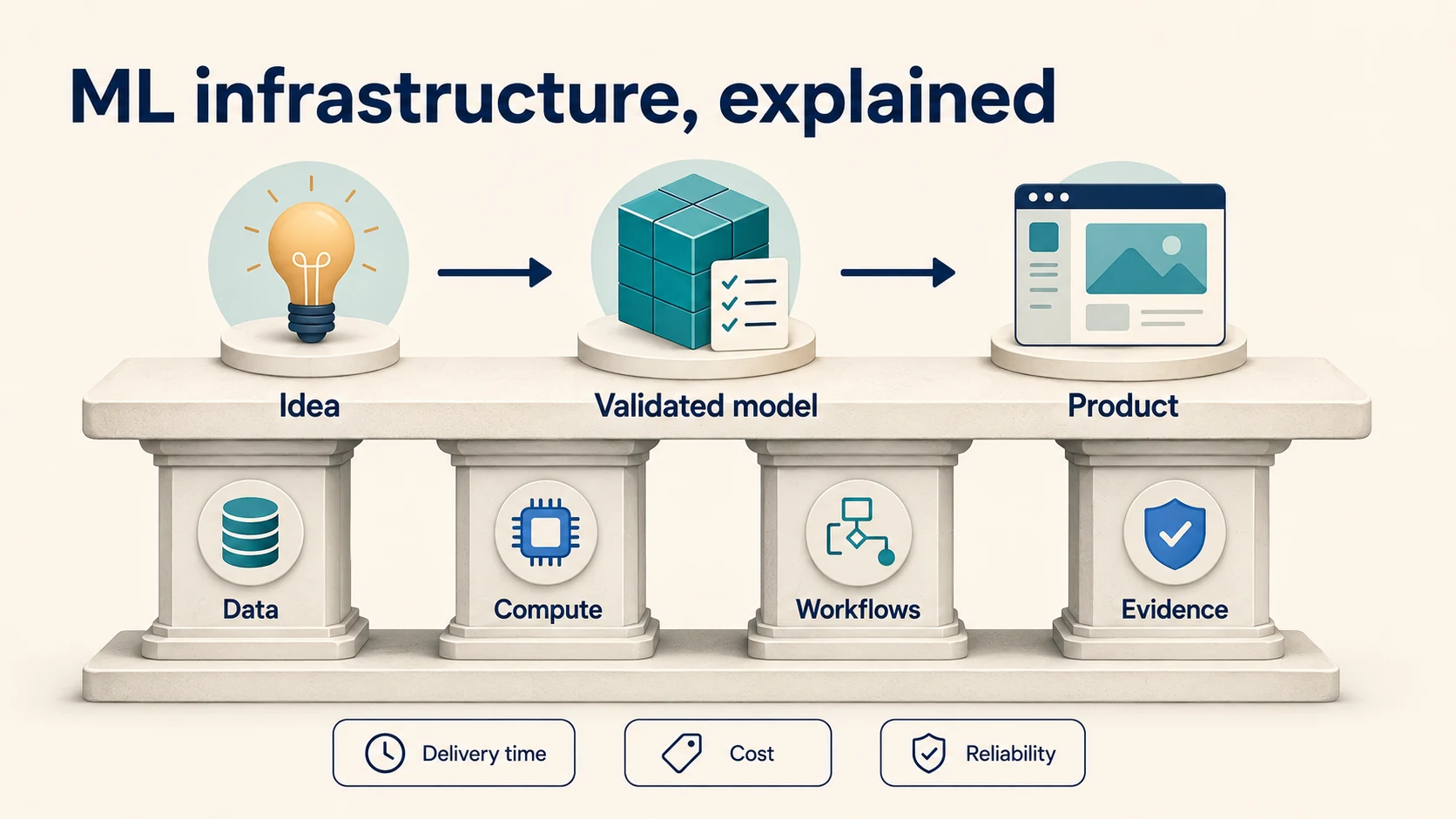
Operate cloud infrastructure for ML with declarative provisioning, clear ownership, workload isolation, capacity policies, cost allocation, and recovery exercises.
At Polyaxon, we're always looking for ways to push the boundaries of what's possible with machine learning. Our MLOps platform makes it easy to manage the entire lifecycle of your machine learning models.
Choose, size, monitor, and retire Google Cloud Persistent Disk volumes for training, notebooks, caches, and stateful ML services.
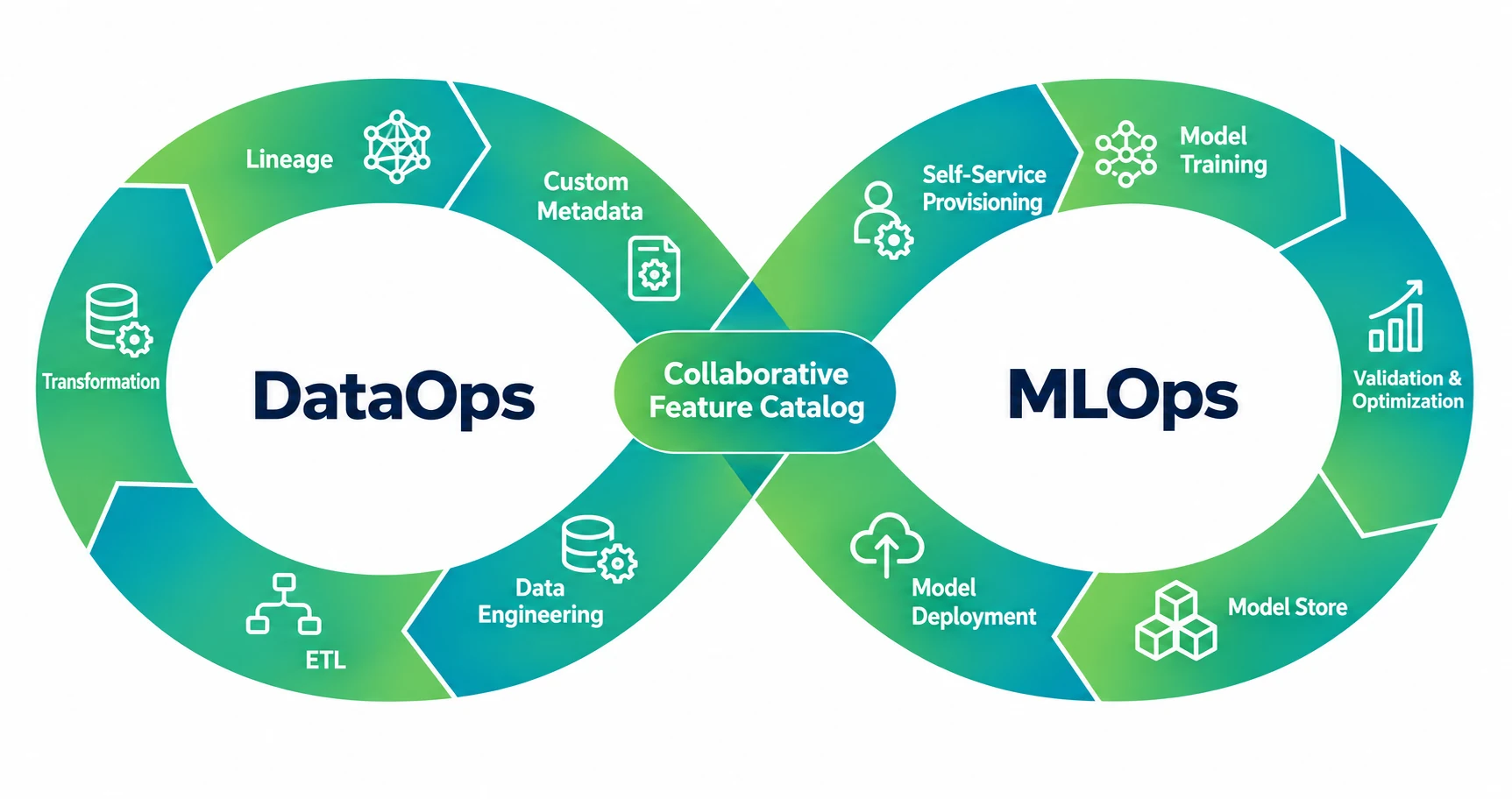
DataOps delivers reliable data; MLOps delivers reliable ML systems. Compare their responsibilities, checks, and handoffs using a practical example.
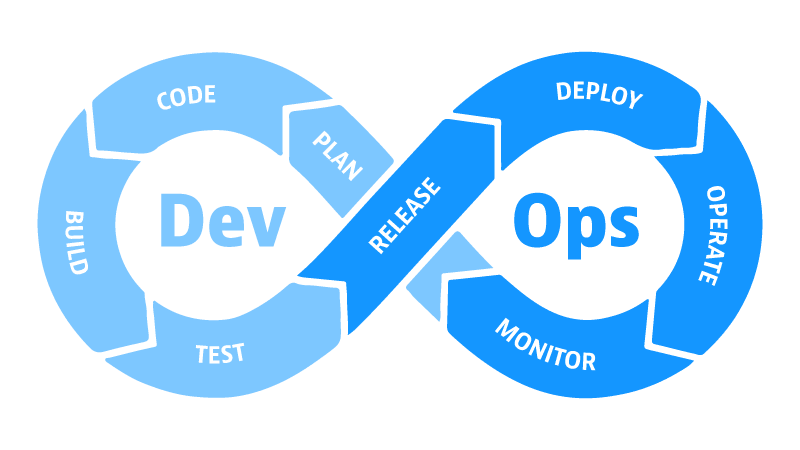
How MLOps is different from DataOps.
Understand how Docker containers and Kubernetes orchestration solve different parts of the ML delivery path, from reproducible images to scheduled production workloads.
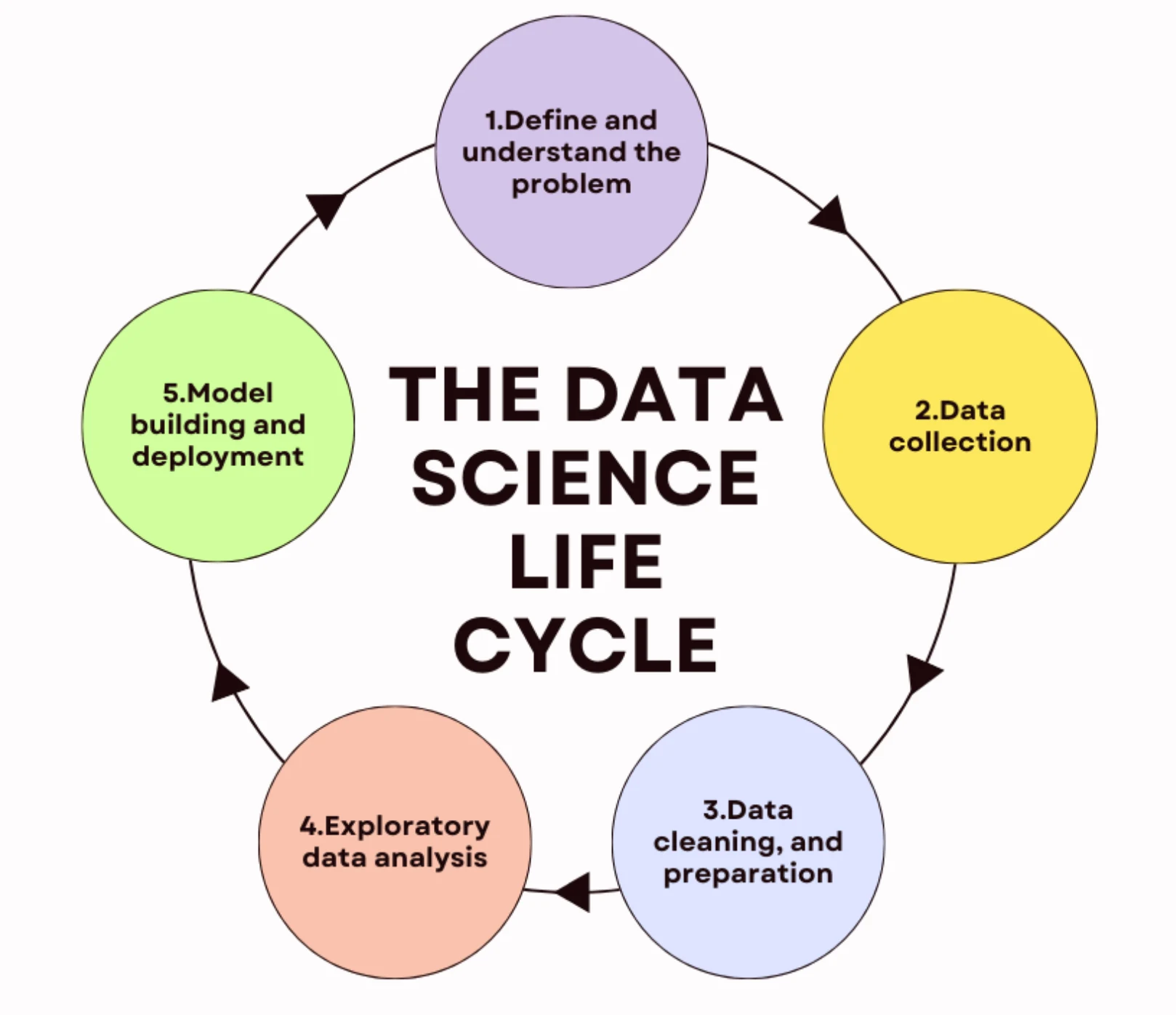
Effective data science and MLOps involve a number of different practices and approaches that aim to improve the efficiency and effectiveness of data science and machine learning (ML) workflows. These are the core principles and practices that can contribute to effective data science and MLOps.
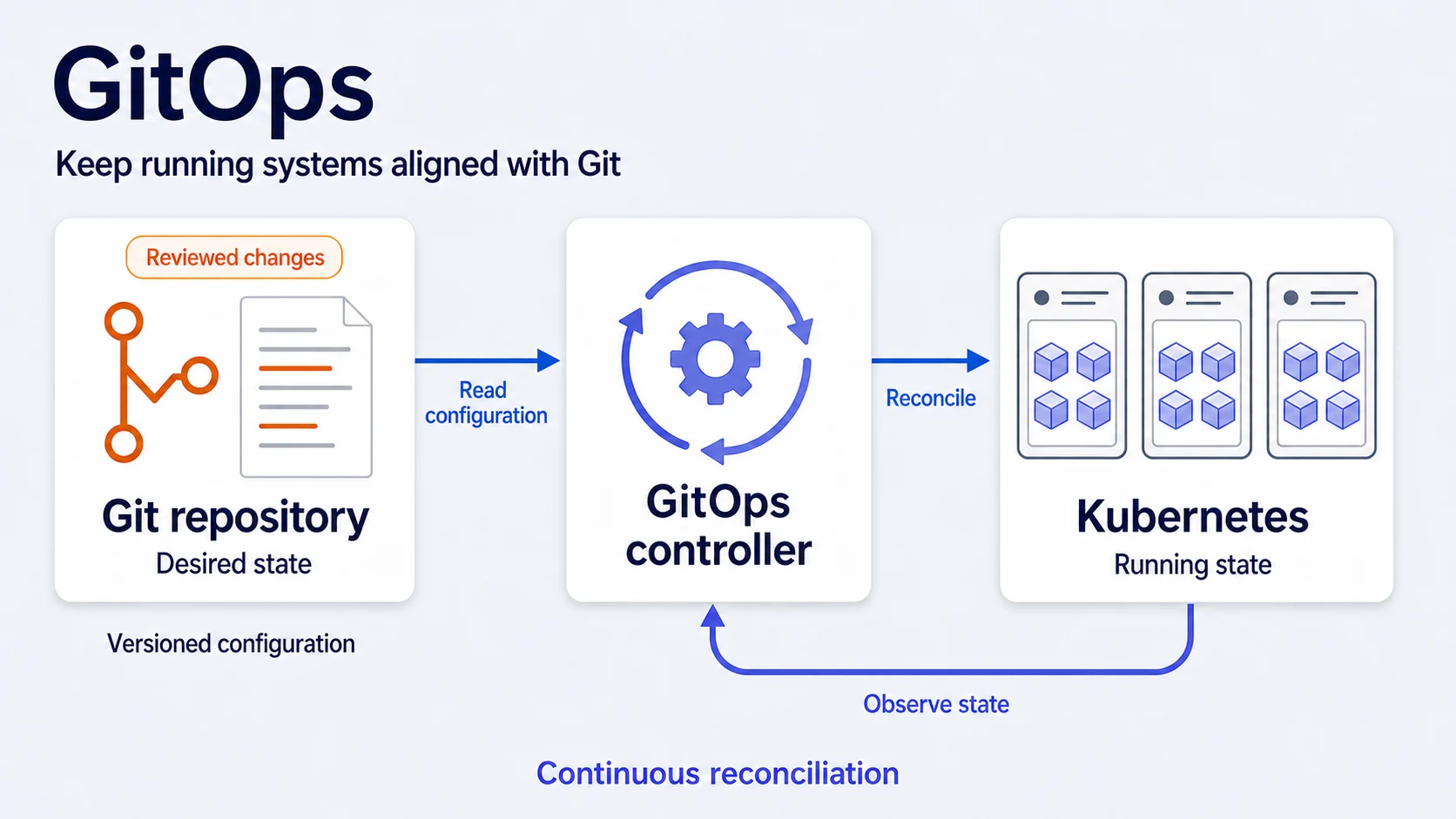
GitOps is an operating model for cloud-native applications built on the principle that the source of truth for an entire application should be fully managed in a source control system.
Develop a model from a reproducible baseline to a reviewed candidate, with versioned data, comparable evaluations, and a clear handoff to deployment.
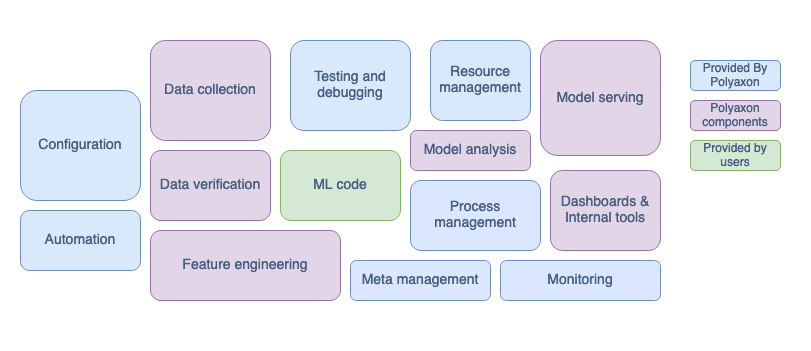
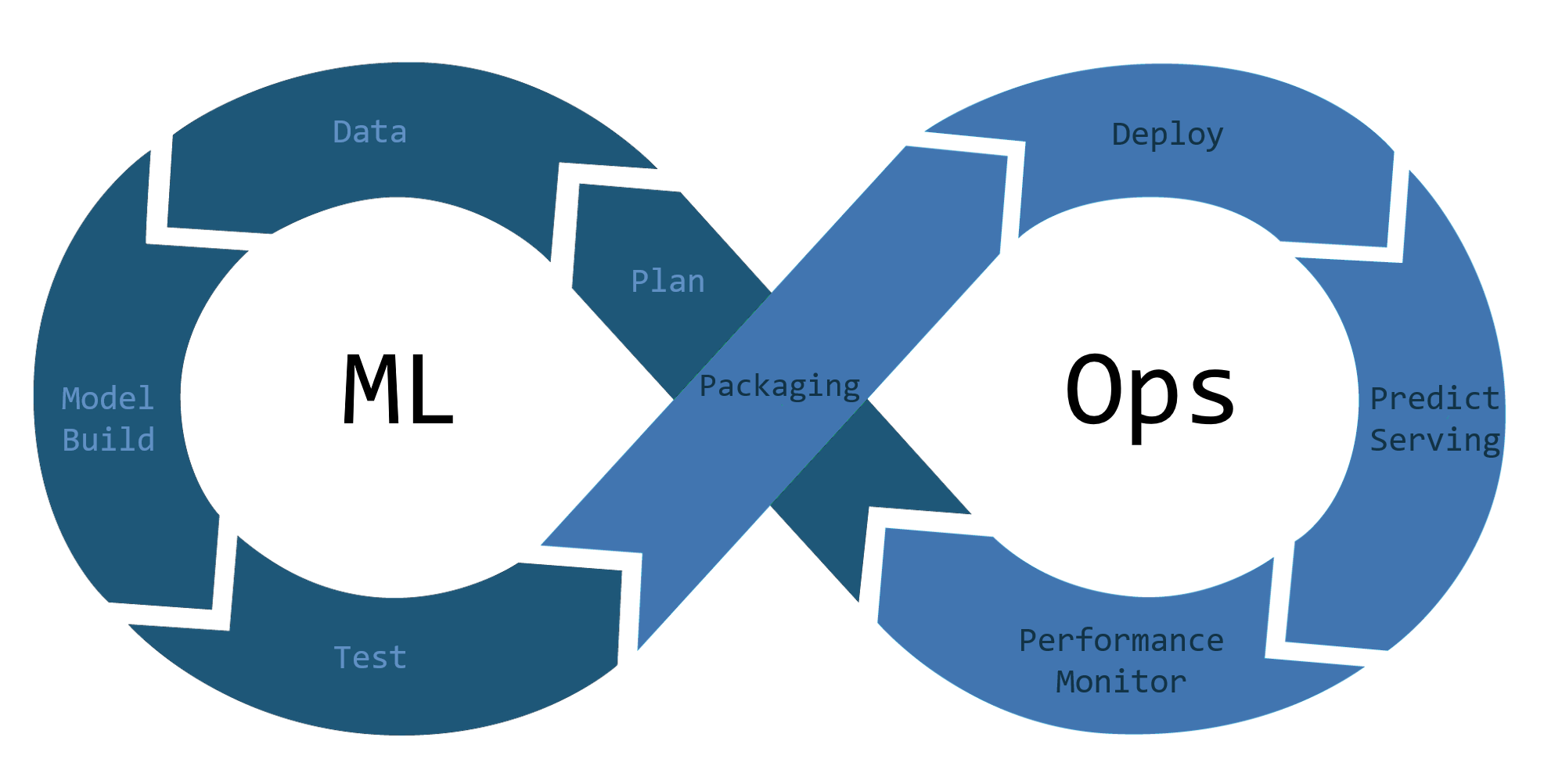
Machine Learning Operations is a set of processes to automate and accelerate the machine learning lifecycle to go from exploration, to experimentation to deploying machine learning model to the production environment.
These are the core principles and practices organizations can use to improve the efficiency and effectiveness of their data science and ML workflows.

The v1 release delivers some new functionalities and features to streamline the machine learning lifecycle.
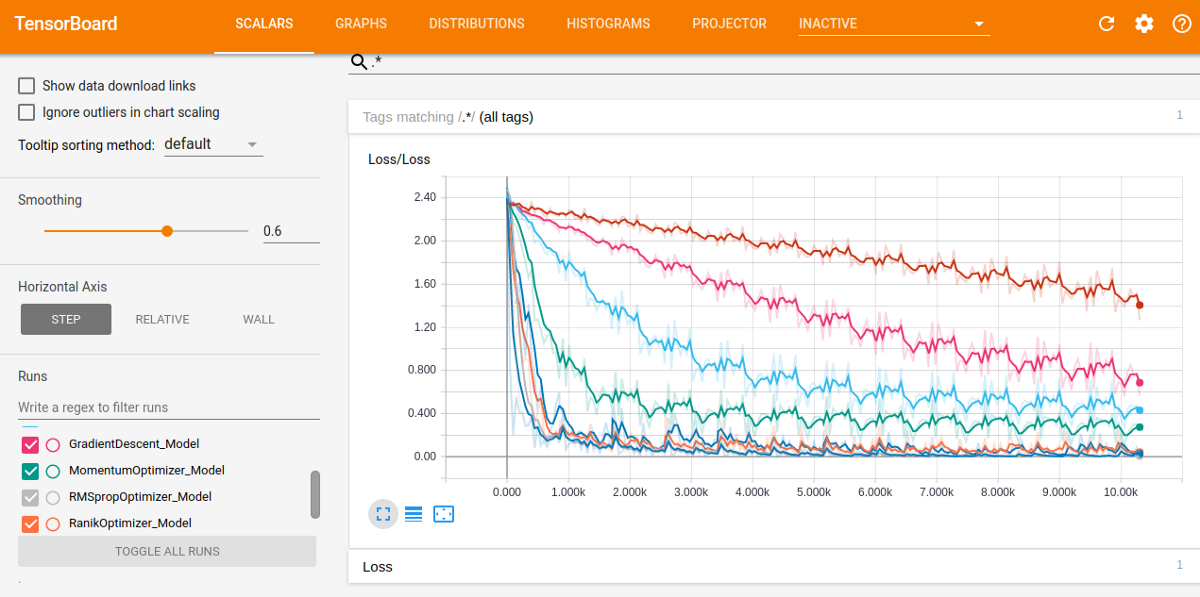
hyperparameters tuning is very important concept in order to choose the optimal hyperparameters for a given algorithm!