Build golden paths for enterprise AI delivery
Create self-service AI delivery paths with explicit workload contracts, reusable components, governed connections, evaluation gates, evidence, and safe exceptions.
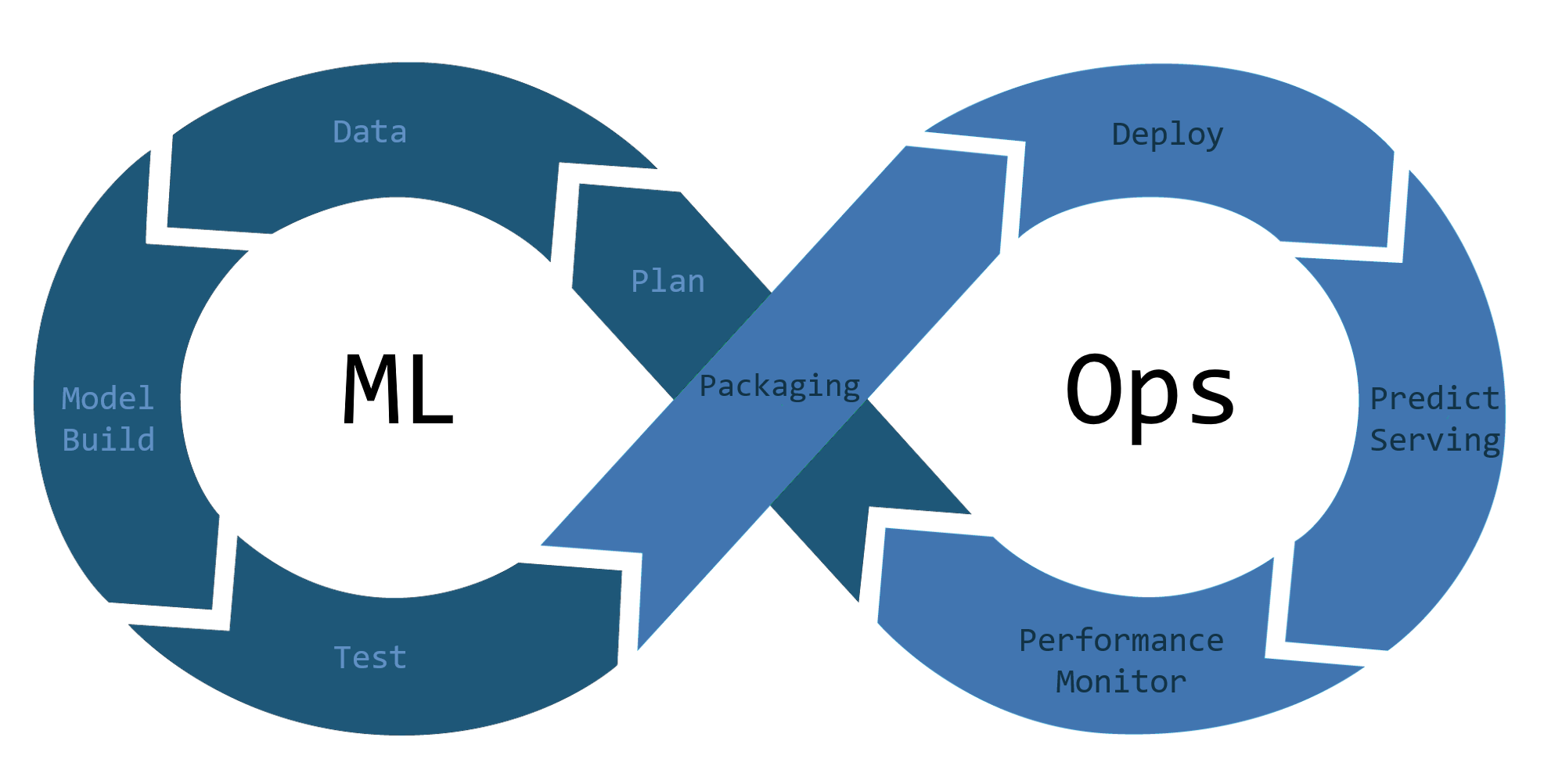
“Push-button AI” is appealing because teams want to move from an idea to a working system without rebuilding infrastructure. The useful platform goal is not a button that hides every decision. It is a golden path that makes routine decisions safe, repeatable, and inspectable while exposing the choices that affect quality, cost, and risk.
A golden path is successful when the fastest supported route also produces the evidence operators need in production.
Start with a workload contract
Ask developers for the information only they can provide: the code or component, input and output types, resource needs, expected duration, data and service dependencies, quality criteria, consequence level, and deployment shape.
The platform should resolve standard concerns such as image construction, identity, artifact storage, network policy, telemetry, scheduling, and retention from that contract. Preserve the effective result so users can see which defaults and policies were applied.
Avoid a form with dozens of infrastructure fields. Offer a small set of versioned workload classes—for example, batch training, evaluation, interactive service, scheduled pipeline, or isolated agent task—with documented guarantees and limits.
Package reusable components
Define components for common steps such as data validation, training, batch inference, evaluation, model packaging, vulnerability scanning, and deployment checks. Inputs and outputs should be explicit, typed where practical, and independent of a developer's local filesystem.
Pin image and dependency revisions for repeatability. Keep environment-specific credentials and storage locations outside the component so the same definition can move through development, staging, and production.
Version components and templates. A platform upgrade should not silently change the runtime of an already approved pipeline.
Provide governed connections
Teams need access to repositories, registries, data stores, model endpoints, feature systems, and telemetry. Let them reference approved logical connections instead of copying credentials and URLs into each workload.
Scope each connection by project, environment, workload identity, and purpose. Prefer short-lived workload credentials. Record which logical connection and resolved destination an operation used without exposing secret values.
Make data locality and policy visible. If a connection is unavailable in a destination, placement should fail with an actionable explanation instead of starting a workload that cannot complete.
Turn evaluation into a promotion gate
Define the evidence required for each risk tier: dataset checks, task metrics, slice analysis, robustness, safety, security scanning, latency, cost, and rollback. Run the same evaluation logic on every candidate release.
Use thresholds carefully. A single aggregate score can hide regressions in a critical population. Keep the full report, evaluated artifact, dataset revision, code, environment, and policy decision attached to the promotion record.
Separate automated acceptance from human approval. High-consequence systems may need a named reviewer even when every automated check passes.
Make deployments reversible
A golden path should produce immutable release references, health checks, canary or staged rollout options, and a tested rollback. Preserve the previous known-good artifact and configuration until the new version meets production acceptance criteria.
Capture runtime dependencies, not only the model. Retrieval indexes, prompts, tools, policies, gateway routes, and application code can change behavior independently.
For batch workflows, define how failed or interrupted work resumes and whether side effects are safe to retry. For services, define warm capacity, graceful termination, and degraded behavior.
Design an explicit escape hatch
No platform template covers every research need. Allow exceptions through a visible process that records the unsupported requirement, owner, affected environment, compensating controls, and expiry.
Keep experimental flexibility away from production authority. A custom development image can run in a restricted namespace without automatically becoming eligible for sensitive data or deployment.
Repeated exceptions reveal missing platform capabilities. Use them to prioritize the next golden-path improvement rather than normalizing permanent bypasses.
Measure developer and operator outcomes
Track time from first commit to reproducible run, percentage of workloads using supported components, promotion lead time, policy failures by cause, exception age, rollback time, queue delay, and cost per accepted result. Also measure whether operators can identify an owner and reproduce the effective configuration during an incident.
Polyaxon components provide reusable workload definitions, while presets apply organization and environment defaults. Connections, pipelines, tracking, artifacts, and queues complete the path from code to governed execution.
The button is the least important part. The value comes from the contract behind it: a repeatable path that developers trust and operators can explain, control, and recover.